As organizations approach 2026, the need for effective succession planning tools has never been more urgent. With 10,000 Americans retiring each day and 56% of HR professionals lacking a formal succession plan, the risk of leadership gaps is growing rapidly.
Selecting the right succession planning tools can help secure business continuity, nurture future leaders, and reduce operational disruptions. These solutions offer a strategic advantage, ensuring your organization is ready for any change.
In this article, we provide an expert review of the top 10 succession planning tools for 2026. Explore their features, pricing, benefits, and discover which tool best fits your organization’s needs.
The Strategic Role of Succession Planning in 2026
Organizations in 2026 face rapid demographic changes, shifting workforce expectations, and a highly competitive leadership landscape. Effective succession planning tools are no longer a luxury but a necessity for future-proofing business continuity and growth. Understanding the strategic role these tools play is essential for leaders committed to building strong talent pipelines and minimizing disruption.
Why Succession Planning Is More Critical Than Ever
The workforce is aging quickly, with thousands retiring each day. This creates urgent gaps in leadership and organizational knowledge. At the same time, competition for skilled leaders intensifies as fewer candidates are available to step up. Alarmingly, only 21% of organizations have a formal succession plan, according to Modernize Succession Planning for Better Results. When leadership vacancies are unplanned, the impact on business operations and morale can be significant. Succession planning tools help mitigate these risks by ensuring continuity and developing future leaders in advance.
Key Challenges Organizations Face
Identifying critical roles and high-potential talent is more complex than ever, especially in hybrid or remote environments. Organizations struggle to maintain diverse and inclusive leadership pipelines while accurately measuring readiness and tracking progress. Resistance to change can also hinder adoption of new succession planning tools. Overcoming these barriers requires clear communication, strong leadership support, and a focus on transparent, data-driven processes.
What to Look for in Succession Planning Tools
When evaluating succession planning tools, organizations should prioritize features like talent identification, competency mapping, and personalized development planning. Seamless integration with existing HR systems is crucial for efficiency. Scalability ensures the solution grows with the business, whether for a small nonprofit or a global enterprise. Advanced data analytics and reporting capabilities support informed decisions, while user experience and responsive support drive adoption and success.
Trends Shaping Succession Planning Tools for 2026
The landscape for succession planning tools is evolving rapidly. AI-driven talent analytics and predictive modeling offer deeper insights into potential leaders. Automation streamlines manual processes and reporting. Diversity, equity, and inclusion are now central, with tools designed to reduce bias and support equitable advancement. Mobile and cloud-based solutions enable accessibility and real-time updates, while customizable workflows and templates ensure organizations can tailor succession strategies to their unique needs.
Top 10 Succession Planning Tools for 2026 Success
Selecting the right succession planning tools in 2026 can make or break your leadership pipeline. With a rapidly changing workforce, organizations need solutions that deliver agility, data-driven insights, and future-ready talent development. Below, we review the 10 best succession planning tools, highlighting their features, pricing, and real-world applications to help you make an informed decision.
1. Cornerstone OnDemand
Cornerstone OnDemand stands out among succession planning tools with its comprehensive suite for talent management. Pricing is based on a custom quote tailored to organizational size and needs.
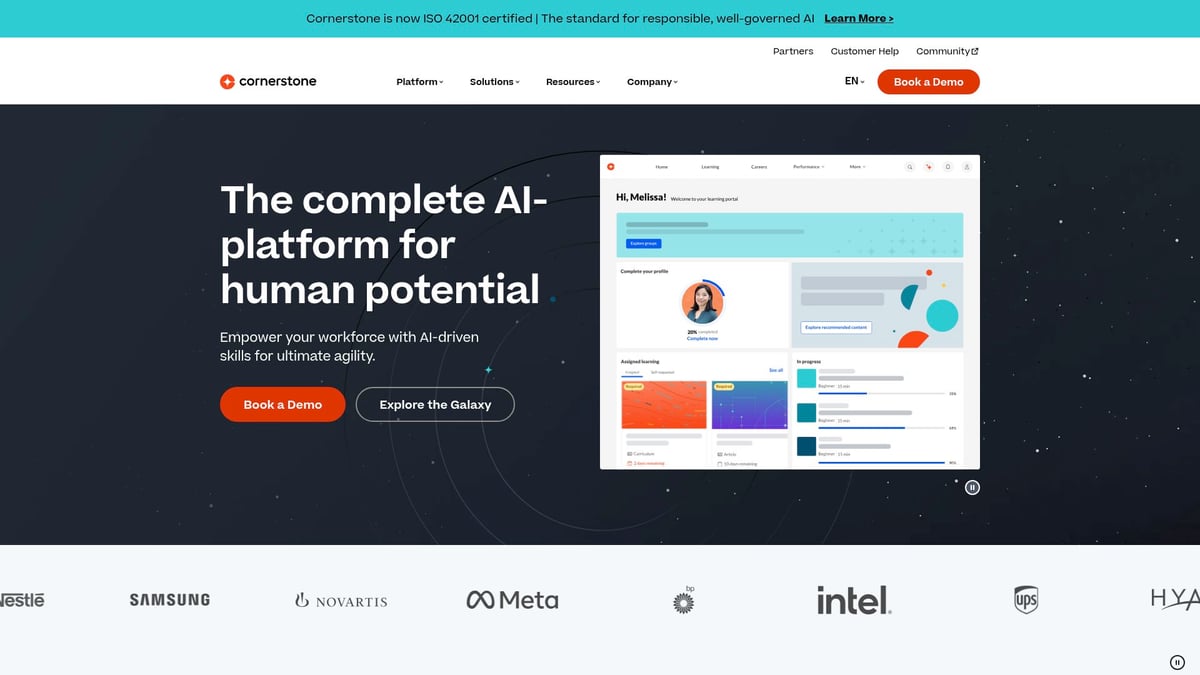
Key features include competency mapping, the creation of talent pools, integrated learning management, and robust analytics. These succession planning tools are highly scalable, making them ideal for large enterprises and global organizations.
Pros:
- All-in-one talent management platform
- Deep analytics and reporting
- Seamless HR integration
Cons:
- Steep learning curve
- Higher cost compared to basic solutions
Fortune 500 companies rely on Cornerstone OnDemand to drive global succession strategies, ensuring leadership continuity and risk mitigation.
2. SIGMA Succession Planning Templates
SIGMA offers a practical entry point to succession planning tools, providing free downloadable templates and paid consulting. The templates guide organizations through critical role identification, success profile creation, nomination surveys, and progress tracking.
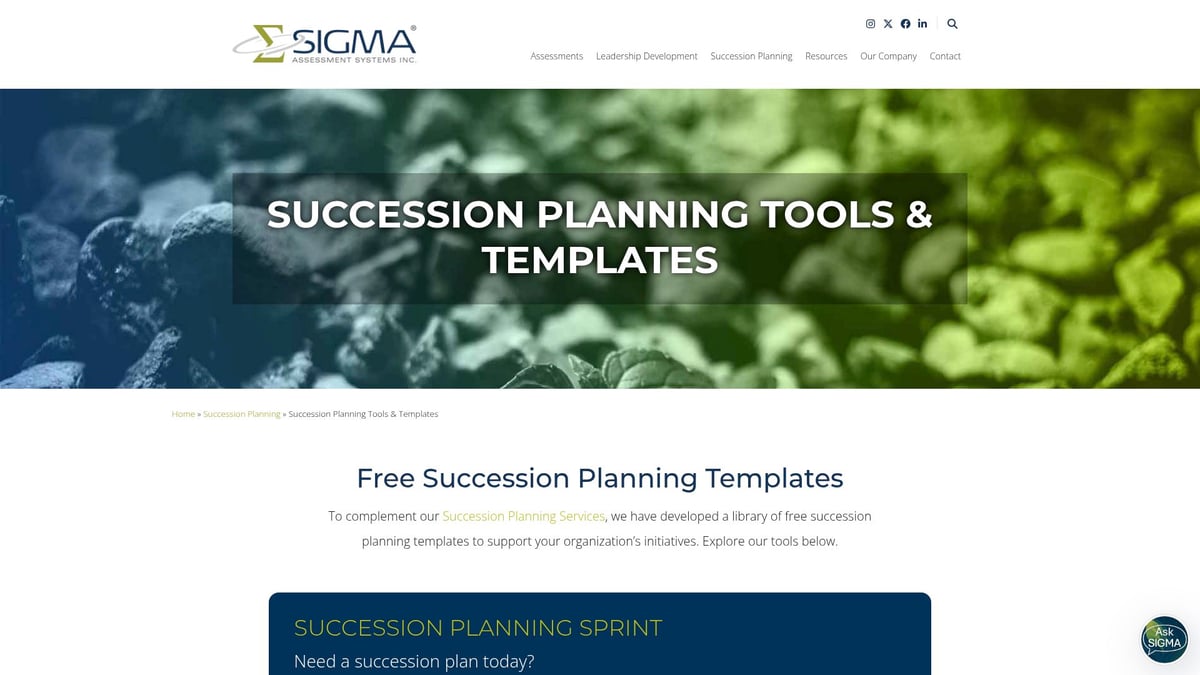
These succession planning tools are especially suited for SMBs and nonprofits just starting their succession journey. The user-friendly, step-by-step format supports diversity and is easy to implement.
Pros:
- Free and accessible
- Educational resources available
Cons:
- Manual processes
- Lacks automation
Nonprofits have used SIGMA to launch their first formal succession plans, building leadership pipelines from the ground up.
3. Dayforce
Dayforce brings advanced analytics and real-time data to succession planning tools. Pricing is provided via custom quotes, reflecting the platform's robust capabilities.
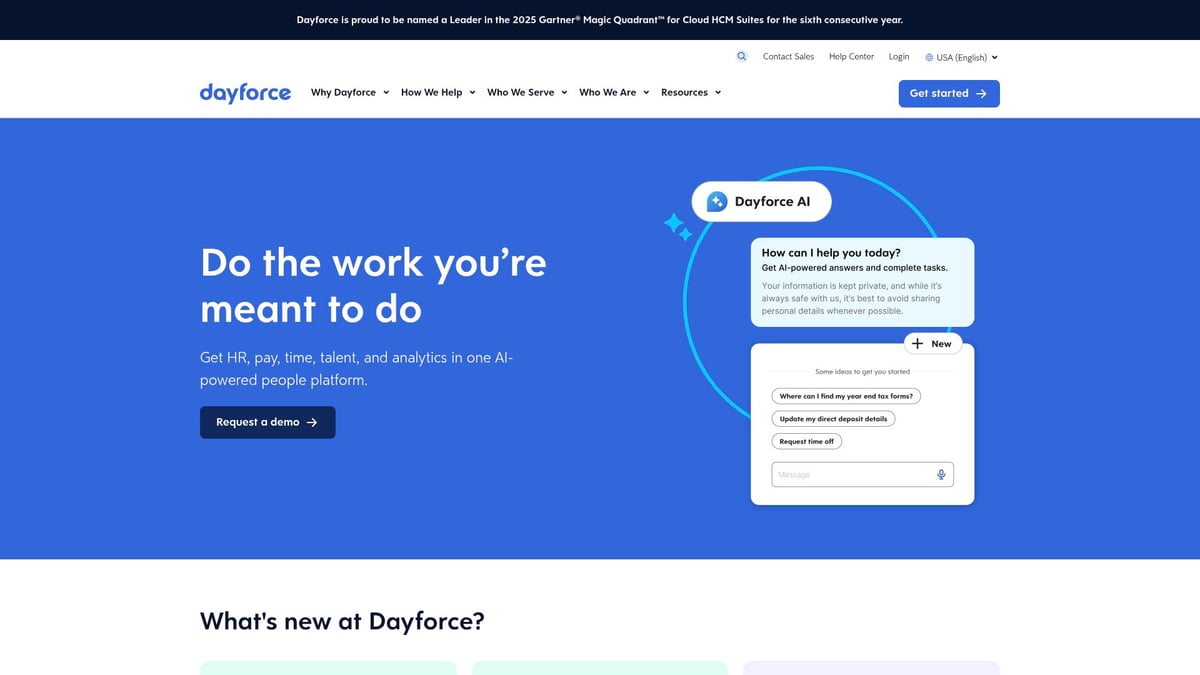
Key features encompass succession modules, workforce analytics, and integrated performance management. Dayforce is tailored for midsize to large businesses needing seamless HR and payroll integration.
Pros:
- Unified data platform
- Strong analytical tools
Cons:
- Complex implementation
- Can be costly for smaller organizations
Healthcare providers use Dayforce to identify and develop future clinical leaders, ensuring continuity in critical roles.
4. ELMO Software
ELMO Software delivers modular succession planning tools with a strong presence in Australia and New Zealand. Pricing follows a tiered subscription model with custom quotes.
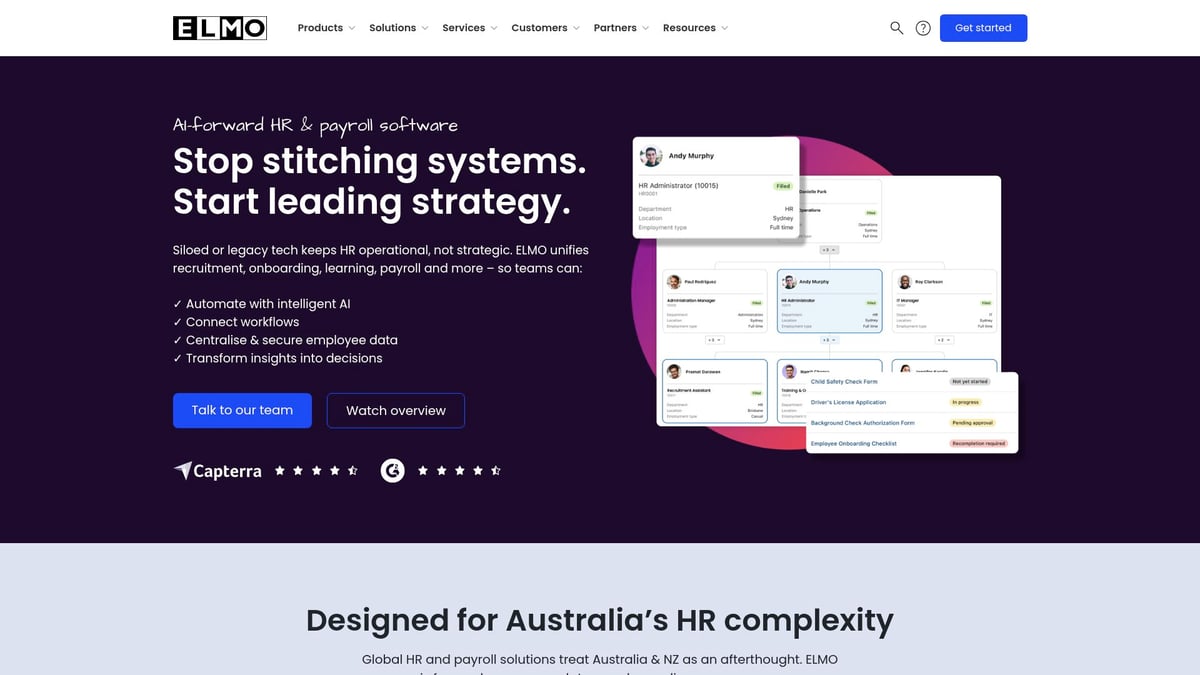
The platform supports talent identification, competency tracking, and user-friendly interfaces. ELMO is well-suited for midsize organizations, especially in the education sector.
Pros:
- Flexible modules
- Localized support
Cons:
- Limited global reach
Academic institutions leverage ELMO to manage leadership succession across faculties and administrative roles.
5. Plum
Plum sets itself apart among succession planning tools with AI-driven assessments and predictive analytics. The pricing model is custom for enterprise clients.
Plum focuses on measuring potential, reducing bias, and supporting diversity, equity, and inclusion. Its modern interface and strong analytics make it a fit for organizations that value data-driven, unbiased decision-making.
Pros:
- Focus on DEI
- Powerful predictive analytics
Cons:
- Requires organizational change management
Tech firms employ Plum to uncover hidden high-potential talent, building a future-ready leadership pipeline.
6. Empxtrack
Empxtrack provides affordable, modular succession planning tools starting at $3 per user per month. It offers succession modules, performance reviews, and career pathing.
These tools are ideal for SMBs and fast-growing organizations seeking a quick setup. Empxtrack is cost-effective and easy to implement, although advanced analytics are limited.
Pros:
- Budget-friendly
- Quick deployment
Cons:
- Basic analytics
- Fewer advanced features
Startups use Empxtrack to establish formal succession processes as they scale.
7. Workzoom
Workzoom offers all-in-one HR and succession planning tools with modular pricing. Its core features include succession planning, talent management, and HR analytics.
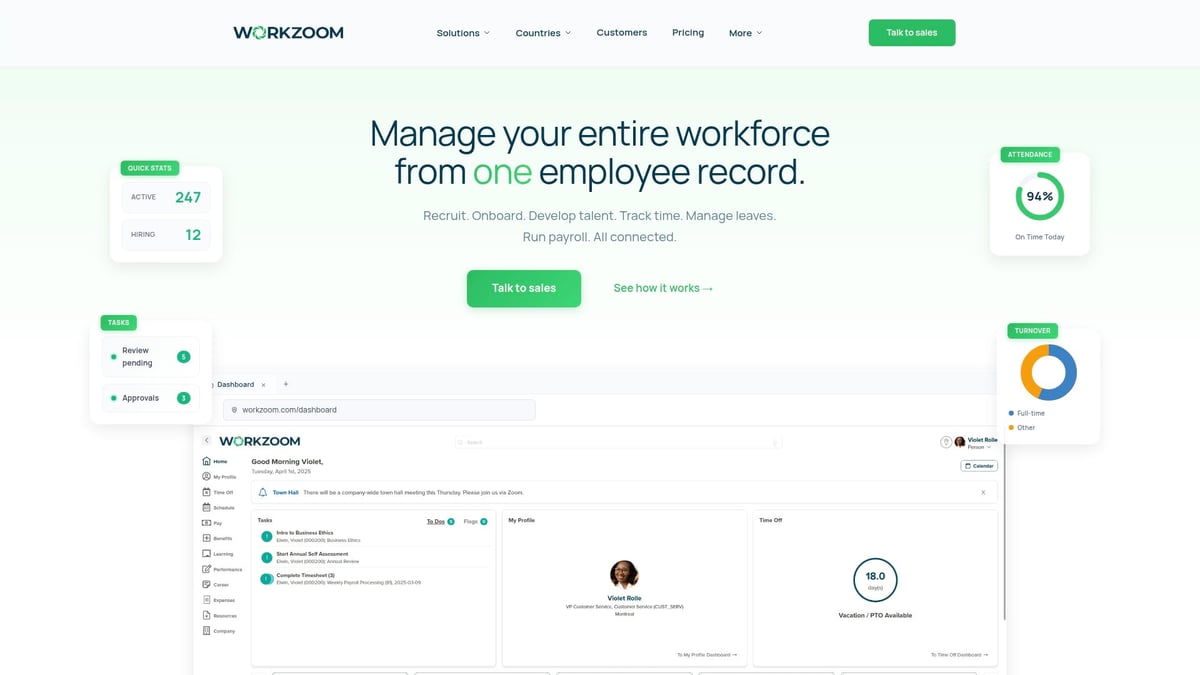
The platform is designed for SMBs and mid-market companies, providing customizable workflows and intuitive dashboards.
Pros:
- Integrated HR suite
- Customizable workflows
Cons:
- Lower brand recognition
- Limited third-party integrations
Manufacturing companies leverage Workzoom to streamline both succession and workforce planning, improving operational resilience.
8. PeopleFluent
PeopleFluent delivers enterprise-grade succession planning tools with custom pricing for large organizations. Features include succession management, talent pools, 9-box grids, and competency tracking.
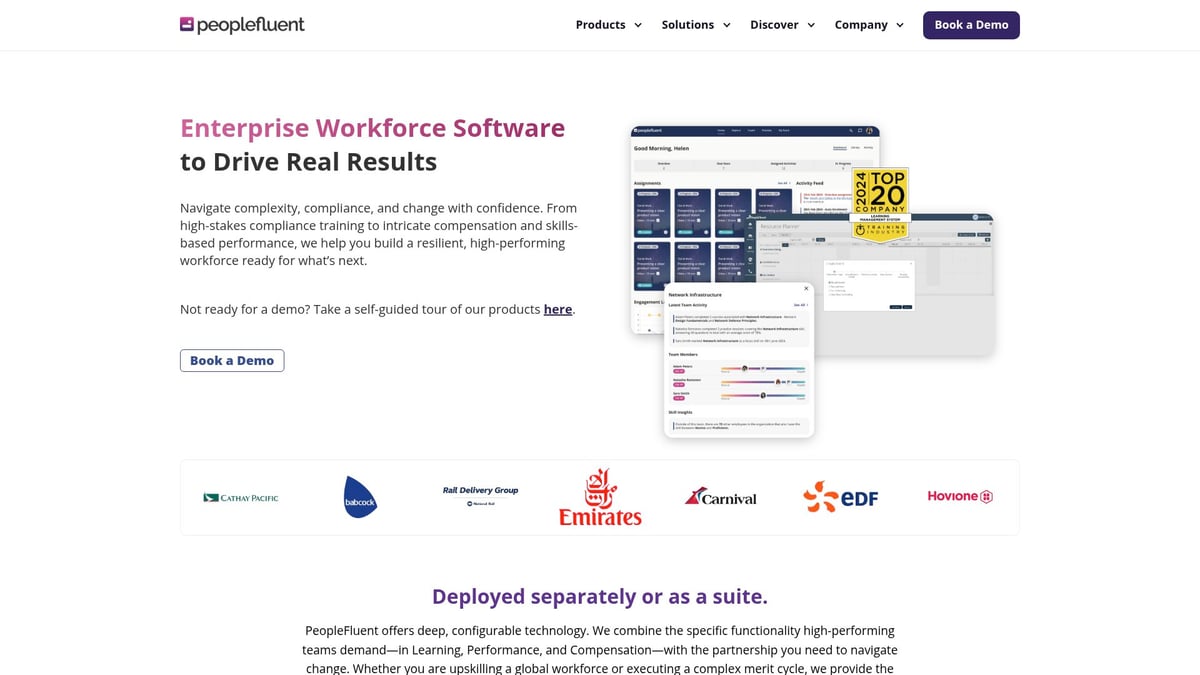
The platform excels in analytics and visualization, making it suitable for multinational corporations in regulated industries.
Pros:
- Deep analytics
- Customizable solutions
Cons:
- Higher price point
- Best for larger organizations
Healthcare and finance sectors use PeopleFluent for regulatory-compliant succession strategies.
9. ClayHR
ClayHR offers scalable succession planning tools starting at $6 per user per month. It combines succession planning, competency management, and AI-powered insights.
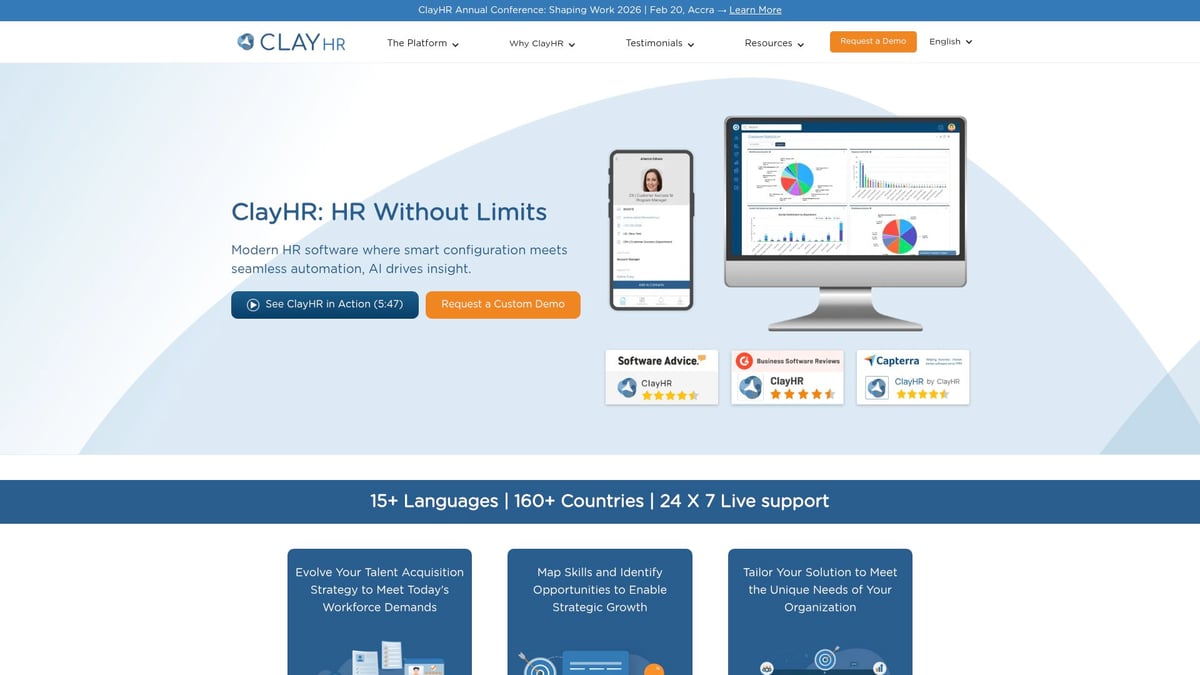
ClayHR is ideal for mid-sized and fast-growing companies seeking rapid deployment and modular features.
Pros:
- Affordable entry point
- AI-driven insights
Cons:
- Newer in the market
- Evolving feature set
Tech startups use ClayHR to quickly develop leadership pipelines and adapt to growth.
10. Arcoro
Arcoro specializes in succession planning tools for construction and field services. Pricing is custom and modular, tailored for industry needs.
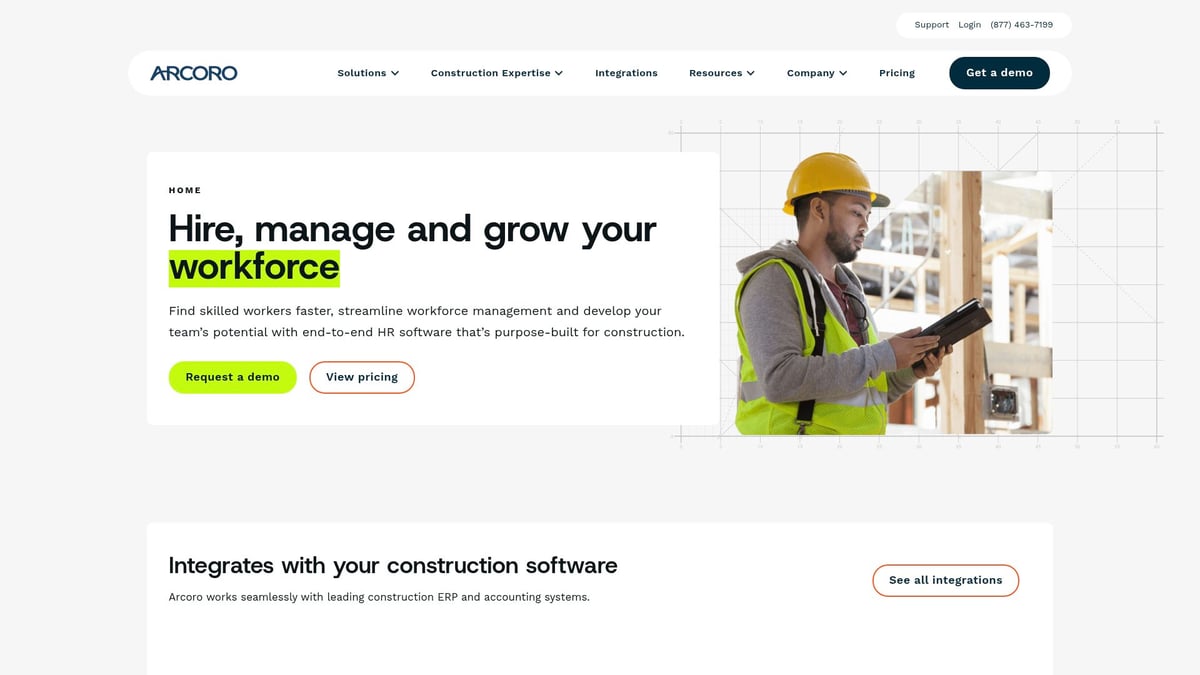
Core features include succession planning, skills gap analysis, and compliance support. Arcoro is built for organizations prioritizing project continuity and regulatory adherence.
Pros:
- Industry-specific solutions
- Compliance tools
Cons:
- Niche focus
- Less suited for other sectors
Construction firms rely on Arcoro to ensure uninterrupted project delivery and meet compliance standards.
Succession Planning Tools Comparison Table
| Tool | Pricing | Best For | Standout Features |
|---|---|---|---|
| Cornerstone OnDemand | Custom | Large enterprises | End-to-end talent management, analytics |
| SIGMA Templates | Free/Paid | SMBs, nonprofits | Step-by-step templates, diversity focus |
| Dayforce | Custom | Midsize to large | Real-time analytics, payroll integration |
| ELMO Software | Tiered/Custom | APAC midsize orgs | Modular, user-friendly |
| Plum | Custom | DEI/data-driven orgs | AI assessments, predictive analytics |
| Empxtrack | $3/user/month | SMBs, startups | Affordable, modular |
| Workzoom | Custom | SMBs, mid-market | Integrated HR suite, workflows |
| PeopleFluent | Custom | Enterprises, multinationals | Advanced analytics, visualization |
| ClayHR | $6/user/month | Mid-sized, startups | AI insights, fast deployment |
| Arcoro | Custom | Construction, field | Industry-specific, compliance |
When choosing among these succession planning tools, consider not only features and pricing but also analytics and reporting capabilities. For organizations seeking to maximize insights, Benefits data analytics for HR can further enhance the value of your chosen platform.
Each of these succession planning tools is designed to help organizations anticipate leadership gaps, develop talent, and ensure business continuity as the workforce evolves.
How to Choose the Right Succession Planning Tool for Your Organization
Selecting the best succession planning tools is a strategic decision that shapes your organization’s future leadership and stability. With so many options, it’s essential to approach the process systematically.
Assessing Your Organization’s Needs and Maturity
Begin by evaluating your current succession planning tools and processes. Identify gaps in your leadership pipeline, and determine which roles are most critical for business continuity. Consider how generational shifts and retirements impact your workforce—recent succession planning statistics show that only 37% of employees are aware of their company’s plan.
Assess integration needs with your HRIS or ATS. For organizations seeking workforce continuity and streamlined HR operations, explore integrated solutions like payroll and human capital management. Factor in your organization’s size, industry, and complexity, as these will influence your requirements.
Comparing Features and Capabilities
Next, match succession planning tools to your priorities. Review core features such as talent identification, competency mapping, and development planning. Ensure the tool integrates smoothly with existing systems, enabling data-driven decisions.
Evaluate the user experience, availability of training and support, and the quality of analytics and reporting. Request demos or trial access where possible. If diversity, equity, and inclusion are priorities, look for tools with AI-driven analytics that reduce bias. Consider a checklist to compare features side by side for clarity.
Weighing Pricing, ROI, and Scalability
Analyze the total cost of ownership for each succession planning tools option. Some solutions offer modular pricing or free templates, which can be ideal for organizations new to the process. Calculate potential ROI by estimating time savings, improved leadership readiness, and reduced risk.
Scalability is essential—ensure the tool can grow with your organization. Budget-conscious teams may benefit from free or low-cost options, while enterprises may require more advanced analytics and customization.
Implementation Best Practices for 2026
Successful adoption of succession planning tools relies on clear steps. Secure executive buy-in early, and define success metrics to track progress. Offer training and change management support to drive user adoption.
Leverage analytics to continuously measure pipeline health and update plans as your organization evolves. Use progress scorecards to visualize readiness and identify gaps. Regular reviews ensure your succession strategy stays aligned with business objectives.
Future-Proofing Your Succession Planning Strategy
To remain resilient in an unpredictable business landscape, organizations must proactively adapt their succession planning tools for continuous success. The next generation of succession planning tools leverages AI and automation to anticipate talent gaps, enabling leaders to act before vacancies disrupt operations.
Integrating succession planning tools with broader talent management initiatives is crucial. This ensures that leadership pipelines align with organizational growth objectives and adapt to changing workforce dynamics. Prioritizing diversity, equity, and inclusion within succession pipelines helps organizations build a strong, representative leadership bench.
Fostering a culture of continuous development and encouraging internal mobility empowers employees to grow into future roles. Real-time analytics within succession planning tools provide actionable insights, allowing organizations to make agile, data-driven decisions as needs evolve.
According to recent reports, organizations that invest in AI-driven and data-centric succession planning tools report higher leadership readiness and lower turnover rates. This trend is especially important as succession planning among directors’ top priorities in 2025 signals a growing recognition of its strategic value.
By embracing innovation and focusing on future-ready practices, organizations can ensure their succession planning tools deliver lasting impact.
Now that you've seen how the right succession planning tools can transform your organization—streamlining processes, developing future leaders, and ensuring business continuity—it's time to take the next step. You don't have to navigate these decisions alone. If you're ready to future proof your leadership pipeline and want expert guidance tailored to your unique goals, I invite you to connect with us. Let's discuss your challenges and identify solutions that drive sustainable growth, efficiency, and employee well being. Book a Consultation to start building a succession plan that sets your business up for success in 2026 and beyond.