

Non-profit organizations face unique challenges that demand specialized approaches to sustainability, growth, and mission fulfillment. Unlike traditional for-profit enterprises, these mission-driven entities must balance financial stewardship with social impact, donor transparency with operational efficiency, and volunteer coordination with professional management. Modern non-profit solutions address these multifaceted demands by integrating technology, process optimization, and strategic planning to help organizations maximize their resources and amplify their community impact. As we navigate 2026, the landscape of charitable organizations has evolved significantly, requiring sophisticated tools and methodologies to remain competitive in attracting funding while delivering measurable outcomes.
Operational Efficiency Through Process Automation
Non-profit organizations often operate with limited staff and constrained budgets, making operational efficiency critical for survival and growth. Implementing automation technologies transforms how these organizations manage repetitive tasks, freeing valuable human resources for mission-critical activities.
Streamlining Administrative Functions
Administrative burden consumes a disproportionate amount of time in non-profit settings. Solutions that automate data entry, reporting, and compliance documentation can reclaim thousands of hours annually. Consider these key automation opportunities:
- Donation processing and receipt generation that eliminates manual data entry
- Grant reporting automation that pulls data from multiple systems into standardized formats
- Volunteer scheduling systems that reduce coordination overhead by 60-70%
- Automated compliance tracking for regulatory requirements and board reporting
Organizations implementing comprehensive automation strategies report significant reductions in administrative costs while improving accuracy and consistency across operations.

Data Integration Across Platforms
Many non-profits struggle with disconnected systems where donor databases, accounting software, program management tools, and communication platforms operate in isolation. Effective data integration strategies enable organizations to:
- Create unified donor profiles combining contribution history, engagement patterns, and communication preferences
- Generate comprehensive program impact reports drawing from multiple data sources
- Automate financial reconciliation between donation platforms and accounting systems
- Enable predictive analytics for fundraising forecasting and program planning
Integration eliminates duplicate data entry while ensuring consistency across all organizational touchpoints. When systems communicate seamlessly, staff members access accurate, real-time information that informs better decision-making and improves constituent service.
Financial Management and Revenue Optimization
Sustainable non-profit solutions must address the unique financial challenges these organizations face. Revenue diversification, cost management, and financial transparency form the foundation of long-term viability.
Revenue Cycle Management for Healthcare Non-Profits
Healthcare-focused non-profits encounter particularly complex financial scenarios. End-to-end revenue cycle management encompasses patient registration, insurance verification, claims submission, payment posting, and collections management.
| Revenue Cycle Component | Common Challenge | Solution Impact |
|---|---|---|
| Patient Registration | Incomplete demographic data | 25% reduction in claim denials |
| Insurance Verification | Manual verification delays | 40% faster patient intake |
| Claims Submission | Coding errors and rejections | 35% improvement in first-pass acceptance |
| Payment Posting | Delayed reconciliation | Real-time financial visibility |
| Collections Management | Inconsistent follow-up | 30% increase in collection rates |
Healthcare non-profits implementing robust revenue cycle solutions typically see 20-40% improvements in cash flow within the first year. These gains directly translate to expanded program capacity and enhanced patient services.
Grant Management and Reporting
Grant funding represents a primary revenue source for many organizations, yet managing multiple grants with varying requirements creates substantial administrative complexity. Modern non-profit solutions include grant management modules that:
- Track deliverables and milestones across multiple funded programs
- Allocate expenses accurately to specific grant budgets
- Generate funder-specific reports automatically from shared data sources
- Alert program managers to upcoming deadlines and reporting requirements
- Maintain comprehensive audit trails for compliance verification
Organizations serving vulnerable populations can access specialized resources like those provided by the Sentinel Shields Foundation, which offers threat intelligence services to protect mission-critical operations from cybersecurity threats.
Human Capital Management for Mission-Driven Organizations
Staff and volunteer management presents unique challenges in the non-profit sector. High turnover rates, limited compensation budgets, and reliance on part-time or volunteer workers require specialized human capital approaches.
Employee Wellness and Retention Programs
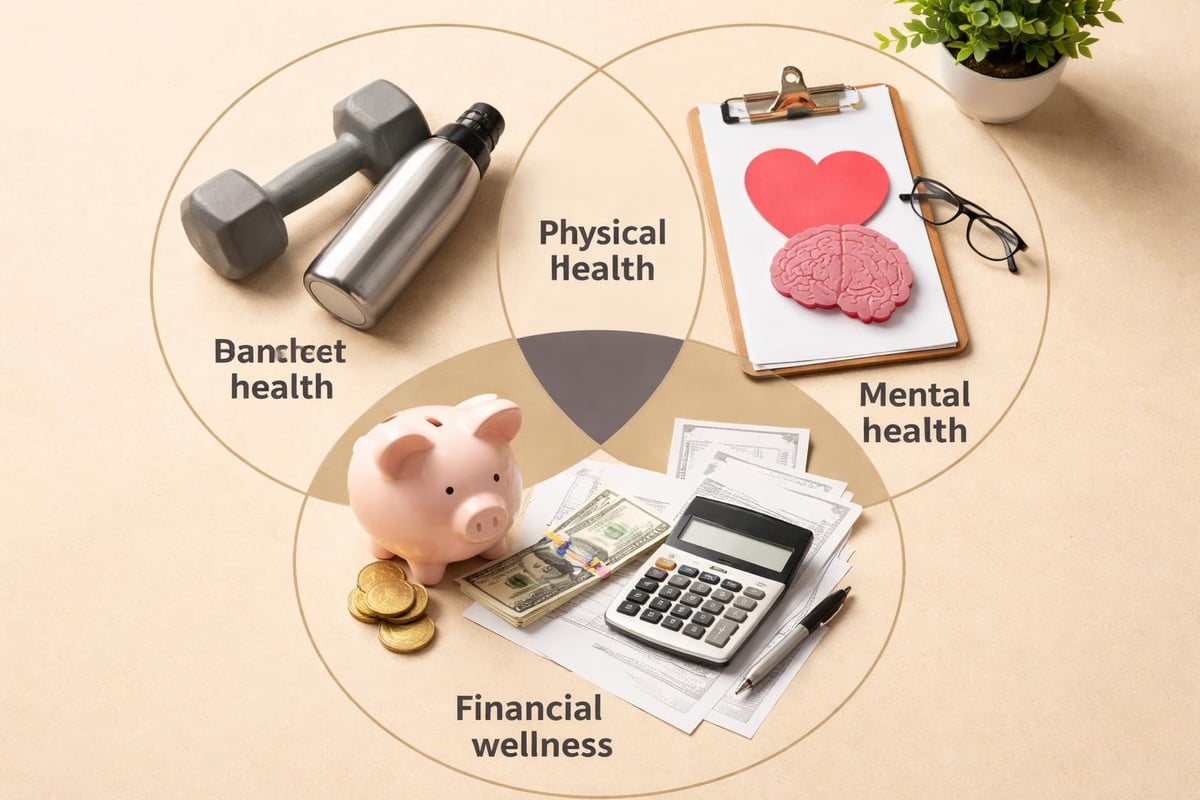
Comprehensive wellness initiatives significantly impact retention in organizations where financial compensation may not match for-profit alternatives. Effective programs address three critical dimensions:
- Physical health through preventive care, fitness incentives, and health screenings
- Mental health via counseling services, stress management resources, and work-life balance policies
- Financial wellness through retirement planning, student loan assistance, and financial education
Organizations investing in holistic employee wellness report 35-50% lower turnover rates and significantly higher job satisfaction scores. Strategic succession planning becomes particularly important in non-profits where institutional knowledge and donor relationships are critical organizational assets.
Volunteer Coordination Technologies
Volunteers represent both tremendous value and significant coordination challenges. Solutions designed for volunteer management enable organizations to:
- Match volunteer skills with organizational needs through intelligent scheduling
- Track volunteer hours for grants requiring in-kind contribution documentation
- Communicate schedule changes and opportunities through automated notifications
- Recognize and reward high-performing volunteers to encourage continued engagement
- Ensure compliance with background checks and training requirements
The most effective non-profit solutions integrate volunteer management with broader constituent relationship management, creating unified views of all stakeholder interactions.
Technology Infrastructure and Digital Presence
Modern non-profits must establish credible digital presences to attract donors, recruit volunteers, and demonstrate impact. Technology infrastructure forms the backbone of these capabilities.
Building Authoritative Online Brands
Establishing brand authority online requires consistent messaging, transparent communication, and demonstrated expertise. Non-profits should focus on:
- Publishing original research and impact data that showcases program effectiveness
- Maintaining active social media presence with authentic stakeholder stories
- Optimizing website content for search engines to improve discoverability
- Creating educational resources that position the organization as a thought leader
Organizations with strong digital authority attract significantly more online donations and volunteer applications than those with minimal web presence.
Verification and Authentication Solutions
Many non-profits offer discounted services or products to specific populations. Verification technologies enable organizations to confirm eligibility for student discounts, military benefits, or charitable assistance programs while protecting against fraud.
Implementing proper verification prevents revenue leakage from ineligible participants while maintaining positive constituent experiences through streamlined qualification processes.
Data-Driven Decision Making and Impact Measurement
Donors and grant-makers increasingly demand evidence of program effectiveness. Non-profit solutions must facilitate comprehensive data collection, analysis, and reporting.
Program Evaluation Frameworks
Robust evaluation systems track inputs, activities, outputs, and outcomes across all programs. Key components include:
- Baseline data collection establishing starting conditions before intervention
- Activity tracking documenting services delivered and participants served
- Short-term outcome measurement capturing immediate program effects
- Long-term impact assessment evaluating sustained change in target populations
- Cost-effectiveness analysis comparing investment to measurable results
| Evaluation Level | Measurement Focus | Reporting Frequency |
|---|---|---|
| Input | Resources invested | Monthly |
| Activity | Services delivered | Weekly |
| Output | Participants reached | Monthly |
| Short-term Outcome | Immediate behavior change | Quarterly |
| Long-term Impact | Sustained community effect | Annually |
Organizations with sophisticated evaluation capabilities secure funding more consistently because they demonstrate clear return on philanthropic investment.
Predictive Analytics for Strategic Planning
Advanced non-profit solutions leverage predictive analytics to forecast donation patterns, identify at-risk programs, and optimize resource allocation. Machine learning algorithms analyze historical data to:
- Predict which donors are most likely to increase giving
- Identify volunteers at risk of disengagement before they leave
- Forecast program demand to enable proactive capacity planning
- Optimize communication timing and channels for maximum response
- Detect early warning signs of financial sustainability challenges
The innovative open-source frameworks emerging in the non-profit sector demonstrate how technology advances continue expanding analytical capabilities available to mission-driven organizations.
Communication and Donor Engagement Platforms
Sustained donor relationships require consistent, personalized communication across multiple channels. Modern solutions enable sophisticated engagement strategies at scale.
Multi-Channel Communication Strategies
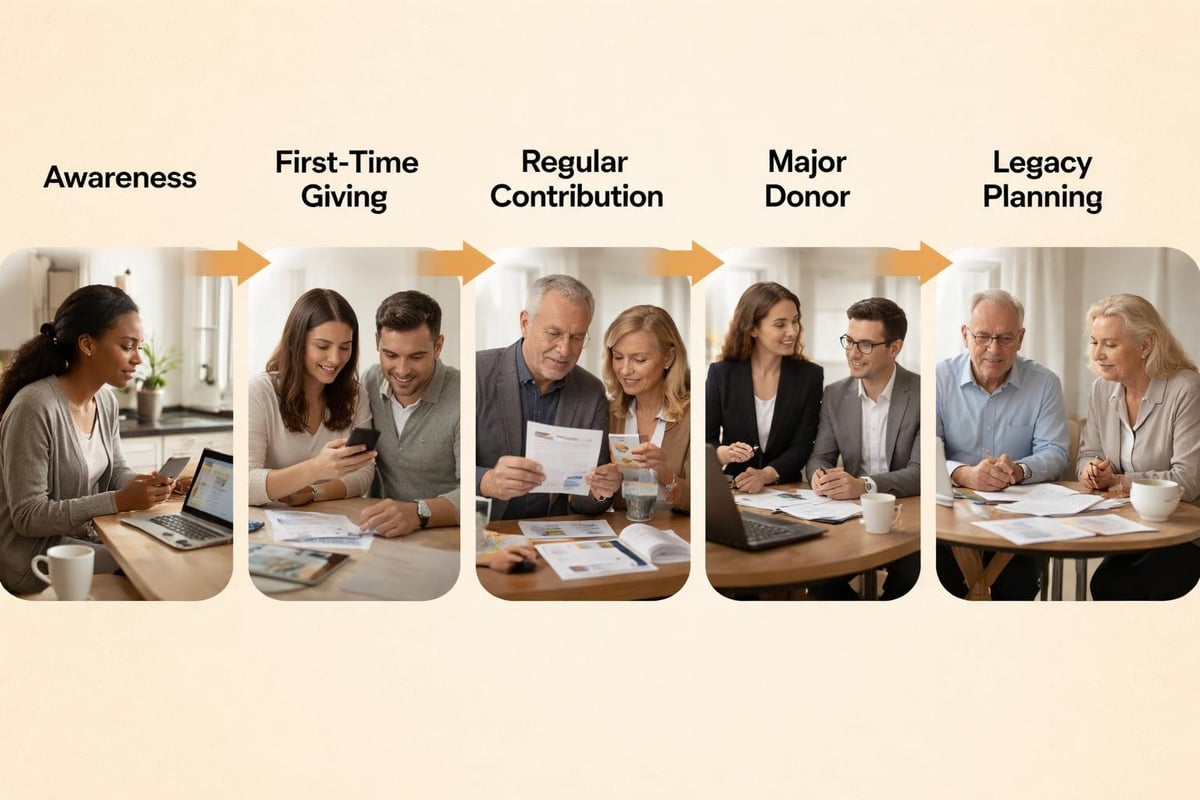
Effective donor engagement occurs across email, social media, direct mail, phone, and in-person interactions. Integrated communication platforms enable:
- Segmented messaging tailored to donor history, interests, and capacity
- Automated nurture campaigns that move prospects toward giving decisions
- Event management coordinating invitations, registrations, and follow-up
- Personalized acknowledgment recognizing contributions appropriately based on size and frequency
- Impact reporting demonstrating how donations translate to outcomes
Case studies of successful social media engagement illustrate how non-profits can leverage platforms like Twitter to build communities and drive action.
Constituent Relationship Management Systems
Comprehensive CRM systems designed for non-profits go beyond basic contact management to track:
- Complete giving history including one-time, recurring, and planned gifts
- Volunteer participation across different programs and time periods
- Event attendance and engagement levels at various activities
- Communication preferences and interaction history
- Family relationships and household giving capacity
- Board and committee involvement
Organizations using sophisticated CRM platforms report 40-60% improvements in donor retention rates because they can identify engagement patterns and intervene when relationships show signs of weakening.
Compliance, Security, and Risk Management
Non-profit solutions must address unique regulatory requirements and protect sensitive stakeholder information.
Regulatory Compliance Automation
Tax-exempt status requires meticulous record-keeping and reporting. Automated compliance systems ensure organizations meet requirements for:
- Annual IRS Form 990 preparation and filing
- State charitable solicitation registrations
- Donor acknowledgment letters meeting IRS guidelines
- Grant reporting according to specific funder requirements
- Board governance documentation and meeting minutes
Compliance automation reduces errors that could jeopardize tax-exempt status while freeing staff to focus on mission delivery rather than administrative paperwork.
Cybersecurity for Sensitive Data
Non-profits hold significant amounts of personally identifiable information about donors, clients, and volunteers. Protecting this data requires:
- Encrypted storage for all sensitive information
- Multi-factor authentication for system access
- Regular security audits and vulnerability assessments
- Staff training on phishing and social engineering threats
- Incident response plans for potential breaches
Organizations serving journalists, NGOs, and human rights defenders face elevated security risks and should consider specialized protective measures.
Strategic Consulting for Non-Profit Transformation
Implementing comprehensive solutions requires more than technology-it demands strategic planning, change management, and ongoing optimization. Professional consulting services for healthcare organizations can guide non-profits through transformation initiatives.
Assessment and Roadmap Development
Effective transformation begins with thorough organizational assessment examining:
- Current technology infrastructure and integration gaps
- Process efficiency and bottleneck identification
- Staff capabilities and training needs
- Financial health and revenue optimization opportunities
- Strategic alignment between operations and mission
Based on assessment findings, consultants develop phased implementation roadmaps that prioritize highest-impact improvements while managing organizational change capacity.
Performance-Based Implementation
Performance-based consulting aligns consultant incentives with organizational outcomes. Rather than charging solely for time spent, performance-based engagements tie compensation to measurable improvements in:
- Cost savings through process automation and efficiency gains
- Revenue increases from improved fundraising and program delivery
- Time reclamation measured in hours saved through workflow optimization
- Impact metrics demonstrating enhanced program effectiveness
This approach ensures consulting investments deliver tangible returns rather than simply producing reports that sit on shelves.
Organizations spanning multiple sectors, from SMBs championing mid-market growth to hospitality businesses optimizing employee experiences, benefit from similar transformation methodologies adapted to their specific contexts.
Resource Development and Financial Sustainability
Long-term viability requires diversified revenue streams and strategic resource development beyond traditional fundraising.
Earned Income Strategies
Many non-profits supplement donations and grants with earned income from:
- Fee-for-service programs where beneficiaries or third parties pay for services
- Product sales related to organizational mission
- Consulting or training services leveraging organizational expertise
- Facility rentals when space allows
- Social enterprise ventures that generate revenue while advancing mission
Historic site non-profits have pioneered innovative earned income approaches that balance preservation missions with financial sustainability.
Endowment and Planned Giving Programs
Building endowments creates permanent funding sources that generate investment income supporting operations indefinitely. Successful planned giving programs include:
- Bequest programs encouraging donors to include organizations in wills
- Charitable gift annuities providing income to donors while supporting the mission
- Charitable remainder trusts offering tax benefits and income streams
- Life insurance policies naming the organization as beneficiary
- Retirement account beneficiary designations facilitating tax-efficient giving
Organizations with mature planned giving programs often derive 15-25% of annual revenue from these sources, providing stability amid fluctuating annual fundraising results.
Collaboration and Partnership Ecosystems
No single organization can address complex social challenges alone. Non-profit solutions increasingly emphasize collaboration infrastructure enabling partnerships to flourish.
Collective Impact Initiatives
Collective impact brings together organizations, government agencies, businesses, and community members to address shared goals through:
- Common agenda development among all stakeholders
- Shared measurement systems tracking progress toward agreed outcomes
- Mutually reinforcing activities that leverage each organization's strengths
- Continuous communication among partners
- Backbone support organizations coordinating collaborative efforts
Technology platforms supporting collective impact enable data sharing, communication coordination, and impact measurement across partner organizations.
Resource Sharing and Administrative Collaboration
Smaller non-profits achieve economies of scale through shared services arrangements covering:
- Back-office functions like accounting, HR, and IT support
- Office space and equipment through co-location arrangements
- Fundraising databases and donor research tools
- Staff training and professional development programs
- Insurance and employee benefits purchasing consortiums
These collaborations allow organizations to access sophisticated non-profit solutions they couldn't afford independently while maintaining programmatic autonomy.
Implementing effective non-profit solutions transforms how mission-driven organizations operate, enabling them to maximize impact while ensuring long-term sustainability. Whether through process automation, revenue optimization, human capital management, or strategic technology deployment, modern approaches help non-profits achieve more with limited resources. Nero and Associates, Inc. partners with organizations across sectors to eliminate manual processes, optimize operations, and empower teams through performance-based consulting that delivers measurable results in cost savings, revenue growth, and organizational effectiveness.