

Organizations operating in 2026 face an increasingly complex landscape of employee compensation, regulatory compliance, and strategic workforce management. Understanding the full scope of legal benefits available to both employers and employees has become essential for maintaining competitive advantage while ensuring adherence to federal and state requirements. These protections and advantages extend far beyond basic salary considerations, encompassing everything from healthcare coverage to retirement planning, tax advantages, and employee wellness initiatives that directly impact organizational performance and sustainability.
Understanding the Foundation of Legal Benefits
Legal benefits represent a comprehensive framework of protections, advantages, and entitlements established by federal and state law. The definition encompasses various forms of compensation beyond regular wages, including insurance coverage, retirement contributions, paid leave, and educational assistance programs. These structured advantages serve dual purposes: protecting employees from financial hardship while providing employers with powerful tools for talent attraction and retention.
The modern interpretation of legal benefits has evolved significantly as workplace dynamics shift. Organizations now recognize that comprehensive benefit packages directly correlate with productivity, employee satisfaction, and long-term organizational health. This evolution has transformed benefits from mere compliance obligations into strategic investments in human capital.
Mandatory Versus Optional Benefits
Employers must navigate two distinct categories when structuring their compensation packages. Mandatory benefits include Social Security contributions, Medicare, unemployment insurance, and workers' compensation coverage. These non-negotiable requirements form the baseline protection for all employees.
Optional benefits expand significantly beyond minimum requirements:
- Health insurance plans
- Dental and vision coverage
- Retirement savings programs
- Life insurance policies
- Disability insurance
- Educational assistance
- Wellness programs
- Flexible spending accounts
Organizations that leverage optional benefits strategically position themselves as employers of choice in competitive talent markets. Human Capital Management solutions enable businesses to design, implement, and administer these complex benefit structures efficiently.

Tax Advantages and Financial Implications
The tax treatment of legal benefits creates substantial advantages for both employers and organizations. Many fringe benefits qualify for tax-free status, allowing employees to receive valuable compensation without increasing their taxable income. This characteristic makes benefits an exceptionally efficient form of compensation compared to equivalent salary increases.
For employers, qualified benefit expenditures typically represent tax-deductible business expenses. This dual advantage reduces the net cost of providing comprehensive benefits while maximizing employee value perception. Organizations that understand these mechanisms can structure compensation packages that optimize financial efficiency for all stakeholders.
Strategic Tax Planning Through Benefits
Health insurance premiums, retirement plan contributions, and certain educational assistance programs all qualify for preferential tax treatment. Employees can receive up to $5,250 annually in employer-provided educational assistance without tax consequences, creating opportunities for workforce development that benefit both parties.
| Benefit Type | Employee Tax Treatment | Employer Tax Treatment | Annual Limit (2026) |
|---|---|---|---|
| Health Insurance | Tax-free | Deductible | No limit |
| 401(k) Contributions | Tax-deferred | Deductible | $23,500 ($31,000 age 50+) |
| Educational Assistance | Tax-free | Deductible | $5,250 |
| Dependent Care FSA | Tax-free | Deductible | $5,000 |
| HSA Contributions | Tax-free | Deductible | $4,300 individual / $8,550 family |
These structured advantages demonstrate how legal benefits function as sophisticated financial planning tools. Organizations implementing comprehensive benefits strategies often discover significant cost savings compared to equivalent cash compensation approaches.
Compliance Requirements and Risk Management
Navigating the regulatory landscape surrounding legal benefits demands systematic attention to federal and state requirements. Employers must ensure employee benefit plan compliance with regulations including ERISA, the Affordable Care Act, COBRA, HIPAA, and various Department of Labor mandates. Non-compliance exposes organizations to substantial financial penalties, legal liability, and reputational damage.
The complexity of compliance increases with organizational size and geographic footprint. Multi-state employers face varied state-level requirements regarding paid leave, disability insurance, and healthcare coverage. This complexity necessitates robust administrative systems capable of tracking, documenting, and reporting benefit-related activities accurately.
Critical compliance elements include:
- Plan documentation and distribution
- Non-discrimination testing for qualified plans
- Form 5500 annual reporting
- Summary Plan Description delivery
- COBRA notification procedures
- HIPAA privacy protections
- ACA reporting requirements
Organizations facing compliance challenges benefit from automated solutions that integrate benefits administration with payroll, time tracking, and human resources functions. This integration reduces manual errors while ensuring consistent application of complex regulatory requirements across the workforce.
Healthcare-Specific Legal Benefits
Healthcare organizations encounter unique benefit considerations given their role as both providers and employers. Healthcare providers must optimize their revenue cycle management while simultaneously offering competitive benefits packages that attract clinical talent in competitive markets. This dual challenge requires sophisticated understanding of healthcare-specific regulations and reimbursement mechanisms.
Medical professionals often prioritize specific benefits including malpractice insurance, continuing education support, and flexible scheduling arrangements. Organizations serving this sector must structure benefit offerings that address these specialized needs while maintaining compliance with healthcare employment regulations.
Retirement and Long-Term Financial Security
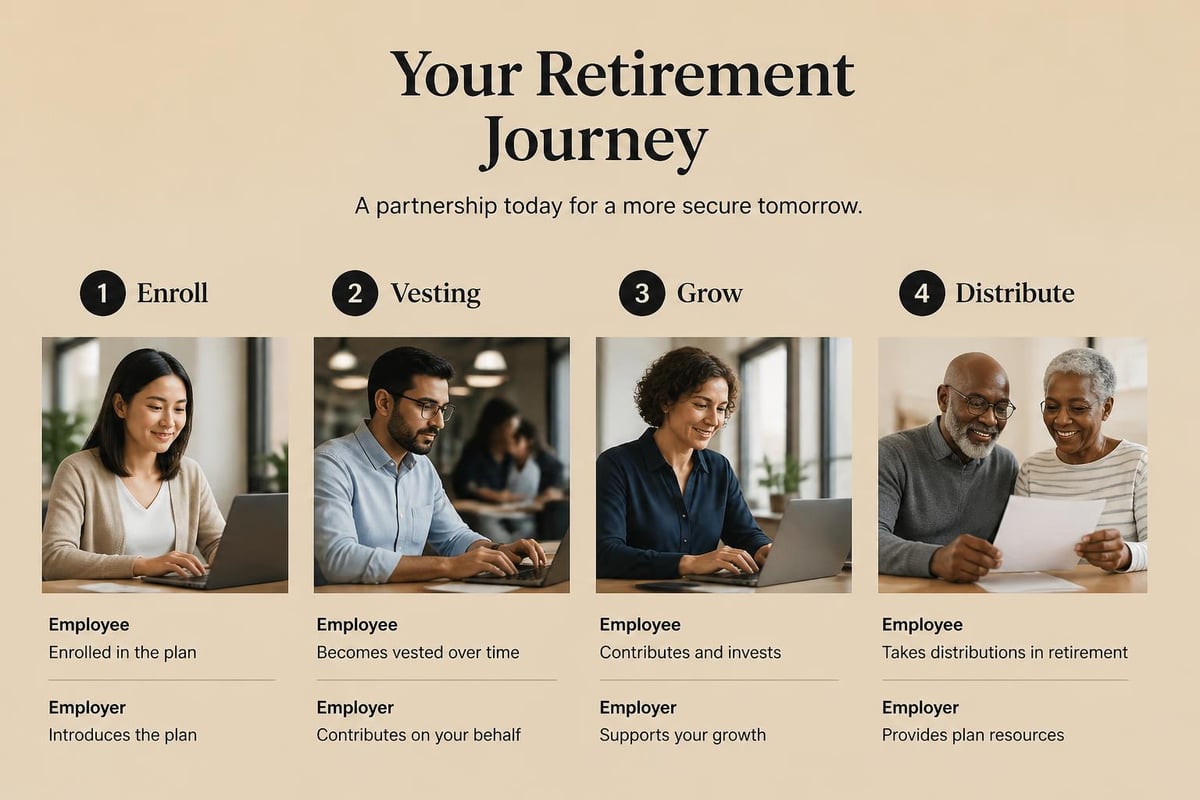
Pension and retirement benefits represent critical components of comprehensive legal benefits structures. These long-term financial security mechanisms take various forms, including defined benefit pension plans, 401(k) programs, 403(b) plans for nonprofit organizations, and simplified employee pension arrangements for smaller businesses.
The shift from traditional pension plans toward defined contribution models has transferred significant responsibility to employees for retirement planning. This evolution makes employer-provided matching contributions and educational resources increasingly valuable. Organizations offering generous matching formulas and comprehensive financial wellness programs demonstrate commitment to employee long-term prosperity.
Vesting Schedules and Employee Retention
Vesting requirements create powerful retention mechanisms within retirement benefit structures. While employee contributions always remain fully owned, employer matching contributions often vest according to scheduled timelines. Common vesting schedules include immediate vesting, three-year cliff vesting, or six-year graded vesting approaches.
These structured timelines encourage employee tenure while protecting organizational investments in workforce development. Organizations balancing competitive benefits with retention objectives carefully calibrate vesting schedules to align with strategic workforce planning goals.
Health and Wellness Program Benefits
Modern legal benefits increasingly encompass comprehensive wellness initiatives extending beyond traditional medical insurance. These programs address mental health, physical fitness, financial wellness, and preventive care through structured offerings that reduce healthcare costs while improving employee quality of life.
Financial wellness programs have gained particular prominence as organizations recognize the productivity impact of employee financial stress. Earned wage access programs represent innovative approaches to financial wellness, allowing employees to access earned wages before traditional pay periods without incurring predatory lending costs.
Comprehensive wellness benefits typically include:
- Employee Assistance Programs (EAP)
- Mental health counseling services
- Gym membership reimbursements
- Smoking cessation programs
- Weight management support
- Financial planning resources
- Stress management training
- Preventive health screenings
Organizations implementing holistic wellness approaches report measurable improvements in employee engagement, productivity, and healthcare cost management. These programs transform legal benefits from passive entitlements into active tools for organizational performance enhancement.
Measuring Wellness Program ROI
Quantifying wellness program effectiveness requires systematic tracking of participation rates, health outcomes, and cost metrics. Leading organizations establish baseline measurements before program implementation, then monitor changes in healthcare utilization, absenteeism, presenteeism, and employee satisfaction scores.
| Wellness Metric | Measurement Method | Target Improvement |
|---|---|---|
| Healthcare Costs | Claims data analysis | 10-15% reduction |
| Absenteeism | Time tracking systems | 20-25% reduction |
| Engagement Scores | Annual surveys | 15-20% increase |
| Biometric Markers | Health screenings | 30% participation |
| Program Participation | Platform analytics | 50%+ active users |
These measurement frameworks enable data-driven optimization of wellness investments, ensuring legal benefits deliver measurable organizational value beyond compliance requirements.
Integration with Broader Organizational Strategy
Strategic organizations view legal benefits as integral components of comprehensive talent management and operational excellence initiatives. Benefits administration intersects with payroll processing, time and attendance tracking, compliance management, and financial planning across the enterprise. This interconnection demands integrated technology platforms capable of managing complex data relationships while maintaining accuracy and regulatory compliance.
Automation and integration solutions eliminate manual processes that consume thousands of hours annually while introducing error risk. Modern platforms centralize employee data, automate compliance reporting, and provide real-time analytics supporting strategic decision-making. These technological capabilities transform benefits administration from administrative burden into strategic advantage.
Organizations serving diverse industries face unique benefit considerations. Small and mid-market businesses often struggle with limited administrative resources while competing against larger employers for talent. Strategic benefits design and efficient administration become differentiating factors in talent markets.

Industry-Specific Considerations
Different sectors face unique legal benefits challenges requiring tailored approaches. Healthcare organizations balance clinical staffing needs with complex regulatory requirements. Hospitality businesses manage high-turnover workforces requiring efficient onboarding and benefits enrollment processes. Nonprofit organizations maximize mission impact while offering competitive benefits within budget constraints.
Understanding industry-specific dynamics enables benefits strategies aligned with workforce characteristics and business models. Organizations operating across multiple industries benefit from flexible platforms accommodating diverse requirements while maintaining centralized oversight and reporting capabilities.
Communication and Employee Education
Even comprehensive legal benefits packages fail to deliver value when employees don't understand or utilize available offerings. Effective communication strategies ensure workforce awareness, comprehension, and engagement with benefit programs. This communication challenge intensifies as benefit complexity increases and workforce demographics diversify.
Successful benefits communication employs multiple channels:
- Annual open enrollment campaigns
- New hire orientation programs
- Ongoing educational webinars
- Digital benefits portals
- Personalized benefits statements
- Decision support tools
- One-on-one counseling sessions
Modern employees expect digital-first experiences with mobile accessibility, intuitive interfaces, and personalized recommendations. Benefits platforms incorporating these capabilities improve enrollment accuracy while reducing administrative support requirements. Organizations investing in superior communication infrastructure realize higher benefit utilization rates and improved employee satisfaction scores.
Personalization and Life Event Management
Individual circumstances dramatically impact benefit value and relevance. Life events including marriage, childbirth, adoption, divorce, and death trigger special enrollment periods and benefit modifications. Understanding how various life events affect legal rights and benefits enables organizations to support employees through significant transitions while ensuring compliance with continuation coverage and qualifying event requirements.
Proactive life event management systems notify employees of available options, guide them through selection processes, and automatically update coverage effective dates. These automated workflows reduce administrative burden while ensuring employees access appropriate protections during critical life transitions.
Cost Management and Budget Optimization
Legal benefits represent substantial organizational expenditures, typically comprising 30-40% of total compensation costs. Strategic cost management balances competitive offerings with financial sustainability through plan design optimization, vendor negotiations, and data-driven decision-making. Organizations implementing sophisticated cost management approaches maintain generous benefits while controlling expense growth.
Self-funded health insurance arrangements provide larger employers with cost management flexibility and claims data transparency. These structures require careful risk assessment and stop-loss coverage but enable customized plan designs aligned with workforce health characteristics. Smaller organizations typically benefit from fully-insured arrangements providing predictable costs and reduced administrative complexity.
Cost containment strategies include:
- High-deductible health plans with HSA options
- Narrow network designs
- Telemedicine services
- Prescription drug formulary management
- Preventive care incentives
- Dependent eligibility audits
- Voluntary benefit offerings
Organizations achieving optimal cost-benefit balance regularly analyze utilization patterns, benchmark against industry standards, and adjust plan designs based on workforce needs and financial constraints. This continuous improvement approach ensures legal benefits remain competitive and sustainable over time.
Future Trends and Emerging Considerations
The legal benefits landscape continues evolving in response to workforce expectations, regulatory changes, and technological innovation. Remote work normalization has expanded benefit considerations beyond traditional offerings to include home office stipends, technology allowances, and mental health support addressing isolation and burnout. Organizations adapting benefit structures to accommodate distributed workforces maintain competitive positioning in talent markets.
Artificial intelligence and machine learning increasingly influence benefits administration through predictive analytics, personalized recommendations, and automated compliance monitoring. These technologies enable proactive identification of cost drivers, optimization opportunities, and compliance risks before they materialize into significant problems.
Legislative developments at federal and state levels continue reshaping legal benefits requirements. Organizations must monitor proposed regulations addressing paid family leave, prescription drug costs, mental health parity, and retirement security. Proactive compliance strategies anticipate regulatory changes rather than reacting after implementation deadlines.
Understanding and optimizing legal benefits structures requires balancing regulatory compliance, financial efficiency, and strategic workforce management objectives. Organizations that view benefits as strategic investments rather than administrative obligations gain measurable advantages in talent attraction, employee retention, and overall organizational performance. Nero and Associates, Inc. partners with organizations to design, implement, and optimize comprehensive benefits strategies that reduce costs, eliminate manual processes, and empower employees to achieve mental, physical, and financial wellness. Our performance-based approach ensures your benefits investments deliver measurable returns while supporting your broader business objectives.