
Managing employee benefits has evolved from a simple administrative task into a strategic function that directly impacts organizational success. Companies today recognize that benefits administration serves as a critical bridge between employee wellbeing and business performance. When executed effectively, it reduces administrative burden, ensures regulatory compliance, and creates meaningful value for both employers and employees. The complexity of modern benefits programs demands sophisticated approaches that leverage technology, data analytics, and strategic planning to deliver optimal results.
Understanding the Core Components of Benefits Administration
Benefits administration encompasses the entire lifecycle of employee benefit programs, from initial selection and enrollment through ongoing management and optimization. This comprehensive process includes health insurance, retirement plans, wellness programs, paid time off, disability coverage, and supplementary benefits that support employee financial and physical wellbeing.
The foundation of successful benefits administration rests on several key pillars. First, organizations must establish clear policies that outline eligibility requirements, enrollment procedures, and coverage details. Second, they need robust systems to manage data accurately and securely. Third, effective communication channels ensure employees understand and maximize their benefits. Finally, ongoing monitoring and evaluation enable continuous improvement and adaptation to changing workforce needs.
Strategic Value Beyond Compliance
While regulatory compliance remains essential, modern benefits administration delivers strategic advantages that extend far beyond meeting legal requirements. Organizations that excel in this area report higher employee retention rates, improved productivity, and enhanced employer brand reputation. These outcomes stem from creating benefits packages that genuinely address employee needs while aligning with organizational objectives.
Key strategic benefits include:
- Enhanced talent acquisition and retention capabilities
- Improved employee engagement and satisfaction scores
- Reduced administrative costs through automation and integration
- Better risk management and compliance assurance
- Data-driven insights for workforce planning decisions
Technology's Role in Modern Benefits Administration
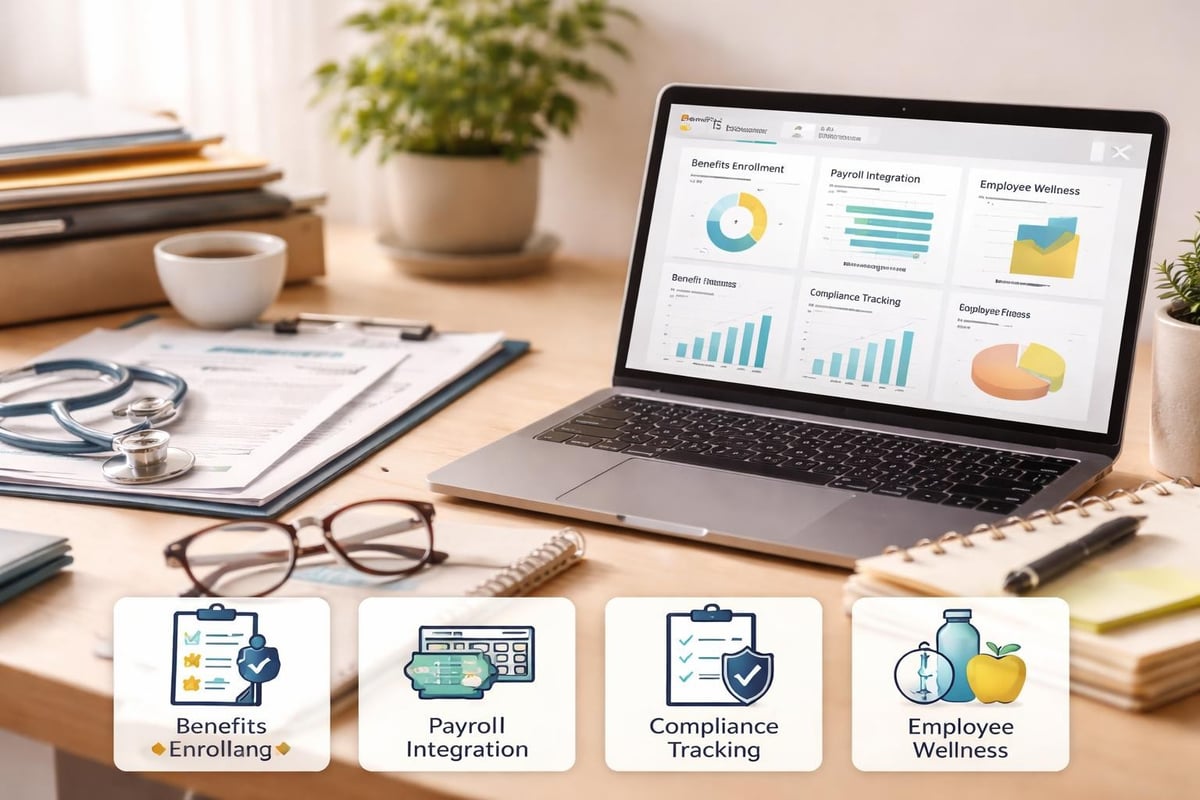
Digital transformation has revolutionized how organizations approach benefits administration. Cloud-based platforms now automate tasks that once consumed countless hours of manual effort, from enrollment processing to compliance reporting. These technological solutions integrate seamlessly with payroll systems, HRIS platforms, and financial management tools to create unified ecosystems that enhance accuracy and efficiency.
Artificial intelligence and machine learning algorithms analyze benefits utilization patterns, predict future trends, and recommend optimizations that reduce costs while improving employee satisfaction. Automated workflows handle routine tasks like eligibility verification, premium calculations, and notification delivery. This comprehensive guide to benefits administration explores how technology supports ongoing program evaluation and optimization.
Integration and Automation Advantages
The integration of benefits administration systems with other business platforms eliminates data silos and reduces error rates. When employee information flows automatically between systems, organizations eliminate duplicate data entry, minimize discrepancies, and accelerate processing times.
| Integration Type | Primary Benefit | Impact on Efficiency |
|---|---|---|
| Payroll Systems | Automated premium deductions | Reduces processing time by 70% |
| HRIS Platforms | Unified employee data management | Eliminates 90% of data entry errors |
| Wellness Programs | Real-time participation tracking | Increases program engagement by 45% |
| Financial Planning Tools | Comprehensive benefits analysis | Improves decision-making accuracy |
Automation extends beyond basic data processing to include intelligent decision support. Modern platforms provide personalized benefits recommendations based on employee demographics, life events, and historical preferences. This level of customization helps employees select coverage that truly meets their needs while optimizing organizational costs.
Navigating Compliance and Regulatory Requirements
The regulatory landscape surrounding employee benefits continues to grow more complex each year. Organizations must comply with federal regulations like ERISA, COBRA, HIPAA, and the Affordable Care Act, along with various state and local requirements. Failure to maintain compliance exposes companies to significant financial penalties, legal liability, and reputational damage.
Effective benefits administration systems incorporate compliance monitoring features that track regulatory changes, alert administrators to required actions, and maintain comprehensive audit trails. These capabilities prove invaluable during regulatory reviews and help organizations demonstrate adherence to legal requirements.
Common Compliance Challenges
Many organizations struggle with specific aspects of benefits compliance. Common mistakes to avoid in benefits administration include inadequate documentation, missed filing deadlines, and insufficient employee communication about rights and responsibilities.
Critical compliance areas requiring attention:
- Timely distribution of required notices and disclosures
- Accurate reporting to government agencies
- Proper handling of qualifying life events
- Maintenance of required documentation and records
- Regular non-discrimination testing for retirement plans
- COBRA administration and notification procedures
Professional consultants specializing in human capital management bring expertise that helps organizations navigate these complexities efficiently. Their knowledge of regulatory requirements, combined with best practice implementation strategies, reduces compliance risk while optimizing administrative processes.

Employee Communication and Engagement Strategies
Even the most comprehensive benefits package delivers limited value if employees don't understand or utilize available offerings. Successful benefits administration prioritizes clear, consistent communication through multiple channels and formats. This multi-faceted approach ensures information reaches all employees regardless of their preferred communication style or technical proficiency.
Organizations should develop year-round communication strategies rather than limiting benefits discussions to open enrollment periods. Regular updates about program changes, wellness opportunities, and benefit optimization tips keep benefits top-of-mind and encourage active participation. Effective benefits administration through clear communication helps organizations maintain accurate records while improving employee satisfaction.
Multi-Channel Communication Approaches
Different employees prefer different communication methods. Some respond best to digital platforms, while others value face-to-face interactions or printed materials. Successful programs incorporate diverse channels to maximize reach and comprehension.
- Email campaigns highlighting specific benefits and enrollment deadlines
- Mobile apps providing on-demand access to benefits information
- In-person enrollment sessions for complex benefit decisions
- Video tutorials explaining plan options and comparison tools
- Printed materials for employees without regular digital access
- One-on-one consultations for personalized guidance
The most effective communication strategies segment messages based on employee demographics, life stages, and benefit needs. New parents receive information about family coverage and dependent care accounts, while employees approaching retirement get targeted communications about retirement planning resources and Medicare coordination.
Cost Management and Financial Optimization
Benefits typically represent one of the largest line items in organizational budgets, often accounting for 30-40% of total compensation costs. Strategic benefits administration identifies opportunities to control expenses while maintaining or enhancing value for employees. This balance requires careful analysis of utilization patterns, vendor performance, and market trends.
Data analytics play a crucial role in cost optimization efforts. By examining claims data, participation rates, and employee demographics, organizations identify high-cost areas and develop targeted interventions. Wellness programs that address prevalent health conditions, consumer-driven health plans that encourage cost-conscious decisions, and voluntary benefits that transfer costs to employees all contribute to more sustainable cost structures.
Vendor Management and Negotiation
Benefits administration involves coordinating relationships with multiple vendors, including insurance carriers, third-party administrators, wellness providers, and technology platforms. Effective vendor management ensures service quality, competitive pricing, and contractual compliance.
| Vendor Category | Evaluation Criteria | Optimization Strategy |
|---|---|---|
| Insurance Carriers | Claims processing speed, customer service ratings, premium trends | Annual competitive bidding, performance guarantees |
| Technology Platforms | System uptime, integration capabilities, user experience | Multi-year contracts with service level agreements |
| Wellness Providers | Participation rates, health outcomes, engagement metrics | Performance-based pricing, outcome measurement |
| Third-Party Administrators | Accuracy rates, turnaround times, compliance support | Regular audits, continuous improvement requirements |
Regular vendor reviews assess performance against established benchmarks and identify opportunities for improvement or replacement. This proactive approach prevents complacency and ensures organizations receive optimal value from their benefits investments.
Measuring Success and Continuous Improvement
Effective benefits administration requires ongoing measurement and refinement based on quantifiable metrics. Organizations should establish key performance indicators that align with strategic objectives and track progress consistently. These metrics provide insights into program effectiveness, employee satisfaction, and operational efficiency.
Essential benefits administration metrics include:
- Employee participation rates by benefit category
- Time required for enrollment processing and changes
- Accuracy rates for benefits data and premium calculations
- Employee satisfaction scores from benefits surveys
- Cost per employee for benefits administration
- Compliance audit findings and corrective actions
- Return on investment for wellness and voluntary programs
Data from these metrics inform strategic decisions about program design, technology investments, and communication strategies. Organizations that embrace data-driven approaches consistently outperform those relying on intuition or historical precedent. Strategic support through benefits administration demonstrates how leveraging technology and analytics creates value for both employers and employees.

Implementation Best Practices for System Transitions
Organizations upgrading or implementing new benefits administration systems face unique challenges that require careful planning and execution. Successful transitions minimize disruption to employees and administrators while maximizing the value of new capabilities. Five tips for successful benefits administration implementation emphasize planning with providers and effective change communication.
The implementation process typically spans several months and involves multiple stakeholders across HR, IT, finance, and operations. Project teams should develop detailed timelines, assign clear responsibilities, and establish regular checkpoints to monitor progress. Data migration represents one of the most critical phases, requiring validation to ensure accuracy and completeness.
Change Management Considerations
Technology changes succeed or fail based on user adoption rates. Comprehensive change management programs prepare employees and administrators for new systems through training, support resources, and ongoing assistance.
Change management components:
- Executive sponsorship demonstrating organizational commitment
- Detailed training programs for administrators and employees
- Pilot testing with representative user groups
- Phased rollout approaches that allow for adjustments
- Dedicated support resources during transition periods
- Feedback mechanisms to capture and address concerns
Organizations should plan for temporary productivity decreases during initial implementation phases while users acclimate to new systems. Building buffer time into project schedules and maintaining backup processes ensures business continuity throughout transitions.
The Future of Benefits Administration
Emerging trends continue reshaping benefits administration practices and expectations. Personalization represents a significant shift, with employees increasingly expecting benefits packages tailored to their individual circumstances and preferences. Artificial intelligence enables this customization at scale, analyzing individual situations and recommending optimal benefit selections.
Mental health support has gained prominence as organizations recognize the connection between psychological wellbeing and productivity. Comprehensive benefits programs now incorporate mental health services, stress management resources, and work-life balance initiatives. Financial wellness programs similarly address employee concerns about debt, savings, and retirement readiness through education, counseling, and planning tools.
The rise of remote and hybrid work arrangements introduces new considerations for benefits administration. Organizations must ensure equitable access to benefits regardless of work location while addressing unique needs of distributed workforces. Virtual care options, flexible spending accounts for home office expenses, and location-independent wellness programs reflect this evolution.
Integration with Broader Business Objectives
Forward-thinking organizations recognize benefits administration as an integral component of overall business strategy rather than an isolated HR function. This integration connects benefits decisions to workforce planning, talent management, and organizational culture initiatives. When benefits programs align with company values and strategic goals, they reinforce desired behaviors and outcomes while supporting business success.
Performance-based approaches to benefits administration focus on measurable results rather than simply administering programs. This philosophy emphasizes continuous improvement, data-driven decision-making, and strategic alignment with organizational objectives. Companies adopting this mindset view benefits as investments that generate returns through improved employee performance, reduced turnover, and enhanced organizational capabilities.
Effective benefits administration transforms employee benefits from an administrative burden into a strategic asset that drives organizational success and employee wellbeing. By leveraging technology, maintaining compliance vigilance, prioritizing clear communication, and embracing data-driven optimization, organizations create benefits programs that deliver measurable value. Nero and Associates, Inc. helps organizations eliminate thousands of hours of manual benefits administration processes through intelligent automation and integration while empowering employees to be proactive with their health and financial wellness. Our performance-based consultancy delivers solutions that save costs, save time, and improve operational efficiency across your entire benefits ecosystem.