

Claims Data: Unlocking Healthcare Insights for 2026

Share on Facebook
Share on X
Share on LinkedIn

Healthcare organizations today face unprecedented pressure to control costs while improving patient outcomes. At the center of this challenge lies a powerful yet often underutilized resource: the vast repositories of information generated every time a patient receives care and an insurance claim is processed. This data holds the key to understanding utilization patterns, identifying inefficiencies, and making evidence-based decisions that can transform organizational performance. For consultancies focused on operational excellence and revenue optimization, mastering the analysis and application of this information has become essential to delivering measurable value to clients.

Understanding the Foundation of Healthcare Information

Claims data represents the digital record of every healthcare transaction processed through insurance systems. Each time a patient visits a doctor, fills a prescription, or receives hospital care, detailed information flows into databases maintained by insurance companies, government payers, and healthcare providers.

The core components include:

  • Patient demographics and insurance coverage details
  • Provider information including facility and practitioner identifiers
  • Diagnosis codes documenting medical conditions
  • Procedure codes describing services rendered
  • Payment amounts and reimbursement details
  • Date of service and claim processing timestamps

Components of healthcare claims data

The National Library of Medicine provides comprehensive documentation about the structure and characteristics of this information, emphasizing both its strengths and limitations for analytical purposes. Understanding these nuances becomes critical when organizations seek to leverage this resource for strategic decision-making.

The Evolution of Data Collection Systems

Healthcare information systems have transformed dramatically over the past two decades. What once existed as paper forms and manual processing has evolved into sophisticated electronic systems capable of capturing millions of transactions daily. This digital transformation has created unprecedented opportunities for organizations to analyze patterns, identify trends, and optimize operations.

Modern systems now integrate multiple data sources, creating comprehensive views of patient journeys and financial performance. The shift from fragmented records to unified databases enables healthcare analytics that can drive meaningful improvements in both clinical and business outcomes.

Strategic Applications in Revenue Cycle Management

Organizations specializing in healthcare revenue cycle optimization recognize that this transactional data serves as the foundation for identifying underpayments, reducing denials, and accelerating cash flow. Every claim tells a story about operational efficiency, and patterns within these stories reveal opportunities for improvement.

Application Area Key Metrics Business Impact
Denial Management Denial rate, appeal success rate Reduced revenue leakage
Payment Accuracy Underpayment frequency, variance analysis Increased collections
Coding Optimization Code specificity, compliance scores Maximum reimbursement
Process Efficiency Days in AR, claim submission time Improved cash flow

Sophisticated analysis reveals where manual processes create bottlenecks and where automation can eliminate thousands of hours of repetitive work. For example, pattern recognition algorithms can identify systematic underpayments from specific payers, enabling organizations to efficiently recover underpayments for healthcare providers through targeted intervention strategies.

Automating Claims Analysis for Maximum Impact

The volume of transactions processed by mid-sized healthcare organizations exceeds what manual review can effectively manage. A typical hospital might process 50,000 claims monthly, each containing dozens of data elements. Traditional approaches to quality assurance review only small samples, potentially missing significant revenue opportunities.

Artificial intelligence and machine learning technologies now enable comprehensive analysis of every transaction. These systems identify anomalies, flag potential underpayments, and prioritize accounts for follow-up based on likelihood of recovery and potential financial impact.

Key automation capabilities include:

  1. Real-time claim scrubbing before submission to reduce denial rates
  2. Predictive analytics identifying claims at high risk for rejection
  3. Automated appeals generation for denied claims with supporting documentation
  4. Payment variance detection comparing actual reimbursement to expected amounts
  5. Trend analysis revealing systemic issues requiring process correction

Organizations implementing these automated solutions typically eliminate 70-80% of manual review time while simultaneously improving recovery rates by 15-25%. This dual benefit of cost reduction and revenue enhancement exemplifies the power of properly leveraged healthcare data.

Population Health and Cost Management Insights

Beyond revenue cycle applications, claims data provides invaluable insights into population health patterns and cost drivers. Employers offering health benefits, managed care organizations, and government agencies analyze this information to understand utilization trends, identify high-cost populations, and design targeted intervention programs.
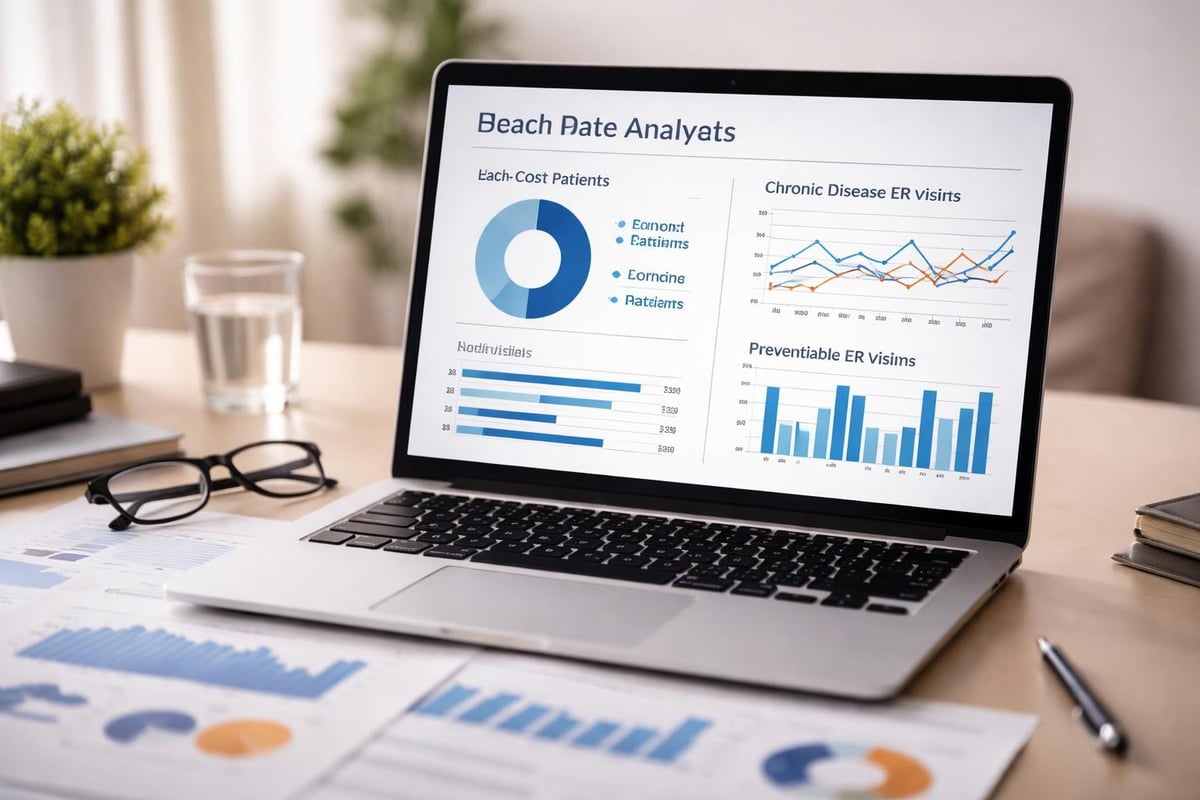
Population health analysis workflow

The concept of All-Payer Claims Databases has gained significant traction, with multiple states establishing comprehensive repositories that aggregate information across all payers. These databases enable researchers and policymakers to analyze healthcare costs and utilization patterns across entire populations, revealing insights impossible to obtain from single-payer datasets.

Identifying High-Cost Populations

Analysis consistently demonstrates that a small percentage of any covered population drives the majority of healthcare costs. Typically, 5% of members account for 50% of total spending, while 1% may represent 20-25% of costs. Understanding who comprises these high-cost cohorts and why they incur such expenses enables targeted intervention.

Common high-cost population characteristics include:

  • Multiple chronic conditions requiring ongoing management
  • Recent catastrophic events such as heart attacks or strokes
  • Behavioral health conditions combined with physical illness
  • Inadequate primary care leading to preventable emergency department visits
  • Medication non-adherence resulting in complications

By identifying these individuals early and connecting them with appropriate case management, care coordination, or wellness programs, organizations can materially impact both health outcomes and costs. Research published through Nature Research Intelligence demonstrates the effectiveness of claims-based algorithms in predicting future high-cost episodes and enabling proactive intervention.

Enhancing Employee Wellness Programs

Forward-thinking organizations recognize that employee health directly impacts productivity, absenteeism, and healthcare costs. Claims data analysis enables Human Capital Management teams to design wellness programs that address actual employee health needs rather than generic interventions that may miss the mark.

Aggregate analysis of employee populations reveals prevalent conditions, utilization patterns, and unmet healthcare needs. This intelligence guides strategic decisions about:

  • Preventive care initiatives targeting conditions most prevalent in the workforce
  • Mental health resources addressing behavioral health utilization patterns
  • Chronic disease management programs for diabetes, hypertension, and other common conditions
  • Benefits design optimization ensuring coverage aligns with actual employee needs
  • Health education campaigns focused on identified gaps in preventive care
Wellness Strategy Data Insight Required Expected Outcome
Diabetes Prevention Pre-diabetic population size Reduced chronic disease incidence
Mental Health Support Behavioral health utilization rates Improved employee wellbeing
Preventive Screening Gap analysis for recommended screenings Earlier disease detection
Medication Adherence Prescription fill patterns Better chronic condition control

Organizations implementing data-driven wellness programs report 25-40% improvement in employee engagement with health initiatives and measurable reductions in healthcare cost trends. These programs empower employees to be proactive about their physical and mental health, creating a culture of wellness that extends beyond simple benefits administration.

Privacy and Compliance Considerations

Healthcare information contains sensitive personal details protected by extensive regulations. Organizations analyzing this data must maintain strict compliance with the Health Insurance Portability and Accountability Act (HIPAA) and related state privacy laws.

Essential compliance measures include:

  1. De-identification of personal health information for analysis
  2. Secure data storage with encryption and access controls
  3. Business associate agreements with all vendors processing data
  4. Regular audits of data handling procedures
  5. Employee training on privacy requirements

Professional consultancies specializing in healthcare analytics implement comprehensive data governance frameworks ensuring both analytical value and regulatory compliance. This dual focus protects organizations from potential violations while enabling the insights necessary for operational improvement.

Integration with Electronic Health Records

The most powerful healthcare analytics emerge when claims data combines with clinical information from Electronic Health Records (EHR). While claims reveal what services were billed and paid, EHRs contain detailed clinical notes, laboratory results, vital signs, and other information essential for comprehensive understanding.

Research exploring the integration of electronic health records and claims data demonstrates how this combination enhances pharmacoepidemiology research and enables more sophisticated analysis of treatment effectiveness and patient outcomes. The linked datasets provide both the "what" of healthcare delivery and the "why" behind clinical decisions.
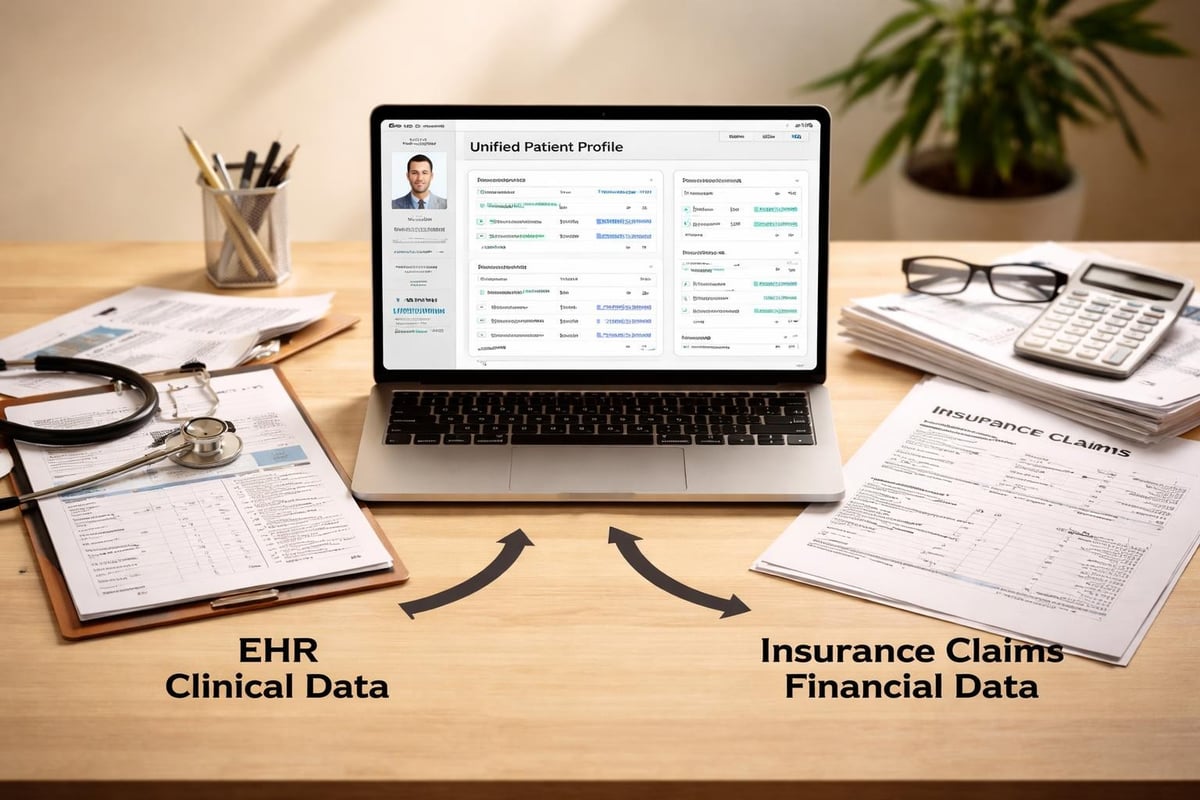
EHR and claims data integration

Organizations pursuing this integration face technical challenges including data standardization, identity matching, and system interoperability. However, the analytical benefits justify the investment. Combined datasets enable:

  • Quality measure calculation using both clinical and administrative data
  • Risk adjustment models incorporating detailed clinical variables
  • Treatment pathway analysis tracking patient journeys across care settings
  • Outcomes research linking interventions to measurable results
  • Predictive modeling for readmissions and complications

Healthcare systems implementing integrated analytics platforms report significant improvements in care coordination, population health management, and financial performance. These organizations position themselves to succeed in value-based care models that reward outcomes rather than volume.

Economic Research and Cost-Effectiveness Analysis

Healthcare economists and researchers leverage claims information to conduct sophisticated analyses of treatment costs and comparative effectiveness. This research published in journals such as studies on cost-effectiveness research methodologies informs both clinical guidelines and coverage decisions by payers.

Understanding the total cost of care for specific conditions enables organizations to:

  • Compare treatment approaches based on both clinical and economic outcomes
  • Identify opportunities for care pathway optimization
  • Negotiate value-based contracts with providers
  • Design benefits that incentivize cost-effective care choices
  • Project future healthcare spending based on demographic trends

Cost analysis considerations include:

  • Direct medical costs captured in claims payments
  • Indirect costs including lost productivity and absenteeism
  • Episode grouping methodology for comparing treatment approaches
  • Risk adjustment to ensure fair comparisons across populations
  • Time horizon for evaluating long-term cost implications

Organizations specializing in achieving growth and efficiency in operations recognize that healthcare represents one of the largest expense categories for most businesses. Data-driven approaches to managing these costs create significant bottom-line impact while maintaining or improving employee satisfaction with benefits.

Operational Excellence Through Data Intelligence

The transformation of raw transactional data into actionable business intelligence requires sophisticated analytical capabilities, domain expertise, and technology infrastructure. Organizations developing these competencies gain competitive advantages through improved decision-making, operational efficiency, and strategic planning.

Key components of analytical excellence include:

  1. Data infrastructure capable of processing millions of records efficiently
  2. Analytical talent combining healthcare domain knowledge with technical skills
  3. Visualization tools making complex information accessible to decision-makers
  4. Governance frameworks ensuring data quality and regulatory compliance
  5. Continuous improvement processes refining analytical methods based on results

The investment in analytical capabilities pays dividends across multiple organizational functions. Finance teams gain visibility into revenue cycle performance, identifying opportunities similar to those discovered through maximizing B2B growth by identifying hidden opportunities. Human resources departments design benefits programs based on actual utilization rather than assumptions. Clinical leadership tracks quality metrics and identifies improvement opportunities.

Measuring Return on Investment

Organizations implementing advanced analytics for healthcare data should establish clear metrics for measuring return on investment. While some benefits like improved employee health manifest over years, others deliver immediate financial impact.

ROI Category Measurement Approach Typical Timeline
Revenue Recovery Underpayment identification and collection 30-90 days
Denial Reduction Decrease in claim rejection rates 90-180 days
Process Efficiency Hours saved through automation Immediate
Cost Trend Management Year-over-year healthcare cost changes 12-24 months
Employee Health Outcomes Chronic disease prevalence and control 18-36 months

Performance-based consultancies measure success through these tangible outcomes, ensuring that analytical investments deliver measurable value. This accountability-driven approach aligns consultant incentives with client objectives, creating partnerships focused on results rather than activities.

Future Trends in Healthcare Data Analytics

The healthcare data landscape continues evolving rapidly as technology advances and new data sources emerge. Organizations positioning themselves to leverage these trends will gain significant competitive advantages in coming years.

Emerging trends include:

  • Artificial intelligence applications for predictive modeling and pattern recognition
  • Real-time analytics enabling immediate intervention rather than retrospective analysis
  • Consumer-generated health data integration from wearables and mobile apps
  • Social determinants of health incorporation for comprehensive population understanding
  • Blockchain technology for secure data sharing across organizations
  • Natural language processing extracting insights from unstructured clinical notes

Organizations building flexible analytical architectures can incorporate these innovations as they mature, continuously enhancing their capabilities. The key lies in establishing strong foundational competencies while remaining adaptable to technological change.

Claims data represents far more than historical transaction records. When properly analyzed and applied, this information drives strategic decision-making, operational improvements, and measurable business results across healthcare and benefits management functions.


Healthcare organizations seeking to maximize the value of their data face both tremendous opportunities and significant challenges. The complexity of healthcare information, combined with regulatory requirements and technical integration needs, requires specialized expertise and proven methodologies. Nero and Associates, Inc. partners with organizations to transform raw data into actionable intelligence that reduces costs, eliminates manual processes, and improves employee health outcomes. Our performance-based approach ensures that analytical investments deliver measurable returns through increased revenue, operational efficiency, and workforce wellness.

Claims Data: Unlocking Healthcare Insights for 2026

Healthcare organizations today face unprecedented pressure to control costs while improving patient outcomes. At the center of this challenge lies a powerful yet often underutilized resource: the vast repositories of information generated every time a patient receives care and an insurance claim is processed. This data holds the key to understanding utilization patterns, identifying inefficiencies, and making evidence-based decisions that can transform organizational performance. For consultancies focused on operational excellence and revenue optimization, mastering the analysis and application of this information has become essential to delivering measurable value to clients.

Understanding the Foundation of Healthcare Information

Claims data represents the digital record of every healthcare transaction processed through insurance systems. Each time a patient visits a doctor, fills a prescription, or receives hospital care, detailed information flows into databases maintained by insurance companies, government payers, and healthcare providers.

The core components include:

  • Patient demographics and insurance coverage details
  • Provider information including facility and practitioner identifiers
  • Diagnosis codes documenting medical conditions
  • Procedure codes describing services rendered
  • Payment amounts and reimbursement details
  • Date of service and claim processing timestamps

Components of healthcare claims data

The National Library of Medicine provides comprehensive documentation about the structure and characteristics of this information, emphasizing both its strengths and limitations for analytical purposes. Understanding these nuances becomes critical when organizations seek to leverage this resource for strategic decision-making.

The Evolution of Data Collection Systems

Healthcare information systems have transformed dramatically over the past two decades. What once existed as paper forms and manual processing has evolved into sophisticated electronic systems capable of capturing millions of transactions daily. This digital transformation has created unprecedented opportunities for organizations to analyze patterns, identify trends, and optimize operations.

Modern systems now integrate multiple data sources, creating comprehensive views of patient journeys and financial performance. The shift from fragmented records to unified databases enables healthcare analytics that can drive meaningful improvements in both clinical and business outcomes.

Strategic Applications in Revenue Cycle Management

Organizations specializing in healthcare revenue cycle optimization recognize that this transactional data serves as the foundation for identifying underpayments, reducing denials, and accelerating cash flow. Every claim tells a story about operational efficiency, and patterns within these stories reveal opportunities for improvement.

Application Area Key Metrics Business Impact
Denial Management Denial rate, appeal success rate Reduced revenue leakage
Payment Accuracy Underpayment frequency, variance analysis Increased collections
Coding Optimization Code specificity, compliance scores Maximum reimbursement
Process Efficiency Days in AR, claim submission time Improved cash flow

Sophisticated analysis reveals where manual processes create bottlenecks and where automation can eliminate thousands of hours of repetitive work. For example, pattern recognition algorithms can identify systematic underpayments from specific payers, enabling organizations to efficiently recover underpayments for healthcare providers through targeted intervention strategies.

Automating Claims Analysis for Maximum Impact

The volume of transactions processed by mid-sized healthcare organizations exceeds what manual review can effectively manage. A typical hospital might process 50,000 claims monthly, each containing dozens of data elements. Traditional approaches to quality assurance review only small samples, potentially missing significant revenue opportunities.

Artificial intelligence and machine learning technologies now enable comprehensive analysis of every transaction. These systems identify anomalies, flag potential underpayments, and prioritize accounts for follow-up based on likelihood of recovery and potential financial impact.

Key automation capabilities include:

  1. Real-time claim scrubbing before submission to reduce denial rates
  2. Predictive analytics identifying claims at high risk for rejection
  3. Automated appeals generation for denied claims with supporting documentation
  4. Payment variance detection comparing actual reimbursement to expected amounts
  5. Trend analysis revealing systemic issues requiring process correction

Organizations implementing these automated solutions typically eliminate 70-80% of manual review time while simultaneously improving recovery rates by 15-25%. This dual benefit of cost reduction and revenue enhancement exemplifies the power of properly leveraged healthcare data.

Population Health and Cost Management Insights

Beyond revenue cycle applications, claims data provides invaluable insights into population health patterns and cost drivers. Employers offering health benefits, managed care organizations, and government agencies analyze this information to understand utilization trends, identify high-cost populations, and design targeted intervention programs.

Population health analysis workflow

The concept of All-Payer Claims Databases has gained significant traction, with multiple states establishing comprehensive repositories that aggregate information across all payers. These databases enable researchers and policymakers to analyze healthcare costs and utilization patterns across entire populations, revealing insights impossible to obtain from single-payer datasets.

Identifying High-Cost Populations

Analysis consistently demonstrates that a small percentage of any covered population drives the majority of healthcare costs. Typically, 5% of members account for 50% of total spending, while 1% may represent 20-25% of costs. Understanding who comprises these high-cost cohorts and why they incur such expenses enables targeted intervention.

Common high-cost population characteristics include:

  • Multiple chronic conditions requiring ongoing management
  • Recent catastrophic events such as heart attacks or strokes
  • Behavioral health conditions combined with physical illness
  • Inadequate primary care leading to preventable emergency department visits
  • Medication non-adherence resulting in complications

By identifying these individuals early and connecting them with appropriate case management, care coordination, or wellness programs, organizations can materially impact both health outcomes and costs. Research published through Nature Research Intelligence demonstrates the effectiveness of claims-based algorithms in predicting future high-cost episodes and enabling proactive intervention.

Enhancing Employee Wellness Programs

Forward-thinking organizations recognize that employee health directly impacts productivity, absenteeism, and healthcare costs. Claims data analysis enables Human Capital Management teams to design wellness programs that address actual employee health needs rather than generic interventions that may miss the mark.

Aggregate analysis of employee populations reveals prevalent conditions, utilization patterns, and unmet healthcare needs. This intelligence guides strategic decisions about:

  • Preventive care initiatives targeting conditions most prevalent in the workforce
  • Mental health resources addressing behavioral health utilization patterns
  • Chronic disease management programs for diabetes, hypertension, and other common conditions
  • Benefits design optimization ensuring coverage aligns with actual employee needs
  • Health education campaigns focused on identified gaps in preventive care
Wellness Strategy Data Insight Required Expected Outcome
Diabetes Prevention Pre-diabetic population size Reduced chronic disease incidence
Mental Health Support Behavioral health utilization rates Improved employee wellbeing
Preventive Screening Gap analysis for recommended screenings Earlier disease detection
Medication Adherence Prescription fill patterns Better chronic condition control

Organizations implementing data-driven wellness programs report 25-40% improvement in employee engagement with health initiatives and measurable reductions in healthcare cost trends. These programs empower employees to be proactive about their physical and mental health, creating a culture of wellness that extends beyond simple benefits administration.

Privacy and Compliance Considerations

Healthcare information contains sensitive personal details protected by extensive regulations. Organizations analyzing this data must maintain strict compliance with the Health Insurance Portability and Accountability Act (HIPAA) and related state privacy laws.

Essential compliance measures include:

  1. De-identification of personal health information for analysis
  2. Secure data storage with encryption and access controls
  3. Business associate agreements with all vendors processing data
  4. Regular audits of data handling procedures
  5. Employee training on privacy requirements

Professional consultancies specializing in healthcare analytics implement comprehensive data governance frameworks ensuring both analytical value and regulatory compliance. This dual focus protects organizations from potential violations while enabling the insights necessary for operational improvement.

Integration with Electronic Health Records

The most powerful healthcare analytics emerge when claims data combines with clinical information from Electronic Health Records (EHR). While claims reveal what services were billed and paid, EHRs contain detailed clinical notes, laboratory results, vital signs, and other information essential for comprehensive understanding.

Research exploring the integration of electronic health records and claims data demonstrates how this combination enhances pharmacoepidemiology research and enables more sophisticated analysis of treatment effectiveness and patient outcomes. The linked datasets provide both the "what" of healthcare delivery and the "why" behind clinical decisions.

EHR and claims data integration

Organizations pursuing this integration face technical challenges including data standardization, identity matching, and system interoperability. However, the analytical benefits justify the investment. Combined datasets enable:

  • Quality measure calculation using both clinical and administrative data
  • Risk adjustment models incorporating detailed clinical variables
  • Treatment pathway analysis tracking patient journeys across care settings
  • Outcomes research linking interventions to measurable results
  • Predictive modeling for readmissions and complications

Healthcare systems implementing integrated analytics platforms report significant improvements in care coordination, population health management, and financial performance. These organizations position themselves to succeed in value-based care models that reward outcomes rather than volume.

Economic Research and Cost-Effectiveness Analysis

Healthcare economists and researchers leverage claims information to conduct sophisticated analyses of treatment costs and comparative effectiveness. This research published in journals such as studies on cost-effectiveness research methodologies informs both clinical guidelines and coverage decisions by payers.

Understanding the total cost of care for specific conditions enables organizations to:

  • Compare treatment approaches based on both clinical and economic outcomes
  • Identify opportunities for care pathway optimization
  • Negotiate value-based contracts with providers
  • Design benefits that incentivize cost-effective care choices
  • Project future healthcare spending based on demographic trends

Cost analysis considerations include:

  • Direct medical costs captured in claims payments
  • Indirect costs including lost productivity and absenteeism
  • Episode grouping methodology for comparing treatment approaches
  • Risk adjustment to ensure fair comparisons across populations
  • Time horizon for evaluating long-term cost implications

Organizations specializing in achieving growth and efficiency in operations recognize that healthcare represents one of the largest expense categories for most businesses. Data-driven approaches to managing these costs create significant bottom-line impact while maintaining or improving employee satisfaction with benefits.

Operational Excellence Through Data Intelligence

The transformation of raw transactional data into actionable business intelligence requires sophisticated analytical capabilities, domain expertise, and technology infrastructure. Organizations developing these competencies gain competitive advantages through improved decision-making, operational efficiency, and strategic planning.

Key components of analytical excellence include:

  1. Data infrastructure capable of processing millions of records efficiently
  2. Analytical talent combining healthcare domain knowledge with technical skills
  3. Visualization tools making complex information accessible to decision-makers
  4. Governance frameworks ensuring data quality and regulatory compliance
  5. Continuous improvement processes refining analytical methods based on results

The investment in analytical capabilities pays dividends across multiple organizational functions. Finance teams gain visibility into revenue cycle performance, identifying opportunities similar to those discovered through maximizing B2B growth by identifying hidden opportunities. Human resources departments design benefits programs based on actual utilization rather than assumptions. Clinical leadership tracks quality metrics and identifies improvement opportunities.

Measuring Return on Investment

Organizations implementing advanced analytics for healthcare data should establish clear metrics for measuring return on investment. While some benefits like improved employee health manifest over years, others deliver immediate financial impact.

ROI Category Measurement Approach Typical Timeline
Revenue Recovery Underpayment identification and collection 30-90 days
Denial Reduction Decrease in claim rejection rates 90-180 days
Process Efficiency Hours saved through automation Immediate
Cost Trend Management Year-over-year healthcare cost changes 12-24 months
Employee Health Outcomes Chronic disease prevalence and control 18-36 months

Performance-based consultancies measure success through these tangible outcomes, ensuring that analytical investments deliver measurable value. This accountability-driven approach aligns consultant incentives with client objectives, creating partnerships focused on results rather than activities.

Future Trends in Healthcare Data Analytics

The healthcare data landscape continues evolving rapidly as technology advances and new data sources emerge. Organizations positioning themselves to leverage these trends will gain significant competitive advantages in coming years.

Emerging trends include:

  • Artificial intelligence applications for predictive modeling and pattern recognition
  • Real-time analytics enabling immediate intervention rather than retrospective analysis
  • Consumer-generated health data integration from wearables and mobile apps
  • Social determinants of health incorporation for comprehensive population understanding
  • Blockchain technology for secure data sharing across organizations
  • Natural language processing extracting insights from unstructured clinical notes

Organizations building flexible analytical architectures can incorporate these innovations as they mature, continuously enhancing their capabilities. The key lies in establishing strong foundational competencies while remaining adaptable to technological change.

Claims data represents far more than historical transaction records. When properly analyzed and applied, this information drives strategic decision-making, operational improvements, and measurable business results across healthcare and benefits management functions.


Healthcare organizations seeking to maximize the value of their data face both tremendous opportunities and significant challenges. The complexity of healthcare information, combined with regulatory requirements and technical integration needs, requires specialized expertise and proven methodologies. Nero and Associates, Inc. partners with organizations to transform raw data into actionable intelligence that reduces costs, eliminates manual processes, and improves employee health outcomes. Our performance-based approach ensures that analytical investments deliver measurable returns through increased revenue, operational efficiency, and workforce wellness.

Website developed in accordance with Web Content Accessibility Guidelines 2.2.
If you encounter any issues while using this site, please contact us: 215.526.5126