
Guide to Consult Professional Services Effectively in 2026

Share on Facebook
Share on X
Share on LinkedIn

In 2026, the landscape of professional services is more dynamic and complex than ever before. Organizations and individuals now face unprecedented challenges, from rapid digital transformation to evolving regulatory requirements.

To navigate these changes, many leaders actively seek expert advice to address operational hurdles and drive growth. The ability to consult professional service providers strategically has become essential for maximizing return on investment and achieving long-term success.

Unlocking the full potential of consulting engagements requires a thoughtful, informed approach. This guide will give you practical steps to consult professional services effectively, from identifying your needs to evaluating outcomes.

You will learn how to engage with consultants, collaborate for optimal results, and measure the true value of your investment. Together, we will explore the types of services available, preparation tips, best practices for selection and collaboration, and proven methods for measuring success.

Understanding Professional Services in 2026

Professional services are evolving rapidly, shaped by digital transformation and the growing complexity of business environments. To consult professional experts effectively in 2026, it is essential to understand what these services entail, how they have changed, the variety available, and their increasing importance to organizations and individuals.
Understanding Professional Services in 2026

Defining Professional Services

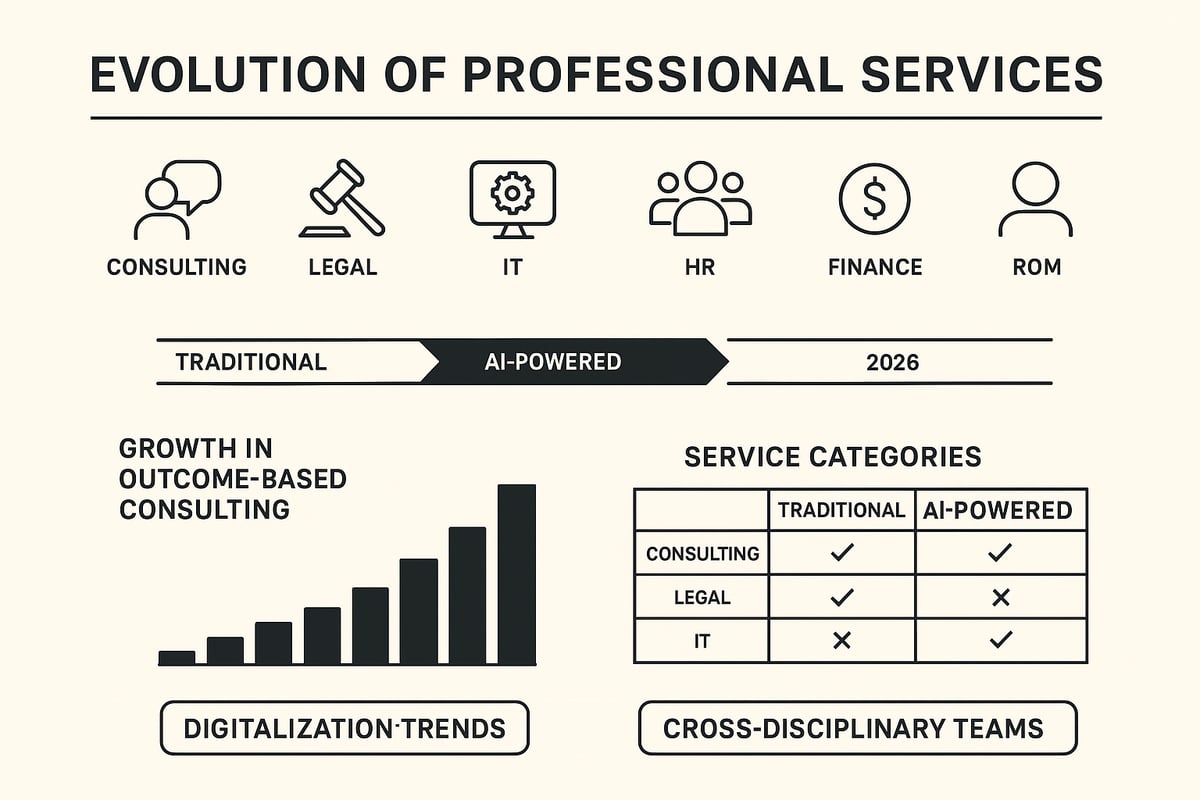
Professional services encompass specialized expertise offered by consultants in areas like management, legal, finance, IT, and human resources. When organizations consult professional advisors, they access knowledge beyond typical business services, which often provide routine or transactional support.

Unlike general business services, professional services offer tailored guidance that addresses complex, industry-specific problems. The rise of specialized consulting reflects the need for deep expertise in rapidly changing sectors. For example, marketing, IT, and legal consultants remain highly sought after, as identified by Wrike.

Today’s trends include digitalization, remote consulting, and the demand for consultants with cross-disciplinary skills. These shifts require clients to consult professional resources that can adapt quickly to new challenges.

Evolution of the Professional Services Sector

The professional services sector in 2026 is defined by rapid technological advancement. Artificial intelligence, automation, and digital platforms are transforming how firms deliver value. More clients consult professional advisors seeking outcome-based and performance-driven consulting, expecting measurable results.

The sector is also shifting toward remote and hybrid models, a trend accelerated by recent global events. Data shows an increasing number of firms now offer virtual consultations and AI-powered solutions. For instance, many top consulting firms are integrating AI tools into client projects to boost efficiency and insight.

For a deeper dive into these trends, the Professional Services Industry Outlook 2026 provides insights on AI adoption and evolving service delivery models.

Types of Professional Services Available

When you consult professional service providers, you can choose from a wide array of categories. Major types include management, technology, finance, HR, legal, and healthcare consulting. Each area addresses unique challenges, from strategic planning to compliance.

Niche services are also gaining prominence. For example, healthcare organizations often seek Revenue Cycle Management (RCM) consulting, while HR departments may focus on Human Capital Management (HCM). Multi-disciplinary teams are increasingly common, combining skills from different domains to tackle complex problems.

Selecting the right type of provider when you consult professional expertise ensures a tailored solution that fits your specific goals.

Why Consulting Professional Services Matters in 2026

The need to consult professional advisors has never been greater. Organizations face mounting complexity, regulatory requirements, and competitive pressures. Engaging with consultants helps navigate these challenges and make data-driven decisions that minimize risk.

For instance, many companies consult professional specialists to streamline operations and maintain a competitive edge. Access to external expertise enables better strategic planning and problem-solving.

Investing in professional guidance is a proactive step that can drive measurable improvements, making a strong business case for consulting in 2026.

Step 1: Identifying Your Consulting Needs

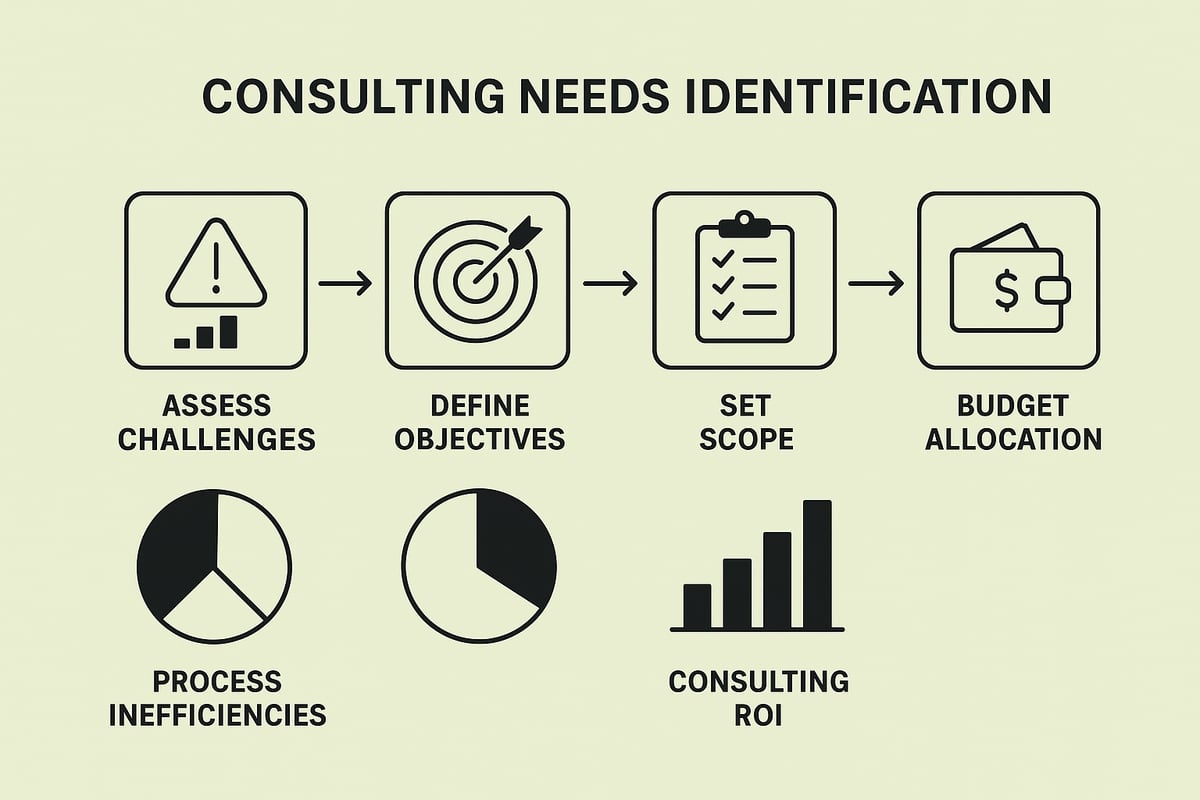
Identifying your consulting needs is the crucial first step before you consult professional services. A clear understanding of your current challenges, goals, and resources sets the foundation for a successful engagement. This section guides you through a systematic approach, from recognizing operational inefficiencies to allocating a realistic budget.
Step 1: Identifying Your Consulting Needs

Assessing Organizational or Personal Challenges

Before you consult professional experts, conduct a thorough internal audit to pinpoint gaps and inefficiencies. Start by reviewing workflows, technology, compliance status, and employee feedback. Common triggers for seeking consulting include digital transformation, regulatory updates, and barriers to growth.

For example, many organizations discover that manual processes consume thousands of hours annually, directly impacting productivity. According to recent benchmarks, a high percentage of firms cite process inefficiency as a top challenge. To learn how consulting can drive operational growth and efficiency, explore Achieving Growth and Efficiency.

By systematically identifying these pain points, you ensure your consult professional engagement is targeted and impactful.

Setting Clear Objectives and Outcomes

Once challenges are identified, set clear and measurable objectives for your consult professional project. Define what success looks like—whether it is increasing revenue, reducing costs, or improving employee well-being.

Align these objectives with your broader business strategy and key performance indicators. Engage stakeholders early to build consensus and secure buy-in, as unified goals lead to more effective consulting outcomes.

For example, you might target a 15% reduction in operating costs or improved compliance rates. This clarity ensures that your consult professional journey delivers value aligned with your vision.

Determining the Scope of Services Required

Next, determine the exact scope of services you need before you consult professional advisors. Decide whether you require full-service consulting or specialized expertise for a particular challenge.

Consider the duration and depth of the engagement. Is this a one-time compliance audit, or do you need a long-term partnership for continuous improvement? For instance, organizations may opt for a single project to address regulatory requirements or seek ongoing support for digital transformation.

Choosing the right scope prevents wasted resources and ensures your consult professional investment is efficient and targeted.

Budgeting and Resource Allocation

Effective budgeting is vital when you consult professional service providers. Start by estimating the total cost and potential return on investment. Account for all expenses, including possible hidden costs such as onboarding or change management.

Below is a table summarizing key budget considerations:

Cost Element Description Example
Consultant Fees Hourly, project, or retainer rates $200/hour or fixed fee
Performance Bonuses Linked to KPIs and outcomes 10% of savings
Internal Resources Staff time, data preparation 2 FTEs for 3 months
Technology/Tools Software or process upgrades Analytics platform

Performance-based consulting models are gaining popularity, as they often reduce upfront risk and align incentives. By allocating resources wisely, you maximize the impact of your consult professional engagement and set the stage for strong results.

Step 2: Researching and Selecting the Right Professional Services

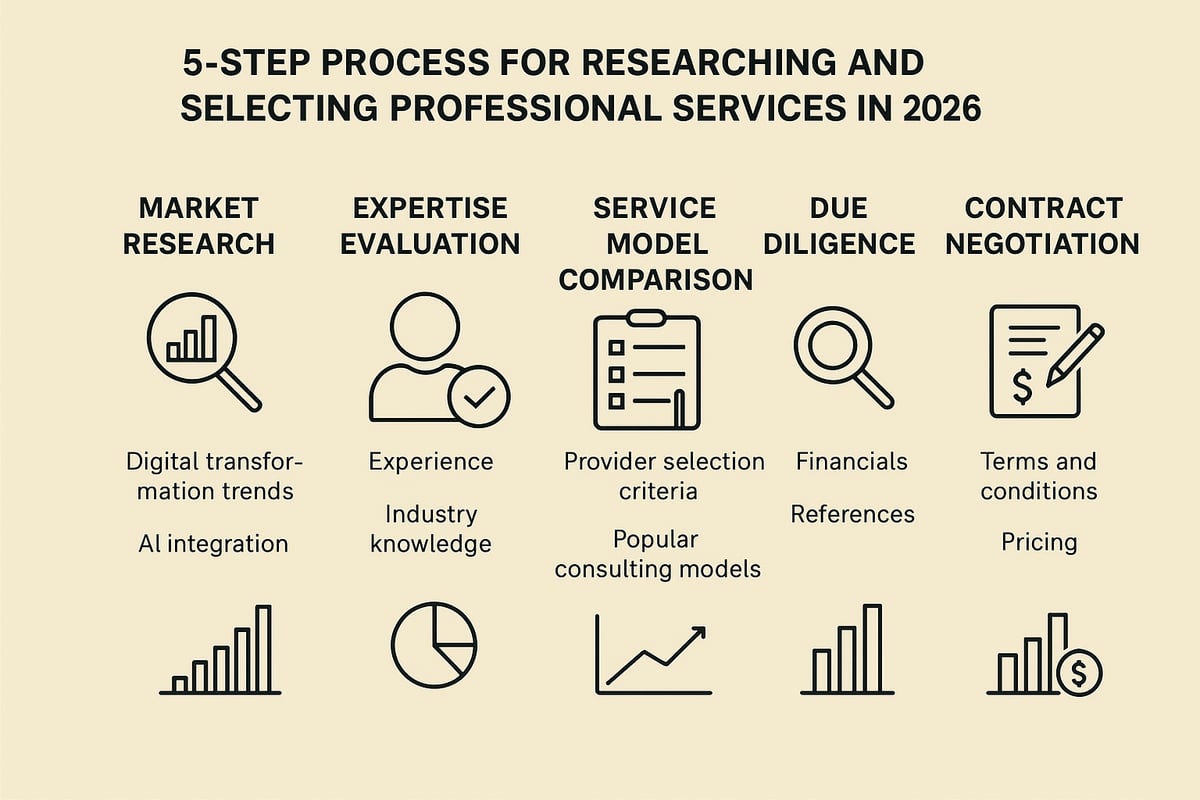
Selecting the right provider is a pivotal step when you consult professional services. In 2026, the market is crowded, competitive, and rapidly evolving. A strategic, methodical approach ensures you secure a partner who aligns with your goals and delivers measurable value.
Step 2: Researching and Selecting the Right Professional Services

Conducting Market Research on Providers

Begin your journey to consult professional with thorough market research. Use a mix of traditional and digital methods to identify leading consultants and firms:

  • Referrals from trusted industry peers
  • Online directories and verified review platforms
  • Professional associations like SHRM, HIMSS, or AAHAM

Review case studies and published success stories. Assess the provider's visibility and track record in your industry. Look for evidence of innovation and adaptability, especially as digital transformation shapes the sector. A systematic approach at this stage helps you build a strong shortlist of candidates.

Evaluating Expertise and Fit

The next step when you consult professional services is to evaluate each provider’s expertise and compatibility with your organization. Scrutinize credentials, certifications, and industry experience. Prioritize consultants with a proven record in your specific sector or challenge.

Cultural fit and communication style are equally important. Arrange introductory meetings to gauge alignment with your team’s values and expectations. As digital transformation accelerates, verify that your provider can deliver on emerging needs. For example, if your organization is seeking advanced automation, explore AI and Automation Integration Solutions to ensure the consultant brings future-ready skills.

Comparing Service Models and Engagement Types

When you consult professional services, understanding engagement models is key to managing expectations and budget. Common models include:

Model Description Pros Cons
Hourly Pay per hour worked Flexible, good for small projects Costs can escalate
Project-based Fixed fee for project scope Clear deliverables, cost control Scope changes may cost
Retainer Ongoing support for a period Priority access, relationship building May pay for unused time
Performance-based Fees tied to outcomes Aligns incentives, reduces risk May be complex to track

Performance-based models are gaining traction in 2026, especially for high-stakes projects. Choose the model that best fits your consulting needs and risk profile.

Due Diligence: Verifying Credentials and References

To consult professional services effectively, conduct rigorous due diligence before making a commitment. Request references and client testimonials, and check for relevant certifications. Speak directly with previous clients to verify the consultant’s impact and reliability.

Confirm compliance with industry standards and regulations, especially for projects involving sensitive data or technology. For technology-focused engagements, ensure the provider has demonstrable expertise in AI, automation, or cybersecurity. This step safeguards your organization against potential risks and ensures you select a trustworthy partner.

Negotiating Terms and Contracts

Finalizing your decision to consult professional services requires careful negotiation of terms and contracts. Key elements to clarify include:

  • Scope of work and deliverables
  • Project timelines and milestones
  • Confidentiality agreements and data protection
  • Payment terms and fee structure

Avoid vague language and insist on clear, measurable KPIs. Define escalation procedures and review cycles. A well-structured contract protects both parties and sets the stage for a productive engagement. Take time to review all terms and consult legal counsel if necessary.

Step 3: Preparing for a Successful Consultation

Preparing thoroughly before you consult professional services is vital for achieving meaningful, measurable results. This stage is where you lay the foundation for a productive partnership, ensuring everyone is aligned, informed, and ready to move forward efficiently. Whether your goal is digital transformation or regulatory compliance, a well-prepared approach sets the tone for the entire engagement.

Organizing Internal Resources and Stakeholders

When you consult professional experts, it is essential to assemble a dedicated internal team. Start by identifying key stakeholders who will be directly involved or impacted by the project. Assign clear roles, such as project lead, subject matter experts, and decision-makers, to streamline communication and accountability.

  • Assign a project liaison to coordinate daily interactions.
  • Identify departments that will provide resources or insights.
  • Clarify expectations for each team member.

Early stakeholder engagement reduces resistance and ensures that the consulting process aligns with your organization's objectives. Effective organization at this stage makes it easier to consult professional services efficiently throughout the engagement.

Gathering and Sharing Relevant Data

To consult professional advisors effectively, provide them with accurate, comprehensive information. Gather all relevant documents, operational metrics, process maps, and historical data. Transparency at this stage enables consultants to perform a thorough analysis and deliver tailored recommendations.

  • Compile recent performance reports and financial statements.
  • Share process documentation and workflow charts.
  • Grant access to existing analytics dashboards.

For additional guidance on what information to prepare and how to maximize value, explore expert Articles and Professional Insights. Sharing the right data not only expedites the project kickoff but also helps you consult professional teams with confidence.

Setting Communication Protocols

Clear communication is at the heart of every successful consult professional partnership. Establish a regular meeting schedule, such as weekly check-ins or milestone reviews, to keep everyone informed. Define preferred channels—whether video conferencing, email, or project management platforms—to ensure seamless collaboration.

  • Choose a primary platform for document sharing and updates.
  • Set expectations for response times and escalation procedures.
  • Agree on the format for progress reports and feedback.

By standardizing communication protocols, you reduce the risk of misunderstandings and ensure that your consult professional engagement remains on track, with all parties aligned on deliverables and deadlines.

Creating a Mutual Action Plan

A mutual action plan is crucial when you consult professional service providers. Work together to outline project phases, key milestones, and expected deliverables. This shared roadmap clarifies responsibilities and timelines for both internal teams and consultants.

  • Define specific project phases and associated tasks.
  • Set measurable milestones with target completion dates.
  • Document checkpoints for joint reviews and adjustments.

Co-developing this plan ensures that everyone understands their role and how progress will be measured. It also provides a reference point for evaluating the consult professional engagement’s ongoing success.

Addressing Confidentiality and Compliance

Safeguarding sensitive information is a non-negotiable aspect when you consult professional consultants. Implement non-disclosure agreements (NDAs) and data protection protocols before sharing confidential materials. Make sure both parties understand applicable regulations, such as GDPR or HIPAA, and the steps required for compliance.

  • Use secure file transfer and storage systems.
  • Limit data access based on role and need.
  • Clarify regulatory requirements and audit trails.

Proactive compliance planning builds trust and protects your organization from legal or reputational risks. By prioritizing confidentiality, you demonstrate your commitment to a secure and ethical consult professional relationship.

Step 4: Collaborating Effectively During the Engagement

A successful consult professional partnership depends on how effectively both sides work together during the engagement. From communication to knowledge transfer, every step shapes the quality of outcomes and the long-term value realized.

Building a Strong Consultant-Client Relationship

The first step in a consult professional engagement is establishing a foundation of trust and open communication. Both parties should clearly define expectations, project goals, and preferred working styles from the outset.

Encourage a culture where feedback is welcomed and concerns are addressed early. Assign a dedicated liaison to streamline communication between internal teams and consultants. This approach reduces misunderstandings and ensures everyone remains aligned.

Regular check-ins, whether weekly or bi-weekly, help maintain momentum and allow for early identification of any issues. By fostering a positive relationship, organizations can unlock more value from their consult professional experience and set the stage for collaborative problem-solving.

Monitoring Progress and Managing Expectations

Transparency is critical in any consult professional engagement. Utilize dashboards or project management tools to track deliverables and milestones in real time. Both sides should agree on clear reporting formats and meeting schedules.

Consider implementing the following:

  • Weekly status reports summarizing progress
  • Milestone reviews to assess if objectives are being met
  • Visual dashboards for at-a-glance project health

If adjustments are needed, communicate them promptly. Consult professional teams should provide honest updates on risks or delays, while clients must be open to recalibrating timelines or resources. This shared accountability keeps the project on track and ensures expectations remain realistic.

Addressing Challenges and Roadblocks

No engagement is without its challenges. When issues arise, consult professional teams and clients must collaborate to resolve them swiftly. Establish a clear escalation procedure for unresolved problems.

Common challenges and solutions:

Challenge Solution
Misaligned objectives Realign goals in a joint session
Data access delays Assign a data owner for faster information sharing
Resource bottlenecks Reallocate tasks or adjust timelines

Mid-project reviews are valuable for identifying obstacles early. If a course correction is needed, agree on new action steps together. An adaptive approach is key to maintaining momentum and achieving desired outcomes in a consult professional engagement.

Leveraging Consultant Expertise for Knowledge Transfer

One of the most valuable aspects of a consult professional partnership is the transfer of knowledge to internal teams. Consultants should provide documentation, process maps, and training sessions as part of their deliverables.

Organize workshops or handover meetings to ensure your staff understands new tools, workflows, or policies. Encourage team members to ask questions and seek clarification. This approach not only builds internal capacity but also ensures lasting impact from the consult professional process.

Documenting lessons learned and best practices helps institutionalize improvements. These resources become reference points for future initiatives and support ongoing growth.

Maximizing Value from the Engagement

To get the most from a consult professional engagement, look for opportunities to capture both quick wins and long-term benefits. Review early results and identify areas where additional improvements can be made.

Quick wins may include:

  • Eliminating manual processes
  • Reducing operational costs
  • Improving employee satisfaction

Consider expanding the project scope if initial outcomes are positive. Multi-disciplinary teams can also uncover new opportunities for process optimization. By staying proactive and open to new ideas, organizations can extract maximum value from their consult professional investments.

How Performance-Based Consulting Drives Results

Performance-based consulting is transforming the way organizations consult professional services in 2026. In this model, consultant fees are tied directly to measurable outcomes, such as cost savings or productivity gains.
Guide to Consult Professional Services Effectively in 2026 - How Performance-Based Consulting Drives Results

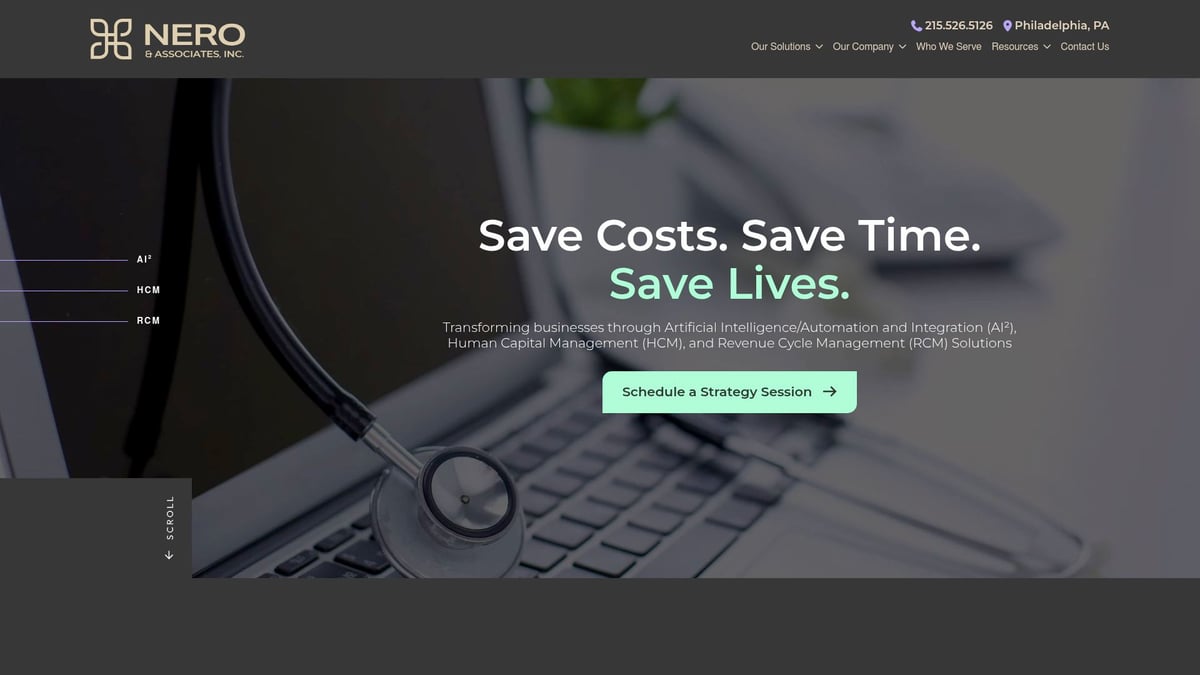
Firms like Nero and Associates, Inc. have pioneered this approach by focusing on results rather than hours worked. For example, by eliminating manual processes, clients have achieved significant operational efficiencies with reduced upfront risk. This alignment of incentives boosts client satisfaction and delivers a stronger ROI.

As more organizations seek accountability and transparency, performance-based consulting is gaining traction. It represents a consult professional partnership designed for measurable, sustainable success.

Step 5: Measuring Outcomes and Ensuring Long-Term Success

Ensuring sustained value from your consult professional engagement requires a disciplined approach to measurement and review. By focusing on clear metrics, open feedback, and continuous improvement, organizations can translate consulting efforts into lasting business impact.

Defining and Tracking Key Performance Indicators (KPIs)

Setting the right KPIs is the foundation of measuring success in any consult professional engagement. Start by establishing baseline data before the project begins. Choose KPIs that reflect your goals, such as cost reduction, increased productivity, or improved compliance.

Reference industry benchmarks to ensure your metrics are realistic and actionable. For example, 2025 Professional Services Benchmarks highlight common operational inefficiencies and provide targets for improvement. Regularly monitor progress against these KPIs to identify wins and areas needing attention.

Conducting Post-Engagement Reviews

A structured post-engagement review is vital to capture the full value of your consult professional project. Gather stakeholders and consultants to discuss outcomes, challenges, and lessons learned.

Document both successes and setbacks. Use feedback to assess if the original objectives were met. Encourage an honest dialogue, as this transparency builds trust and improves future projects. Incorporate insights from these sessions into your organizational knowledge base.

Calculating Return on Investment (ROI)

Quantifying ROI is essential for demonstrating the impact of your consult professional investment. Start by comparing projected benefits to actual outcomes, focusing on tangible results like cost savings, revenue growth, or efficiency gains.

Use market data, such as the Professional Services Market Growth Forecast, to contextualize your results. This approach helps stakeholders see how your engagement aligns with broader industry trends and justifies future consulting initiatives.

Institutionalizing Best Practices and Lessons Learned

To ensure your consult professional engagement drives long-term change, integrate successful strategies into daily operations. Develop playbooks, process documentation, and training materials based on what worked.

Empower teams to adopt these new practices consistently. Share lessons learned across departments to prevent repeating mistakes. By making knowledge transfer a priority, your organization becomes more agile and resilient.

Planning for Ongoing Improvement and Future Engagements

Continuous improvement is a hallmark of organizations that consult professional services effectively. Set up mechanisms for regular feedback, such as quarterly check-ins or performance reviews.

Identify new challenges and emerging opportunities by analyzing data trends and stakeholder input. Develop a roadmap for future consulting projects, ensuring each new engagement builds on previous successes. This proactive approach secures ongoing transformation and business growth.

The Future of Consulting Professional Services: Trends and Predictions for 2026

As we approach 2026, the way organizations consult professional services is rapidly evolving. The next wave of consulting will be shaped by technological innovation, new client expectations, and a greater focus on outcomes and ethical standards. Staying ahead means understanding these shifts and preparing to adapt.

Emerging Technologies and Their Impact

Emerging technologies like artificial intelligence, machine learning, and automation are transforming how organizations consult professional experts. These tools enable faster data analysis, predictive modeling, and bespoke solutions tailored to unique business needs. The adoption of digital consulting platforms is accelerating, making remote engagements more efficient and accessible.

According to Tech Consulting Market Revenue Projections, the global technology consulting market is expected to exceed $400 billion by 2026, driven by demand for digital transformation and advanced analytics. As you consult professional service providers, leveraging their tech capabilities will be key to unlocking value and staying competitive in a digital-first world.

The Shift Toward Outcome-Based and Hybrid Engagements

Traditional consulting models are giving way to flexible, outcome-based, and hybrid approaches. Organizations now prefer to consult professional advisors who offer performance-linked contracts, ensuring that fees align with measurable business results. Hybrid engagements, combining remote and on-site consulting, provide greater flexibility and cost efficiency.

Firms are structuring engagements around specific milestones and deliverables, allowing for more transparent value measurement. This shift empowers clients to consult professional services in a way that directly supports their strategic goals, while reducing risk and increasing accountability throughout the engagement.

Evolving Client Expectations and Consultant Roles

Clients today expect more than just advice; they want to consult professional partners who act as strategic collaborators. There is a growing demand for consultants with deep industry knowledge, cross-disciplinary expertise, and the ability to co-create innovative solutions. The consultant’s role is expanding to include ongoing support, change management, and knowledge transfer.

This evolution encourages organizations to consult professional experts who can guide them through complexity, foster continuous improvement, and deliver sustainable results. The partnership model is becoming central to long-term success in a rapidly changing business landscape.

The Role of Ethics, Compliance, and Data Security

With the rise of digital consulting, ethics, compliance, and data security are now top priorities. When you consult professional service providers, you must ensure robust data protection, regulatory compliance, and transparent business practices. Increased regulatory scrutiny means consultants must invest in certification, privacy protocols, and ethical frameworks.

Clients are more likely to consult professional firms that demonstrate a commitment to integrity and responsible innovation. As consulting engagements become more data-driven and interconnected, prioritizing security and compliance will be essential for trust and long-term success.


Article written using RankPill.

Guide to Consult Professional Services Effectively in 2026

In 2026, the landscape of professional services is more dynamic and complex than ever before. Organizations and individuals now face unprecedented challenges, from rapid digital transformation to evolving regulatory requirements.

To navigate these changes, many leaders actively seek expert advice to address operational hurdles and drive growth. The ability to consult professional service providers strategically has become essential for maximizing return on investment and achieving long-term success.

Unlocking the full potential of consulting engagements requires a thoughtful, informed approach. This guide will give you practical steps to consult professional services effectively, from identifying your needs to evaluating outcomes.

You will learn how to engage with consultants, collaborate for optimal results, and measure the true value of your investment. Together, we will explore the types of services available, preparation tips, best practices for selection and collaboration, and proven methods for measuring success.

Understanding Professional Services in 2026

Professional services are evolving rapidly, shaped by digital transformation and the growing complexity of business environments. To consult professional experts effectively in 2026, it is essential to understand what these services entail, how they have changed, the variety available, and their increasing importance to organizations and individuals.

Understanding Professional Services in 2026

Defining Professional Services

Professional services encompass specialized expertise offered by consultants in areas like management, legal, finance, IT, and human resources. When organizations consult professional advisors, they access knowledge beyond typical business services, which often provide routine or transactional support.

Unlike general business services, professional services offer tailored guidance that addresses complex, industry-specific problems. The rise of specialized consulting reflects the need for deep expertise in rapidly changing sectors. For example, marketing, IT, and legal consultants remain highly sought after, as identified by Wrike.

Today’s trends include digitalization, remote consulting, and the demand for consultants with cross-disciplinary skills. These shifts require clients to consult professional resources that can adapt quickly to new challenges.

Evolution of the Professional Services Sector

The professional services sector in 2026 is defined by rapid technological advancement. Artificial intelligence, automation, and digital platforms are transforming how firms deliver value. More clients consult professional advisors seeking outcome-based and performance-driven consulting, expecting measurable results.

The sector is also shifting toward remote and hybrid models, a trend accelerated by recent global events. Data shows an increasing number of firms now offer virtual consultations and AI-powered solutions. For instance, many top consulting firms are integrating AI tools into client projects to boost efficiency and insight.

For a deeper dive into these trends, the Professional Services Industry Outlook 2026 provides insights on AI adoption and evolving service delivery models.

Types of Professional Services Available

When you consult professional service providers, you can choose from a wide array of categories. Major types include management, technology, finance, HR, legal, and healthcare consulting. Each area addresses unique challenges, from strategic planning to compliance.

Niche services are also gaining prominence. For example, healthcare organizations often seek Revenue Cycle Management (RCM) consulting, while HR departments may focus on Human Capital Management (HCM). Multi-disciplinary teams are increasingly common, combining skills from different domains to tackle complex problems.

Selecting the right type of provider when you consult professional expertise ensures a tailored solution that fits your specific goals.

Why Consulting Professional Services Matters in 2026

The need to consult professional advisors has never been greater. Organizations face mounting complexity, regulatory requirements, and competitive pressures. Engaging with consultants helps navigate these challenges and make data-driven decisions that minimize risk.

For instance, many companies consult professional specialists to streamline operations and maintain a competitive edge. Access to external expertise enables better strategic planning and problem-solving.

Investing in professional guidance is a proactive step that can drive measurable improvements, making a strong business case for consulting in 2026.

Step 1: Identifying Your Consulting Needs

Identifying your consulting needs is the crucial first step before you consult professional services. A clear understanding of your current challenges, goals, and resources sets the foundation for a successful engagement. This section guides you through a systematic approach, from recognizing operational inefficiencies to allocating a realistic budget.

Step 1: Identifying Your Consulting Needs

Assessing Organizational or Personal Challenges

Before you consult professional experts, conduct a thorough internal audit to pinpoint gaps and inefficiencies. Start by reviewing workflows, technology, compliance status, and employee feedback. Common triggers for seeking consulting include digital transformation, regulatory updates, and barriers to growth.

For example, many organizations discover that manual processes consume thousands of hours annually, directly impacting productivity. According to recent benchmarks, a high percentage of firms cite process inefficiency as a top challenge. To learn how consulting can drive operational growth and efficiency, explore Achieving Growth and Efficiency.

By systematically identifying these pain points, you ensure your consult professional engagement is targeted and impactful.

Setting Clear Objectives and Outcomes

Once challenges are identified, set clear and measurable objectives for your consult professional project. Define what success looks like—whether it is increasing revenue, reducing costs, or improving employee well-being.

Align these objectives with your broader business strategy and key performance indicators. Engage stakeholders early to build consensus and secure buy-in, as unified goals lead to more effective consulting outcomes.

For example, you might target a 15% reduction in operating costs or improved compliance rates. This clarity ensures that your consult professional journey delivers value aligned with your vision.

Determining the Scope of Services Required

Next, determine the exact scope of services you need before you consult professional advisors. Decide whether you require full-service consulting or specialized expertise for a particular challenge.

Consider the duration and depth of the engagement. Is this a one-time compliance audit, or do you need a long-term partnership for continuous improvement? For instance, organizations may opt for a single project to address regulatory requirements or seek ongoing support for digital transformation.

Choosing the right scope prevents wasted resources and ensures your consult professional investment is efficient and targeted.

Budgeting and Resource Allocation

Effective budgeting is vital when you consult professional service providers. Start by estimating the total cost and potential return on investment. Account for all expenses, including possible hidden costs such as onboarding or change management.

Below is a table summarizing key budget considerations:

Cost Element Description Example
Consultant Fees Hourly, project, or retainer rates $200/hour or fixed fee
Performance Bonuses Linked to KPIs and outcomes 10% of savings
Internal Resources Staff time, data preparation 2 FTEs for 3 months
Technology/Tools Software or process upgrades Analytics platform

Performance-based consulting models are gaining popularity, as they often reduce upfront risk and align incentives. By allocating resources wisely, you maximize the impact of your consult professional engagement and set the stage for strong results.

Step 2: Researching and Selecting the Right Professional Services

Selecting the right provider is a pivotal step when you consult professional services. In 2026, the market is crowded, competitive, and rapidly evolving. A strategic, methodical approach ensures you secure a partner who aligns with your goals and delivers measurable value.

Step 2: Researching and Selecting the Right Professional Services

Conducting Market Research on Providers

Begin your journey to consult professional with thorough market research. Use a mix of traditional and digital methods to identify leading consultants and firms:

  • Referrals from trusted industry peers
  • Online directories and verified review platforms
  • Professional associations like SHRM, HIMSS, or AAHAM

Review case studies and published success stories. Assess the provider's visibility and track record in your industry. Look for evidence of innovation and adaptability, especially as digital transformation shapes the sector. A systematic approach at this stage helps you build a strong shortlist of candidates.

Evaluating Expertise and Fit

The next step when you consult professional services is to evaluate each provider’s expertise and compatibility with your organization. Scrutinize credentials, certifications, and industry experience. Prioritize consultants with a proven record in your specific sector or challenge.

Cultural fit and communication style are equally important. Arrange introductory meetings to gauge alignment with your team’s values and expectations. As digital transformation accelerates, verify that your provider can deliver on emerging needs. For example, if your organization is seeking advanced automation, explore AI and Automation Integration Solutions to ensure the consultant brings future-ready skills.

Comparing Service Models and Engagement Types

When you consult professional services, understanding engagement models is key to managing expectations and budget. Common models include:

Model Description Pros Cons
Hourly Pay per hour worked Flexible, good for small projects Costs can escalate
Project-based Fixed fee for project scope Clear deliverables, cost control Scope changes may cost
Retainer Ongoing support for a period Priority access, relationship building May pay for unused time
Performance-based Fees tied to outcomes Aligns incentives, reduces risk May be complex to track

Performance-based models are gaining traction in 2026, especially for high-stakes projects. Choose the model that best fits your consulting needs and risk profile.

Due Diligence: Verifying Credentials and References

To consult professional services effectively, conduct rigorous due diligence before making a commitment. Request references and client testimonials, and check for relevant certifications. Speak directly with previous clients to verify the consultant’s impact and reliability.

Confirm compliance with industry standards and regulations, especially for projects involving sensitive data or technology. For technology-focused engagements, ensure the provider has demonstrable expertise in AI, automation, or cybersecurity. This step safeguards your organization against potential risks and ensures you select a trustworthy partner.

Negotiating Terms and Contracts

Finalizing your decision to consult professional services requires careful negotiation of terms and contracts. Key elements to clarify include:

  • Scope of work and deliverables
  • Project timelines and milestones
  • Confidentiality agreements and data protection
  • Payment terms and fee structure

Avoid vague language and insist on clear, measurable KPIs. Define escalation procedures and review cycles. A well-structured contract protects both parties and sets the stage for a productive engagement. Take time to review all terms and consult legal counsel if necessary.

Step 3: Preparing for a Successful Consultation

Preparing thoroughly before you consult professional services is vital for achieving meaningful, measurable results. This stage is where you lay the foundation for a productive partnership, ensuring everyone is aligned, informed, and ready to move forward efficiently. Whether your goal is digital transformation or regulatory compliance, a well-prepared approach sets the tone for the entire engagement.

Organizing Internal Resources and Stakeholders

When you consult professional experts, it is essential to assemble a dedicated internal team. Start by identifying key stakeholders who will be directly involved or impacted by the project. Assign clear roles, such as project lead, subject matter experts, and decision-makers, to streamline communication and accountability.

  • Assign a project liaison to coordinate daily interactions.
  • Identify departments that will provide resources or insights.
  • Clarify expectations for each team member.

Early stakeholder engagement reduces resistance and ensures that the consulting process aligns with your organization's objectives. Effective organization at this stage makes it easier to consult professional services efficiently throughout the engagement.

Gathering and Sharing Relevant Data

To consult professional advisors effectively, provide them with accurate, comprehensive information. Gather all relevant documents, operational metrics, process maps, and historical data. Transparency at this stage enables consultants to perform a thorough analysis and deliver tailored recommendations.

  • Compile recent performance reports and financial statements.
  • Share process documentation and workflow charts.
  • Grant access to existing analytics dashboards.

For additional guidance on what information to prepare and how to maximize value, explore expert Articles and Professional Insights. Sharing the right data not only expedites the project kickoff but also helps you consult professional teams with confidence.

Setting Communication Protocols

Clear communication is at the heart of every successful consult professional partnership. Establish a regular meeting schedule, such as weekly check-ins or milestone reviews, to keep everyone informed. Define preferred channels—whether video conferencing, email, or project management platforms—to ensure seamless collaboration.

  • Choose a primary platform for document sharing and updates.
  • Set expectations for response times and escalation procedures.
  • Agree on the format for progress reports and feedback.

By standardizing communication protocols, you reduce the risk of misunderstandings and ensure that your consult professional engagement remains on track, with all parties aligned on deliverables and deadlines.

Creating a Mutual Action Plan

A mutual action plan is crucial when you consult professional service providers. Work together to outline project phases, key milestones, and expected deliverables. This shared roadmap clarifies responsibilities and timelines for both internal teams and consultants.

  • Define specific project phases and associated tasks.
  • Set measurable milestones with target completion dates.
  • Document checkpoints for joint reviews and adjustments.

Co-developing this plan ensures that everyone understands their role and how progress will be measured. It also provides a reference point for evaluating the consult professional engagement’s ongoing success.

Addressing Confidentiality and Compliance

Safeguarding sensitive information is a non-negotiable aspect when you consult professional consultants. Implement non-disclosure agreements (NDAs) and data protection protocols before sharing confidential materials. Make sure both parties understand applicable regulations, such as GDPR or HIPAA, and the steps required for compliance.

  • Use secure file transfer and storage systems.
  • Limit data access based on role and need.
  • Clarify regulatory requirements and audit trails.

Proactive compliance planning builds trust and protects your organization from legal or reputational risks. By prioritizing confidentiality, you demonstrate your commitment to a secure and ethical consult professional relationship.

Step 4: Collaborating Effectively During the Engagement

A successful consult professional partnership depends on how effectively both sides work together during the engagement. From communication to knowledge transfer, every step shapes the quality of outcomes and the long-term value realized.

Building a Strong Consultant-Client Relationship

The first step in a consult professional engagement is establishing a foundation of trust and open communication. Both parties should clearly define expectations, project goals, and preferred working styles from the outset.

Encourage a culture where feedback is welcomed and concerns are addressed early. Assign a dedicated liaison to streamline communication between internal teams and consultants. This approach reduces misunderstandings and ensures everyone remains aligned.

Regular check-ins, whether weekly or bi-weekly, help maintain momentum and allow for early identification of any issues. By fostering a positive relationship, organizations can unlock more value from their consult professional experience and set the stage for collaborative problem-solving.

Monitoring Progress and Managing Expectations

Transparency is critical in any consult professional engagement. Utilize dashboards or project management tools to track deliverables and milestones in real time. Both sides should agree on clear reporting formats and meeting schedules.

Consider implementing the following:

  • Weekly status reports summarizing progress
  • Milestone reviews to assess if objectives are being met
  • Visual dashboards for at-a-glance project health

If adjustments are needed, communicate them promptly. Consult professional teams should provide honest updates on risks or delays, while clients must be open to recalibrating timelines or resources. This shared accountability keeps the project on track and ensures expectations remain realistic.

Addressing Challenges and Roadblocks

No engagement is without its challenges. When issues arise, consult professional teams and clients must collaborate to resolve them swiftly. Establish a clear escalation procedure for unresolved problems.

Common challenges and solutions:

Challenge Solution
Misaligned objectives Realign goals in a joint session
Data access delays Assign a data owner for faster information sharing
Resource bottlenecks Reallocate tasks or adjust timelines

Mid-project reviews are valuable for identifying obstacles early. If a course correction is needed, agree on new action steps together. An adaptive approach is key to maintaining momentum and achieving desired outcomes in a consult professional engagement.

Leveraging Consultant Expertise for Knowledge Transfer

One of the most valuable aspects of a consult professional partnership is the transfer of knowledge to internal teams. Consultants should provide documentation, process maps, and training sessions as part of their deliverables.

Organize workshops or handover meetings to ensure your staff understands new tools, workflows, or policies. Encourage team members to ask questions and seek clarification. This approach not only builds internal capacity but also ensures lasting impact from the consult professional process.

Documenting lessons learned and best practices helps institutionalize improvements. These resources become reference points for future initiatives and support ongoing growth.

Maximizing Value from the Engagement

To get the most from a consult professional engagement, look for opportunities to capture both quick wins and long-term benefits. Review early results and identify areas where additional improvements can be made.

Quick wins may include:

  • Eliminating manual processes
  • Reducing operational costs
  • Improving employee satisfaction

Consider expanding the project scope if initial outcomes are positive. Multi-disciplinary teams can also uncover new opportunities for process optimization. By staying proactive and open to new ideas, organizations can extract maximum value from their consult professional investments.

How Performance-Based Consulting Drives Results

Performance-based consulting is transforming the way organizations consult professional services in 2026. In this model, consultant fees are tied directly to measurable outcomes, such as cost savings or productivity gains.

Guide to Consult Professional Services Effectively in 2026 - How Performance-Based Consulting Drives Results

Firms like Nero and Associates, Inc. have pioneered this approach by focusing on results rather than hours worked. For example, by eliminating manual processes, clients have achieved significant operational efficiencies with reduced upfront risk. This alignment of incentives boosts client satisfaction and delivers a stronger ROI.

As more organizations seek accountability and transparency, performance-based consulting is gaining traction. It represents a consult professional partnership designed for measurable, sustainable success.

Step 5: Measuring Outcomes and Ensuring Long-Term Success

Ensuring sustained value from your consult professional engagement requires a disciplined approach to measurement and review. By focusing on clear metrics, open feedback, and continuous improvement, organizations can translate consulting efforts into lasting business impact.

Defining and Tracking Key Performance Indicators (KPIs)

Setting the right KPIs is the foundation of measuring success in any consult professional engagement. Start by establishing baseline data before the project begins. Choose KPIs that reflect your goals, such as cost reduction, increased productivity, or improved compliance.

Reference industry benchmarks to ensure your metrics are realistic and actionable. For example, 2025 Professional Services Benchmarks highlight common operational inefficiencies and provide targets for improvement. Regularly monitor progress against these KPIs to identify wins and areas needing attention.

Conducting Post-Engagement Reviews

A structured post-engagement review is vital to capture the full value of your consult professional project. Gather stakeholders and consultants to discuss outcomes, challenges, and lessons learned.

Document both successes and setbacks. Use feedback to assess if the original objectives were met. Encourage an honest dialogue, as this transparency builds trust and improves future projects. Incorporate insights from these sessions into your organizational knowledge base.

Calculating Return on Investment (ROI)

Quantifying ROI is essential for demonstrating the impact of your consult professional investment. Start by comparing projected benefits to actual outcomes, focusing on tangible results like cost savings, revenue growth, or efficiency gains.

Use market data, such as the Professional Services Market Growth Forecast, to contextualize your results. This approach helps stakeholders see how your engagement aligns with broader industry trends and justifies future consulting initiatives.

Institutionalizing Best Practices and Lessons Learned

To ensure your consult professional engagement drives long-term change, integrate successful strategies into daily operations. Develop playbooks, process documentation, and training materials based on what worked.

Empower teams to adopt these new practices consistently. Share lessons learned across departments to prevent repeating mistakes. By making knowledge transfer a priority, your organization becomes more agile and resilient.

Planning for Ongoing Improvement and Future Engagements

Continuous improvement is a hallmark of organizations that consult professional services effectively. Set up mechanisms for regular feedback, such as quarterly check-ins or performance reviews.

Identify new challenges and emerging opportunities by analyzing data trends and stakeholder input. Develop a roadmap for future consulting projects, ensuring each new engagement builds on previous successes. This proactive approach secures ongoing transformation and business growth.

The Future of Consulting Professional Services: Trends and Predictions for 2026

As we approach 2026, the way organizations consult professional services is rapidly evolving. The next wave of consulting will be shaped by technological innovation, new client expectations, and a greater focus on outcomes and ethical standards. Staying ahead means understanding these shifts and preparing to adapt.

Emerging Technologies and Their Impact

Emerging technologies like artificial intelligence, machine learning, and automation are transforming how organizations consult professional experts. These tools enable faster data analysis, predictive modeling, and bespoke solutions tailored to unique business needs. The adoption of digital consulting platforms is accelerating, making remote engagements more efficient and accessible.

According to Tech Consulting Market Revenue Projections, the global technology consulting market is expected to exceed $400 billion by 2026, driven by demand for digital transformation and advanced analytics. As you consult professional service providers, leveraging their tech capabilities will be key to unlocking value and staying competitive in a digital-first world.

The Shift Toward Outcome-Based and Hybrid Engagements

Traditional consulting models are giving way to flexible, outcome-based, and hybrid approaches. Organizations now prefer to consult professional advisors who offer performance-linked contracts, ensuring that fees align with measurable business results. Hybrid engagements, combining remote and on-site consulting, provide greater flexibility and cost efficiency.

Firms are structuring engagements around specific milestones and deliverables, allowing for more transparent value measurement. This shift empowers clients to consult professional services in a way that directly supports their strategic goals, while reducing risk and increasing accountability throughout the engagement.

Evolving Client Expectations and Consultant Roles

Clients today expect more than just advice; they want to consult professional partners who act as strategic collaborators. There is a growing demand for consultants with deep industry knowledge, cross-disciplinary expertise, and the ability to co-create innovative solutions. The consultant’s role is expanding to include ongoing support, change management, and knowledge transfer.

This evolution encourages organizations to consult professional experts who can guide them through complexity, foster continuous improvement, and deliver sustainable results. The partnership model is becoming central to long-term success in a rapidly changing business landscape.

The Role of Ethics, Compliance, and Data Security

With the rise of digital consulting, ethics, compliance, and data security are now top priorities. When you consult professional service providers, you must ensure robust data protection, regulatory compliance, and transparent business practices. Increased regulatory scrutiny means consultants must invest in certification, privacy protocols, and ethical frameworks.

Clients are more likely to consult professional firms that demonstrate a commitment to integrity and responsible innovation. As consulting engagements become more data-driven and interconnected, prioritizing security and compliance will be essential for trust and long-term success.


Article written using RankPill.

Website developed in accordance with Web Content Accessibility Guidelines 2.2.
If you encounter any issues while using this site, please contact us: 215.526.5126