
Consulting PA Guide: Expert Insights for 2026 Success

Share on Facebook
Share on X
Share on LinkedIn

The consulting landscape is evolving rapidly, making 2026 a pivotal year for every consulting pa aiming for long-term success. Today’s consulting professionals face increasing complexity, but also unprecedented opportunities, especially for Physician Associates stepping into consulting roles.

Adapting to fast-changing market demands requires up-to-date strategies, practical insights, and a commitment to continuous learning. In a competitive environment, staying ahead means understanding both the challenges and the emerging trends shaping the consulting pa profession.

This guide provides actionable advice, expert perspectives, and future-focused strategies. Explore industry trends, essential skills, technological advancements, career development, and best practices to prepare for consulting pa success in 2026.

The Evolving Role of Consulting PAs in 2026

The role of the consulting pa is experiencing significant transformation as the industry adapts to new demands and opportunities. Understanding how this evolution unfolds is essential for anyone aiming to thrive in the consulting landscape of 2026.
The Evolving Role of Consulting PAs in 2026

Historical Context and Industry Growth

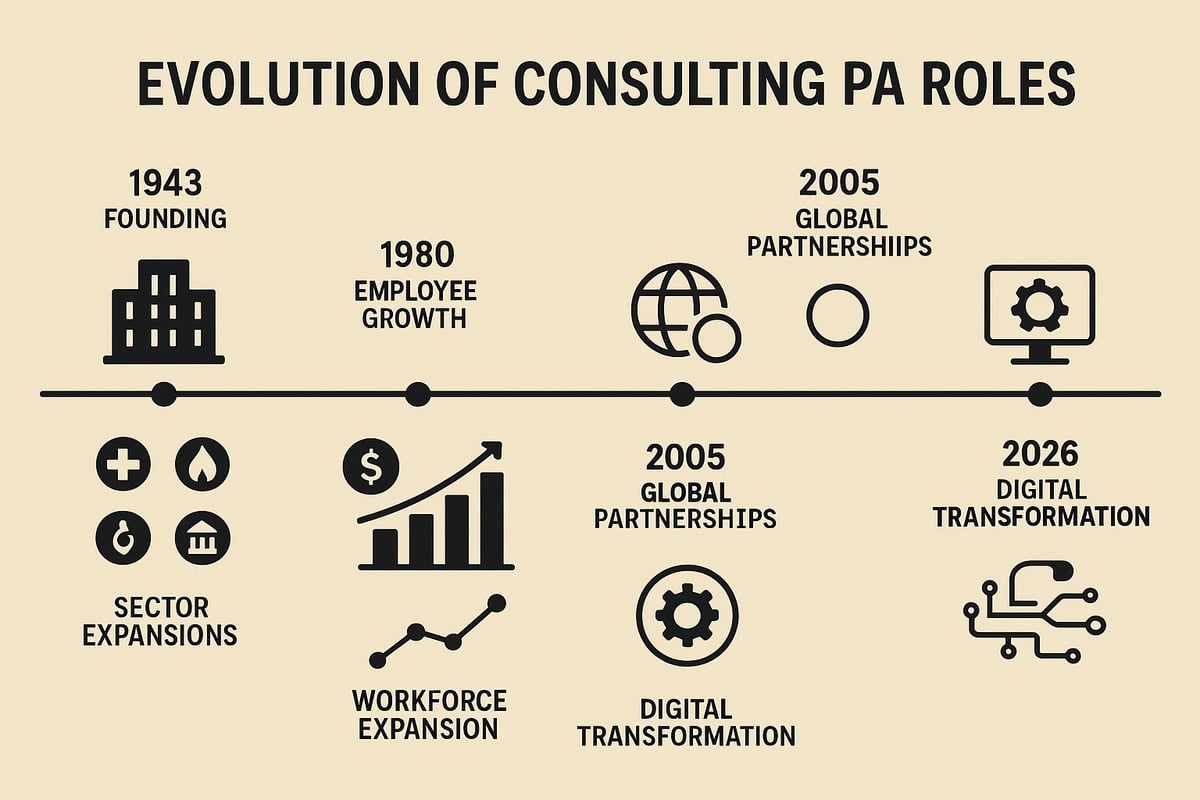
Since its founding in 1943, PA Consulting Group has played a pivotal role in shaping the consulting sector. Over the decades, the organization expanded its reach across healthcare, public services, financial services, energy, and several other industries. This diversification reflects the growing need for adaptable consulting pa professionals who can navigate complex, cross-sector challenges.

The global footprint of PA Consulting has grown considerably, with over 4,000 employees worldwide as of 2023. This expansion is a testament to the rising demand for consulting pa expertise in both public and private arenas. A key driver of this growth has been the company’s ability to evolve ownership models, such as adopting employee-ownership and forming strategic partnerships like the one with Jacobs Engineering Group.

Adaptability remains at the heart of the consulting pa’s success. As the industry faces rapid technological advances and shifting client expectations, professionals must stay agile. To learn more about this evolution and PA Consulting's global impact, explore PA Consulting’s History and Global Impact.

Key Responsibilities and Expectations

The consulting pa’s core responsibilities have expanded beyond traditional boundaries. Today, these professionals are expected to excel in project management, provide strategic client advisory, and drive process improvements across a variety of sectors. Innovation is at the forefront, with consulting pa teams frequently tasked with designing solutions that address emerging client needs.

Modern consulting pa roles demand cross-sector expertise and a collaborative approach. Interdisciplinary teamwork is critical, as is the ability to lead digital transformation initiatives and promote sustainability. Notably, PA Consulting’s involvement with organizations like the United Nations Global Compact and WePROTECT Global Alliance underscores the expectation for consulting pa professionals to deliver impact on a global scale.

Data-driven decision-making is now a standard expectation. Measurable outcomes, backed by robust analytics, are essential in demonstrating value to clients. As consulting pa teams increasingly integrate technology into their workflows, the ability to translate complex data into actionable strategies has become a defining skill.

Industry Challenges and Opportunities

Consulting pa professionals must navigate a landscape filled with economic uncertainty, ongoing regulatory changes, and intense global competition. These challenges require a proactive mindset and a readiness to pivot as market conditions shift.

At the same time, there are exciting opportunities in emerging markets and technology-driven sectors. The growing influence of remote and hybrid work models is reshaping how consulting pa teams deliver value to clients. This shift enables firms to tap into a broader talent pool and foster more flexible, resilient operations.

The response to the COVID-19 pandemic highlighted the industry’s capacity for rapid digital acceleration. Consulting pa teams demonstrated their ability to adapt quickly, implement new technologies, and maintain service quality amid disruption. As the industry continues to evolve, those willing to embrace change and drive continuous improvement will be best positioned for future success.

Essential Skills and Competencies for Consulting PA Success

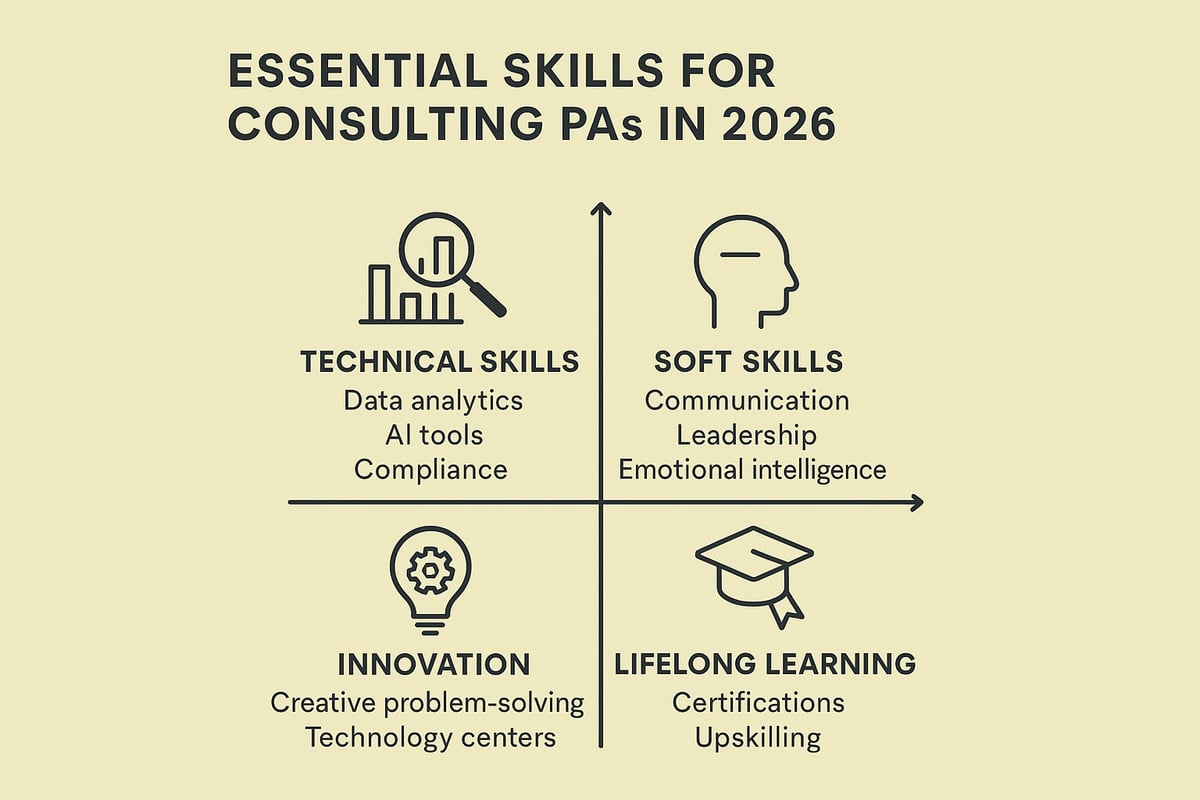
Success as a consulting pa in 2026 hinges on a blend of technical mastery, people skills, creative thinking, and a commitment to lifelong learning. The consulting pa role is evolving, requiring professionals to adapt quickly and develop a toolkit that balances hard and soft skills. Let us explore the core competencies that set top consulting pas apart and prepare them for the future of consulting.
Essential Skills and Competencies for Consulting PA Success

Technical and Analytical Proficiency

For a consulting pa, technical expertise is foundational. Mastery of data analytics and business intelligence tools allows professionals to uncover insights that drive client value. The consulting pa must also understand sector-specific regulations and compliance requirements, ensuring that solutions meet both legal and industry standards.

AI and automation are reshaping how consulting pas deliver results. By leveraging advanced technologies, consulting pas streamline processes and enhance accuracy. For example, integrating AI and automation integration solutions into consulting workflows enables faster data analysis and improved decision-making. Familiarity with platforms like Python, Tableau, and cloud-based analytics is becoming standard.

Here is a quick comparison of essential technical tools:

Tool Purpose Consulting PA Use Case
Python Data analysis, scripting Automate reporting
Tableau Data visualization Present client insights
AI Platforms Predictive analytics Optimize client operations

Soft Skills and Leadership Abilities

While technical skills are crucial, a consulting pa’s success also relies on strong soft skills. Effective communication enables clear client engagement and ensures that project goals are understood by all stakeholders. Consulting pas must become adept at negotiation and stakeholder management, often acting as the bridge between technical experts and business leaders.

Leadership development is another key area. Consulting pas frequently mentor junior colleagues, facilitate team building, and resolve conflicts. Emotional intelligence is essential, especially when navigating high-pressure environments or managing change within client organizations.

To summarize, consulting pas who excel in soft skills are more likely to inspire trust, foster collaboration, and deliver lasting impact.

Innovation and Problem-Solving

The consulting pa is expected to think creatively and design client-centric solutions. Innovation is not just a buzzword, it is a daily practice. Consulting pas who encourage experimentation and rapid prototyping often uncover new opportunities for clients. PA Consulting’s technology centers in Melbourn and Princeton exemplify environments where innovation thrives.

A typical consulting pa will:

  • Approach challenges with a problem-solving mindset
  • Encourage continuous improvement within teams
  • Embrace new technologies to enhance service delivery

By fostering a culture of learning and openness, consulting pas ensure that their solutions remain relevant and effective.

Lifelong Learning and Professional Development

In a dynamic consulting landscape, a consulting pa must prioritize lifelong learning. Earning certifications, pursuing advanced degrees, and engaging in ongoing training keeps skills sharp and relevant. Many firms now invest heavily in employee upskilling, recognizing that knowledge is a strategic asset.

Staying ahead means actively seeking out industry research, joining professional networks, and participating in conferences. Consulting pas who dedicate time to learning are better positioned to anticipate trends and respond to client needs.

Statistics show a substantial increase in professional development budgets across consulting firms, reflecting the critical role of continual growth for every consulting pa.

Technological Advancements Shaping Consulting PA Practice

The consulting pa profession is at the forefront of a technological revolution. As 2026 approaches, digital tools and innovative platforms are rapidly reshaping how consulting pa teams deliver value to their clients. Let’s explore the advancements driving this transformation and what they mean for consulting pa professionals.
Technological Advancements Shaping Consulting PA Practice

Digital Transformation in Consulting

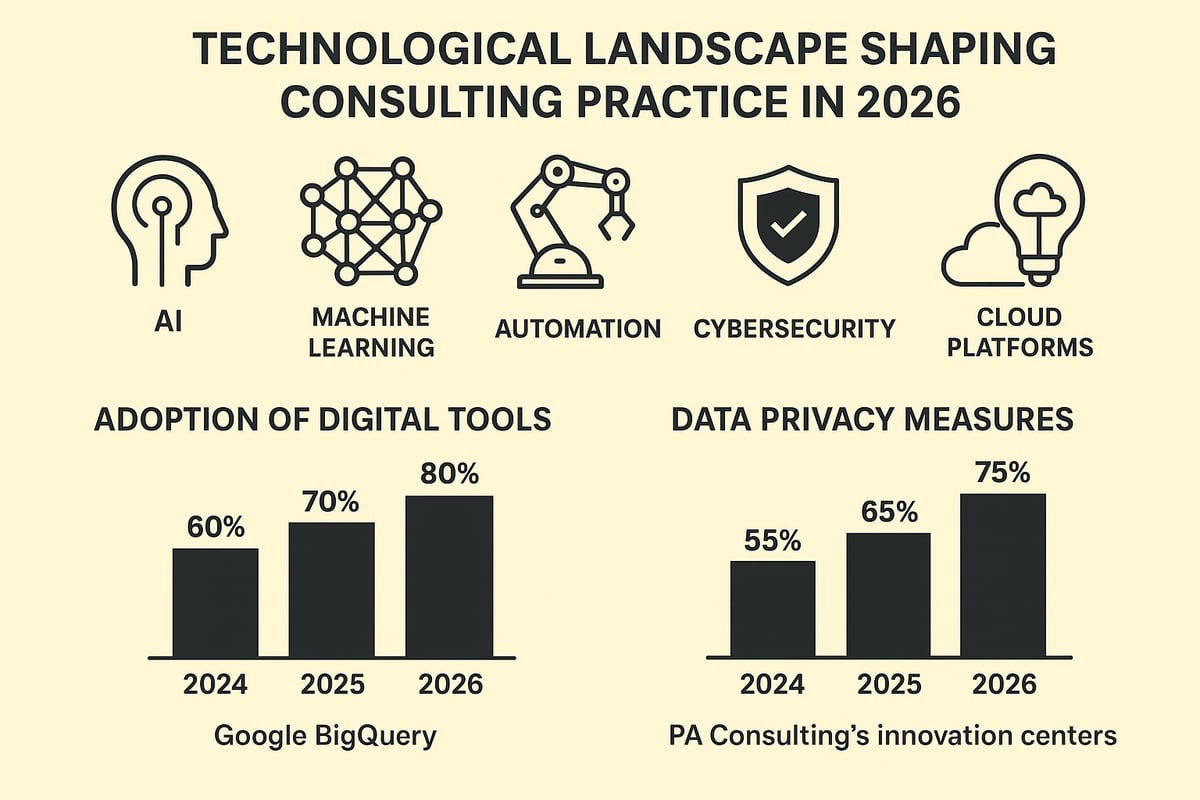
Digital transformation is redefining the consulting pa landscape. Firms are leveraging artificial intelligence, machine learning, and automation to increase operational efficiency and deliver faster insights. Consulting pa teams now rely on advanced analytics to extract actionable intelligence from vast data sets.

The integration of digital project management platforms has revolutionized collaboration. Consultants can now work seamlessly with clients and colleagues across geographies, using real-time dashboards and workflow automation. As organizations demand more data-driven solutions, consulting pa professionals must master these platforms to stay ahead.

Embracing digital transformation also means staying updated on new tools and methodologies. From predictive analytics to cloud-based reporting, consulting pa experts are expected to recommend and implement the right technologies for each client’s needs.

Cybersecurity and Data Privacy

With the adoption of digital tools comes greater responsibility for data privacy and security. Consulting pa practitioners must ensure that sensitive client and organizational information is protected at all times. This includes strict adherence to regulations such as GDPR for European clients and HIPAA for healthcare data in the United States.

Cybersecurity measures are now a core part of every consulting pa engagement. Secure data storage, encrypted communications, and regular system audits are essential. For example, PA Consulting’s work in healthcare often involves implementing robust data management protocols to safeguard patient information.

Clients expect consulting pa teams to stay proactive about emerging threats. Remaining compliant and vigilant is not just a legal requirement but a competitive advantage in winning trust and business.

Tools and Platforms for 2026

The consulting pa sector is experiencing a surge in the adoption of cutting-edge software solutions. Leading platforms for project management, data analytics, and virtual collaboration are now standard. Cloud-based environments enable consulting pa professionals to access, analyze, and share information securely from anywhere.

Virtual collaboration tools, like advanced video conferencing and real-time document editing, have become critical for hybrid and remote consulting models. A notable example is the use of Google BigQuery for large-scale data analysis, enabling consulting pa teams to process complex datasets efficiently and deliver high-value insights to clients.

Selecting the right mix of tools is crucial for maintaining productivity and delivering measurable outcomes. Consulting pa professionals are expected to evaluate and implement solutions that align with client goals and industry best practices.

Innovation Labs and R&D

Innovation is a cornerstone of consulting pa success in 2026. Dedicated innovation labs and R&D centers provide spaces for experimentation, rapid prototyping, and the development of breakthrough solutions. By fostering a culture of creativity, these hubs help consulting pa teams address complex client challenges with agility.

PA Consulting has made significant investments in technology and innovation hubs, supporting consultants as they test new ideas and scale proven solutions. According to PA Consulting’s Innovation and Technology Centers, these centers play a vital role in encouraging collaboration and accelerating digital transformation.

For consulting pa professionals, engaging with innovation labs means access to the latest tools, cross-disciplinary expertise, and opportunities to shape the future of the industry. Staying involved in R&D ensures that consulting pa talent remains relevant and competitive.

Strategic Career Development for Consulting PAs

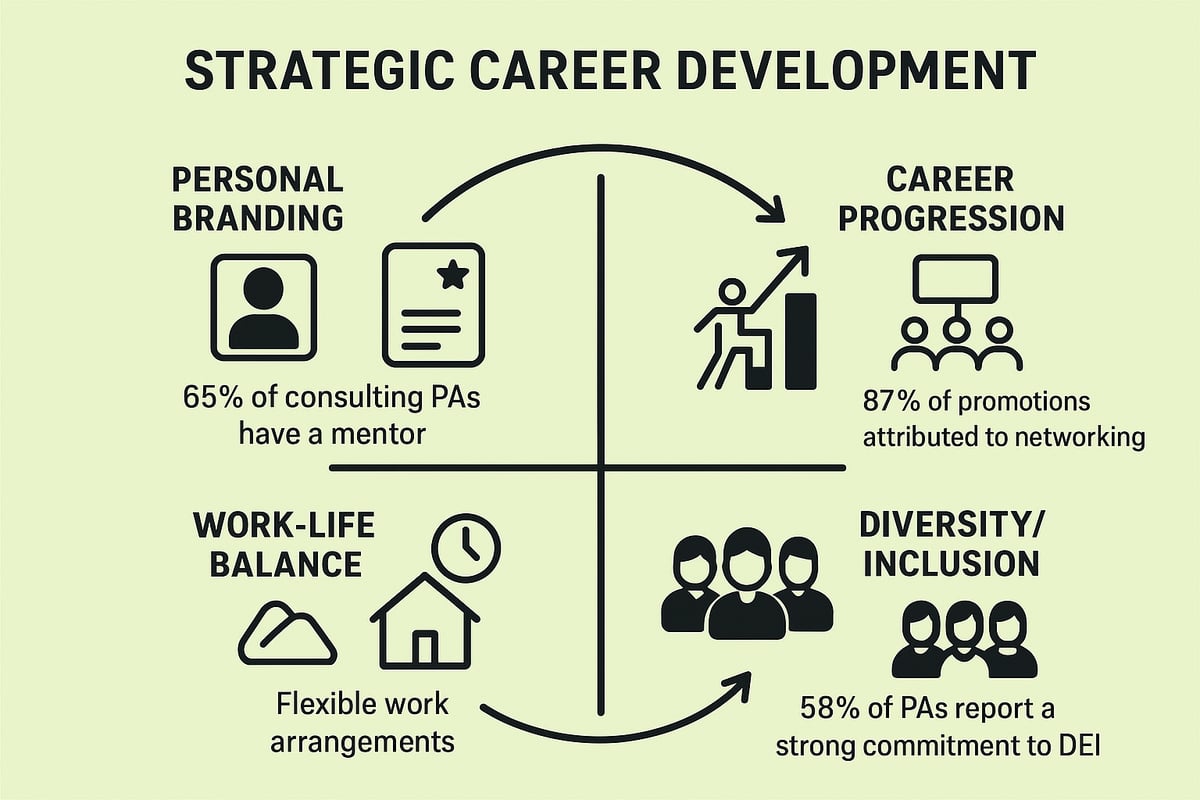
Strategic career development is vital for every consulting pa aiming to thrive in 2026. The consulting landscape rewards those who build a strong reputation, nurture professional relationships, and make informed decisions about their career paths. By mastering personal branding, networking, and well-being, consulting pa professionals can unlock new opportunities and safeguard their long-term growth.
Strategic Career Development for Consulting PAs

Building a Personal Brand and Professional Network

For any consulting pa, establishing expertise is a cornerstone of career advancement. Sharing insights through articles, public speaking, and professional forums not only builds credibility but also attracts new opportunities. LinkedIn and industry associations are powerful platforms for showcasing achievements and connecting with peers.

Joining online communities and attending conferences helps expand one’s influence. Thought leadership is especially valued, and resources like Articles and insights for consultants can inspire content creation or spark new ideas for consulting pa professionals. A robust network lays the foundation for future success.

Navigating Career Progression Paths

Typical consulting pa career paths follow a structured progression: analyst, consultant, manager, and partner or principal roles. Each step requires a blend of technical ability, leadership, and business acumen. Mentorship programs and sponsorship are invaluable for navigating transitions and unlocking advancement opportunities.

Many leading firms offer employee share ownership, which aligns personal and organizational interests. Consulting pa professionals who actively seek guidance and feedback from senior colleagues often accelerate their growth. Understanding the expectations at each level allows individuals to set achievable goals and measure progress.

Work-Life Balance and Well-being

Maintaining work-life balance is essential for consulting pa professionals facing high expectations and demanding projects. The consulting sector has embraced flexible arrangements, including remote, hybrid, and project-based roles, to support employee well-being.

Addressing burnout and stress management is a priority for employers. Initiatives such as wellness programs and mental health support are becoming standard, reflecting the industry’s recognition of holistic success. Consulting pa teams that prioritize well-being are more resilient and productive.

Diversity, Equity, and Inclusion (DEI)

A diverse consulting pa workforce drives innovation, enhances problem-solving, and improves client outcomes. Leading organizations have increased investment in DEI initiatives, recognizing that inclusive cultures attract and retain top talent.

Strategies for fostering inclusive workplaces include bias training, transparent promotion processes, and employee resource groups. Statistics show that consulting pa teams with diverse perspectives outperform homogenous teams, especially in client engagement and satisfaction. Embracing DEI is both a moral imperative and a business advantage.

Best Practices and Future-Proof Strategies for 2026

In the fast-paced world of consulting pa, future-proofing your approach is essential to delivering lasting impact. Success in 2026 will demand a blend of strategic vision, adaptability, and a strong commitment to value-driven outcomes. Let’s explore the best practices and strategies that will set consulting pa leaders apart in the coming years.

Delivering Value-Driven Consulting Solutions

Consulting pa professionals must prioritize measurable outcomes and client return on investment above all. This means moving beyond traditional deliverables to focus on solutions that drive tangible business results. Co-creation with clients ensures that recommendations are both actionable and sustainable.

PA Consulting’s collaborations with government agencies and NGOs demonstrate how value-driven consulting pa can spark lasting change. For example, recent PA Consulting’s 2022 Revenue Growth showcases the impact of focusing on client results and innovation. By emphasizing partnership and continuous feedback, consulting pa teams can consistently exceed expectations.

Sustainability and Social Responsibility

Sustainability is now a core expectation for every consulting pa project. Integrating ESG (Environmental, Social, and Governance) criteria into consulting solutions not only fulfills regulatory requirements but also aligns with stakeholder values. Leading firms are embedding global initiatives, such as the UN Global Compact, into their consulting frameworks.

Case studies, such as PA Consulting’s global threat assessments, reveal how consulting pa can drive positive societal impact. For those in healthcare, Healthcare consulting excellence highlights ways to elevate care while achieving operational sustainability. This dual focus on impact and responsibility will define future leaders in the field.

Agility and Change Management

The ability to adapt quickly is vital for consulting pa professionals. Embracing agile methodologies allows teams to deliver projects in iterative cycles, respond to feedback, and pivot as needed. Agile practices support digital and organizational transformation, ensuring clients remain competitive in dynamic markets.

Change management is not just about technology adoption, but also about guiding clients through uncertainty. Building resilience into every engagement prepares consulting pa teams for market disruptions, regulatory shifts, or global events. Strong partnerships and transparent communication are the backbone of successful transformation.

Continuous Improvement and Feedback Loops

Continuous improvement is a hallmark of high-performing consulting pa organizations. Regular performance reviews, structured feedback sessions, and lessons learned meetings help teams refine their approach and stay ahead of industry shifts.

Innovation thrives in environments where feedback is valued and acted upon. Consulting pa leaders should foster a culture of experimentation, encouraging teams to pilot new ideas and adapt quickly. This commitment to learning ensures that consulting pa solutions remain relevant and competitive well into 2026.

Expert Insights and Predictions for Consulting PA Success in 2026

Physician Associates and consulting professionals are entering a pivotal era. As 2026 approaches, expert insights are crucial for those aiming to excel in the consulting pa field. This section gathers perspectives from industry leaders, explores future trends, examines real-world lessons, and outlines practical steps and resources for ongoing success.

Interviews with Industry Leaders

Industry leaders at PA Consulting and beyond have shared valuable perspectives on the future of consulting pa roles. According to their executive team, adaptability and innovation remain at the forefront of success. Leaders emphasize the importance of digital transformation and highlight the growing need for consultants who can bridge technology with operational excellence.

A key takeaway is the shift in firm structures, such as the strategic partnership between Jacobs and PA Consulting. This move, detailed in the Jacobs’ Majority Stake in PA Consulting announcement, reflects how consulting pa professionals must adapt to evolving ownership and leadership models. Executives advise building expertise across sectors and maintaining a strong commitment to measurable outcomes.

Quotes from sector leaders stress that consulting pa professionals must not only respond to change, but actively shape it. They recommend continuous learning, proactive networking, and a focus on sustainable, client-driven results.

Emerging Trends and Future Scenarios

The consulting pa landscape is being reshaped by several emerging trends. Digital-first consulting models are taking center stage, with firms leveraging AI, automation, and data analytics to deliver enhanced value. Consulting pa professionals are expected to master these technologies to stay relevant.

Geopolitical shifts and evolving regulations introduce both risks and opportunities. Industry experts predict that consulting pa roles will expand into new markets, especially where compliance and technology intersect. The ability to interpret complex regulatory environments and offer strategic guidance will set top performers apart.

Looking ahead, the consulting pa sector anticipates robust growth in industries like healthcare, energy, and public services. Leaders forecast increased demand for consulting pa expertise in digital transformation and sustainability, making agility a top priority for future success.

Real-World Case Studies

Success stories from consulting pa professionals illustrate how adaptability drives results. For example, teams that led major transformation projects during global disruptions achieved significant revenue growth and improved client satisfaction. These outcomes were often attributed to cross-disciplinary collaboration and effective use of digital tools.

Conversely, failed initiatives frequently stemmed from resistance to change or lack of stakeholder engagement. Learning from these cases, consulting pa professionals are urged to prioritize transparent communication, clear goal-setting, and regular performance reviews.

Data from PA Consulting shows that employee engagement and client satisfaction metrics improve when teams embrace innovation and continuous feedback. These lessons highlight the importance of a growth mindset and readiness to pivot strategies when needed.

Practical Steps for 2026 Readiness

Preparing for success as a consulting pa in 2026 requires a structured approach. Start by assessing your current skill set and identifying gaps. Invest in targeted upskilling, including certifications in data analytics, project management, and sector-specific regulations.

Building a robust professional network is essential. Engage in cross-sector learning, attend industry events, and seek mentorship from experienced consulting pa leaders. Stay updated on technological advancements, and prioritize your well-being to maintain resilience in demanding environments.

A chronological action plan can guide your progress:

  1. Assess skills and identify gaps
  2. Upskill and earn certifications
  3. Expand your professional network
  4. Stay current on technology
  5. Participate in cross-sector projects
  6. Focus on well-being and resilience
  7. Contribute to industry thought leadership

Resources and Tools for Ongoing Success

Consulting pa professionals benefit from a wide range of resources designed to support growth and performance. Recommended books and courses cover topics such as digital transformation, leadership, and project management. Online platforms and professional organizations offer networking opportunities and access to industry research.

Templates and frameworks for project management, client engagement, and performance measurement streamline daily operations. Tools for financial optimization, like those discussed in End-to-end revenue cycle management, are especially valuable for consulting pa roles seeking to maximize client ROI.

Active participation in online communities and continuous learning through webinars or conferences ensures consulting pa professionals remain at the forefront of industry developments. Leveraging these resources is key to sustained success in a rapidly evolving field.

Consulting PA Guide: Expert Insights for 2026 Success

The consulting landscape is evolving rapidly, making 2026 a pivotal year for every consulting pa aiming for long-term success. Today’s consulting professionals face increasing complexity, but also unprecedented opportunities, especially for Physician Associates stepping into consulting roles.

Adapting to fast-changing market demands requires up-to-date strategies, practical insights, and a commitment to continuous learning. In a competitive environment, staying ahead means understanding both the challenges and the emerging trends shaping the consulting pa profession.

This guide provides actionable advice, expert perspectives, and future-focused strategies. Explore industry trends, essential skills, technological advancements, career development, and best practices to prepare for consulting pa success in 2026.

The Evolving Role of Consulting PAs in 2026

The role of the consulting pa is experiencing significant transformation as the industry adapts to new demands and opportunities. Understanding how this evolution unfolds is essential for anyone aiming to thrive in the consulting landscape of 2026.

The Evolving Role of Consulting PAs in 2026

Historical Context and Industry Growth

Since its founding in 1943, PA Consulting Group has played a pivotal role in shaping the consulting sector. Over the decades, the organization expanded its reach across healthcare, public services, financial services, energy, and several other industries. This diversification reflects the growing need for adaptable consulting pa professionals who can navigate complex, cross-sector challenges.

The global footprint of PA Consulting has grown considerably, with over 4,000 employees worldwide as of 2023. This expansion is a testament to the rising demand for consulting pa expertise in both public and private arenas. A key driver of this growth has been the company’s ability to evolve ownership models, such as adopting employee-ownership and forming strategic partnerships like the one with Jacobs Engineering Group.

Adaptability remains at the heart of the consulting pa’s success. As the industry faces rapid technological advances and shifting client expectations, professionals must stay agile. To learn more about this evolution and PA Consulting's global impact, explore PA Consulting’s History and Global Impact.

Key Responsibilities and Expectations

The consulting pa’s core responsibilities have expanded beyond traditional boundaries. Today, these professionals are expected to excel in project management, provide strategic client advisory, and drive process improvements across a variety of sectors. Innovation is at the forefront, with consulting pa teams frequently tasked with designing solutions that address emerging client needs.

Modern consulting pa roles demand cross-sector expertise and a collaborative approach. Interdisciplinary teamwork is critical, as is the ability to lead digital transformation initiatives and promote sustainability. Notably, PA Consulting’s involvement with organizations like the United Nations Global Compact and WePROTECT Global Alliance underscores the expectation for consulting pa professionals to deliver impact on a global scale.

Data-driven decision-making is now a standard expectation. Measurable outcomes, backed by robust analytics, are essential in demonstrating value to clients. As consulting pa teams increasingly integrate technology into their workflows, the ability to translate complex data into actionable strategies has become a defining skill.

Industry Challenges and Opportunities

Consulting pa professionals must navigate a landscape filled with economic uncertainty, ongoing regulatory changes, and intense global competition. These challenges require a proactive mindset and a readiness to pivot as market conditions shift.

At the same time, there are exciting opportunities in emerging markets and technology-driven sectors. The growing influence of remote and hybrid work models is reshaping how consulting pa teams deliver value to clients. This shift enables firms to tap into a broader talent pool and foster more flexible, resilient operations.

The response to the COVID-19 pandemic highlighted the industry’s capacity for rapid digital acceleration. Consulting pa teams demonstrated their ability to adapt quickly, implement new technologies, and maintain service quality amid disruption. As the industry continues to evolve, those willing to embrace change and drive continuous improvement will be best positioned for future success.

Essential Skills and Competencies for Consulting PA Success

Success as a consulting pa in 2026 hinges on a blend of technical mastery, people skills, creative thinking, and a commitment to lifelong learning. The consulting pa role is evolving, requiring professionals to adapt quickly and develop a toolkit that balances hard and soft skills. Let us explore the core competencies that set top consulting pas apart and prepare them for the future of consulting.

Essential Skills and Competencies for Consulting PA Success

Technical and Analytical Proficiency

For a consulting pa, technical expertise is foundational. Mastery of data analytics and business intelligence tools allows professionals to uncover insights that drive client value. The consulting pa must also understand sector-specific regulations and compliance requirements, ensuring that solutions meet both legal and industry standards.

AI and automation are reshaping how consulting pas deliver results. By leveraging advanced technologies, consulting pas streamline processes and enhance accuracy. For example, integrating AI and automation integration solutions into consulting workflows enables faster data analysis and improved decision-making. Familiarity with platforms like Python, Tableau, and cloud-based analytics is becoming standard.

Here is a quick comparison of essential technical tools:

Tool Purpose Consulting PA Use Case
Python Data analysis, scripting Automate reporting
Tableau Data visualization Present client insights
AI Platforms Predictive analytics Optimize client operations

Soft Skills and Leadership Abilities

While technical skills are crucial, a consulting pa’s success also relies on strong soft skills. Effective communication enables clear client engagement and ensures that project goals are understood by all stakeholders. Consulting pas must become adept at negotiation and stakeholder management, often acting as the bridge between technical experts and business leaders.

Leadership development is another key area. Consulting pas frequently mentor junior colleagues, facilitate team building, and resolve conflicts. Emotional intelligence is essential, especially when navigating high-pressure environments or managing change within client organizations.

To summarize, consulting pas who excel in soft skills are more likely to inspire trust, foster collaboration, and deliver lasting impact.

Innovation and Problem-Solving

The consulting pa is expected to think creatively and design client-centric solutions. Innovation is not just a buzzword, it is a daily practice. Consulting pas who encourage experimentation and rapid prototyping often uncover new opportunities for clients. PA Consulting’s technology centers in Melbourn and Princeton exemplify environments where innovation thrives.

A typical consulting pa will:

  • Approach challenges with a problem-solving mindset
  • Encourage continuous improvement within teams
  • Embrace new technologies to enhance service delivery

By fostering a culture of learning and openness, consulting pas ensure that their solutions remain relevant and effective.

Lifelong Learning and Professional Development

In a dynamic consulting landscape, a consulting pa must prioritize lifelong learning. Earning certifications, pursuing advanced degrees, and engaging in ongoing training keeps skills sharp and relevant. Many firms now invest heavily in employee upskilling, recognizing that knowledge is a strategic asset.

Staying ahead means actively seeking out industry research, joining professional networks, and participating in conferences. Consulting pas who dedicate time to learning are better positioned to anticipate trends and respond to client needs.

Statistics show a substantial increase in professional development budgets across consulting firms, reflecting the critical role of continual growth for every consulting pa.

Technological Advancements Shaping Consulting PA Practice

The consulting pa profession is at the forefront of a technological revolution. As 2026 approaches, digital tools and innovative platforms are rapidly reshaping how consulting pa teams deliver value to their clients. Let’s explore the advancements driving this transformation and what they mean for consulting pa professionals.

Technological Advancements Shaping Consulting PA Practice

Digital Transformation in Consulting

Digital transformation is redefining the consulting pa landscape. Firms are leveraging artificial intelligence, machine learning, and automation to increase operational efficiency and deliver faster insights. Consulting pa teams now rely on advanced analytics to extract actionable intelligence from vast data sets.

The integration of digital project management platforms has revolutionized collaboration. Consultants can now work seamlessly with clients and colleagues across geographies, using real-time dashboards and workflow automation. As organizations demand more data-driven solutions, consulting pa professionals must master these platforms to stay ahead.

Embracing digital transformation also means staying updated on new tools and methodologies. From predictive analytics to cloud-based reporting, consulting pa experts are expected to recommend and implement the right technologies for each client’s needs.

Cybersecurity and Data Privacy

With the adoption of digital tools comes greater responsibility for data privacy and security. Consulting pa practitioners must ensure that sensitive client and organizational information is protected at all times. This includes strict adherence to regulations such as GDPR for European clients and HIPAA for healthcare data in the United States.

Cybersecurity measures are now a core part of every consulting pa engagement. Secure data storage, encrypted communications, and regular system audits are essential. For example, PA Consulting’s work in healthcare often involves implementing robust data management protocols to safeguard patient information.

Clients expect consulting pa teams to stay proactive about emerging threats. Remaining compliant and vigilant is not just a legal requirement but a competitive advantage in winning trust and business.

Tools and Platforms for 2026

The consulting pa sector is experiencing a surge in the adoption of cutting-edge software solutions. Leading platforms for project management, data analytics, and virtual collaboration are now standard. Cloud-based environments enable consulting pa professionals to access, analyze, and share information securely from anywhere.

Virtual collaboration tools, like advanced video conferencing and real-time document editing, have become critical for hybrid and remote consulting models. A notable example is the use of Google BigQuery for large-scale data analysis, enabling consulting pa teams to process complex datasets efficiently and deliver high-value insights to clients.

Selecting the right mix of tools is crucial for maintaining productivity and delivering measurable outcomes. Consulting pa professionals are expected to evaluate and implement solutions that align with client goals and industry best practices.

Innovation Labs and R&D

Innovation is a cornerstone of consulting pa success in 2026. Dedicated innovation labs and R&D centers provide spaces for experimentation, rapid prototyping, and the development of breakthrough solutions. By fostering a culture of creativity, these hubs help consulting pa teams address complex client challenges with agility.

PA Consulting has made significant investments in technology and innovation hubs, supporting consultants as they test new ideas and scale proven solutions. According to PA Consulting’s Innovation and Technology Centers, these centers play a vital role in encouraging collaboration and accelerating digital transformation.

For consulting pa professionals, engaging with innovation labs means access to the latest tools, cross-disciplinary expertise, and opportunities to shape the future of the industry. Staying involved in R&D ensures that consulting pa talent remains relevant and competitive.

Strategic Career Development for Consulting PAs

Strategic career development is vital for every consulting pa aiming to thrive in 2026. The consulting landscape rewards those who build a strong reputation, nurture professional relationships, and make informed decisions about their career paths. By mastering personal branding, networking, and well-being, consulting pa professionals can unlock new opportunities and safeguard their long-term growth.

Strategic Career Development for Consulting PAs

Building a Personal Brand and Professional Network

For any consulting pa, establishing expertise is a cornerstone of career advancement. Sharing insights through articles, public speaking, and professional forums not only builds credibility but also attracts new opportunities. LinkedIn and industry associations are powerful platforms for showcasing achievements and connecting with peers.

Joining online communities and attending conferences helps expand one’s influence. Thought leadership is especially valued, and resources like Articles and insights for consultants can inspire content creation or spark new ideas for consulting pa professionals. A robust network lays the foundation for future success.

Navigating Career Progression Paths

Typical consulting pa career paths follow a structured progression: analyst, consultant, manager, and partner or principal roles. Each step requires a blend of technical ability, leadership, and business acumen. Mentorship programs and sponsorship are invaluable for navigating transitions and unlocking advancement opportunities.

Many leading firms offer employee share ownership, which aligns personal and organizational interests. Consulting pa professionals who actively seek guidance and feedback from senior colleagues often accelerate their growth. Understanding the expectations at each level allows individuals to set achievable goals and measure progress.

Work-Life Balance and Well-being

Maintaining work-life balance is essential for consulting pa professionals facing high expectations and demanding projects. The consulting sector has embraced flexible arrangements, including remote, hybrid, and project-based roles, to support employee well-being.

Addressing burnout and stress management is a priority for employers. Initiatives such as wellness programs and mental health support are becoming standard, reflecting the industry’s recognition of holistic success. Consulting pa teams that prioritize well-being are more resilient and productive.

Diversity, Equity, and Inclusion (DEI)

A diverse consulting pa workforce drives innovation, enhances problem-solving, and improves client outcomes. Leading organizations have increased investment in DEI initiatives, recognizing that inclusive cultures attract and retain top talent.

Strategies for fostering inclusive workplaces include bias training, transparent promotion processes, and employee resource groups. Statistics show that consulting pa teams with diverse perspectives outperform homogenous teams, especially in client engagement and satisfaction. Embracing DEI is both a moral imperative and a business advantage.

Best Practices and Future-Proof Strategies for 2026

In the fast-paced world of consulting pa, future-proofing your approach is essential to delivering lasting impact. Success in 2026 will demand a blend of strategic vision, adaptability, and a strong commitment to value-driven outcomes. Let’s explore the best practices and strategies that will set consulting pa leaders apart in the coming years.

Delivering Value-Driven Consulting Solutions

Consulting pa professionals must prioritize measurable outcomes and client return on investment above all. This means moving beyond traditional deliverables to focus on solutions that drive tangible business results. Co-creation with clients ensures that recommendations are both actionable and sustainable.

PA Consulting’s collaborations with government agencies and NGOs demonstrate how value-driven consulting pa can spark lasting change. For example, recent PA Consulting’s 2022 Revenue Growth showcases the impact of focusing on client results and innovation. By emphasizing partnership and continuous feedback, consulting pa teams can consistently exceed expectations.

Sustainability and Social Responsibility

Sustainability is now a core expectation for every consulting pa project. Integrating ESG (Environmental, Social, and Governance) criteria into consulting solutions not only fulfills regulatory requirements but also aligns with stakeholder values. Leading firms are embedding global initiatives, such as the UN Global Compact, into their consulting frameworks.

Case studies, such as PA Consulting’s global threat assessments, reveal how consulting pa can drive positive societal impact. For those in healthcare, Healthcare consulting excellence highlights ways to elevate care while achieving operational sustainability. This dual focus on impact and responsibility will define future leaders in the field.

Agility and Change Management

The ability to adapt quickly is vital for consulting pa professionals. Embracing agile methodologies allows teams to deliver projects in iterative cycles, respond to feedback, and pivot as needed. Agile practices support digital and organizational transformation, ensuring clients remain competitive in dynamic markets.

Change management is not just about technology adoption, but also about guiding clients through uncertainty. Building resilience into every engagement prepares consulting pa teams for market disruptions, regulatory shifts, or global events. Strong partnerships and transparent communication are the backbone of successful transformation.

Continuous Improvement and Feedback Loops

Continuous improvement is a hallmark of high-performing consulting pa organizations. Regular performance reviews, structured feedback sessions, and lessons learned meetings help teams refine their approach and stay ahead of industry shifts.

Innovation thrives in environments where feedback is valued and acted upon. Consulting pa leaders should foster a culture of experimentation, encouraging teams to pilot new ideas and adapt quickly. This commitment to learning ensures that consulting pa solutions remain relevant and competitive well into 2026.

Expert Insights and Predictions for Consulting PA Success in 2026

Physician Associates and consulting professionals are entering a pivotal era. As 2026 approaches, expert insights are crucial for those aiming to excel in the consulting pa field. This section gathers perspectives from industry leaders, explores future trends, examines real-world lessons, and outlines practical steps and resources for ongoing success.

Interviews with Industry Leaders

Industry leaders at PA Consulting and beyond have shared valuable perspectives on the future of consulting pa roles. According to their executive team, adaptability and innovation remain at the forefront of success. Leaders emphasize the importance of digital transformation and highlight the growing need for consultants who can bridge technology with operational excellence.

A key takeaway is the shift in firm structures, such as the strategic partnership between Jacobs and PA Consulting. This move, detailed in the Jacobs’ Majority Stake in PA Consulting announcement, reflects how consulting pa professionals must adapt to evolving ownership and leadership models. Executives advise building expertise across sectors and maintaining a strong commitment to measurable outcomes.

Quotes from sector leaders stress that consulting pa professionals must not only respond to change, but actively shape it. They recommend continuous learning, proactive networking, and a focus on sustainable, client-driven results.

Emerging Trends and Future Scenarios

The consulting pa landscape is being reshaped by several emerging trends. Digital-first consulting models are taking center stage, with firms leveraging AI, automation, and data analytics to deliver enhanced value. Consulting pa professionals are expected to master these technologies to stay relevant.

Geopolitical shifts and evolving regulations introduce both risks and opportunities. Industry experts predict that consulting pa roles will expand into new markets, especially where compliance and technology intersect. The ability to interpret complex regulatory environments and offer strategic guidance will set top performers apart.

Looking ahead, the consulting pa sector anticipates robust growth in industries like healthcare, energy, and public services. Leaders forecast increased demand for consulting pa expertise in digital transformation and sustainability, making agility a top priority for future success.

Real-World Case Studies

Success stories from consulting pa professionals illustrate how adaptability drives results. For example, teams that led major transformation projects during global disruptions achieved significant revenue growth and improved client satisfaction. These outcomes were often attributed to cross-disciplinary collaboration and effective use of digital tools.

Conversely, failed initiatives frequently stemmed from resistance to change or lack of stakeholder engagement. Learning from these cases, consulting pa professionals are urged to prioritize transparent communication, clear goal-setting, and regular performance reviews.

Data from PA Consulting shows that employee engagement and client satisfaction metrics improve when teams embrace innovation and continuous feedback. These lessons highlight the importance of a growth mindset and readiness to pivot strategies when needed.

Practical Steps for 2026 Readiness

Preparing for success as a consulting pa in 2026 requires a structured approach. Start by assessing your current skill set and identifying gaps. Invest in targeted upskilling, including certifications in data analytics, project management, and sector-specific regulations.

Building a robust professional network is essential. Engage in cross-sector learning, attend industry events, and seek mentorship from experienced consulting pa leaders. Stay updated on technological advancements, and prioritize your well-being to maintain resilience in demanding environments.

A chronological action plan can guide your progress:

  1. Assess skills and identify gaps
  2. Upskill and earn certifications
  3. Expand your professional network
  4. Stay current on technology
  5. Participate in cross-sector projects
  6. Focus on well-being and resilience
  7. Contribute to industry thought leadership

Resources and Tools for Ongoing Success

Consulting pa professionals benefit from a wide range of resources designed to support growth and performance. Recommended books and courses cover topics such as digital transformation, leadership, and project management. Online platforms and professional organizations offer networking opportunities and access to industry research.

Templates and frameworks for project management, client engagement, and performance measurement streamline daily operations. Tools for financial optimization, like those discussed in End-to-end revenue cycle management, are especially valuable for consulting pa roles seeking to maximize client ROI.

Active participation in online communities and continuous learning through webinars or conferences ensures consulting pa professionals remain at the forefront of industry developments. Leveraging these resources is key to sustained success in a rapidly evolving field.

Website developed in accordance with Web Content Accessibility Guidelines 2.2.
If you encounter any issues while using this site, please contact us: 215.526.5126