
Essential Guide to Consulting Work: Strategies for 2026 Success

Share on Facebook
Share on X
Share on LinkedIn

Unlocking success in consulting work in 2026 means mastering more than your area of expertise. Adaptability, innovation, and strategic foresight are now essential for every consultant aiming to stay competitive.

This guide equips you with actionable strategies and industry insights to navigate the shifting landscape of consulting work. Discover proven client engagement techniques, essential skills for the future, and the technology trends shaping tomorrow’s opportunities.

Get ready to explore a comprehensive roadmap for consulting excellence, helping you thrive and grow in a rapidly evolving world.

The Evolving Consulting Landscape in 2026

The landscape of consulting work is transforming rapidly as we approach 2026. Driven by technological innovation, changing client expectations, and global shifts, consultants must adapt to remain competitive. Understanding these changes is essential for anyone seeking long-term success in consulting work.
The Evolving Consulting Landscape in 2026

Major Industry Shifts and Trends

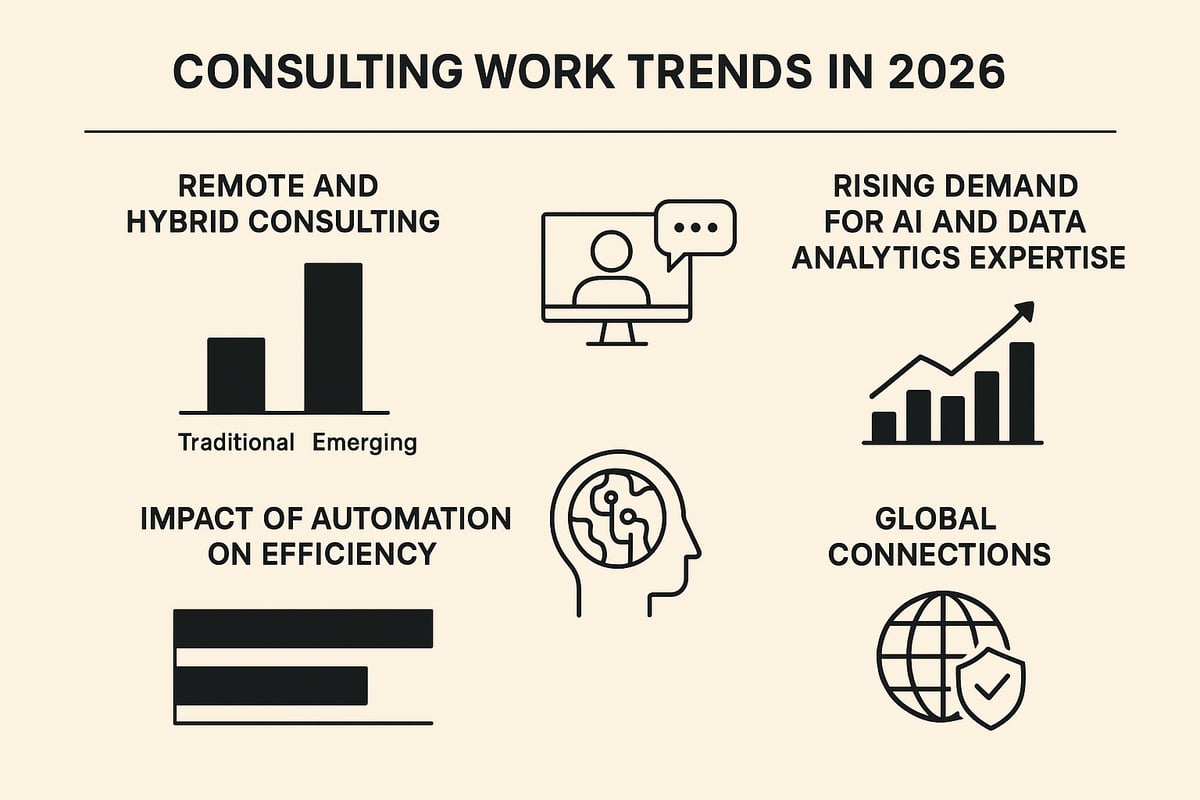
Consulting work in 2026 is shaped by several significant industry shifts. The rise of remote and hybrid consulting models is notable, with over 30,000 remote consulting jobs posted daily in 2024. This shift enables firms to access global talent and serve clients across borders.

Demand for specialized expertise is increasing, especially in areas like AI, data analytics, and digital transformation. Boutique firms and independent consultants are intensifying competition, pushing established firms to differentiate their offerings.

Clients now expect measurable ROI and prefer performance-based engagements. Consulting is expanding into non-traditional sectors, including healthcare, sustainability, and diversity, equity, and inclusion (DEI). Regulatory changes and compliance requirements also influence how consulting work is delivered. For a deeper dive into these shifts, review the Top Business Consulting Trends in 2026.

Consulting Niches and Emerging Markets

High-growth niches are redefining consulting work. AI implementation, sustainability consulting, and healthcare revenue optimization are leading the way. For example, the demand for AI and data strategy consulting has surged, while healthcare revenue cycle management (RCM) is now a core service.

Industry-specific knowledge sets top consultants apart. Those who understand the unique challenges of sectors like healthcare or sustainability can offer more targeted solutions. Underserved international markets and remote-first organizations present new opportunities for growth.

Consultants who focus on these emerging niches can build strong reputations and attract clients seeking specialized support. This approach helps them stand out in a crowded consulting work marketplace.

The Impact of Technology and Automation

Technology and automation are revolutionizing consulting work. AI, automation, and analytics are now integral to consulting workflows. These tools streamline manual processes, boost efficiency, and increase scalability.

Consultants are leveraging digital platforms for client delivery and collaboration. Data-driven decision-making has become a key value proposition, allowing consultants to deliver precise, actionable insights. Automation frees up time for high-value tasks, while integration of client systems enhances operational efficiency.

As technology advances, consulting work will continue to evolve. Consultants who embrace these changes, invest in new tools, and prioritize data security will remain at the forefront of the industry.

Core Skills and Competencies for Future Consultants

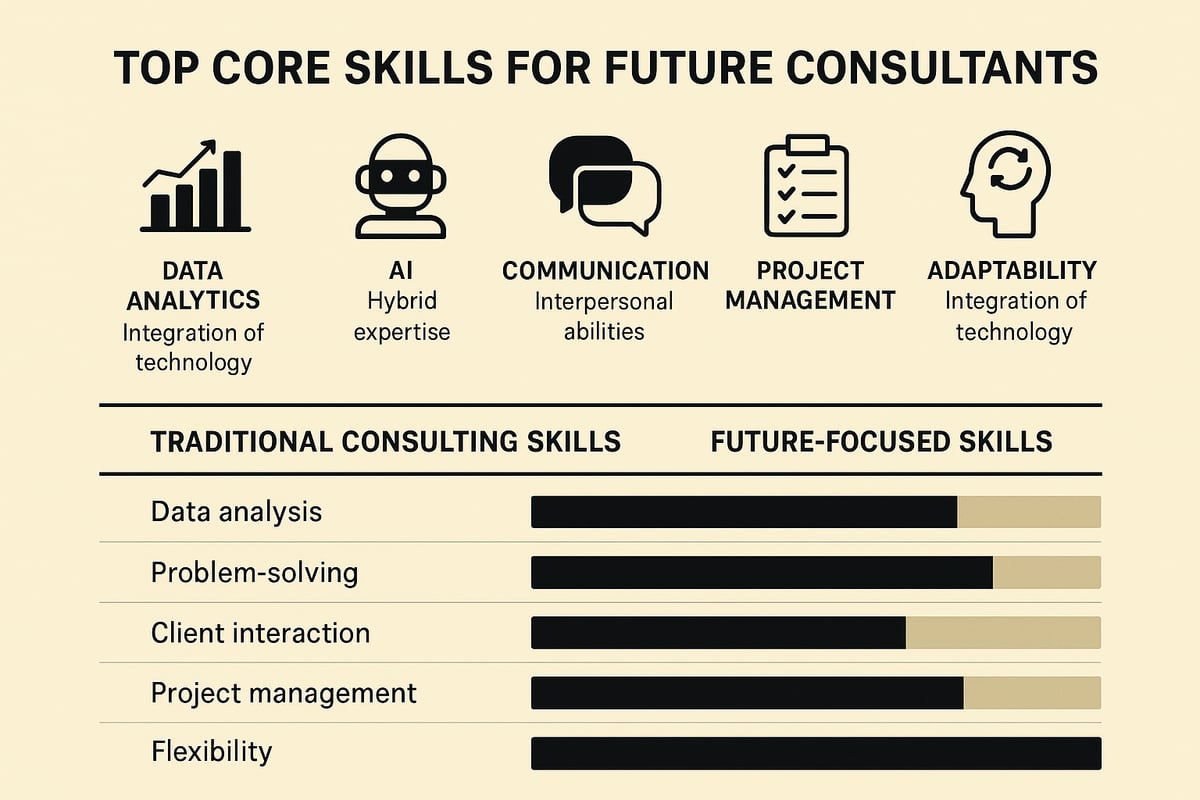
In the rapidly shifting landscape of consulting work, core skills and competencies are evolving as quickly as client expectations. Success in 2026 requires a fusion of technical expertise, strategic thinking, and exceptional people skills. Consultants who master these areas will be well-positioned to lead and deliver value in any scenario.
Core Skills and Competencies for Future Consultants

Technical and Analytical Proficiency

The foundation of modern consulting work is a deep proficiency in technical and analytical domains. Consultants are expected to interpret complex data, leverage business intelligence platforms, and translate raw insights into actionable recommendations for clients.

Key skills include:

  • Mastery of data analytics tools such as Tableau and Power BI
  • Familiarity with AI and automation platforms
  • Advanced spreadsheet and modeling techniques

Consultants must not only understand emerging technologies but also use them to streamline consulting work and generate measurable outcomes. The ability to bridge the gap between data and strategy is now a core differentiator in the field.

Interpersonal and Communication Skills

Exceptional interpersonal abilities are the bedrock of effective consulting work. As teams and clients become more distributed, consultants must excel at building trust and rapport in both virtual and hybrid settings.

Effective communication involves:

  • Delivering clear, persuasive presentations
  • Facilitating stakeholder interviews and needs assessments
  • Navigating negotiations and resolving conflicts diplomatically

Strong communication ensures that consulting work aligns with client expectations and drives long-term partnerships. Consultants who can articulate complex solutions in simple terms will stand out in a crowded market.

Adaptive and Strategic Thinking

Consulting work in 2026 will reward those who are agile and forward-thinking. The pace of industry change demands consultants who can quickly adapt to shifting client needs and market disruptions.

Key competencies include:

  • Scenario planning and strategic problem-solving
  • Embracing continuous learning and upskilling
  • Rapidly pivoting service offerings as new trends emerge

For an in-depth look at the essential skills and competencies shaping consulting work, see Critical Skills for Leaders in 2026. Developing an adaptive mindset is critical for navigating uncertainty and seizing new opportunities as they arise.

Project Management and Execution

Effective project management is central to delivering successful consulting work. Consultants must lead cross-functional teams, often in remote or hybrid environments, and ensure projects are completed on time, within scope, and on budget.

Key practices include:

  • Utilizing agile methodologies tailored to consulting work
  • Coordinating distributed teams across time zones
  • Implementing standardized workflows for consistency

A disciplined approach to execution allows consultants to scale their impact and deliver consistent value, regardless of project complexity.

Example: Consulting roles now require hybrid expertise—e.g., a Solutions Architect must blend technical, business, and client management skills (Working Nomads job data).

Today's consulting work demands a hybrid skill set. For example, Solutions Architects are now expected to combine technical proficiency with business acumen and client relationship management. This blend of capabilities is becoming standard across all consulting work roles, reflecting the industry's shift toward integrated, multidisciplinary expertise.

Building and Sustaining Client Relationships

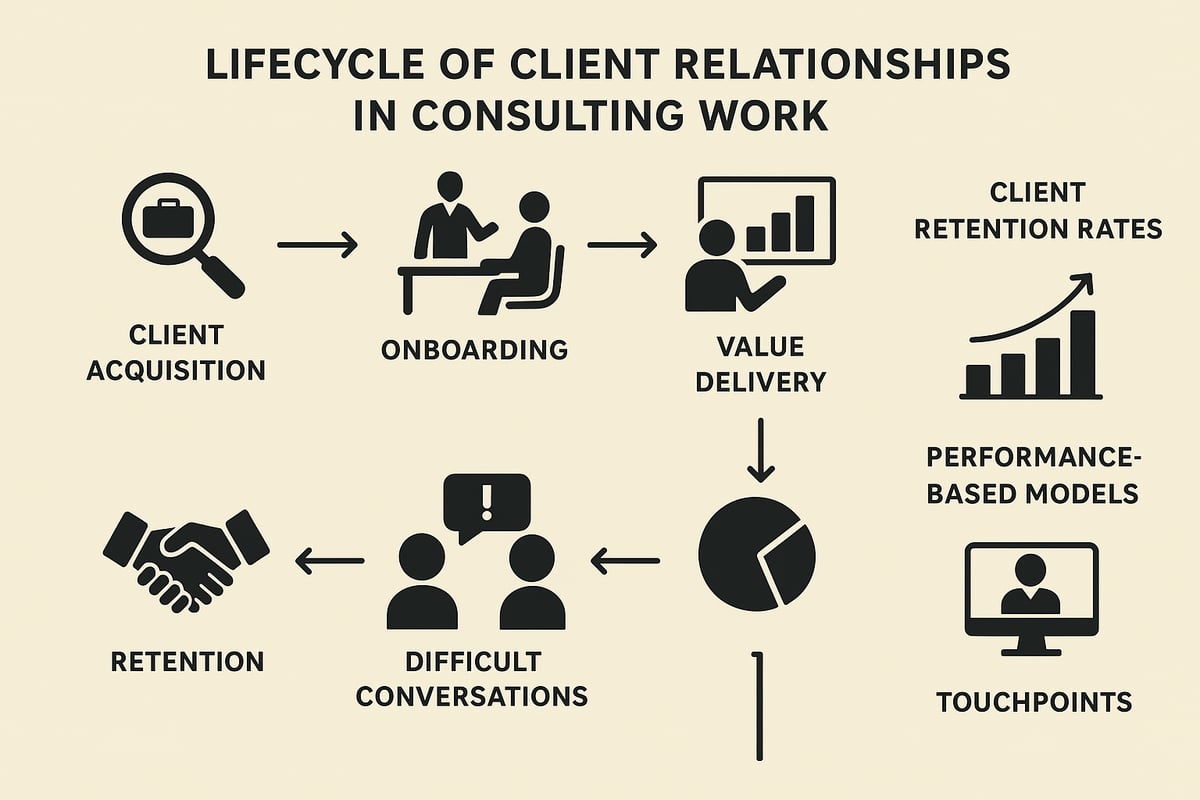
Building and sustaining strong client relationships is the cornerstone of successful consulting work. In a dynamic market, consultants must move beyond technical skills and focus on cultivating trust, delivering consistent value, and positioning themselves as indispensable partners. Let us explore proven strategies to help you win, onboard, serve, and retain clients for lasting growth in consulting work.
Building and Sustaining Client Relationships

Winning Clients in a Crowded Market

Standing out in the competitive world of consulting work requires more than a standard pitch. Clients are looking for consultants who can offer niche expertise and measurable outcomes. Begin by clearly defining your unique value proposition and highlight specialized skills that align with market demand.

Establishing thought leadership is essential. Publish insightful articles, speak at industry events, and share case studies that demonstrate your expertise. A strong online presence—through a professional website and active social media—helps prospective clients discover your consulting work.

Leverage growth strategies tailored to consulting by exploring resources like Maximizing B2B Growth Strategies, which provides actionable tactics for differentiation and business development. Remember, authority and transparency are your best marketing tools.

Effective Client Onboarding and Discovery

The onboarding process sets the tone for every consulting work engagement. Start with a thorough needs assessment to understand the client’s objectives, culture, and pain points. Conduct stakeholder interviews to gather diverse perspectives and uncover hidden challenges.

Collaborate on defining project scope and deliverables. Use discovery sessions to clarify expectations, identify risks, and agree on communication protocols. This collaborative approach ensures that consulting work aligns with client priorities from day one.

Documenting findings and confirming mutual understanding at each step helps avoid misunderstandings later. Effective onboarding builds the foundation for trust and smooth project execution.

Delivering Value and Fostering Trust

Clients measure the success of consulting work by results. Provide actionable, data-driven recommendations that address their most pressing challenges. Early in the engagement, demonstrate quick wins to build momentum and confidence.

Transparency is key. Maintain open communication and provide regular progress updates. Use clear reporting frameworks to show how your consulting work is driving measurable ROI. This approach reassures clients that their investment is delivering real impact.

Over time, consistently delivering value transforms your role from a vendor to a trusted advisor. Long-term trust is built on a track record of tangible, sustained results.

Navigating Difficult Conversations and Managing Expectations

Difficult conversations are inevitable in consulting work. Scope changes, delays, or shifting priorities can create tension if not managed proactively. Approach these situations by addressing issues early and diplomatically, always grounding discussions in data and case studies.

Use a collaborative tone to re-align expectations and propose solutions. For example, if project timelines slip, present a revised plan with supporting analysis. Proactive issue resolution and feedback loops demonstrate your commitment to partnership.

Mastering these moments enhances your credibility and shows clients that you are invested in their success throughout the consulting work engagement.

Retention, Upselling, and Long-Term Partnerships

Sustaining client relationships is more cost-effective than constantly seeking new business. Identify opportunities for expanded consulting work by regularly reviewing client needs and proposing relevant solutions.

Implement feedback mechanisms such as post-project surveys or quarterly reviews. Use this input to refine your services and address concerns promptly. Loyalty grows when clients see continuous improvement and high-impact results.

Consider performance-based consulting models, where compensation is tied to outcomes. These models are increasingly favored by clients seeking accountability and have proven to foster long-term partnerships in consulting work.

Retention Strategy Benefit to Consulting Work
Regular feedback sessions Service improvement
Performance-based contracts Increased client trust
Proactive solution proposals Expanded engagement opportunities

Building loyalty through trust and results ensures your consulting work remains in high demand for years to come.

Leveraging Technology for Consulting Excellence

Technology is rapidly transforming consulting work, making it essential for professionals to stay ahead of digital trends. To deliver exceptional results and maintain a competitive edge, consultants must master the latest tools, automation strategies, and virtual best practices.
Leveraging Technology for Consulting Excellence

Essential Digital Tools and Platforms

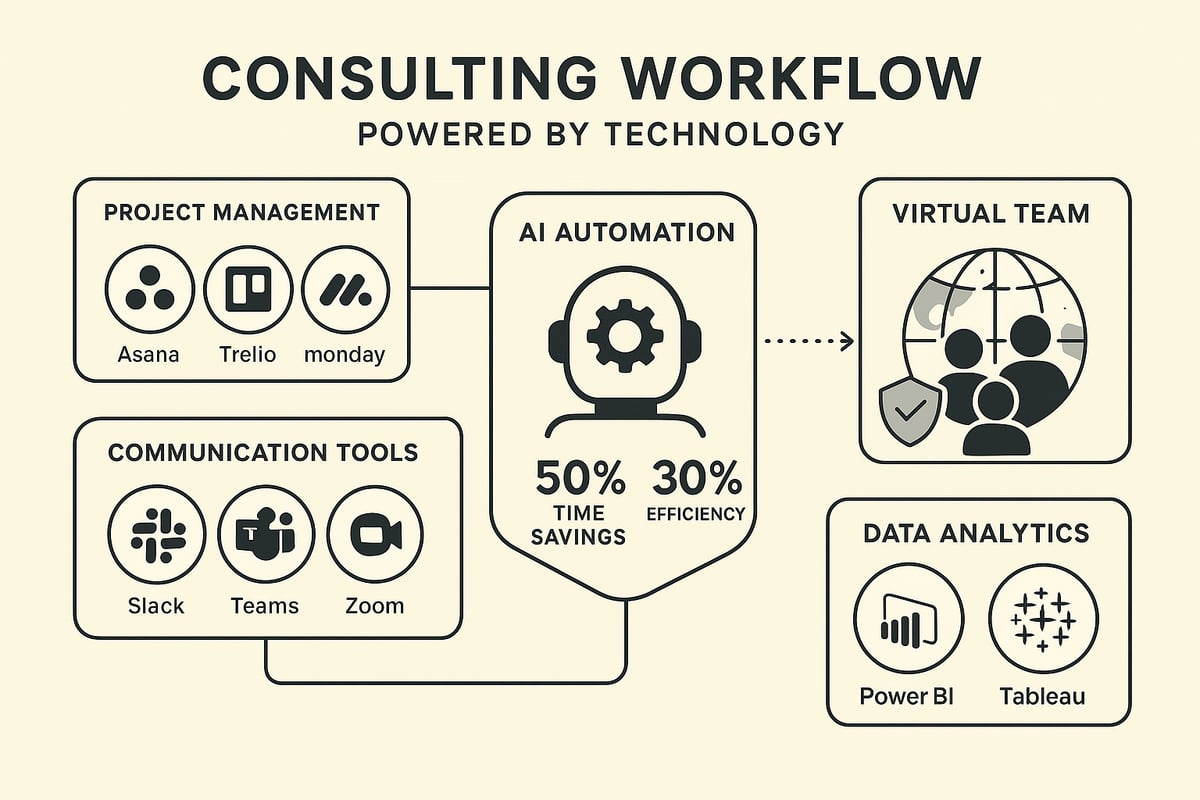
The foundation of modern consulting work lies in leveraging robust digital platforms. Project management tools such as Asana, Trello, and Monday.com help distributed teams coordinate tasks, monitor progress, and ensure timely delivery.

For seamless communication and collaboration, Slack, Teams, and Zoom enable consultants to connect with clients and colleagues across different locations. These platforms support real-time messaging, video meetings, and file sharing, which are vital for remote and hybrid consulting work.

Data analytics solutions like Power BI and Tableau empower consultants to extract actionable insights from complex data sets. By presenting data visually, these tools make it easier to communicate findings and recommendations to clients.

Comparison Table: Key Digital Platforms for Consulting Work

Category Leading Tools Primary Benefit
Project Mgmt Asana, Trello, Monday.com Task coordination
Communication Slack, Teams, Zoom Real-time collaboration
Data Analytics Power BI, Tableau Insightful reporting

Selecting the right combination of platforms is crucial for efficient and impactful consulting work.

AI, Automation, and Integration Strategies

AI and automation are revolutionizing consulting work by driving efficiency and enabling consultants to focus on high-value tasks. By automating routine processes such as data entry, reporting, and scheduling, firms can save significant time and resources.

Integration strategies allow consultants to connect disparate client systems, improving operational flow and data accuracy. Leveraging AI-driven insights, consultants can deliver more precise and impactful recommendations that directly support client objectives.

To stay competitive, consulting work must continually adapt to these technological advances. For a deeper dive into how leading firms are implementing these solutions, see AI and Automation Integration Solutions.

Automation not only streamlines internal workflows but also enhances client satisfaction through faster, more reliable results.

Cybersecurity and Data Privacy Considerations

As consulting work increasingly involves handling sensitive data, robust cybersecurity and privacy practices are non-negotiable. Consultants must ensure secure storage, transfer, and access of client information across all digital platforms.

Adhering to regulations like GDPR and HIPAA is critical for maintaining trust and avoiding costly breaches. Regular security audits, strong password protocols, and encrypted communication channels are essential components of a secure consulting work environment.

Firms should also provide ongoing cybersecurity training for consultants to stay updated on the latest threats. By prioritizing data privacy, consultants demonstrate their commitment to protecting client interests.

A proactive approach to cybersecurity not only safeguards information but also builds long-term credibility in consulting work.

Virtual Consulting Best Practices

With the rise of remote and hybrid models, consulting work now often takes place across digital channels. Delivering impactful workshops and presentations remotely requires mastering virtual facilitation tools and techniques.

Best practices include using interactive features in Zoom or Teams, managing global project timelines with shared calendars, and fostering engagement with digital whiteboards. Consistent, transparent communication is key to building trust in virtual consulting work.

To ensure smooth collaboration, consultants should establish clear protocols for meetings, document sharing, and feedback loops. Embracing these best practices enables consultants to deliver exceptional value regardless of location.

Consulting work that excels in virtual environments is well-positioned to serve a global client base and adapt to future shifts in the industry.

Business Development and Growth Strategies for 2026

The future of consulting work demands a proactive, data-driven approach to business development. As the market becomes more competitive, success in 2026 will depend on identifying high-potential opportunities, building agile practices, and embracing innovative methods for sustainable growth.

Identifying Profitable Niches and Target Markets

Identifying the right niche is essential for consulting work to stand out in a saturated marketplace. Start with comprehensive market research to uncover sectors experiencing rapid growth, such as healthcare, technology, and finance. Analyze trends, client pain points, and recurring needs.

Utilize industry reports and resources like the Professional Services Industry Outlook 2026 to stay ahead of emerging demands. Focus on areas where your consulting work can deliver specialized value, such as AI implementation or regulatory compliance, to attract clients seeking targeted expertise.

Building a Scalable Consulting Practice

Scalability is crucial for sustainable consulting work. Standardize your service offerings and delivery frameworks to ensure consistency and efficiency. Develop playbooks, templates, and best practices that can be replicated across projects.

Hire and train remote or hybrid teams to expand capacity while maintaining flexibility. Leverage digital tools to streamline operations, improve collaboration, and support distributed teams. By building a scalable foundation, your consulting work can adapt quickly to market changes and client needs.

Marketing and Lead Generation Tactics

Effective marketing is the engine of consulting work growth. Invest in inbound marketing, such as webinars and thought leadership articles, to build authority and attract qualified leads. Maintain an active online presence through your website and professional platforms.

Network within online communities and industry associations to expand your reach. Use content marketing to showcase case studies and success stories, positioning your consulting work as a trusted solution for client challenges. Consistent engagement builds credibility and drives sustained lead generation.

Pricing Models and Performance-Based Engagements

Choosing the right pricing model can differentiate your consulting work and build client trust. Consider value-based, retainer, or performance-driven pricing to align incentives with client outcomes. Performance-based engagements, where compensation is tied to measurable results, are increasingly favored.

Pricing Model Features Client Appeal
Value-Based Fees reflect delivered value High
Retainer Ongoing monthly fee Medium
Performance-Based Pay-for-results, outcome-linked Very High

Clients prefer models that guarantee ROI, making performance-based consulting work a competitive advantage.

Partnerships, Alliances, and Vendor Relationships

Strategic partnerships enhance consulting work by broadening service offerings and capabilities. Collaborate with technology providers to deliver integrated solutions or form alliances with complementary consultants for more comprehensive projects.

Vendor relationships can streamline operations and improve client outcomes. Consider adopting best practices from guides like Achieving Growth and Efficiency to further optimize your consulting work. Strong alliances position your firm for long-term success and adaptability.

Actionable Roadmap: Steps to Consulting Success in 2026

Achieving lasting success in consulting work by 2026 requires a deliberate, strategic approach. The following roadmap breaks down essential steps every consultant should follow to thrive in a dynamic market. By implementing these actions, you can future-proof your practice and deliver exceptional value to clients.

Step 1: Assess Your Strengths and Market Position

Begin by conducting a thorough SWOT analysis of your consulting work. Identify where your expertise stands out, your weaknesses, and the unique value you offer. Consider what sets you apart from competitors.

For example, consultants with specialized skills in AI or automation are seeing greater demand and can command higher fees. Clearly define your competitive differentiators to position your consulting work for success.

Step 2: Upskill and Certify in High-Demand Areas

Continuous learning is vital for staying relevant in consulting work. Invest in certifications in areas like AI, data analytics, and project management. Regularly review updates on industry trends and regulatory changes.

To access the latest thought leadership and best practices, explore Articles and Consulting Insights. This resource can help you develop skills that are most in demand and ensure your consulting work remains competitive.

Step 3: Optimize Your Digital Presence and Brand

A strong digital presence is essential for modern consulting work. Build a professional website that highlights your services, case studies, and client testimonials. Keep your LinkedIn profile updated and active with relevant content.

Share thought leadership, participate in online discussions, and showcase your expertise. This visibility helps attract clients and builds trust in your consulting work.

Step 4: Implement Technology and Automation Tools

Technology is reshaping consulting work at every level. Adopt project management platforms, collaboration tools, and AI-powered solutions to streamline operations. Automation can save time on repetitive tasks, allowing you to focus on strategic initiatives.

Industry projections show that technology-driven consulting work is expected to surpass $400 billion globally by 2026 (Tech Consulting Market Projections for 2026). Embrace these trends to stay ahead of the curve.

Step 5: Develop a Repeatable Client Acquisition Process

Standardize your lead generation, proposal, and onboarding workflows for consulting work. Use a CRM system to track prospects and manage relationships efficiently.

Create clear templates for discovery sessions and proposals. This consistency not only saves time but also ensures clients experience a professional, seamless journey with your consulting work.

Step 6: Focus on Delivering Tangible Value and Measurable Results

Every consulting work engagement should start with well-defined KPIs and reporting frameworks. Set clear expectations and deliver actionable, data-backed recommendations.

Collect feedback after each project to refine your approach. By consistently demonstrating measurable results, you build trust and encourage repeat business for your consulting work.

Step 7: Build Resilience and Agility for the Future

The consulting work environment is constantly evolving. Monitor market shifts and be ready to adjust your service offerings. Foster a culture of innovation and adaptability within your firm.

Regularly review and update processes to maintain a competitive edge. Firms that embrace change and encourage learning consistently outperform peers in client retention and revenue growth.


Article written using RankPill.

Essential Guide to Consulting Work: Strategies for 2026 Success

Unlocking success in consulting work in 2026 means mastering more than your area of expertise. Adaptability, innovation, and strategic foresight are now essential for every consultant aiming to stay competitive.

This guide equips you with actionable strategies and industry insights to navigate the shifting landscape of consulting work. Discover proven client engagement techniques, essential skills for the future, and the technology trends shaping tomorrow’s opportunities.

Get ready to explore a comprehensive roadmap for consulting excellence, helping you thrive and grow in a rapidly evolving world.

The Evolving Consulting Landscape in 2026

The landscape of consulting work is transforming rapidly as we approach 2026. Driven by technological innovation, changing client expectations, and global shifts, consultants must adapt to remain competitive. Understanding these changes is essential for anyone seeking long-term success in consulting work.

The Evolving Consulting Landscape in 2026

Major Industry Shifts and Trends

Consulting work in 2026 is shaped by several significant industry shifts. The rise of remote and hybrid consulting models is notable, with over 30,000 remote consulting jobs posted daily in 2024. This shift enables firms to access global talent and serve clients across borders.

Demand for specialized expertise is increasing, especially in areas like AI, data analytics, and digital transformation. Boutique firms and independent consultants are intensifying competition, pushing established firms to differentiate their offerings.

Clients now expect measurable ROI and prefer performance-based engagements. Consulting is expanding into non-traditional sectors, including healthcare, sustainability, and diversity, equity, and inclusion (DEI). Regulatory changes and compliance requirements also influence how consulting work is delivered. For a deeper dive into these shifts, review the Top Business Consulting Trends in 2026.

Consulting Niches and Emerging Markets

High-growth niches are redefining consulting work. AI implementation, sustainability consulting, and healthcare revenue optimization are leading the way. For example, the demand for AI and data strategy consulting has surged, while healthcare revenue cycle management (RCM) is now a core service.

Industry-specific knowledge sets top consultants apart. Those who understand the unique challenges of sectors like healthcare or sustainability can offer more targeted solutions. Underserved international markets and remote-first organizations present new opportunities for growth.

Consultants who focus on these emerging niches can build strong reputations and attract clients seeking specialized support. This approach helps them stand out in a crowded consulting work marketplace.

The Impact of Technology and Automation

Technology and automation are revolutionizing consulting work. AI, automation, and analytics are now integral to consulting workflows. These tools streamline manual processes, boost efficiency, and increase scalability.

Consultants are leveraging digital platforms for client delivery and collaboration. Data-driven decision-making has become a key value proposition, allowing consultants to deliver precise, actionable insights. Automation frees up time for high-value tasks, while integration of client systems enhances operational efficiency.

As technology advances, consulting work will continue to evolve. Consultants who embrace these changes, invest in new tools, and prioritize data security will remain at the forefront of the industry.

Core Skills and Competencies for Future Consultants

In the rapidly shifting landscape of consulting work, core skills and competencies are evolving as quickly as client expectations. Success in 2026 requires a fusion of technical expertise, strategic thinking, and exceptional people skills. Consultants who master these areas will be well-positioned to lead and deliver value in any scenario.

Core Skills and Competencies for Future Consultants

Technical and Analytical Proficiency

The foundation of modern consulting work is a deep proficiency in technical and analytical domains. Consultants are expected to interpret complex data, leverage business intelligence platforms, and translate raw insights into actionable recommendations for clients.

Key skills include:

  • Mastery of data analytics tools such as Tableau and Power BI
  • Familiarity with AI and automation platforms
  • Advanced spreadsheet and modeling techniques

Consultants must not only understand emerging technologies but also use them to streamline consulting work and generate measurable outcomes. The ability to bridge the gap between data and strategy is now a core differentiator in the field.

Interpersonal and Communication Skills

Exceptional interpersonal abilities are the bedrock of effective consulting work. As teams and clients become more distributed, consultants must excel at building trust and rapport in both virtual and hybrid settings.

Effective communication involves:

  • Delivering clear, persuasive presentations
  • Facilitating stakeholder interviews and needs assessments
  • Navigating negotiations and resolving conflicts diplomatically

Strong communication ensures that consulting work aligns with client expectations and drives long-term partnerships. Consultants who can articulate complex solutions in simple terms will stand out in a crowded market.

Adaptive and Strategic Thinking

Consulting work in 2026 will reward those who are agile and forward-thinking. The pace of industry change demands consultants who can quickly adapt to shifting client needs and market disruptions.

Key competencies include:

  • Scenario planning and strategic problem-solving
  • Embracing continuous learning and upskilling
  • Rapidly pivoting service offerings as new trends emerge

For an in-depth look at the essential skills and competencies shaping consulting work, see Critical Skills for Leaders in 2026. Developing an adaptive mindset is critical for navigating uncertainty and seizing new opportunities as they arise.

Project Management and Execution

Effective project management is central to delivering successful consulting work. Consultants must lead cross-functional teams, often in remote or hybrid environments, and ensure projects are completed on time, within scope, and on budget.

Key practices include:

  • Utilizing agile methodologies tailored to consulting work
  • Coordinating distributed teams across time zones
  • Implementing standardized workflows for consistency

A disciplined approach to execution allows consultants to scale their impact and deliver consistent value, regardless of project complexity.

Example: Consulting roles now require hybrid expertise—e.g., a Solutions Architect must blend technical, business, and client management skills (Working Nomads job data).

Today's consulting work demands a hybrid skill set. For example, Solutions Architects are now expected to combine technical proficiency with business acumen and client relationship management. This blend of capabilities is becoming standard across all consulting work roles, reflecting the industry's shift toward integrated, multidisciplinary expertise.

Building and Sustaining Client Relationships

Building and sustaining strong client relationships is the cornerstone of successful consulting work. In a dynamic market, consultants must move beyond technical skills and focus on cultivating trust, delivering consistent value, and positioning themselves as indispensable partners. Let us explore proven strategies to help you win, onboard, serve, and retain clients for lasting growth in consulting work.

Building and Sustaining Client Relationships

Winning Clients in a Crowded Market

Standing out in the competitive world of consulting work requires more than a standard pitch. Clients are looking for consultants who can offer niche expertise and measurable outcomes. Begin by clearly defining your unique value proposition and highlight specialized skills that align with market demand.

Establishing thought leadership is essential. Publish insightful articles, speak at industry events, and share case studies that demonstrate your expertise. A strong online presence—through a professional website and active social media—helps prospective clients discover your consulting work.

Leverage growth strategies tailored to consulting by exploring resources like Maximizing B2B Growth Strategies, which provides actionable tactics for differentiation and business development. Remember, authority and transparency are your best marketing tools.

Effective Client Onboarding and Discovery

The onboarding process sets the tone for every consulting work engagement. Start with a thorough needs assessment to understand the client’s objectives, culture, and pain points. Conduct stakeholder interviews to gather diverse perspectives and uncover hidden challenges.

Collaborate on defining project scope and deliverables. Use discovery sessions to clarify expectations, identify risks, and agree on communication protocols. This collaborative approach ensures that consulting work aligns with client priorities from day one.

Documenting findings and confirming mutual understanding at each step helps avoid misunderstandings later. Effective onboarding builds the foundation for trust and smooth project execution.

Delivering Value and Fostering Trust

Clients measure the success of consulting work by results. Provide actionable, data-driven recommendations that address their most pressing challenges. Early in the engagement, demonstrate quick wins to build momentum and confidence.

Transparency is key. Maintain open communication and provide regular progress updates. Use clear reporting frameworks to show how your consulting work is driving measurable ROI. This approach reassures clients that their investment is delivering real impact.

Over time, consistently delivering value transforms your role from a vendor to a trusted advisor. Long-term trust is built on a track record of tangible, sustained results.

Navigating Difficult Conversations and Managing Expectations

Difficult conversations are inevitable in consulting work. Scope changes, delays, or shifting priorities can create tension if not managed proactively. Approach these situations by addressing issues early and diplomatically, always grounding discussions in data and case studies.

Use a collaborative tone to re-align expectations and propose solutions. For example, if project timelines slip, present a revised plan with supporting analysis. Proactive issue resolution and feedback loops demonstrate your commitment to partnership.

Mastering these moments enhances your credibility and shows clients that you are invested in their success throughout the consulting work engagement.

Retention, Upselling, and Long-Term Partnerships

Sustaining client relationships is more cost-effective than constantly seeking new business. Identify opportunities for expanded consulting work by regularly reviewing client needs and proposing relevant solutions.

Implement feedback mechanisms such as post-project surveys or quarterly reviews. Use this input to refine your services and address concerns promptly. Loyalty grows when clients see continuous improvement and high-impact results.

Consider performance-based consulting models, where compensation is tied to outcomes. These models are increasingly favored by clients seeking accountability and have proven to foster long-term partnerships in consulting work.

Retention Strategy Benefit to Consulting Work
Regular feedback sessions Service improvement
Performance-based contracts Increased client trust
Proactive solution proposals Expanded engagement opportunities

Building loyalty through trust and results ensures your consulting work remains in high demand for years to come.

Leveraging Technology for Consulting Excellence

Technology is rapidly transforming consulting work, making it essential for professionals to stay ahead of digital trends. To deliver exceptional results and maintain a competitive edge, consultants must master the latest tools, automation strategies, and virtual best practices.

Leveraging Technology for Consulting Excellence

Essential Digital Tools and Platforms

The foundation of modern consulting work lies in leveraging robust digital platforms. Project management tools such as Asana, Trello, and Monday.com help distributed teams coordinate tasks, monitor progress, and ensure timely delivery.

For seamless communication and collaboration, Slack, Teams, and Zoom enable consultants to connect with clients and colleagues across different locations. These platforms support real-time messaging, video meetings, and file sharing, which are vital for remote and hybrid consulting work.

Data analytics solutions like Power BI and Tableau empower consultants to extract actionable insights from complex data sets. By presenting data visually, these tools make it easier to communicate findings and recommendations to clients.

Comparison Table: Key Digital Platforms for Consulting Work

Category Leading Tools Primary Benefit
Project Mgmt Asana, Trello, Monday.com Task coordination
Communication Slack, Teams, Zoom Real-time collaboration
Data Analytics Power BI, Tableau Insightful reporting

Selecting the right combination of platforms is crucial for efficient and impactful consulting work.

AI, Automation, and Integration Strategies

AI and automation are revolutionizing consulting work by driving efficiency and enabling consultants to focus on high-value tasks. By automating routine processes such as data entry, reporting, and scheduling, firms can save significant time and resources.

Integration strategies allow consultants to connect disparate client systems, improving operational flow and data accuracy. Leveraging AI-driven insights, consultants can deliver more precise and impactful recommendations that directly support client objectives.

To stay competitive, consulting work must continually adapt to these technological advances. For a deeper dive into how leading firms are implementing these solutions, see AI and Automation Integration Solutions.

Automation not only streamlines internal workflows but also enhances client satisfaction through faster, more reliable results.

Cybersecurity and Data Privacy Considerations

As consulting work increasingly involves handling sensitive data, robust cybersecurity and privacy practices are non-negotiable. Consultants must ensure secure storage, transfer, and access of client information across all digital platforms.

Adhering to regulations like GDPR and HIPAA is critical for maintaining trust and avoiding costly breaches. Regular security audits, strong password protocols, and encrypted communication channels are essential components of a secure consulting work environment.

Firms should also provide ongoing cybersecurity training for consultants to stay updated on the latest threats. By prioritizing data privacy, consultants demonstrate their commitment to protecting client interests.

A proactive approach to cybersecurity not only safeguards information but also builds long-term credibility in consulting work.

Virtual Consulting Best Practices

With the rise of remote and hybrid models, consulting work now often takes place across digital channels. Delivering impactful workshops and presentations remotely requires mastering virtual facilitation tools and techniques.

Best practices include using interactive features in Zoom or Teams, managing global project timelines with shared calendars, and fostering engagement with digital whiteboards. Consistent, transparent communication is key to building trust in virtual consulting work.

To ensure smooth collaboration, consultants should establish clear protocols for meetings, document sharing, and feedback loops. Embracing these best practices enables consultants to deliver exceptional value regardless of location.

Consulting work that excels in virtual environments is well-positioned to serve a global client base and adapt to future shifts in the industry.

Business Development and Growth Strategies for 2026

The future of consulting work demands a proactive, data-driven approach to business development. As the market becomes more competitive, success in 2026 will depend on identifying high-potential opportunities, building agile practices, and embracing innovative methods for sustainable growth.

Identifying Profitable Niches and Target Markets

Identifying the right niche is essential for consulting work to stand out in a saturated marketplace. Start with comprehensive market research to uncover sectors experiencing rapid growth, such as healthcare, technology, and finance. Analyze trends, client pain points, and recurring needs.

Utilize industry reports and resources like the Professional Services Industry Outlook 2026 to stay ahead of emerging demands. Focus on areas where your consulting work can deliver specialized value, such as AI implementation or regulatory compliance, to attract clients seeking targeted expertise.

Building a Scalable Consulting Practice

Scalability is crucial for sustainable consulting work. Standardize your service offerings and delivery frameworks to ensure consistency and efficiency. Develop playbooks, templates, and best practices that can be replicated across projects.

Hire and train remote or hybrid teams to expand capacity while maintaining flexibility. Leverage digital tools to streamline operations, improve collaboration, and support distributed teams. By building a scalable foundation, your consulting work can adapt quickly to market changes and client needs.

Marketing and Lead Generation Tactics

Effective marketing is the engine of consulting work growth. Invest in inbound marketing, such as webinars and thought leadership articles, to build authority and attract qualified leads. Maintain an active online presence through your website and professional platforms.

Network within online communities and industry associations to expand your reach. Use content marketing to showcase case studies and success stories, positioning your consulting work as a trusted solution for client challenges. Consistent engagement builds credibility and drives sustained lead generation.

Pricing Models and Performance-Based Engagements

Choosing the right pricing model can differentiate your consulting work and build client trust. Consider value-based, retainer, or performance-driven pricing to align incentives with client outcomes. Performance-based engagements, where compensation is tied to measurable results, are increasingly favored.

Pricing Model Features Client Appeal
Value-Based Fees reflect delivered value High
Retainer Ongoing monthly fee Medium
Performance-Based Pay-for-results, outcome-linked Very High

Clients prefer models that guarantee ROI, making performance-based consulting work a competitive advantage.

Partnerships, Alliances, and Vendor Relationships

Strategic partnerships enhance consulting work by broadening service offerings and capabilities. Collaborate with technology providers to deliver integrated solutions or form alliances with complementary consultants for more comprehensive projects.

Vendor relationships can streamline operations and improve client outcomes. Consider adopting best practices from guides like Achieving Growth and Efficiency to further optimize your consulting work. Strong alliances position your firm for long-term success and adaptability.

Actionable Roadmap: Steps to Consulting Success in 2026

Achieving lasting success in consulting work by 2026 requires a deliberate, strategic approach. The following roadmap breaks down essential steps every consultant should follow to thrive in a dynamic market. By implementing these actions, you can future-proof your practice and deliver exceptional value to clients.

Step 1: Assess Your Strengths and Market Position

Begin by conducting a thorough SWOT analysis of your consulting work. Identify where your expertise stands out, your weaknesses, and the unique value you offer. Consider what sets you apart from competitors.

For example, consultants with specialized skills in AI or automation are seeing greater demand and can command higher fees. Clearly define your competitive differentiators to position your consulting work for success.

Step 2: Upskill and Certify in High-Demand Areas

Continuous learning is vital for staying relevant in consulting work. Invest in certifications in areas like AI, data analytics, and project management. Regularly review updates on industry trends and regulatory changes.

To access the latest thought leadership and best practices, explore Articles and Consulting Insights. This resource can help you develop skills that are most in demand and ensure your consulting work remains competitive.

Step 3: Optimize Your Digital Presence and Brand

A strong digital presence is essential for modern consulting work. Build a professional website that highlights your services, case studies, and client testimonials. Keep your LinkedIn profile updated and active with relevant content.

Share thought leadership, participate in online discussions, and showcase your expertise. This visibility helps attract clients and builds trust in your consulting work.

Step 4: Implement Technology and Automation Tools

Technology is reshaping consulting work at every level. Adopt project management platforms, collaboration tools, and AI-powered solutions to streamline operations. Automation can save time on repetitive tasks, allowing you to focus on strategic initiatives.

Industry projections show that technology-driven consulting work is expected to surpass $400 billion globally by 2026 (Tech Consulting Market Projections for 2026). Embrace these trends to stay ahead of the curve.

Step 5: Develop a Repeatable Client Acquisition Process

Standardize your lead generation, proposal, and onboarding workflows for consulting work. Use a CRM system to track prospects and manage relationships efficiently.

Create clear templates for discovery sessions and proposals. This consistency not only saves time but also ensures clients experience a professional, seamless journey with your consulting work.

Step 6: Focus on Delivering Tangible Value and Measurable Results

Every consulting work engagement should start with well-defined KPIs and reporting frameworks. Set clear expectations and deliver actionable, data-backed recommendations.

Collect feedback after each project to refine your approach. By consistently demonstrating measurable results, you build trust and encourage repeat business for your consulting work.

Step 7: Build Resilience and Agility for the Future

The consulting work environment is constantly evolving. Monitor market shifts and be ready to adjust your service offerings. Foster a culture of innovation and adaptability within your firm.

Regularly review and update processes to maintain a competitive edge. Firms that embrace change and encourage learning consistently outperform peers in client retention and revenue growth.


Article written using RankPill.

Website developed in accordance with Web Content Accessibility Guidelines 2.2.
If you encounter any issues while using this site, please contact us: 215.526.5126