

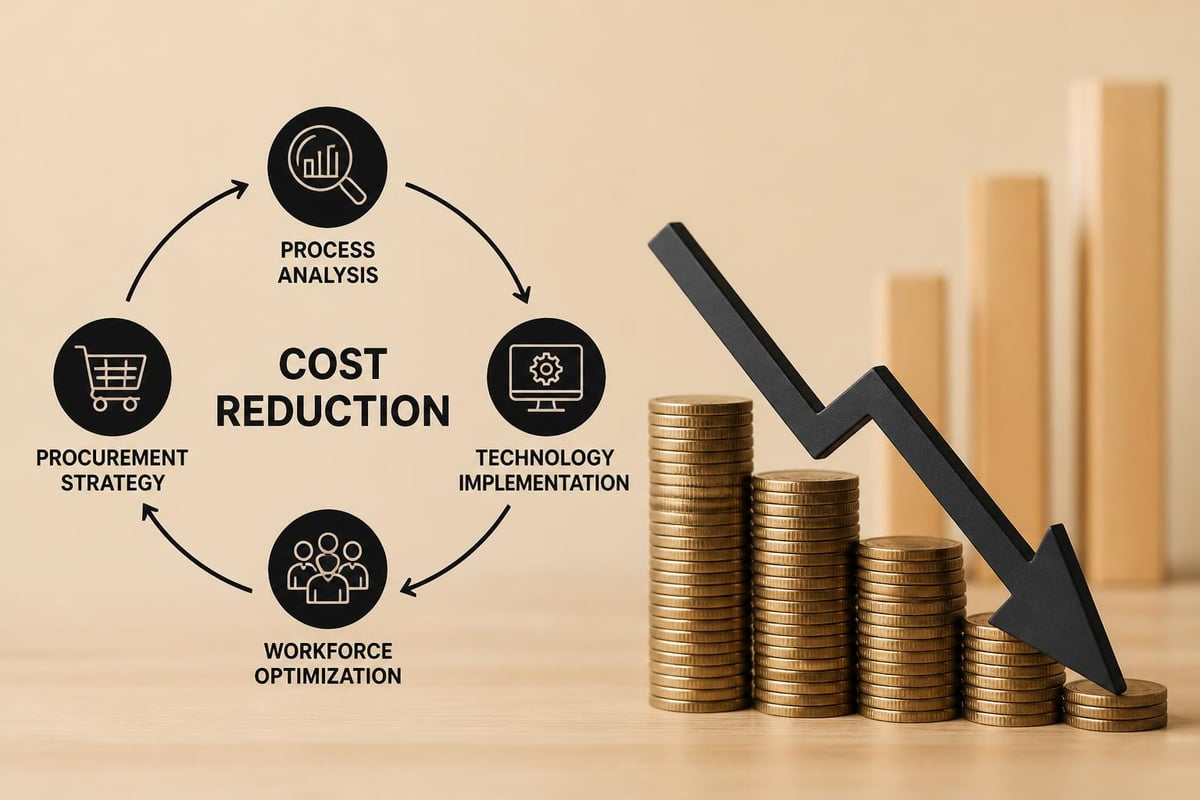
Organizations today face mounting pressure to deliver results while managing tighter budgets and evolving market demands. The pursuit of cost savings has transformed from a periodic exercise into a continuous strategic imperative that touches every department and function. Modern businesses recognize that sustainable cost reduction isn't about cutting corners but about optimizing operations, leveraging technology, and creating value through smarter resource allocation.
Understanding Strategic Cost Reduction in 2026
The landscape of business cost management has evolved dramatically over the past decade. Traditional approaches focused on broad budget cuts and workforce reductions have given way to sophisticated, data-driven strategies that preserve organizational capability while improving financial performance.
The Shift from Cost Cutting to Value Optimization
Modern cost savings initiatives prioritize long-term value creation over short-term expense reduction. This fundamental shift recognizes that the cheapest option rarely delivers the best outcome. Instead, organizations now focus on:
- Eliminating redundant processes that consume time without adding value
- Investing in automation technologies that reduce manual labor costs
- Optimizing vendor relationships to secure better pricing and terms
- Improving employee productivity through better tools and training
- Reducing waste in materials, energy, and operational overhead
Companies that implement strategic sourcing plans have demonstrated remarkable results. For instance, organizations achieving over $150 million in cost savings through procurement optimization show that systematic approaches to vendor management deliver measurable impact.
Measuring and Tracking Financial Impact
Effective cost savings programs require robust measurement frameworks that go beyond simple expense tracking. Organizations must establish clear baselines, set realistic targets, and monitor progress across multiple dimensions.
| Metric Category | Key Performance Indicators | Measurement Frequency |
|---|---|---|
| Operational Efficiency | Process cycle time, automation rate, error reduction | Monthly |
| Procurement | Supplier cost variance, contract compliance, payment terms | Quarterly |
| Labor Productivity | Output per employee, overtime hours, turnover costs | Monthly |
| Technology ROI | System utilization, manual hours eliminated, error rates | Quarterly |
The most successful initiatives combine quantitative metrics with qualitative assessments to understand the full picture of organizational improvement.
Automation and Integration as Cost Reduction Levers
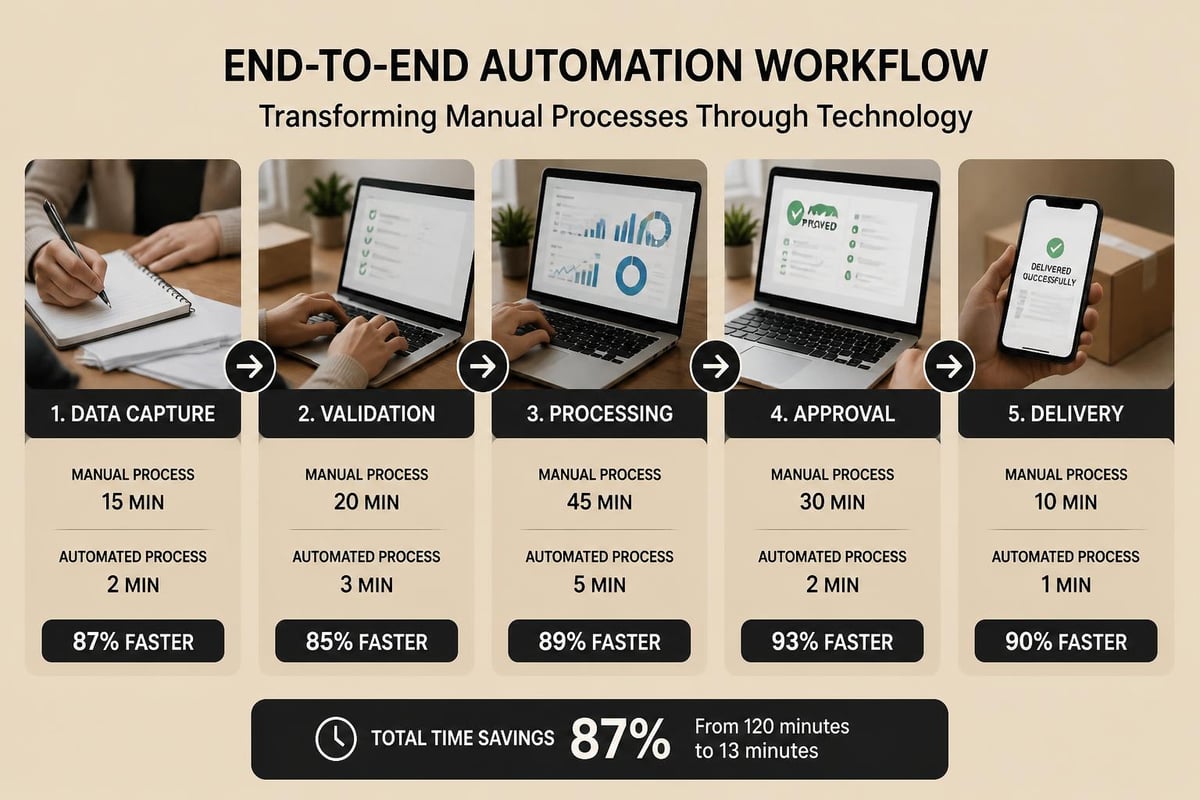
Technology-driven transformation represents one of the most powerful opportunities for sustainable cost savings in 2026. Organizations that embrace automation and integration eliminate repetitive manual tasks while improving accuracy and speed.
Identifying High-Impact Automation Opportunities
Not all processes deliver equal returns when automated. Organizations should prioritize automation investments based on several key factors:
Volume and Frequency: Tasks performed hundreds or thousands of times monthly offer the greatest potential for time savings. Data entry, invoice processing, report generation, and routine communications typically fall into this category.
Error Rates: Processes with high error rates due to manual intervention create downstream costs through rework, corrections, and customer dissatisfaction. Automating these workflows improves quality while reducing labor costs.
Labor Intensity: Functions requiring significant human hours for routine execution represent prime candidates for automation. This includes document routing, approval workflows, data synchronization, and compliance reporting.
Organizations exploring business automation benefits discover that even modest investments in the right technologies can eliminate thousands of hours annually.
Integration Strategies That Reduce Operational Friction
System integration solves a hidden cost problem: the time employees spend transferring information between disconnected applications. When customer relationship management, financial systems, human resources platforms, and operational tools don't communicate effectively, organizations pay for redundant data entry and struggle with accuracy issues.
Modern integration approaches include:
- Application Programming Interface (API) connections that enable real-time data flow between systems
- Robotic Process Automation (RPA) that mimics human interactions across multiple applications
- Middleware platforms that orchestrate complex workflows across diverse technology stacks
- Data synchronization tools that maintain consistency across multiple databases
- Cloud-based integration platforms that connect on-premises and cloud applications
The concept of digital twins as a cost reduction method demonstrates how virtual models optimize processes by simulating scenarios before implementing expensive changes in physical systems.
Procurement and Vendor Management Excellence
Strategic procurement represents a consistently underutilized source of cost savings for many organizations. Beyond simply negotiating lower unit prices, sophisticated procurement strategies address total cost of ownership, supplier relationships, and contract optimization.
Building a Strategic Sourcing Framework
Effective sourcing goes far beyond comparing vendor quotes. It requires a systematic approach to understanding spending patterns, supplier markets, and organizational requirements. Companies have realized €31 million in annual savings by overhauling procurement practices and implementing strategic sourcing methodologies.
Spend Analysis and Category Management: Organizations must first understand where money flows. Categorizing purchases by type, volume, and strategic importance enables targeted sourcing strategies for different spending categories.
Supplier Consolidation: Working with fewer suppliers often yields better pricing, simplified administration, and stronger relationships. However, consolidation must balance cost savings against supply chain risk.
Contract Optimization: Many organizations leave money on the table by failing to leverage volume discounts, negotiate payment terms, or enforce contract compliance. Regular contract reviews identify opportunities for renegotiation or competitive rebidding.
Total Cost of Ownership Considerations
The lowest initial price rarely represents the best value. Smart procurement evaluates:
- Acquisition costs including shipping, handling, and implementation
- Operating expenses such as maintenance, consumables, and energy usage
- Training requirements and learning curve impacts
- Quality and reliability factors that affect rework and replacement costs
- End-of-life disposal or recycling expenses
This holistic view prevents organizations from making penny-wise, pound-foolish purchasing decisions that create hidden costs downstream.
Human Capital Management and Productivity Enhancement
Employee-related expenses typically represent the largest cost category for professional services organizations. However, approaches that simply reduce headcount often damage organizational capability and morale while failing to address underlying inefficiencies.
Optimizing Workforce Productivity
Cost savings through human capital management focus on enabling employees to work more effectively rather than simply working harder. Achieving growth and efficiency in operations requires alignment between employee capabilities, organizational needs, and available tools.
Skills Development and Training: Well-trained employees make fewer mistakes, work more efficiently, and require less supervision. While training represents an upfront investment, it delivers returns through improved productivity and reduced error costs.
Performance Management Systems: Clear goals, regular feedback, and performance-based incentives help employees focus efforts on high-value activities that drive organizational results.
Workload Balancing: Uneven work distribution creates overtime costs in some areas while leaving capacity underutilized elsewhere. Data-driven workload management optimizes resource allocation across teams.
Employee Wellness as a Financial Strategy
Organizations increasingly recognize that employee health directly impacts financial performance. Healthcare costs, absenteeism, presenteeism (working while sick), and turnover all create significant expenses that wellness programs can address.
| Wellness Program Component | Average Annual Savings per Employee | Key Benefits |
|---|---|---|
| Preventive Health Screenings | $300-$500 | Early disease detection, reduced emergency care |
| Mental Health Support | $400-$800 | Reduced absenteeism, improved productivity |
| Financial Wellness Education | $200-$400 | Reduced financial stress, better retirement preparation |
| Physical Activity Initiatives | $250-$450 | Lower insurance premiums, fewer sick days |
These programs generate cost savings while simultaneously improving employee satisfaction and retention, which reduces recruitment and training expenses.
Revenue Cycle Management in Healthcare Organizations
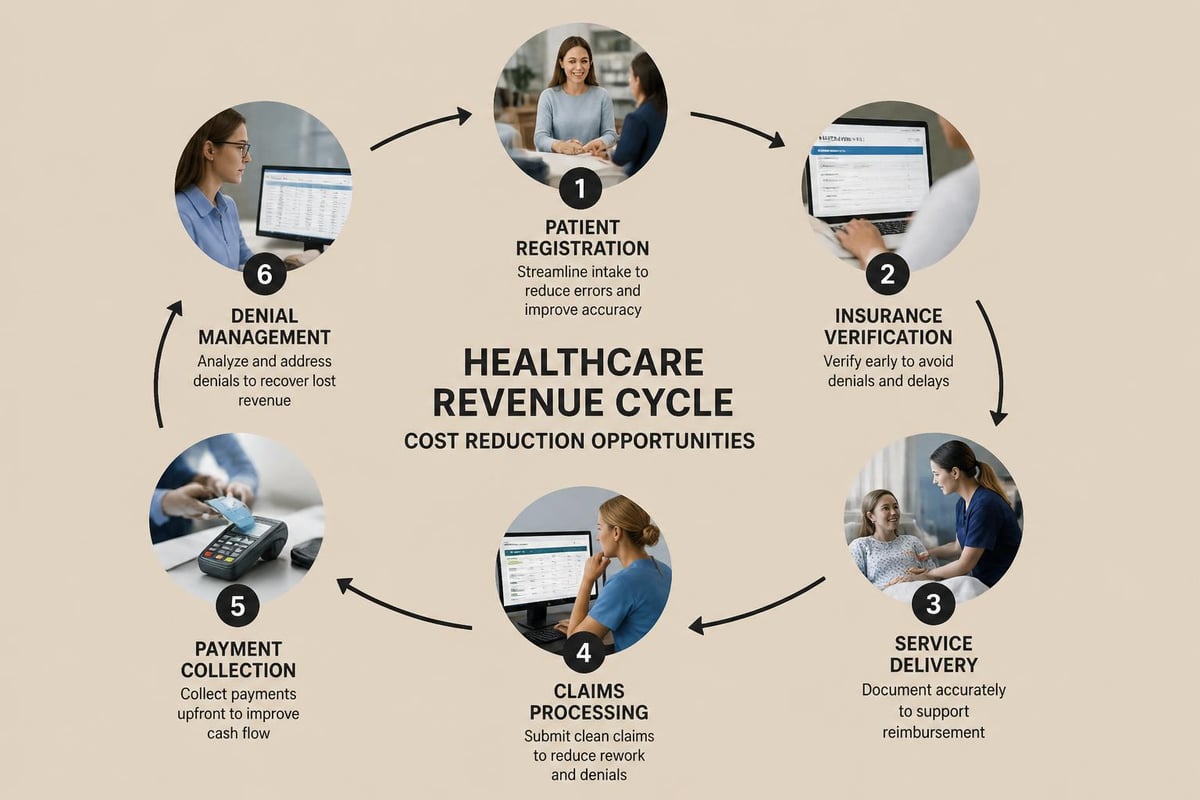
Healthcare providers face unique cost pressures stemming from complex billing processes, insurance claim management, and regulatory compliance requirements. Revenue cycle management optimization represents a critical opportunity for cost savings in this sector.
Reducing Claims Denials and Rejections
Every denied or rejected claim creates rework costs while delaying revenue recognition. Organizations can significantly reduce these expenses through:
- Front-end verification: Confirming insurance eligibility and pre-authorization before service delivery prevents downstream denials
- Coding accuracy: Proper medical coding the first time eliminates correction cycles and appeals
- Documentation completeness: Thorough clinical documentation supports medical necessity and appropriate reimbursement
- Automated claim scrubbing: Technology that identifies potential issues before claim submission reduces rejection rates
Healthcare systems implementing cost reduction initiatives while maintaining quality care demonstrate that operational excellence and financial performance complement rather than conflict with each other.
Streamlining Patient Access and Scheduling
Inefficient scheduling creates gaps in provider calendars that represent lost revenue opportunity. Similarly, cumbersome patient access processes increase administrative costs while creating patient frustration. Optimizing these front-office functions reduces no-show rates, improves resource utilization, and lowers administrative overhead.
Technology Infrastructure and Operational Efficiency
Technology represents both a significant expense and a powerful enabler of cost savings. Organizations must strategically manage IT investments to maximize value while controlling costs.
Cloud Migration and Infrastructure Optimization
Moving from on-premises infrastructure to cloud platforms can deliver substantial cost savings through:
- Reduced capital expenditure: Eliminating server purchases, data center maintenance, and hardware refresh cycles
- Consumption-based pricing: Paying only for resources actually used rather than maintaining excess capacity
- Reduced IT staffing requirements: Cloud providers handle infrastructure management, patching, and security
- Improved scalability: Adding or reducing capacity quickly without expensive infrastructure changes
- Enhanced disaster recovery: Built-in redundancy and backup capabilities without separate investments
However, cloud migration requires careful planning. Unmanaged cloud spending can exceed on-premises costs if organizations don't implement governance, monitoring, and optimization practices.
Software License Optimization
Many organizations pay for software licenses they don't fully utilize. Regular software audits identify opportunities to:
- Eliminate unused licenses and subscriptions
- Negotiate volume discounts based on actual usage patterns
- Consolidate overlapping tools that provide similar functionality
- Implement license management systems that track and optimize allocation
Businesses seeking practical cost-saving strategies benefit from systematic approaches to vendor management and contract optimization that uncover hidden savings opportunities.
Energy Efficiency and Sustainability Initiatives
Environmental sustainability and cost savings increasingly align as organizations discover that resource efficiency benefits both the planet and the bottom line.
Facility and Energy Management
Commercial buildings consume significant energy for heating, cooling, lighting, and equipment operation. Cost savings opportunities include:
LED Lighting Upgrades: While requiring upfront investment, LED technology reduces energy consumption by 75% compared to traditional lighting while lasting significantly longer.
HVAC Optimization: Smart thermostats, zone controls, and regular maintenance reduce heating and cooling costs without sacrificing comfort. Properly maintained systems operate more efficiently and require fewer repairs.
Energy Audits: Professional assessments identify specific opportunities for improvement tailored to each facility's characteristics and usage patterns.
Renewable Energy: Solar panels and other renewable sources reduce long-term energy costs while providing protection against utility rate increases.
Process Improvement Methodologies
Systematic process improvement approaches deliver sustainable cost savings by addressing root causes of inefficiency rather than treating symptoms.
Lean and Six Sigma Applications
These complementary methodologies help organizations eliminate waste and reduce variation. Integrating Six Sigma with lean initiatives has helped manufacturers achieve millions in savings through improved design and process optimization.
Lean Principles focus on:
- Identifying and eliminating non-value-added activities
- Reducing inventory and work-in-progress
- Streamlining workflows to minimize handoffs and delays
- Empowering employees to identify and solve problems
Six Sigma Techniques emphasize:
- Data-driven decision making and statistical analysis
- Reducing process variation to improve quality
- Defining clear metrics and control parameters
- Systematic problem-solving through DMAIC (Define, Measure, Analyze, Improve, Control)
Continuous Improvement Culture
One-time cost reduction initiatives deliver temporary benefits. Sustainable cost savings require embedding continuous improvement into organizational culture where employees at all levels actively seek opportunities for enhancement.
This cultural transformation involves:
- Leadership commitment and visible support for improvement initiatives
- Training employees in problem-solving methodologies and tools
- Creating safe environments where people can identify problems without fear
- Recognizing and rewarding successful improvement contributions
- Allocating time and resources for improvement activities
- Sharing successes across the organization to inspire further action
Financial Planning and Budget Management
Effective cost control begins with robust financial planning that aligns resources with strategic priorities while building in flexibility for changing circumstances.
Zero-Based Budgeting Approaches
Traditional incremental budgeting starts with last year's numbers and adjusts up or down. Zero-based budgeting requires justifying every expense from scratch, forcing critical examination of spending patterns and elimination of legacy costs that no longer serve organizational needs.
Implementation Steps:
- Define decision units (departments, projects, or functions)
- Analyze current spending and identify all cost components
- Develop decision packages that describe activities and associated costs
- Rank packages based on value and strategic importance
- Allocate budget starting with highest-priority packages
- Monitor execution and adjust as needed
This rigorous approach uncovers cost savings opportunities that incremental budgeting overlooks, though it requires significant time and analytical resources.
Cost Allocation and Activity-Based Costing
Understanding true costs of products, services, or customers enables better pricing decisions and resource allocation. Activity-based costing assigns overhead based on actual resource consumption rather than arbitrary allocation formulas, revealing which offerings truly generate profit and which drain resources.
Vendor Negotiations and Contract Management
Strong vendor relationships built on mutual benefit create more sustainable cost savings than purely adversarial negotiations focused only on price reduction.
Building Win-Win Vendor Partnerships
Smart organizations recognize that suppliers need reasonable margins to provide quality products, reliable service, and continuous innovation. Effective negotiations balance cost control with supplier viability by:
- Understanding supplier cost structures and margin requirements
- Offering longer-term commitments in exchange for better pricing
- Consolidating volume to increase purchasing leverage
- Providing forecast visibility that helps suppliers plan efficiently
- Streamlining ordering and payment processes to reduce supplier administrative costs
- Collaborating on innovation that benefits both parties
Contract Performance Management
Signing a favorable contract represents only the first step. Ongoing contract management ensures organizations actually realize negotiated benefits through:
- Regular vendor performance reviews against defined metrics
- Invoice auditing to catch billing errors and ensure contract compliance
- Tracking consumption patterns to identify optimization opportunities
- Proactive communication about changing needs or issues
- Scheduled contract reviews before renewal to reassess terms
- Market benchmarking to ensure competitive pricing over time
Risk Management and Insurance Optimization
Insurance represents a significant expense for most organizations, yet many pay more than necessary or carry inappropriate coverage.
Insurance Program Reviews
Annual insurance renewals often receive minimal scrutiny, yet systematic reviews can identify cost savings through:
Coverage Optimization: Ensuring policies align with current risks without gaps or unnecessary overlaps. As business operations evolve, insurance needs change.
Deductible Management: Higher deductibles reduce premiums, making sense when organizations have sufficient reserves to handle potential claims.
Loss Control Programs: Implementing safety initiatives, security measures, and risk management practices that reduce claim frequency and severity often leads to premium reductions.
Competitive Bidding: Regularly comparing offerings from multiple carriers ensures competitive pricing and coverage terms.
| Insurance Type | Average Savings Potential | Key Optimization Strategies |
|---|---|---|
| General Liability | 10-15% | Loss control, higher deductibles |
| Workers Compensation | 15-25% | Safety programs, return-to-work initiatives |
| Property Insurance | 10-20% | Risk mitigation, coverage adjustments |
| Cyber Insurance | 5-15% | Security improvements, employee training |
Payment Processing and Financial Services
Organizations processing customer payments often overlook opportunities for cost savings in merchant services and banking relationships. Understanding how to choose merchant services providers helps businesses reduce transaction costs while maintaining payment processing quality.
Merchant Services Optimization
Credit card processing fees can consume 2-3% of revenue for businesses that accept card payments. Reducing these costs requires understanding interchange rates, processor markups, and contract terms.
Rate Structure Analysis: Processors use various pricing models (tiered, interchange-plus, flat-rate) with different cost implications. Analyzing actual transaction data reveals which structure delivers the lowest total cost.
Equipment and Gateway Costs: Monthly equipment rentals and gateway fees add up over time. Purchasing equipment outright or negotiating better gateway terms can reduce these fixed costs.
PCI Compliance: Non-compliance fees represent avoidable expenses. Investing in compliant systems and processes eliminates these charges.
Sustainable cost savings stem from systematic approaches that optimize operations, leverage technology, and empower employees rather than simply cutting expenses. Organizations that embed efficiency into their culture while investing strategically in automation, wellness, and process improvement create lasting competitive advantages.
If you're ready to transform operational efficiency into measurable financial results, Nero and Associates, Inc. partners with organizations to implement automation solutions, optimize human capital management, and streamline revenue cycle processes that deliver documented cost savings while improving employee wellness and organizational capability.