
Did you know that the average cost of employee benefits is projected to climb by 8% in 2026, making them a top concern for organizations? As competition for talent intensifies, employee benefit plan design is now a crucial tool for attracting and retaining high performers.
This guide empowers HR leaders, business owners, and decision-makers with actionable strategies to build benefit plans that stand out in 2026. You will discover the fundamentals, a step-by-step design process, new compliance updates, technology integration, emerging trends, and ROI best practices.
Ready to transform your approach? Dive in and unlock the keys to effective benefit plan design for the year ahead.
Understanding Employee Benefit Plan Design Fundamentals
Modern organizations recognize that employee benefit plan design is not just a routine HR task. It is a strategic pillar shaping workforce satisfaction, productivity, and loyalty. As the employment landscape evolves, so do expectations around benefits, making a well-crafted approach essential for success in 2026.
What Is Employee Benefit Plan Design?
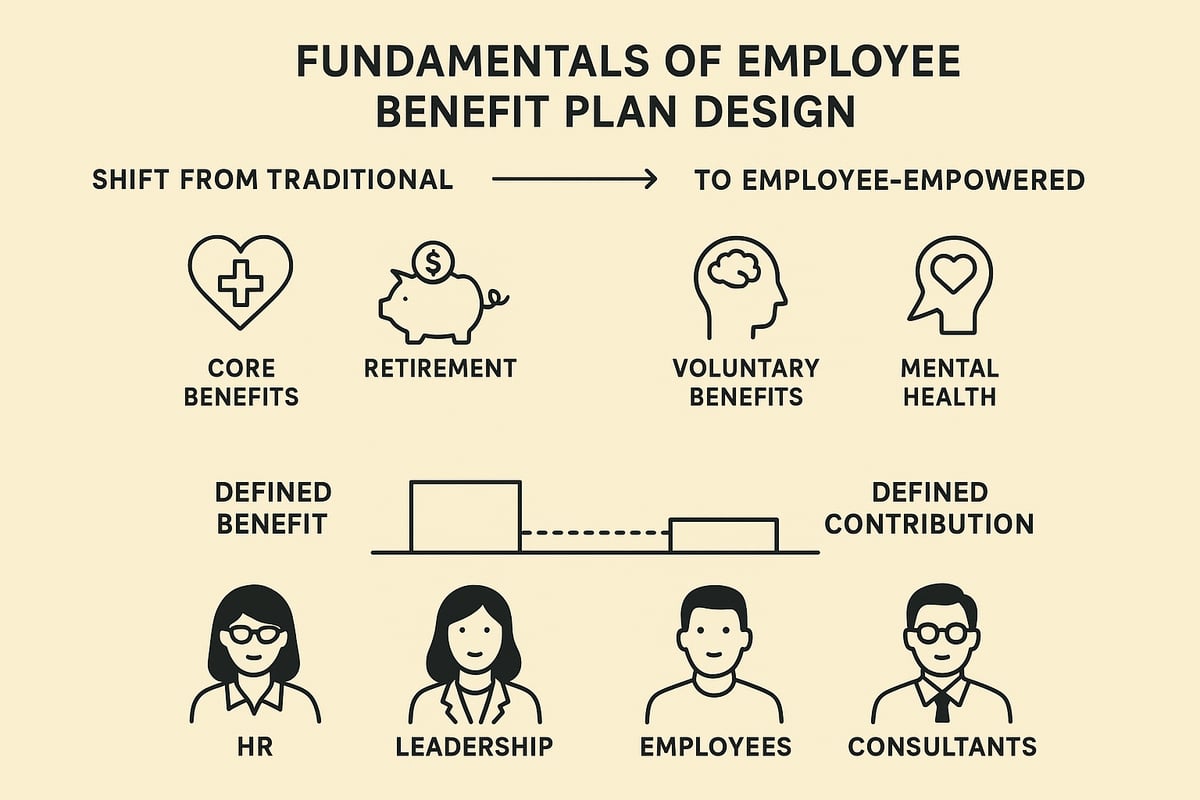
Employee benefit plan design refers to the structured process of creating, selecting, and managing the mix of benefits offered to employees. This process aligns benefits with organizational goals and workforce needs, making it a central component of talent strategy.
Core benefits typically include health insurance, retirement plans, and paid leave. Voluntary or fringe benefits, such as dental, vision, wellness programs, and mental health support, provide additional value and flexibility. The trend is moving from a paternalistic, one-size-fits-all model to an employee-empowered approach. Flexible benefits and wellness initiatives now allow employees to personalize their selections.
Consider these examples:
- Defined benefit plans (traditional pensions) vs. defined contribution plans (401(k)s)
- Flexible spending accounts and lifestyle stipends
- Onsite health programs or digital wellness platforms
Workforce diversity and generational differences play a growing role, as younger employees may prioritize student loan repayment or mental health, while others value robust retirement options. The right employee benefit plan design meets these varied needs.
Key Stakeholders and Their Roles
Successful employee benefit plan design depends on collaboration among several key stakeholders. Each has a unique responsibility in shaping and delivering benefits that work for everyone.
- HR professionals oversee plan selection, administration, and compliance.
- Leadership teams set the strategic direction and allocate budgets.
- Benefit administrators handle day-to-day operations and vendor management.
- External consultants bring market insight and compliance expertise.
- Employees contribute critical feedback, ensuring plans are relevant and valued.
Employee involvement is especially important. Regular surveys, focus groups, and open feedback channels help organizations tailor offerings and increase satisfaction. When each stakeholder fulfills their role, the result is a benefit plan that supports both organizational objectives and employee well-being.
The Business Case for Strategic Benefit Plan Design
A well-executed employee benefit plan design delivers measurable business value. Studies show companies with robust benefits experience up to 56% higher retention rates, lower absenteeism, and improved productivity.
Balancing employee value with employer affordability is crucial. Rising health care costs, projected to reach record highs in 2026, put additional pressure on budgets. According to Rising health care costs in 2026, employers face the highest health benefit cost increases in over a decade, underscoring the need for strategic planning.
Investing in a strong employee benefit plan design also enhances employer branding and competitive positioning. Organizations that offer attractive, relevant benefits are better able to attract and retain top talent, setting themselves apart in a tight labor market.
Step-by-Step Process for Designing an Employee Benefit Plan in 2026
A successful employee benefit plan design in 2026 requires a structured, data-driven approach. Each step in the process ensures your plan aligns with organizational goals, addresses workforce needs, and adapts to current trends and regulations. The following guide breaks down the process into seven actionable steps for HR leaders and decision-makers.
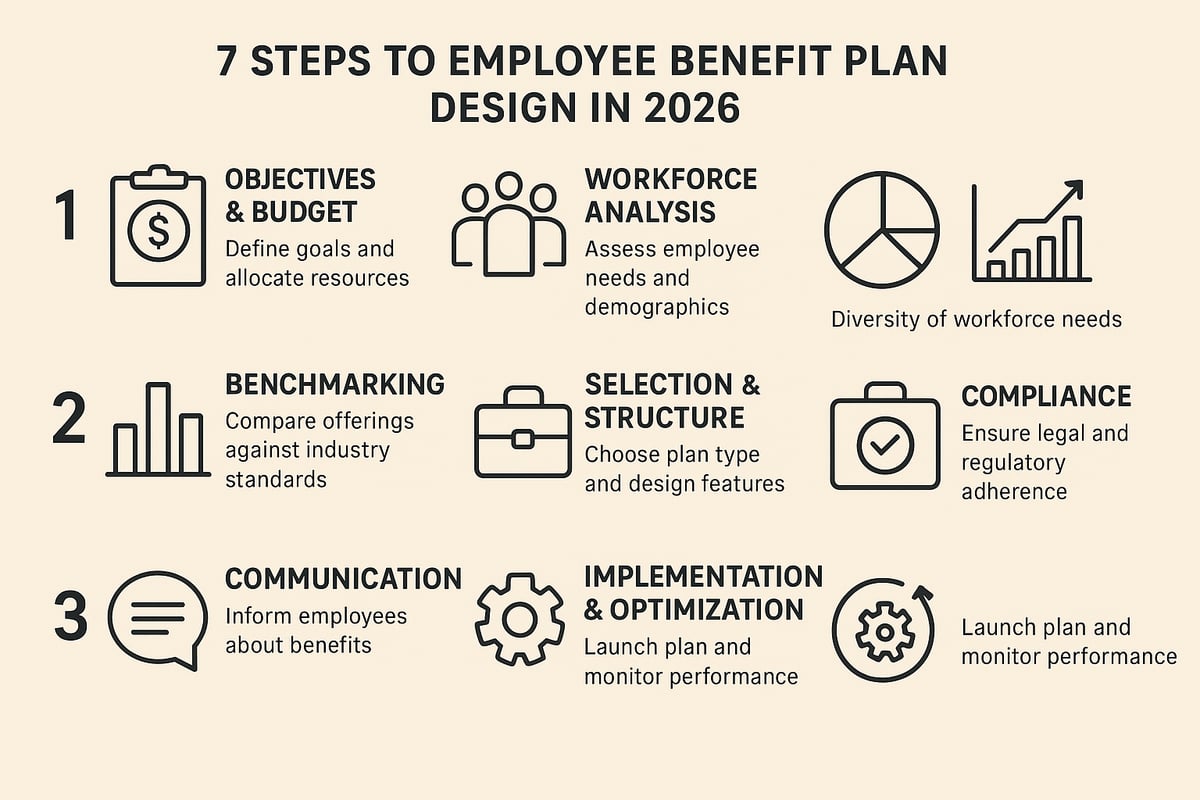
Step 1: Define Organizational Objectives and Budget
Start by aligning your employee benefit plan design with your company’s broader objectives. Are you aiming for rapid growth, improved retention, or greater diversity and inclusion? Set clear goals, then establish a benefits budget that considers rising healthcare costs and inflation.
Use benchmarking data to set realistic expectations. According to the 2026 employee benefits cost trends report, employers should anticipate an 8-10 percent increase in benefit costs, especially for medical and prescription coverage. This insight is vital for accurate employee benefit plan design budgeting.
Step 2: Analyze Workforce Demographics and Needs
A tailored employee benefit plan design begins with understanding your workforce. Analyze demographics such as age, gender, family status, and cultural background. Use surveys, focus groups, or interviews to collect feedback on current and desired benefits.
Review claims and usage data to spot gaps or underused offerings. For example, if mental health resources are rarely used, explore whether awareness or accessibility is an issue. Engaging employees at this stage ensures your plan resonates and supports retention.
Step 3: Benchmark Against Industry and Competitors
Competitive employee benefit plan design demands you stay informed about industry trends. Research what top employers in your sector offer, separating must-have benefits from nice-to-haves.
Consult third-party reports or brokers for impartial comparisons. Create a simple table to compare your offerings against competitors:
| Benefit Type | Your Plan | Industry Avg | Top Competitor |
|---|---|---|---|
| Medical | Yes | Yes | Yes |
| Dental | Yes | Yes | Yes |
| Mental Health | Limited | Full | Full |
This approach helps you identify gaps and opportunities for differentiation.
Step 4: Select and Structure Benefit Offerings
With insights in hand, structure your employee benefit plan design to cover core benefits (health, retirement, leave) and voluntary options (wellness, dental, vision). Flexibility is crucial in 2026—consider cafeteria or modular plans that let employees choose what fits their needs.
Ensure inclusivity by offering benefits for all life stages and backgrounds, such as parental leave for all caregivers or fertility support. Customization increases perceived value and satisfaction among a diverse workforce.
Step 5: Ensure Regulatory Compliance and Risk Management
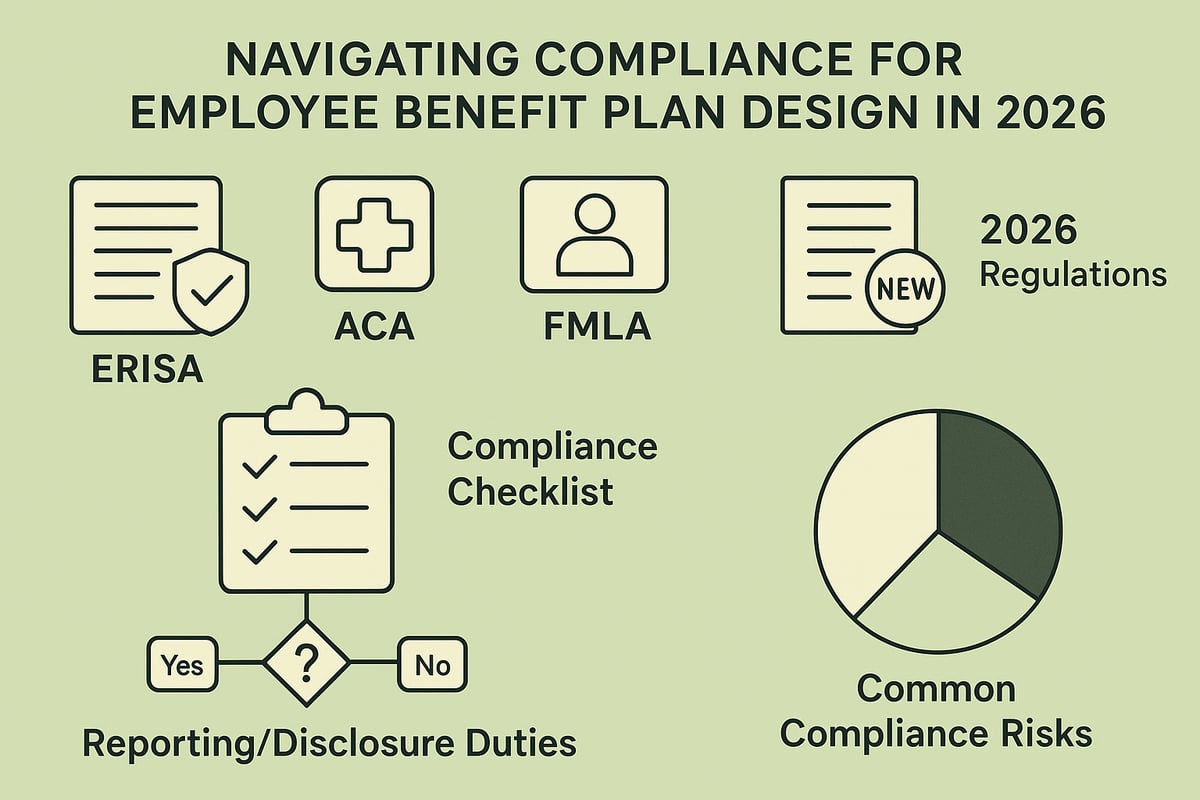
Compliance is a cornerstone of effective employee benefit plan design. Review all applicable laws (ERISA, ACA, FMLA, COBRA) and monitor updates for 2026, such as expanded telehealth or mental health parity requirements.
For multistate or global organizations, track regional regulations closely. Document processes, maintain accurate records, and assign fiduciary responsibilities to minimize legal risk. Schedule regular compliance audits to safeguard your organization.
Step 6: Communicate and Educate Employees
Clear communication is essential for maximizing the impact of your employee benefit plan design. Develop accessible materials—digital portals, explainer videos, and interactive Q&A sessions.
Highlight the total compensation package, not just salary. Use employee feedback to refine messaging and ensure all team members understand their options. Ongoing education drives participation and satisfaction.
Step 7: Implement, Monitor, and Optimize
Roll out your employee benefit plan design with simple enrollment and support tools. Set key performance indicators (KPIs) such as participation rates, satisfaction scores, and cost per employee.
Monitor results regularly. Use data analytics to detect shifts in employee needs or market trends. Schedule annual reviews to fine-tune your plan, ensuring it remains competitive and cost-effective.
Navigating Compliance and Regulatory Changes in 2026
Staying ahead of compliance is essential for any organization’s employee benefit plan design in 2026. Regulatory demands are evolving, and failing to keep up can result in costly penalties, reputational damage, or even loss of key talent. Understanding the legal framework, reporting duties, and new risk management strategies will help HR leaders and business owners safeguard their investment in employee benefit plan design.
Overview of Key Regulations Impacting Benefit Plans
Employee benefit plan design in 2026 must address a complex web of federal and state regulations. The Employee Retirement Income Security Act (ERISA), Affordable Care Act (ACA), Family and Medical Leave Act (FMLA), and COBRA remain foundational. However, new regulations for 2026—such as expanded mental health parity and telehealth mandates—are reshaping compliance requirements.
Multi-jurisdictional employers must pay close attention to both state-level and international laws. For a comprehensive summary of legislative and regulatory requirements, consult the 2026 employee benefits compliance guide.
Effective employee benefit plan design now requires proactive monitoring of legislative changes and early adaptation to ensure all offerings meet legal standards.
Reporting, Disclosure, and Fiduciary Duties
Transparent reporting and disclosure are at the heart of compliant employee benefit plan design. Plan administrators must provide Summary Plan Descriptions (SPDs) and Summary of Benefits and Coverage (SBCs) to all participants. These documents clarify benefit details, costs, and eligibility, supporting informed decision-making.
Administrators have fiduciary responsibilities, including acting solely in the interest of employees and beneficiaries. This means maintaining accurate records, adhering to reporting deadlines, and preparing for potential audits. Organizations should establish robust processes to ensure all disclosures are timely and complete, reducing the risk of compliance failures.
Risk Management and Legal Pitfalls
The landscape of employee benefit plan design is full of compliance risks. Common pitfalls include discriminatory benefit structures, incomplete documentation, and missed regulatory deadlines. Recent enforcement actions highlight the importance of thorough recordkeeping and consistent plan administration.
To mitigate these risks, organizations should conduct regular compliance reviews, document all plan changes, and provide ongoing training for HR and benefit administrators. Staying informed about new legal developments is critical for avoiding costly penalties and protecting organizational integrity.
Leveraging Expert Resources and Technology
Expert guidance is invaluable in navigating the complexities of employee benefit plan design. Partnering with legal counsel, compliance consultants, and HR technology providers can streamline regulatory tracking and reporting. Automated compliance platforms help monitor plan status, alert teams of upcoming deadlines, and simplify audit preparation.
By leveraging technology and expert partnerships, organizations can reduce administrative burdens and maintain confidence in their compliance posture. This proactive approach enables HR leaders to focus on delivering value through employee benefit plan design while minimizing legal risks.
Integrating Technology into Benefits Administration
Technology is transforming employee benefit plan design in 2026, making administration more efficient and employee-focused. Modern HR teams rely on digital tools to streamline processes, enhance transparency, and deliver a better experience. As organizations face increasingly complex benefits needs, integrating technology is no longer optional but essential for success.
The Role of HR Technology in Modern Benefit Plans
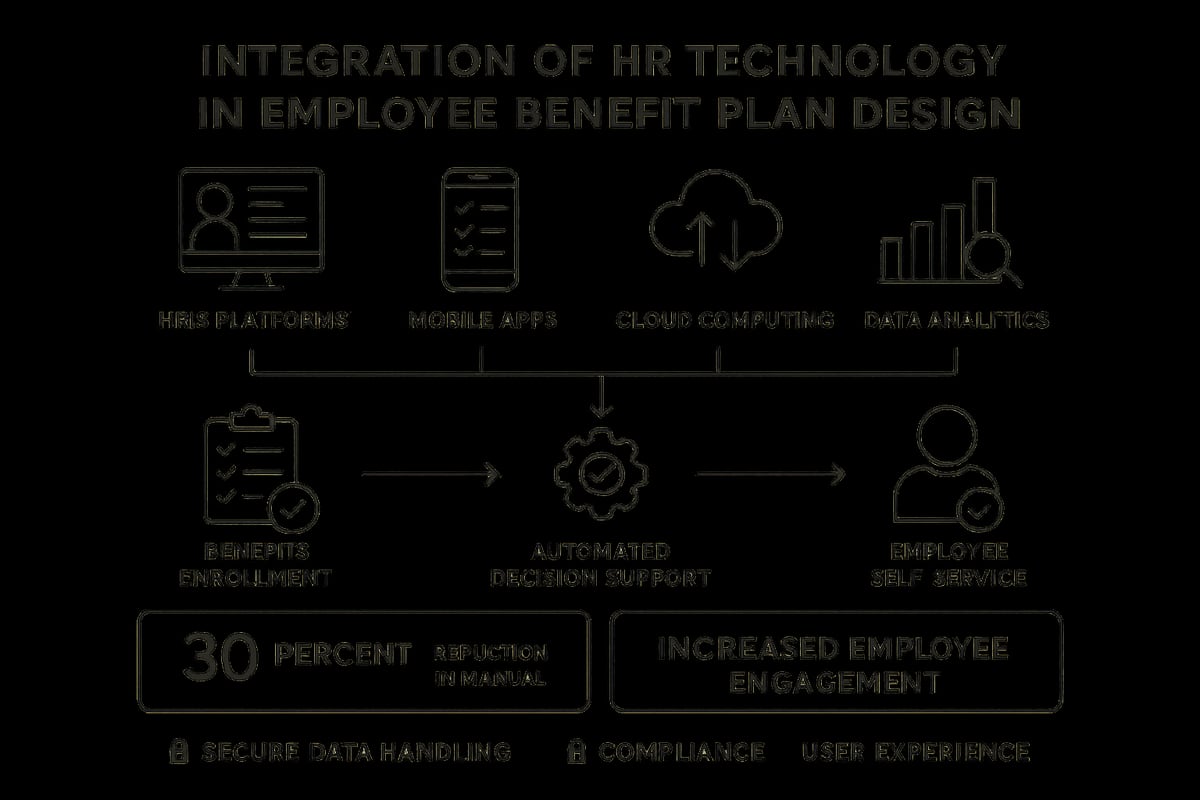
HR technology plays a pivotal role in employee benefit plan design by automating enrollment, management, and communication. Tools such as human resource information systems (HRIS), benefits administration platforms, and AI-driven decision support make it easier for HR teams to manage complex plans. Employees can access self-service portals and mobile apps to view, select, and update their benefits anytime.
For organizations seeking a seamless experience, integrated payroll and human capital management solutions are essential. These systems connect payroll, benefits, and compliance, ensuring accuracy and efficiency.
Data Analytics and Decision-Making
Data analytics is a game-changer in employee benefit plan design. By analyzing benefit usage patterns, companies can identify trends, forecast needs, and tailor offerings to specific employee segments. Predictive analytics help anticipate shifts in healthcare utilization or employee preferences, supporting proactive plan adjustments.
Security and privacy are critical. Modern platforms use robust encryption and compliance protocols to protect sensitive information. This commitment to secure data handling builds trust and ensures compliance with evolving regulations.
Enhancing Employee Experience and Engagement
User-friendly platforms are central to employee benefit plan design success. Digital portals simplify access to benefits information, making it easy for employees to enroll, review options, and ask questions. Pacific Prime notes that such tools increase engagement and satisfaction, particularly when paired with interactive features like chatbots or personalized dashboards.
A table comparing engagement features:
| Feature | Impact on Employees |
|---|---|
| Self-service app | 24/7 access, autonomy |
| Automated Q and A | Fast, accurate answers |
| Personalized tips | Better plan selection |
Cost Savings and Operational Efficiency
Adopting technology in employee benefit plan design delivers measurable cost and time savings. Automation reduces manual administrative hours by up to 30 percent, freeing HR staff to focus on strategy rather than paperwork. Error rates decrease, and compliance tasks become more manageable with built-in alerts and reporting.
The result is a more sustainable benefits program that meets both organizational goals and employee needs. Technology-driven efficiency is now a cornerstone of high-performing benefit plans.
Emerging Trends and Innovations in Employee Benefit Plan Design for 2026
The landscape of employee benefit plan design is evolving rapidly as organizations respond to changing workforce expectations and market pressures. In 2026, innovative trends are reshaping how companies attract and retain talent. From flexible benefits to technology-driven solutions, the focus is on personalization, inclusivity, and long-term value. According to trends shaping 2026 employee benefits, employers are prioritizing tailored offerings and holistic wellness, making it vital to stay ahead with a modern approach.
Personalization and Flexible Benefits
Personalization is at the core of modern employee benefit plan design. Employees now expect options that fit their unique lifestyles, from cafeteria-style plans to wellness allowances. Flex benefits empower individuals to choose what matters most, whether it is extra paid time off, childcare support, or lifestyle spending accounts.
A quick comparison highlights the shift:
| Traditional Benefits | Flexible Benefits |
|---|---|
| Fixed options | Customizable choices |
| Limited wellness programs | Wellness allowances |
| One-size-fits-all approach | Lifestyle accounts |
Organizations adopting flexible models see higher satisfaction and engagement, making this a cornerstone of forward-thinking employee benefit plan design.
Focus on Mental Health and Wellbeing
Mental health has become a top priority in employee benefit plan design for 2026. Expanded mental health coverage, Employee Assistance Programs (EAPs), and holistic wellness initiatives are now essential components. Employees increasingly seek support for stress, anxiety, and overall wellbeing.
Statistics show that mental health benefits are among the most requested offerings this year. Companies that invest in comprehensive mental health resources not only boost productivity but also foster a supportive work culture. This trend reflects the broader shift toward employee-centric benefit plan design.
Inclusive and Diverse Benefits
Inclusive benefit options are redefining employee benefit plan design. Companies are moving beyond traditional offerings to address the needs of diverse family structures, gender identities, and cultural backgrounds. Examples include:
- Parental leave for all caregivers
- Fertility and adoption support
- Gender affirmation benefits
These initiatives ensure every employee feels valued and supported, regardless of their personal circumstances. Designing for inclusion strengthens organizational culture and enhances employer branding.
Remote and Hybrid Work Benefits
The rise of remote and hybrid work has transformed employee benefit plan design. Employers are introducing benefits tailored to distributed teams, such as home office stipends, telehealth services, and flexible scheduling. Global organizations are also expanding benefits to support employees in different regions.
Key remote work benefits include:
- Equipment and technology allowances
- Virtual wellness programs
- Flexible hours for work-life balance
By adapting benefits to remote and hybrid models, organizations remain agile and competitive in 2026.
Financial Wellness and Retirement Planning
Financial wellness is a growing focus in employee benefit plan design. Offerings such as student loan repayment, enhanced retirement plans, and financial education help employees build long-term security. Earned wage access, as explored in why earned wage access matters, is gaining popularity for providing employees greater financial flexibility.
Retirement plans are also evolving, with expanded investment options and flexible contributions. By prioritizing financial wellbeing, organizations support employees through every stage of their careers.
Sustainability and Social Responsibility
Sustainability is influencing employee benefit plan design in 2026. Companies are introducing green benefits like commuter subsidies, volunteer time off, and eco-friendly incentives. Aligning benefits with environmental, social, and governance (ESG) goals appeals to socially conscious talent.
Integrating sustainability into benefit offerings not only supports company values but also engages employees who want to make a positive impact. This trend rounds out a holistic approach to employee benefit plan design for the future.
Best Practices for Maximizing ROI and Employee Engagement
Designing an effective employee benefit plan design is only the beginning. To maximize return on investment and foster employee engagement, organizations must apply best practices that ensure ongoing alignment with business goals and workforce needs.
Measuring and Monitoring Benefit Effectiveness
Regular measurement is crucial for evaluating the success of your employee benefit plan design. Use key performance indicators (KPIs) to track participation rates, satisfaction scores, turnover rates, and cost per employee.
A simple table can help visualize these metrics:
| KPI | Purpose |
|---|---|
| Participation Rate | Assess benefit engagement |
| Satisfaction Score | Measure employee approval |
| Turnover Rate | Monitor retention impact |
| Cost per Employee | Track plan sustainability |
Review benefit usage data quarterly. Adjust offerings based on trends, ensuring your employee benefit plan design stays relevant and cost-effective. Data-driven decisions help optimize plan value and support organizational objectives.
Continuous Communication and Education
Ongoing communication is essential to keep employees informed and engaged with their employee benefit plan design. Use a mix of channels, such as digital portals, email updates, live Q&A sessions, and printed materials, to reach all segments of your workforce.
List of effective communication methods:
- Digital benefit portals with interactive tools
- Regular email newsletters
- In-person or virtual meetings
- Social media updates
Continuous education builds understanding and trust. Schedule annual benefit workshops and offer on-demand resources. Encourage employee feedback through surveys to refine your communication strategy and improve benefit awareness.
Fostering a Culture of Inclusivity and Support
An inclusive employee benefit plan design addresses the diverse needs of your workforce. Involve employees in plan design and review processes through focus groups and suggestion boxes. This approach ensures all perspectives are considered.
Inclusive plans support employees across life stages, family structures, and cultural backgrounds. Examples include offering gender-neutral parental leave, fertility benefits, and mental health support for all employees.
Promoting inclusivity not only enhances engagement but also builds a supportive workplace culture. Employees who feel represented and valued are more likely to participate in and appreciate their benefits.
Leveraging Expert Partners and Performance-Based Consulting
Expert partners are invaluable for optimizing your employee benefit plan design. Collaborate with brokers, consultants, and technology vendors to assess plan performance and implement improvements. Performance-based consulting models align incentives with measurable results, driving continuous enhancement.
Technology plays a significant role in operational efficiency. For example, the benefits of automating payroll extend to benefits administration by reducing manual work, lowering error rates, and providing real-time data for decision-making.
Partnering with experts ensures compliance, keeps your plan competitive, and allows you to focus on strategic goals. Regularly review consultant performance and seek partners who prioritize innovation and measurable ROI in employee benefit plan design.