
HR Reporting: Essential Strategies for Data-Driven Success

Share on Facebook
Share on X
Share on LinkedIn

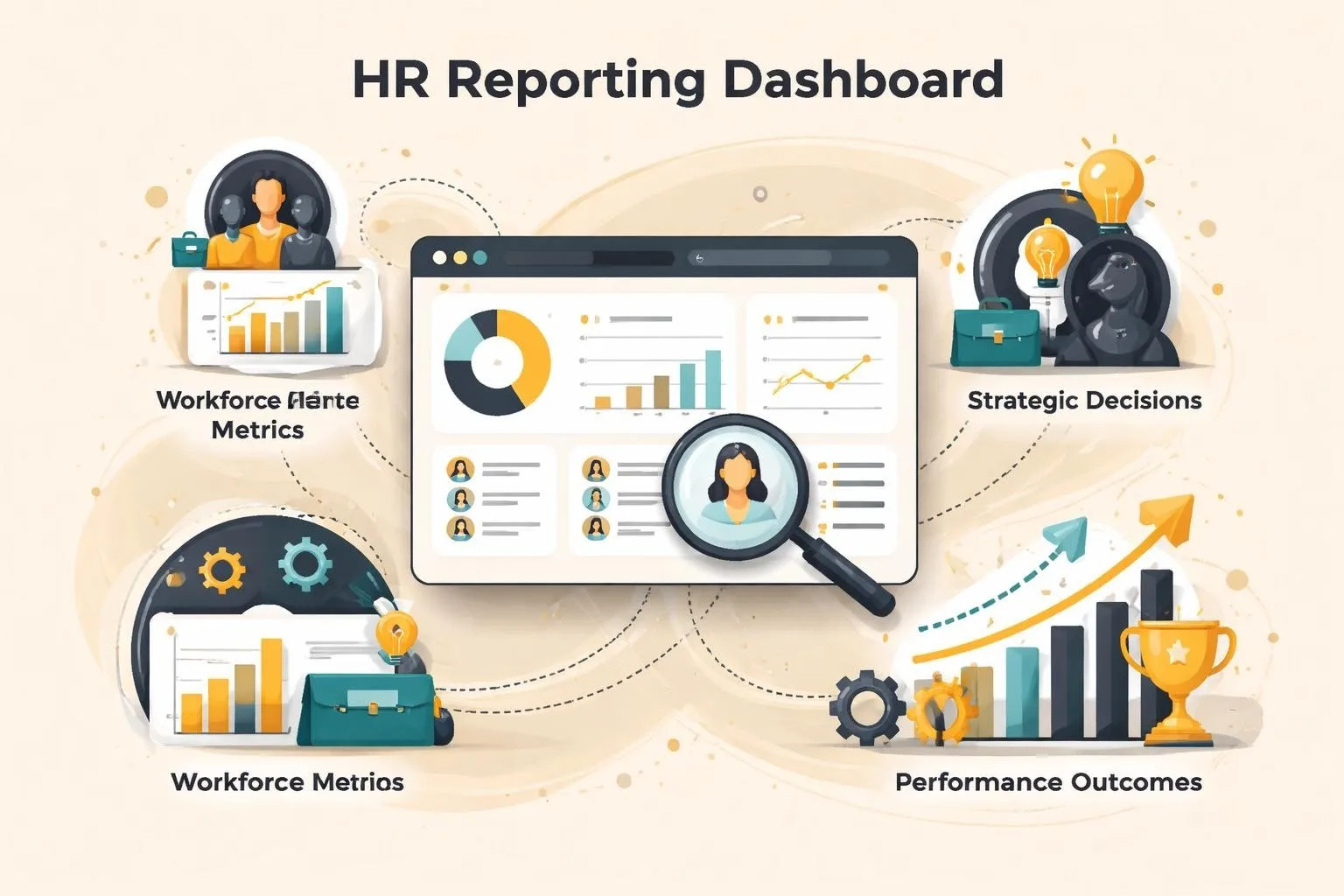
Organizations today operate in an environment where strategic decision-making depends on access to accurate, timely information about their most valuable asset: their people. HR reporting serves as the foundation for understanding workforce dynamics, measuring performance, ensuring compliance, and aligning human capital strategies with broader business objectives. As companies face increasing pressure to optimize operations and demonstrate return on investment across all functions, the ability to generate meaningful insights from human resources data has become a critical competitive advantage. Organizations that master this discipline can identify trends before they become problems, allocate resources more effectively, and create workplace environments that attract and retain top talent.

Understanding the Foundation of HR Reporting

HR reporting encompasses the systematic collection, analysis, and presentation of workforce data to support organizational decision-making. This practice transforms raw information about employees, hiring processes, compensation, benefits, performance, and turnover into actionable insights that drive strategic initiatives.

At its core, effective reporting in this domain requires three essential components:

  • Data accuracy and integrity across all human capital management systems
  • Standardized metrics that align with organizational goals and industry benchmarks
  • Clear presentation formats that make complex information accessible to stakeholders

The sophistication of HR reporting has evolved dramatically over the past decade. What once consisted of basic headcount summaries and annual turnover statistics has transformed into a comprehensive analytics discipline that leverages advanced technologies, predictive modeling, and real-time dashboards.

Key Categories of Workforce Data

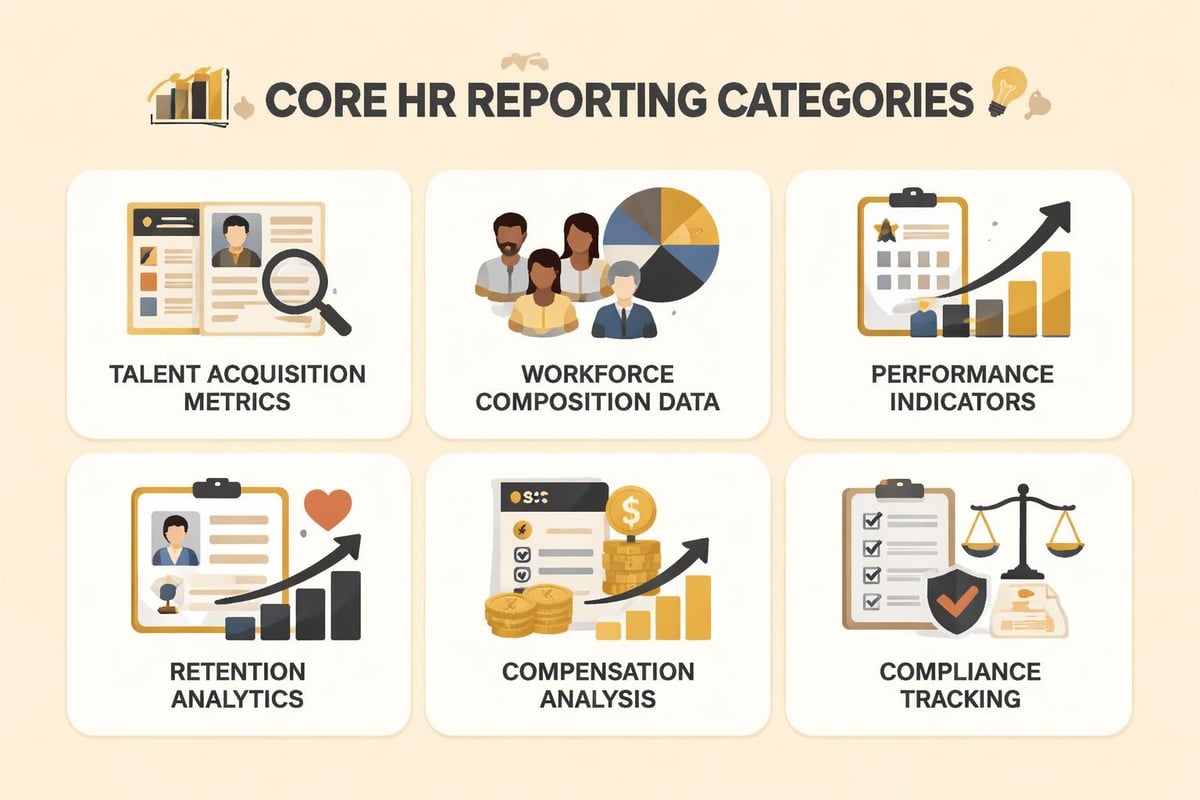
Modern organizations track numerous data points across the employee lifecycle. Understanding headcount reporting provides crucial insights into workforce composition, capacity planning, and budget allocation. These metrics help leaders anticipate staffing needs, identify skill gaps, and ensure appropriate resource distribution across departments and functions.
HR reporting metrics categories

Beyond headcount, comprehensive HR reporting includes:

  1. Talent acquisition metrics that measure time-to-hire, cost-per-hire, source effectiveness, and candidate quality
  2. Retention and turnover analysis identifying departure patterns, exit reasons, and high-risk employee segments
  3. Performance indicators tracking goal achievement, evaluation completion rates, and development progress
  4. Compensation analytics ensuring pay equity, market competitiveness, and budget compliance
  5. Employee engagement measurements revealing satisfaction levels, culture health, and organizational commitment

Strategic Alignment Through Reporting Metrics

The true value of workforce analytics emerges when organizations connect their human capital data to strategic business outcomes. Measuring and improving HR performance requires deliberate selection of metrics that directly support organizational priorities.

Strategic hr reporting begins with identifying key performance indicators that matter most to business success. For a consultancy focused on performance improvement, metrics around consultant utilization rates, client satisfaction scores, and project delivery efficiency might take priority. Manufacturing organizations might emphasize safety incident rates, productivity metrics, and skills certification tracking.

Aligning Metrics to Business Objectives

Business Priority Relevant HR Metrics Strategic Impact
Revenue Growth Revenue per employee, sales performance, client retention by team Identifies high-performing talent patterns
Operational Efficiency Labor cost percentage, overtime trends, span of control Optimizes workforce deployment
Innovation Capacity Training hours, skill diversity, cross-functional collaboration Builds competitive capabilities
Employee Wellbeing Benefits utilization, wellness program engagement, absence rates Reduces costs and improves productivity

Organizations like Nero and Associates, Inc. recognize that effective reporting supports their mission to help clients eliminate manual processes and improve operational efficiency. By tracking metrics around automation adoption, process improvement outcomes, and employee productivity gains, consultancies can demonstrate tangible value while identifying opportunities for continuous improvement.

Building a Comprehensive Reporting Framework

Developing an effective hr reporting structure requires thoughtful planning, cross-functional collaboration, and ongoing refinement. The framework should balance immediate operational needs with long-term strategic insights while remaining flexible enough to adapt as business priorities evolve.

Essential steps for framework development:

  • Conduct stakeholder interviews to understand decision-making requirements
  • Audit existing data sources and identify gaps or quality issues
  • Establish data governance policies ensuring accuracy and security
  • Design report templates that balance comprehensiveness with usability
  • Implement regular review cycles to assess relevance and effectiveness

Data Quality and Governance Considerations

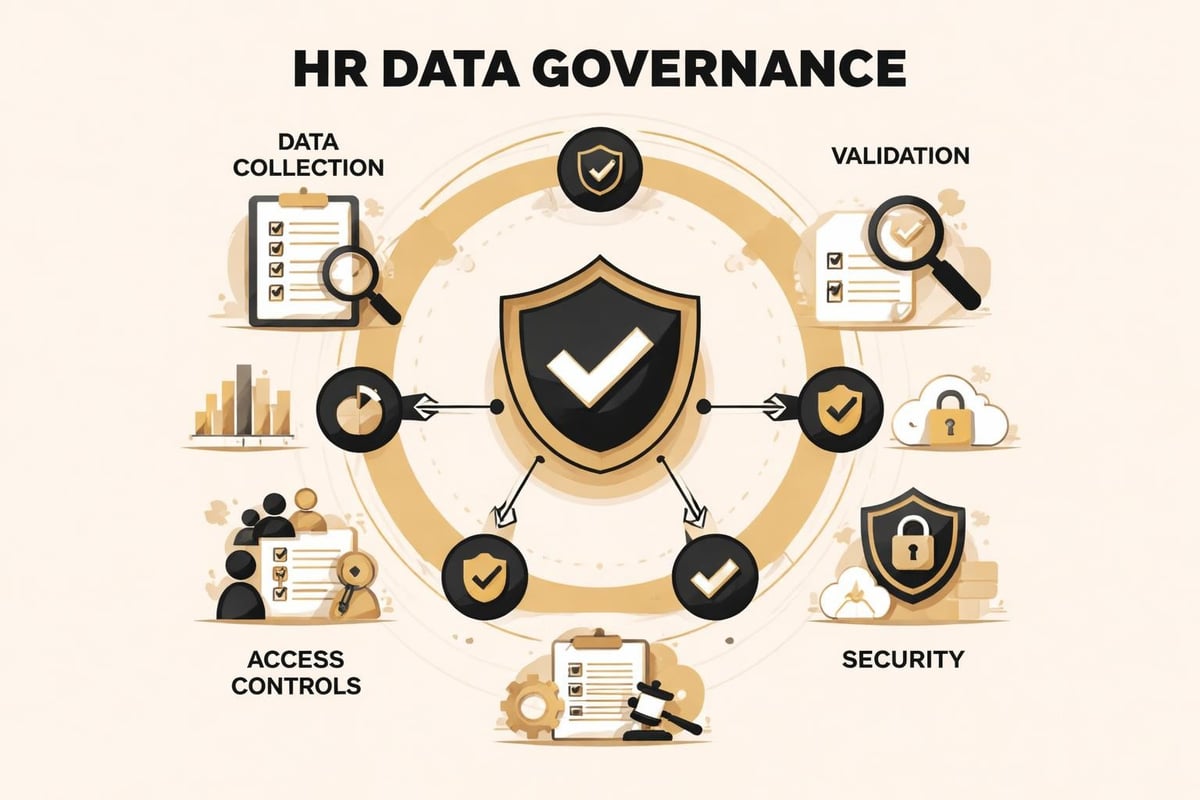
The accuracy of workforce insights depends entirely on the quality of underlying data. Organizations must establish robust processes for data collection, validation, and maintenance. This includes defining standardized data entry protocols, implementing automated validation rules, and conducting periodic audits to identify and correct inconsistencies.

Best practices for HR data compliance emphasize the critical importance of protecting sensitive employee information while enabling appropriate access for reporting purposes. Compliance with regulations like GDPR, CCPA, and industry-specific requirements must be embedded into every aspect of the reporting process.
HR data governance framework

Security measures should include:

  1. Role-based access controls limiting data visibility to authorized personnel
  2. Encryption protocols for data transmission and storage
  3. Audit trails documenting who accessed what information and when
  4. Regular security assessments identifying potential vulnerabilities
  5. Employee training on data handling responsibilities

Leveraging Technology for Enhanced Insights

Modern HR reporting relies heavily on technology platforms that automate data collection, standardize calculations, and deliver insights through intuitive interfaces. The right technology infrastructure can transform reporting from a time-consuming manual process into a strategic capability that provides real-time visibility into workforce dynamics.

Human capital management systems now offer sophisticated analytics capabilities that go far beyond basic reporting. These platforms integrate data from multiple sources, apply advanced calculations, and present findings through customizable dashboards that allow users to drill down from high-level summaries to detailed individual records.

Automation and Integration Benefits

Organizations pursuing operational excellence understand that automating reporting processes delivers multiple advantages. Automation eliminates the manual effort required to compile data from disparate systems, reducing the time required to generate reports from days to minutes. This efficiency gain allows HR teams to shift focus from data compilation to analysis and strategic consultation.

Integration capabilities connect HR systems with financial platforms, project management tools, time tracking applications, and other business systems. This connectivity enables more comprehensive analysis that connects workforce data to business outcomes. For example, linking project profitability data with team composition reveals which skill combinations deliver the strongest results.

Technology-enabled reporting capabilities include:

  • Real-time dashboards providing instant visibility into key metrics
  • Predictive analytics identifying future trends based on historical patterns
  • Automated alerts notifying stakeholders when metrics exceed defined thresholds
  • Self-service tools empowering managers to access relevant insights independently
  • Mobile access enabling decision-making from anywhere

Practical Applications Across the Organization

The versatility of effective hr reporting extends across numerous organizational functions and decision-making scenarios. Various types of HR reports serve different purposes, from operational monitoring to strategic planning, each providing unique value to specific stakeholder groups.

Talent Acquisition Optimization

Recruitment teams leverage reporting to improve hiring efficiency and quality. Analysis of source effectiveness reveals which recruitment channels consistently deliver qualified candidates, allowing organizations to allocate budgets more strategically. Time-to-fill metrics identify bottlenecks in the hiring process, while quality-of-hire measurements assess whether new employees meet performance expectations.

Recruitment Metric Business Value Improvement Actions
Time-to-Fill Reduces vacancy costs Streamline approval processes
Cost-per-Hire Optimizes recruitment spend Focus on effective sources
Offer Acceptance Rate Improves candidate experience Enhance compensation packages
New Hire Performance Validates selection process Refine assessment methods

Retention and Succession Planning

Understanding turnover patterns helps organizations address retention challenges proactively. Reporting that segments attrition by department, tenure, performance level, and demographic characteristics reveals whether specific employee populations face unique challenges. This granular insight enables targeted interventions rather than broad, ineffective programs.

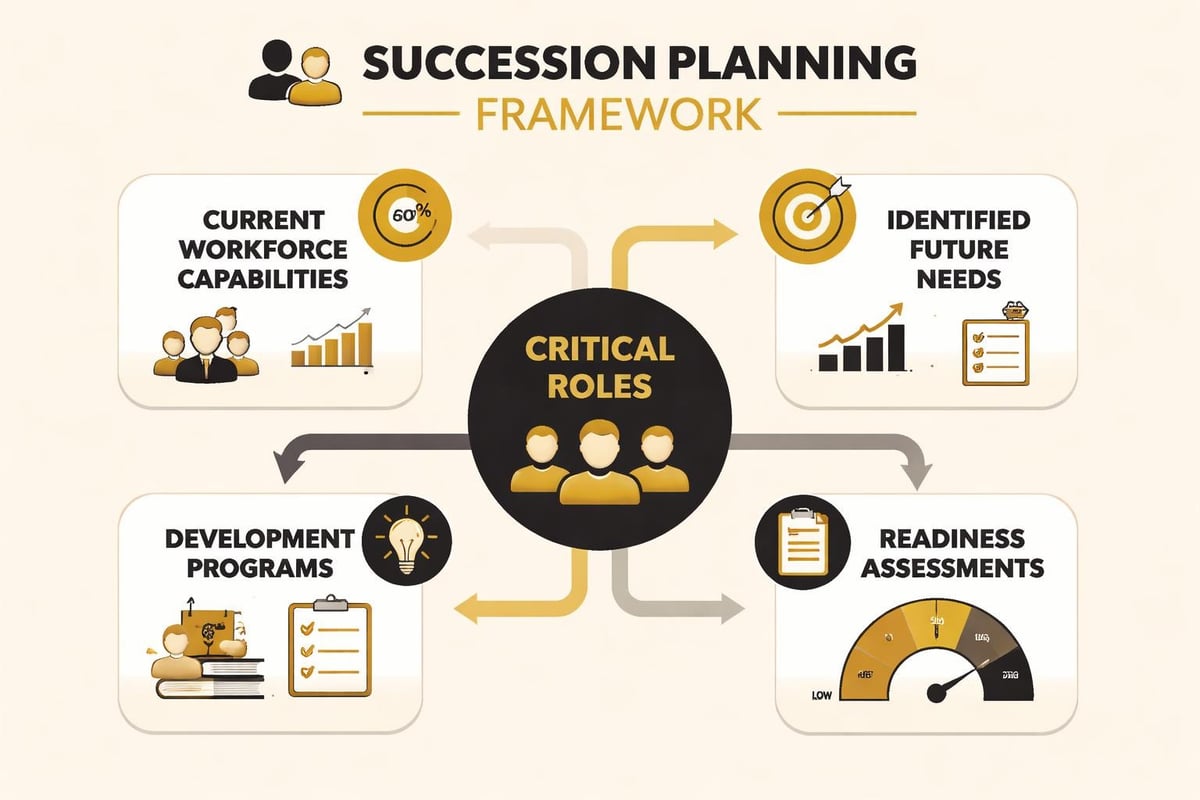
Succession planning reports identify critical roles, assess bench strength for key positions, and track development progress for high-potential employees. This forward-looking analysis ensures organizations can maintain operational continuity even when unexpected departures occur.
Talent pipeline analysis

Performance Management and Development

Regular performance reporting creates accountability while identifying development opportunities. Tracking evaluation completion rates ensures managers fulfill their coaching responsibilities. Analysis of performance distributions reveals whether rating scales are applied consistently or if grade inflation distorts results.

Development metrics measure training participation, skill acquisition, and competency growth. Organizations can assess return on investment for learning programs by correlating development activities with subsequent performance improvements or career advancement.

Driving Cultural Transformation Through Data

Leveraging HR analytics to improve workplace culture requires more than simply generating reports. Organizations must foster data literacy, create transparency around metrics, and empower stakeholders to use insights for continuous improvement.

Building a data-driven culture starts with leadership commitment. When executives regularly reference workforce data in strategy discussions and operational reviews, they signal its importance throughout the organization. This top-down endorsement encourages managers at all levels to engage with analytics rather than viewing reporting as an administrative burden.

Strategies for embedding analytics in organizational culture:

  • Provide training that builds confidence in interpreting and applying data
  • Share relevant metrics transparently rather than restricting access
  • Celebrate examples where data-driven decisions led to positive outcomes
  • Incorporate analytics literacy into leadership development programs
  • Establish communities of practice where practitioners share insights and best practices

Manager Enablement and Self-Service Analytics

Empowering managers with direct access to relevant workforce data transforms their ability to lead effectively. Self-service analytics tools allow supervisors to monitor team metrics, compare their results against organizational benchmarks, and identify opportunities for improvement without waiting for formal reports from HR.

This democratization of data must be balanced with appropriate guardrails. Managers need training to interpret metrics correctly and understand the limitations of the data. Privacy protections must ensure individual employee information is only accessible to those with legitimate business needs.

Measuring Return on Investment

Demonstrating the business value of HR initiatives requires connecting workforce programs to financial outcomes. ROI analysis for hr reporting itself shows how improved decision-making capabilities generate returns that exceed the cost of analytics infrastructure and personnel.

Calculating ROI involves comparing the costs of reporting capabilities against quantifiable benefits such as:

  1. Reduced turnover saving replacement costs for retained employees
  2. Improved hiring quality leading to higher productivity and performance
  3. Optimized compensation spend through better market alignment
  4. Decreased compliance risk avoiding penalties and legal expenses
  5. Enhanced workforce planning preventing costly overstaffing or understaffing

Organizations pursuing performance-based consulting relationships, similar to the approach taken by leading consultancies, increasingly demand accountability for results. HR reporting provides the evidence base needed to demonstrate impact and justify continued investment in human capital programs.

Predictive Analytics and Future-Focused Insights

The evolution from descriptive reporting to predictive analytics represents a significant advancement in workforce intelligence. While traditional reports answer "what happened," predictive models address "what will happen" and "what should we do about it."

Machine learning algorithms can identify patterns in turnover data that predict which employees face elevated flight risk. These models consider numerous variables simultaneously, uncovering relationships that manual analysis might miss. Organizations can then implement retention interventions for high-risk, high-value employees before they begin actively seeking other opportunities.

Workforce planning models forecast future talent needs based on business growth projections, expected attrition, and evolving skill requirements. This forward-looking perspective enables proactive talent acquisition and development rather than reactive responses to capability gaps.

Overcoming Common Implementation Challenges

Organizations frequently encounter obstacles when developing or enhancing their hr reporting capabilities. Understanding analytics best practices helps navigate these challenges more effectively.

Common barriers include:

  • Data fragmentation across multiple disconnected systems
  • Inconsistent definitions creating confusion about metric meanings
  • Limited technical expertise within HR teams
  • Resistance from managers uncomfortable with increased transparency
  • Difficulty connecting HR metrics to business outcomes

Addressing these challenges requires sustained commitment and strategic approaches. Data integration projects may require significant technical investment but deliver long-term efficiency gains. Establishing a data dictionary that standardizes definitions prevents confusion and ensures consistency. Building analytics capabilities through training, hiring, or external partnerships fills knowledge gaps.

Change management principles apply to reporting implementations just as they do to any significant organizational initiative. Clear communication about the purpose and benefits of enhanced analytics helps overcome resistance. Involving stakeholders in design decisions builds ownership and increases adoption.

Continuous Improvement and Evolution

Effective hr reporting is never truly finished. As business strategies evolve, organizational structures change, and external conditions shift, reporting frameworks must adapt accordingly. Regular assessment cycles should evaluate whether current metrics still align with priorities and whether reports are actually influencing decisions.

Feedback mechanisms that capture user experiences with reports identify opportunities for refinement. Which insights proved most valuable? What questions remained unanswered? Where did confusion or misinterpretation occur? These inputs drive iterative improvements that enhance relevance and usability over time.

Professional development for the HR analytics team ensures capabilities keep pace with advancing technologies and methodologies. Participation in professional communities, attendance at conferences, and ongoing education maintain expertise at the forefront of the discipline.


Mastering hr reporting transforms human resources from an administrative function into a strategic partner that drives measurable business results through data-informed decision-making. Organizations that invest in robust reporting frameworks, quality data governance, and analytical capabilities position themselves to optimize their most valuable resource effectively. Nero and Associates, Inc. helps organizations build these essential capabilities through comprehensive human capital management solutions that automate processes, deliver actionable insights, and support strategic workforce planning aligned with business objectives. Connect with our team to discover how performance-based consulting can elevate your organization's HR reporting capabilities and drive meaningful improvements across your operations.

HR Reporting: Essential Strategies for Data-Driven Success

Organizations today operate in an environment where strategic decision-making depends on access to accurate, timely information about their most valuable asset: their people. HR reporting serves as the foundation for understanding workforce dynamics, measuring performance, ensuring compliance, and aligning human capital strategies with broader business objectives. As companies face increasing pressure to optimize operations and demonstrate return on investment across all functions, the ability to generate meaningful insights from human resources data has become a critical competitive advantage. Organizations that master this discipline can identify trends before they become problems, allocate resources more effectively, and create workplace environments that attract and retain top talent.

Understanding the Foundation of HR Reporting

HR reporting encompasses the systematic collection, analysis, and presentation of workforce data to support organizational decision-making. This practice transforms raw information about employees, hiring processes, compensation, benefits, performance, and turnover into actionable insights that drive strategic initiatives.

At its core, effective reporting in this domain requires three essential components:

  • Data accuracy and integrity across all human capital management systems
  • Standardized metrics that align with organizational goals and industry benchmarks
  • Clear presentation formats that make complex information accessible to stakeholders

The sophistication of HR reporting has evolved dramatically over the past decade. What once consisted of basic headcount summaries and annual turnover statistics has transformed into a comprehensive analytics discipline that leverages advanced technologies, predictive modeling, and real-time dashboards.

Key Categories of Workforce Data

Modern organizations track numerous data points across the employee lifecycle. Understanding headcount reporting provides crucial insights into workforce composition, capacity planning, and budget allocation. These metrics help leaders anticipate staffing needs, identify skill gaps, and ensure appropriate resource distribution across departments and functions.

HR reporting metrics categories

Beyond headcount, comprehensive HR reporting includes:

  1. Talent acquisition metrics that measure time-to-hire, cost-per-hire, source effectiveness, and candidate quality
  2. Retention and turnover analysis identifying departure patterns, exit reasons, and high-risk employee segments
  3. Performance indicators tracking goal achievement, evaluation completion rates, and development progress
  4. Compensation analytics ensuring pay equity, market competitiveness, and budget compliance
  5. Employee engagement measurements revealing satisfaction levels, culture health, and organizational commitment

Strategic Alignment Through Reporting Metrics

The true value of workforce analytics emerges when organizations connect their human capital data to strategic business outcomes. Measuring and improving HR performance requires deliberate selection of metrics that directly support organizational priorities.

Strategic hr reporting begins with identifying key performance indicators that matter most to business success. For a consultancy focused on performance improvement, metrics around consultant utilization rates, client satisfaction scores, and project delivery efficiency might take priority. Manufacturing organizations might emphasize safety incident rates, productivity metrics, and skills certification tracking.

Aligning Metrics to Business Objectives

Business Priority Relevant HR Metrics Strategic Impact
Revenue Growth Revenue per employee, sales performance, client retention by team Identifies high-performing talent patterns
Operational Efficiency Labor cost percentage, overtime trends, span of control Optimizes workforce deployment
Innovation Capacity Training hours, skill diversity, cross-functional collaboration Builds competitive capabilities
Employee Wellbeing Benefits utilization, wellness program engagement, absence rates Reduces costs and improves productivity

Organizations like Nero and Associates, Inc. recognize that effective reporting supports their mission to help clients eliminate manual processes and improve operational efficiency. By tracking metrics around automation adoption, process improvement outcomes, and employee productivity gains, consultancies can demonstrate tangible value while identifying opportunities for continuous improvement.

Building a Comprehensive Reporting Framework

Developing an effective hr reporting structure requires thoughtful planning, cross-functional collaboration, and ongoing refinement. The framework should balance immediate operational needs with long-term strategic insights while remaining flexible enough to adapt as business priorities evolve.

Essential steps for framework development:

  • Conduct stakeholder interviews to understand decision-making requirements
  • Audit existing data sources and identify gaps or quality issues
  • Establish data governance policies ensuring accuracy and security
  • Design report templates that balance comprehensiveness with usability
  • Implement regular review cycles to assess relevance and effectiveness

Data Quality and Governance Considerations

The accuracy of workforce insights depends entirely on the quality of underlying data. Organizations must establish robust processes for data collection, validation, and maintenance. This includes defining standardized data entry protocols, implementing automated validation rules, and conducting periodic audits to identify and correct inconsistencies.

Best practices for HR data compliance emphasize the critical importance of protecting sensitive employee information while enabling appropriate access for reporting purposes. Compliance with regulations like GDPR, CCPA, and industry-specific requirements must be embedded into every aspect of the reporting process.

HR data governance framework

Security measures should include:

  1. Role-based access controls limiting data visibility to authorized personnel
  2. Encryption protocols for data transmission and storage
  3. Audit trails documenting who accessed what information and when
  4. Regular security assessments identifying potential vulnerabilities
  5. Employee training on data handling responsibilities

Leveraging Technology for Enhanced Insights

Modern HR reporting relies heavily on technology platforms that automate data collection, standardize calculations, and deliver insights through intuitive interfaces. The right technology infrastructure can transform reporting from a time-consuming manual process into a strategic capability that provides real-time visibility into workforce dynamics.

Human capital management systems now offer sophisticated analytics capabilities that go far beyond basic reporting. These platforms integrate data from multiple sources, apply advanced calculations, and present findings through customizable dashboards that allow users to drill down from high-level summaries to detailed individual records.

Automation and Integration Benefits

Organizations pursuing operational excellence understand that automating reporting processes delivers multiple advantages. Automation eliminates the manual effort required to compile data from disparate systems, reducing the time required to generate reports from days to minutes. This efficiency gain allows HR teams to shift focus from data compilation to analysis and strategic consultation.

Integration capabilities connect HR systems with financial platforms, project management tools, time tracking applications, and other business systems. This connectivity enables more comprehensive analysis that connects workforce data to business outcomes. For example, linking project profitability data with team composition reveals which skill combinations deliver the strongest results.

Technology-enabled reporting capabilities include:

  • Real-time dashboards providing instant visibility into key metrics
  • Predictive analytics identifying future trends based on historical patterns
  • Automated alerts notifying stakeholders when metrics exceed defined thresholds
  • Self-service tools empowering managers to access relevant insights independently
  • Mobile access enabling decision-making from anywhere

Practical Applications Across the Organization

The versatility of effective hr reporting extends across numerous organizational functions and decision-making scenarios. Various types of HR reports serve different purposes, from operational monitoring to strategic planning, each providing unique value to specific stakeholder groups.

Talent Acquisition Optimization

Recruitment teams leverage reporting to improve hiring efficiency and quality. Analysis of source effectiveness reveals which recruitment channels consistently deliver qualified candidates, allowing organizations to allocate budgets more strategically. Time-to-fill metrics identify bottlenecks in the hiring process, while quality-of-hire measurements assess whether new employees meet performance expectations.

Recruitment Metric Business Value Improvement Actions
Time-to-Fill Reduces vacancy costs Streamline approval processes
Cost-per-Hire Optimizes recruitment spend Focus on effective sources
Offer Acceptance Rate Improves candidate experience Enhance compensation packages
New Hire Performance Validates selection process Refine assessment methods

Retention and Succession Planning

Understanding turnover patterns helps organizations address retention challenges proactively. Reporting that segments attrition by department, tenure, performance level, and demographic characteristics reveals whether specific employee populations face unique challenges. This granular insight enables targeted interventions rather than broad, ineffective programs.

Succession planning reports identify critical roles, assess bench strength for key positions, and track development progress for high-potential employees. This forward-looking analysis ensures organizations can maintain operational continuity even when unexpected departures occur.

Talent pipeline analysis

Performance Management and Development

Regular performance reporting creates accountability while identifying development opportunities. Tracking evaluation completion rates ensures managers fulfill their coaching responsibilities. Analysis of performance distributions reveals whether rating scales are applied consistently or if grade inflation distorts results.

Development metrics measure training participation, skill acquisition, and competency growth. Organizations can assess return on investment for learning programs by correlating development activities with subsequent performance improvements or career advancement.

Driving Cultural Transformation Through Data

Leveraging HR analytics to improve workplace culture requires more than simply generating reports. Organizations must foster data literacy, create transparency around metrics, and empower stakeholders to use insights for continuous improvement.

Building a data-driven culture starts with leadership commitment. When executives regularly reference workforce data in strategy discussions and operational reviews, they signal its importance throughout the organization. This top-down endorsement encourages managers at all levels to engage with analytics rather than viewing reporting as an administrative burden.

Strategies for embedding analytics in organizational culture:

  • Provide training that builds confidence in interpreting and applying data
  • Share relevant metrics transparently rather than restricting access
  • Celebrate examples where data-driven decisions led to positive outcomes
  • Incorporate analytics literacy into leadership development programs
  • Establish communities of practice where practitioners share insights and best practices

Manager Enablement and Self-Service Analytics

Empowering managers with direct access to relevant workforce data transforms their ability to lead effectively. Self-service analytics tools allow supervisors to monitor team metrics, compare their results against organizational benchmarks, and identify opportunities for improvement without waiting for formal reports from HR.

This democratization of data must be balanced with appropriate guardrails. Managers need training to interpret metrics correctly and understand the limitations of the data. Privacy protections must ensure individual employee information is only accessible to those with legitimate business needs.

Measuring Return on Investment

Demonstrating the business value of HR initiatives requires connecting workforce programs to financial outcomes. ROI analysis for hr reporting itself shows how improved decision-making capabilities generate returns that exceed the cost of analytics infrastructure and personnel.

Calculating ROI involves comparing the costs of reporting capabilities against quantifiable benefits such as:

  1. Reduced turnover saving replacement costs for retained employees
  2. Improved hiring quality leading to higher productivity and performance
  3. Optimized compensation spend through better market alignment
  4. Decreased compliance risk avoiding penalties and legal expenses
  5. Enhanced workforce planning preventing costly overstaffing or understaffing

Organizations pursuing performance-based consulting relationships, similar to the approach taken by leading consultancies, increasingly demand accountability for results. HR reporting provides the evidence base needed to demonstrate impact and justify continued investment in human capital programs.

Predictive Analytics and Future-Focused Insights

The evolution from descriptive reporting to predictive analytics represents a significant advancement in workforce intelligence. While traditional reports answer "what happened," predictive models address "what will happen" and "what should we do about it."

Machine learning algorithms can identify patterns in turnover data that predict which employees face elevated flight risk. These models consider numerous variables simultaneously, uncovering relationships that manual analysis might miss. Organizations can then implement retention interventions for high-risk, high-value employees before they begin actively seeking other opportunities.

Workforce planning models forecast future talent needs based on business growth projections, expected attrition, and evolving skill requirements. This forward-looking perspective enables proactive talent acquisition and development rather than reactive responses to capability gaps.

Overcoming Common Implementation Challenges

Organizations frequently encounter obstacles when developing or enhancing their hr reporting capabilities. Understanding analytics best practices helps navigate these challenges more effectively.

Common barriers include:

  • Data fragmentation across multiple disconnected systems
  • Inconsistent definitions creating confusion about metric meanings
  • Limited technical expertise within HR teams
  • Resistance from managers uncomfortable with increased transparency
  • Difficulty connecting HR metrics to business outcomes

Addressing these challenges requires sustained commitment and strategic approaches. Data integration projects may require significant technical investment but deliver long-term efficiency gains. Establishing a data dictionary that standardizes definitions prevents confusion and ensures consistency. Building analytics capabilities through training, hiring, or external partnerships fills knowledge gaps.

Change management principles apply to reporting implementations just as they do to any significant organizational initiative. Clear communication about the purpose and benefits of enhanced analytics helps overcome resistance. Involving stakeholders in design decisions builds ownership and increases adoption.

Continuous Improvement and Evolution

Effective hr reporting is never truly finished. As business strategies evolve, organizational structures change, and external conditions shift, reporting frameworks must adapt accordingly. Regular assessment cycles should evaluate whether current metrics still align with priorities and whether reports are actually influencing decisions.

Feedback mechanisms that capture user experiences with reports identify opportunities for refinement. Which insights proved most valuable? What questions remained unanswered? Where did confusion or misinterpretation occur? These inputs drive iterative improvements that enhance relevance and usability over time.

Professional development for the HR analytics team ensures capabilities keep pace with advancing technologies and methodologies. Participation in professional communities, attendance at conferences, and ongoing education maintain expertise at the forefront of the discipline.


Mastering hr reporting transforms human resources from an administrative function into a strategic partner that drives measurable business results through data-informed decision-making. Organizations that invest in robust reporting frameworks, quality data governance, and analytical capabilities position themselves to optimize their most valuable resource effectively. Nero and Associates, Inc. helps organizations build these essential capabilities through comprehensive human capital management solutions that automate processes, deliver actionable insights, and support strategic workforce planning aligned with business objectives. Connect with our team to discover how performance-based consulting can elevate your organization's HR reporting capabilities and drive meaningful improvements across your operations.

Website developed in accordance with Web Content Accessibility Guidelines 2.2.
If you encounter any issues while using this site, please contact us: 215.526.5126