
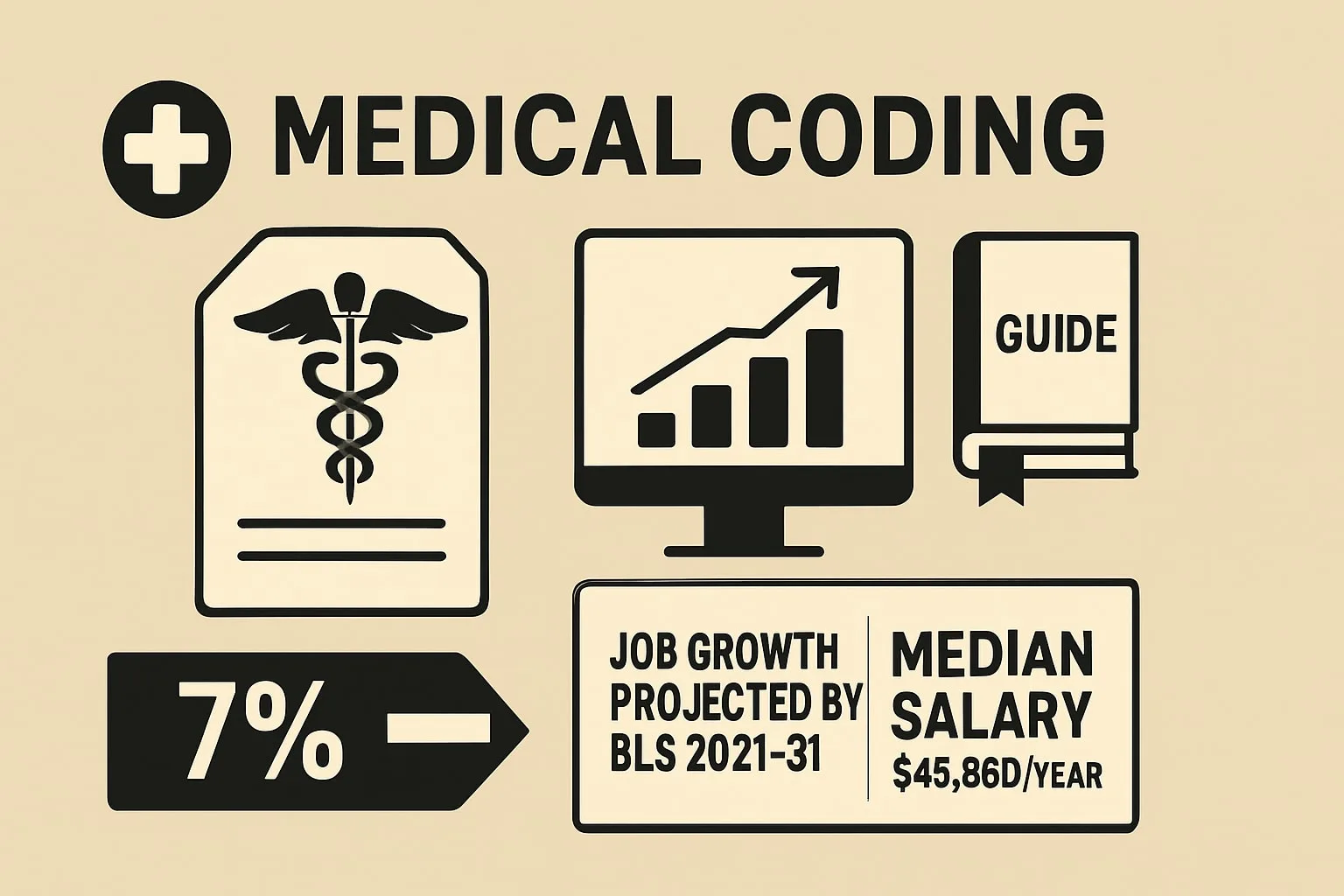
By 2026, the demand for skilled professionals in medical coding is expected to rise by 7 percent, according to the Bureau of Labor Statistics. With a median annual salary of $46,660, this role offers both stability and growth.
Are you searching for a rewarding healthcare career that does not require direct patient care? Medical coding could be the perfect fit for you.
This guide provides a clear, step-by-step roadmap to launch your medical coding career by 2026. You will learn the fundamentals, essential skills, education options, certification paths, career outlook, future trends, and practical steps to get started.
Prepare to take action toward a future in medical coding with confidence and clarity.
Understanding Medical Coding: Foundations and Functions
Medical coding is the backbone of modern healthcare administration. Every diagnosis, procedure, and service delivered in a healthcare setting must be translated into a standardized code. This process ensures providers get paid, patients’ records stay accurate, and data is available for analysis and decision-making.
What is Medical Coding?
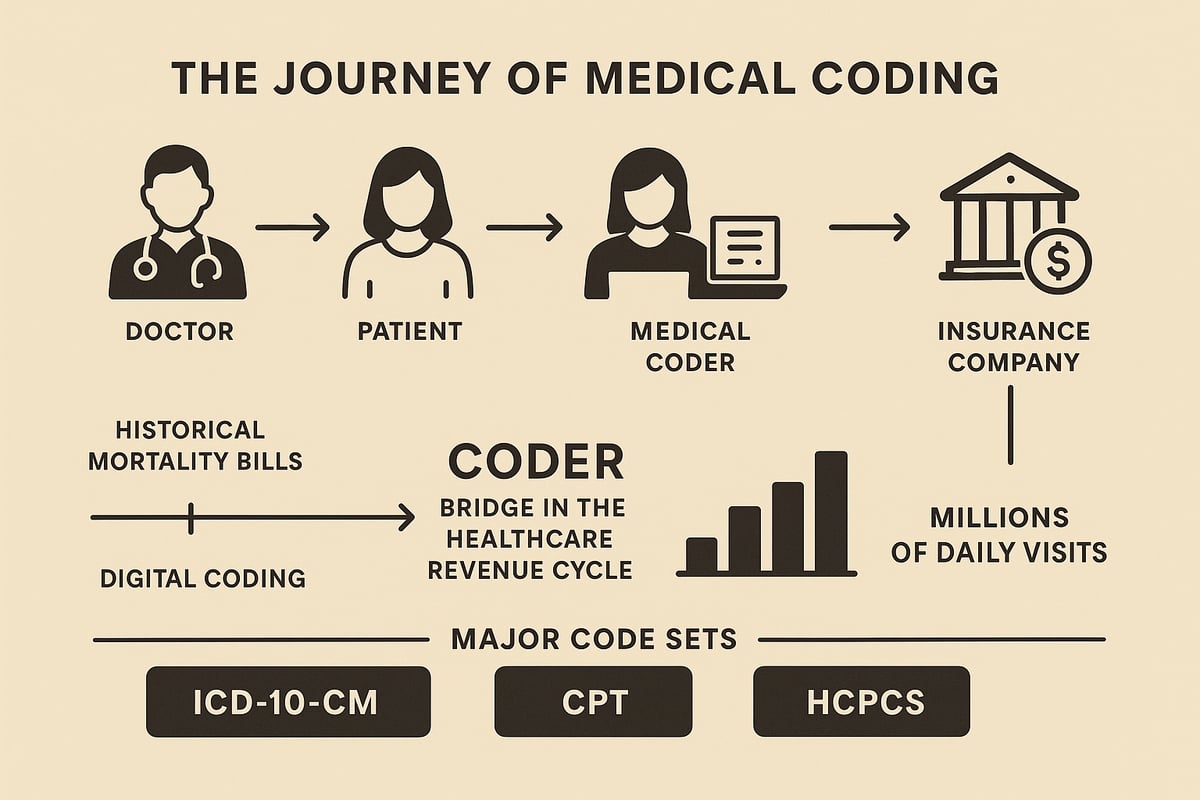
Medical coding converts the complex language of healthcare into universal alphanumeric codes. When a patient visits a doctor, every symptom, diagnosis, and procedure is documented. Coders review this information and assign the proper codes, which are used for billing, insurance claims, and maintaining patient records.
This work forms a crucial bridge between healthcare providers and payers. For example, if a patient receives knee surgery, the coder assigns an ICD-10-CM code for the diagnosis and a CPT code for the procedure. These codes allow insurance companies to review and process the claim quickly.
Medical coding has evolved significantly. In the 18th century, mortality bills tracked causes of death for public health. Today, coders use sophisticated software and digital records to ensure accuracy. Coding now directly impacts healthcare revenue cycles, as timely and correct coding leads to prompt payments and supports continuous patient care.
Accuracy is vital. A single incorrect code can cause claim denials or compliance issues. This can disrupt provider payment and even lead to lost revenue. Reliable coding not only benefits providers but also upholds the integrity of the healthcare system.
Why Medical Coding Matters in Healthcare
The United States processes hundreds of millions of healthcare visits every year. The sheer volume of medical data is staggering, and medical coding ensures this data is consistently communicated among doctors, insurers, and patients.
Coding is essential for billing efficiency. It helps prevent errors that could delay payment or trigger audits. Coders are responsible for ensuring that each record accurately reflects the care provided. HIPAA regulations mandate standardized code sets and protect patient privacy, making the coder’s role even more critical.
Medical coding supports healthcare quality and data-driven decision-making. Accurate coding allows organizations to track trends, improve patient outcomes, and identify public health concerns. For example, proper coding can prevent payment denials and support initiatives that monitor disease outbreaks.
The importance of coding accuracy cannot be overstated. Not only does it ensure providers are reimbursed for their services, but it also helps efficiently recover underpayments, protecting the financial health of medical practices and facilities.
Types of Medical Codes and Their Uses
Medical coding in the U.S. relies on six official HIPAA-mandated code sets, each serving a unique purpose. Here’s a quick overview:
| Code Set | Primary Use | Number of Codes |
|---|---|---|
| ICD-10-CM | Diagnoses | 70,000+ |
| CPT | Procedures | 11,000+ |
| HCPCS II | Supplies/Services | 7,000+ |
| ICD-10-PCS | Hospital Procedures | 87,000+ |
| CDT | Dental Procedures | 700+ |
| NDC | Drugs | 10,000+ |
Consider these real-world scenarios:
- A patient receives a flu vaccine. The coder assigns an ICD-10-CM code for the preventive visit and a CPT code for the injection.
- For hospital stays, ICD-10-PCS codes detail inpatient procedures, while HCPCS codes cover durable medical equipment.
- Dental offices use CDT for cleanings and fillings, and pharmacies use NDC codes to track medications.
ICD codes are used worldwide, with each country adapting the system to local needs. In the U.S., these code sets work together to streamline communication, support reimbursement, and uphold compliance standards.
Medical coding professionals must master these systems to ensure accuracy and efficiency in every healthcare interaction.
Essential Skills and Attributes for Medical Coders
Success in medical coding depends not just on technical knowledge but on a unique blend of skills and professional attributes. Employers seek individuals who can handle complex data, communicate effectively, and adapt to change. Developing these qualities is essential for anyone aiming to excel in medical coding roles.
Core Competencies Required
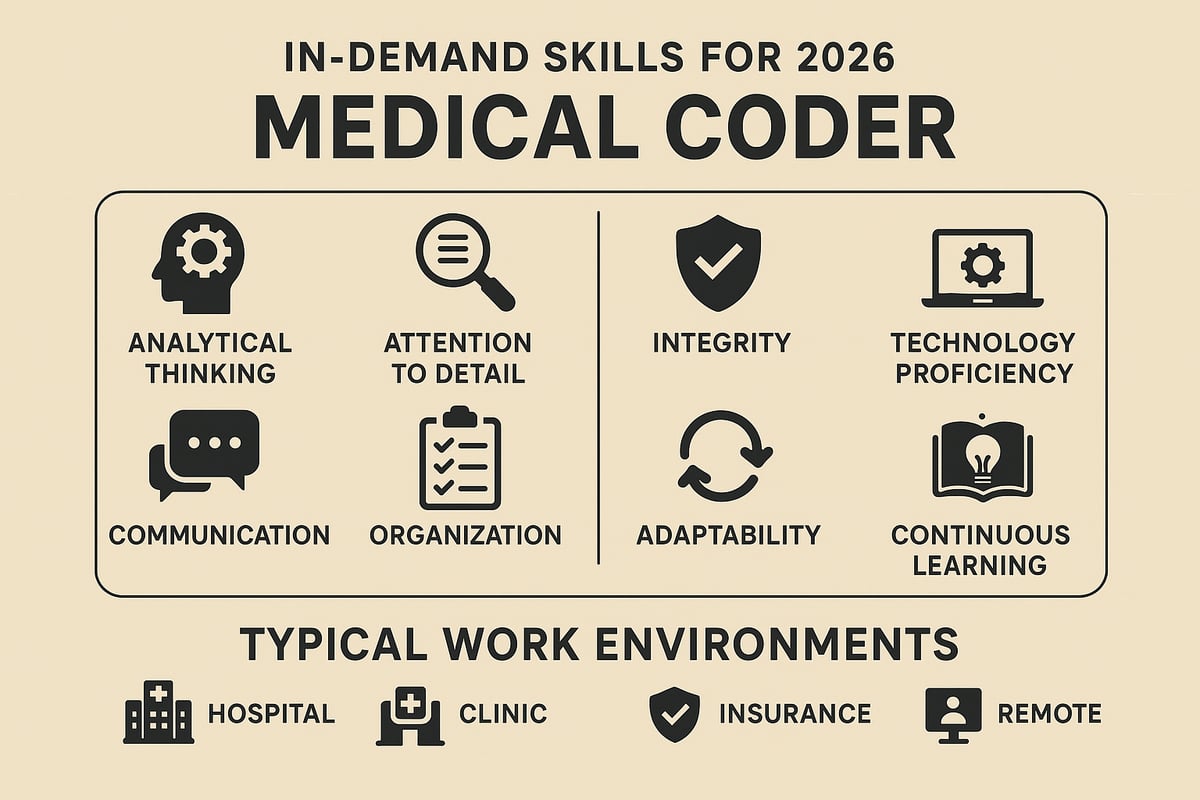
Medical coding professionals must possess a strong set of core competencies to ensure accuracy and efficiency in their daily work. Analytical skills are fundamental, as coders interpret complex medical records and select the correct codes for diagnoses and procedures. A keen eye for detail is vital because even small coding errors can result in claim denials or compliance issues.
Integrity and ethics are non-negotiable in medical coding. Coders handle confidential patient data and must comply with privacy laws such as HIPAA. Technical proficiency is equally important, as coders use specialized coding software and electronic health record systems to complete their tasks.
Communication skills play a pivotal role. Medical coding often requires clarifying clinical documentation with physicians or collaborating with billing staff to resolve discrepancies. Organization and self-motivation are also key, especially since many coding roles involve independent work and strict deadlines.
Here is a summary of the most critical competencies:
| Skill | Why It Matters | Example in Practice |
|---|---|---|
| Analytical Thinking | Decoding complex records, identifying nuances | Interpreting a multifaceted surgical report |
| Attention to Detail | Avoiding costly errors, ensuring compliance | Double-checking codes before claim submission |
| Integrity & Ethics | Protecting patient privacy, legal compliance | Securing patient data, following HIPAA guidelines |
| Technical Proficiency | Navigating EHRs and coding platforms | Using ICD-10-CM and CPT coding software |
| Communication | Clarifying and collaborating | Discussing unclear notes with a provider |
| Organization | Managing workload, meeting deadlines | Prioritizing urgent claims |
To learn more about the medical coding skills employers seek in 2026, explore resources that highlight emerging expectations in the field.
Professional Qualities and Workplace Expectations
Beyond technical skills, medical coding professionals must demonstrate adaptability and a commitment to lifelong learning. Regulations and coding standards evolve frequently, so coders should stay updated through continuing education and professional development.
Professionalism and ethical conduct are essential in any healthcare environment. Medical coding specialists are expected to interact respectfully with colleagues, maintain confidentiality, and uphold the highest standards of accuracy. Adaptability is crucial, as coding guidelines and healthcare technologies continue to change.
Medical coding roles are found in diverse settings, including hospitals, clinics, physician offices, insurance companies, and even remote or home-based offices. Each environment may present unique challenges, but the core expectations remain the same: precision, reliability, and professionalism.
Cultivating these attributes not only enhances your day-to-day performance but also positions you for growth and advancement within the medical coding profession. By investing in your skills and professional qualities, you can build a rewarding and future-proof career.
Education and Training Pathways: Building Your Coding Foundation
Embarking on a medical coding career begins with the right educational foundation. Whether you are new to healthcare or switching careers, understanding your training options is the first step. Let us explore the essential pathways that will set you up for success in this dynamic field.
Educational Requirements and Options
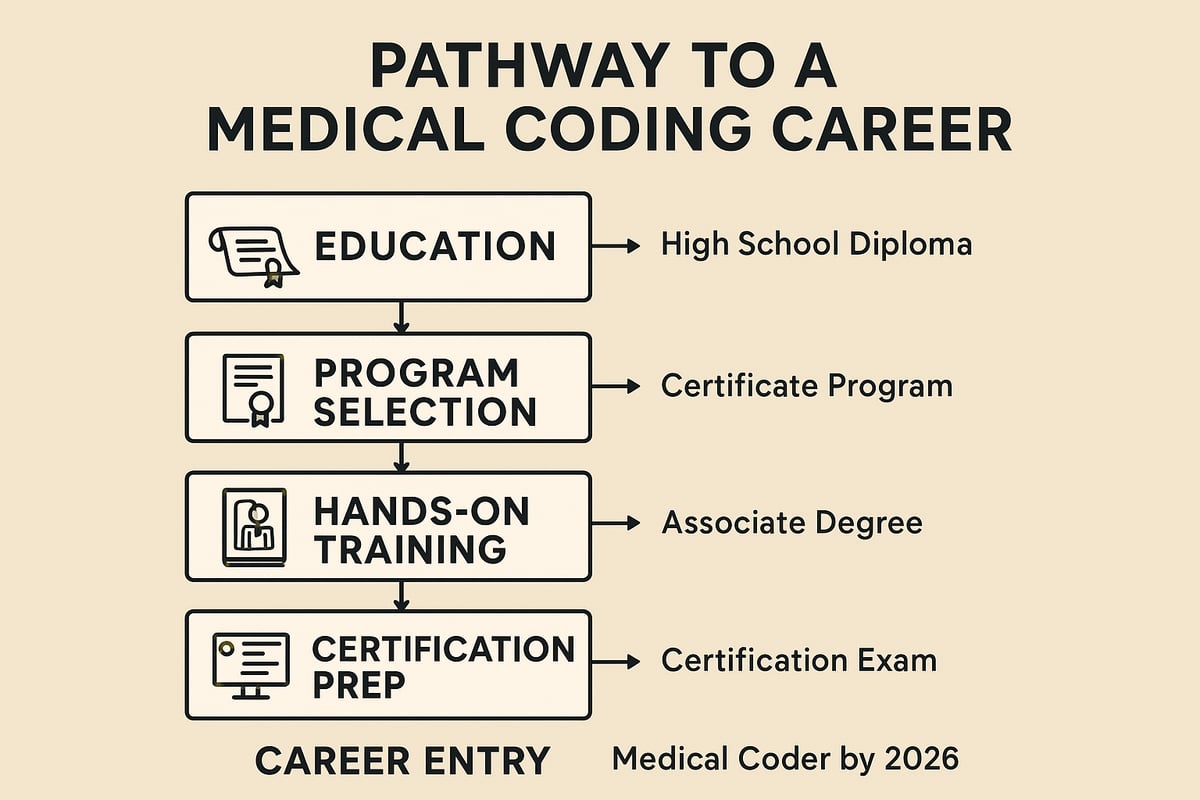
To start a career in medical coding, a high school diploma or equivalent is the minimum requirement. However, most employers prefer candidates who have completed postsecondary training. This can include certificate programs or associate degrees in health information management or medical coding.
A typical curriculum covers essential topics such as medical terminology, anatomy, pathophysiology, pharmacology, and coding systems like ICD, CPT, and HCPCS. Students also learn about healthcare reimbursement methods and the legal and ethical aspects of patient data. For example, programs like MassBay’s offer both inpatient and outpatient coding coursework, giving students a well-rounded education.
Hands-on experience is critical in medical coding programs. Learners practice coding with real medical records and use industry-standard software, building confidence and technical skills. This combination of theoretical knowledge and practical application prepares students for real-world challenges.
| Pathway | Duration | Focus Areas | Outcome |
|---|---|---|---|
| Certificate Program | 6-12 months | Coding systems, terminology, compliance | Entry-level coding jobs |
| Associate Degree | 2 years | Broader HIM, advanced coding, reimbursement | Broader job options, advancement |
Choosing a Medical Coding Program
Selecting the right medical coding program is a pivotal decision. Accreditation is crucial, as it ensures the program meets industry standards and is recognized by employers. Review the curriculum to confirm it covers all major coding systems, healthcare laws, and billing practices. Faculty expertise and job placement rates are also important indicators of program quality.
Today, students can choose between in-person and online learning. Online programs offer flexibility, making it easier to balance studies with work or family commitments. In-person options provide direct interaction and networking opportunities. Consider your learning style and personal needs when evaluating these formats.
Continuing education and specialty training can further boost your prospects in medical coding. Many professionals later pursue advanced courses in areas like oncology or risk adjustment. Trusted resources for finding reputable programs include organizations such as AAPC, AHIMA, and local community colleges. These institutions often provide guidance on certification preparation and career placement.
Licenses, Certifications, and Exam Preparation
Certification is a vital step for anyone aiming to advance in the medical coding field. Credentials such as Certified Professional Coder (CPC), Certified Coding Associate (CCA), and Certified Coding Specialist (CCS) are highly valued by employers. Earning one of these demonstrates your expertise and commitment to quality.
To be eligible for certification, candidates usually need to complete a qualifying education program. Exam preparation involves studying coding guidelines, taking practice tests, and joining study groups or workshops. Many find that focused preparation is key to passing on the first attempt.
For those interested in the CCS, the Certified Coding Specialist (CCS) certification details page outlines eligibility requirements and exam content. Certification is linked to higher salaries and improved job security in medical coding. Staying certified often means completing continuing education, which keeps your skills sharp and up to date in this evolving industry.
Certification Roadmap: Step-by-Step to Credentialing Success
Launching a career in medical coding begins with the right certification. Each step on this credentialing journey builds your expertise, credibility, and earning potential. Here is a clear, actionable roadmap to help you achieve certification success and stand out in the competitive medical coding field.
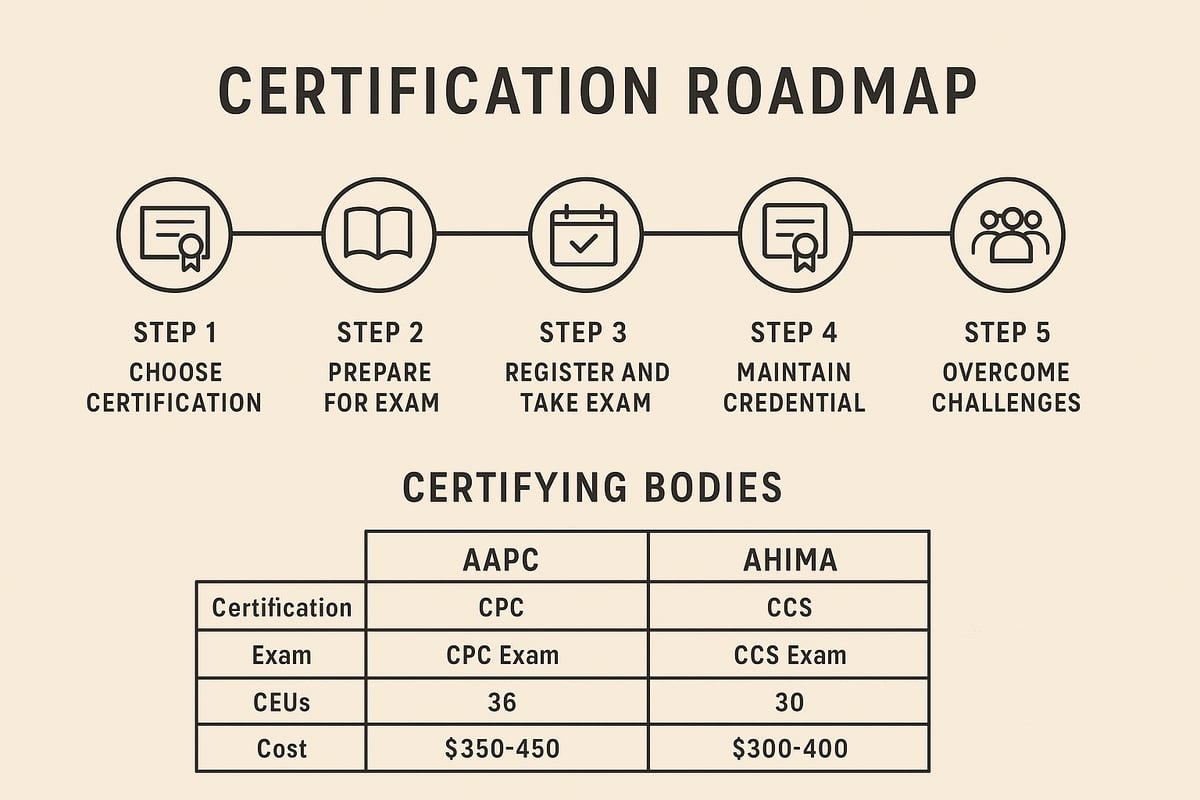
Step 1: Select the Right Certification
Choosing your medical coding certification is a foundational decision. The two leading certifying bodies are AAPC and AHIMA. Each offers credentials tailored to different work settings and specializations.
| Certifying Body | Credential | Focus Area |
|---|---|---|
| AAPC | CPC | Outpatient, physician-based |
| AHIMA | CCA, CCS | Inpatient, hospital-based |
Consider your career goals. If you aim for outpatient or physician office roles, the CPC from AAPC is widely recognized. For hospital or inpatient coding, AHIMA's CCA or CCS may be a better fit. Research which credential aligns with your desired path in medical coding.
Certification is also essential for demonstrating accuracy and compliance. Mistakes in coding can lead to costly billing errors. For more on why precision matters, see Common medical billing mistakes.
Step 2: Prepare for the Exam
Preparation is key to passing your medical coding exam. Check the prerequisites for your chosen credential, as some require formal education or work experience.
Build a study plan:
- Review official exam content outlines.
- Use study guides and coding manuals.
- Complete practice exams and quizzes.
- Join peer study groups or online forums.
Set aside regular time each week for focused study. Use a mix of reading, hands-on coding with sample records, and timed practice tests to build confidence. Consistent preparation is the best way to master the medical coding concepts tested on your exam.
Step 3: Register and Sit for the Exam
Once prepared, register for your medical coding exam through the certifying body’s website. Be mindful of application deadlines, required documentation, and exam fees.
Schedule your test at a convenient location or opt for remote testing if available. On exam day, follow these tips:
- Arrive early or log in ahead of time.
- Bring required identification and materials.
- Manage your time during the exam.
- Stay calm and read all questions carefully.
Many candidates pass on the first attempt, but retake policies offer reassurance if you need another try. A successful exam experience is a major milestone in your medical coding journey.
Step 4: Maintain and Advance Your Credential
Certification is not a one-time event. To keep your medical coding credential active, you must complete continuing education units (CEUs) regularly.
Ways to meet CEU requirements:
- Attend workshops, webinars, or conferences.
- Take additional coding courses.
- Read industry publications and complete assessments.
Consider specializing in areas like risk adjustment, auditing, or compliance. Advancement opportunities include roles such as coding auditor, educator, or manager. Ongoing learning ensures you stay current with evolving medical coding standards and healthcare regulations.
Step 5: Navigating Common Certification Challenges
Pursuing medical coding certification comes with challenges, but preparation and support make a difference.
Common obstacles include:
- Balancing work, study, and personal commitments.
- Managing test anxiety.
- Handling financial constraints for exam fees or study materials.
Strategies for success:
- Create a realistic study schedule.
- Seek support from mentors or online communities.
- Explore scholarships or employer tuition assistance.
Stay motivated and reach out for guidance when needed. Every challenge you overcome strengthens your skills and resilience as a future medical coding professional.
Career Opportunities and Growth in Medical Coding
The field of medical coding is experiencing robust growth, creating abundant opportunities for those seeking a stable and rewarding healthcare career. With evolving technology and healthcare regulations, the demand for skilled coders continues to rise. Let us explore the current landscape, typical roles, pathways for advancement, and essential strategies for professional development within medical coding.
Job Market Overview and Outlook
Medical coding professionals are in high demand across the United States. According to the Bureau of Labor Statistics, there were about 186,400 jobs in 2022, with a projected 7 percent growth from 2021 to 2031. This translates to approximately 12,300 new positions, fueled by factors like an aging population, expanded healthcare access, and a shift to digital health records.
The median salary for medical coding stands at $46,660 per year, or $22.43 per hour. Factors such as geographic location, certification level, and years of experience can influence pay rates. For a deeper dive into salary trends and job projections, review these medical coder job growth statistics.
Medical coding offers a recession-resistant career path within the healthcare sector, making it an attractive choice for those seeking job stability and growth.
Typical Work Environments and Roles
Medical coding professionals work in a variety of healthcare settings. The most common employers include:
- Hospitals and health systems
- Physician offices and clinics
- Insurance companies and payers
- Long-term care and nursing facilities
- Research organizations and consulting firms
Daily responsibilities involve reviewing patient health records, assigning accurate codes for diagnoses and procedures, and ensuring billing compliance. Coders interact with healthcare providers to clarify documentation and play a crucial role in streamlining billing processes, which helps maximize cash flow and minimize errors. For tips on optimizing billing efficiency, see Streamlining your billing process.
A growing number of medical coding jobs offer remote or flexible work arrangements, allowing coders to work from home and balance professional and personal commitments.
Career Advancement Pathways
A career in medical coding can lead to many specialized and leadership roles. After gaining experience, coders may advance to positions such as:
- Coding auditor or quality assurance specialist
- Compliance officer or documentation improvement specialist
- Coding educator or trainer
- Supervisor, team lead, or revenue cycle manager
Specializing in areas like oncology, cardiology, or risk adjustment can open doors to higher salaries and increased responsibility. Many professionals pursue additional certifications or degrees to support their advancement.
Career progression often follows a ladder, starting as an entry-level coder, moving to auditor or educator, and potentially reaching management within a few years.
Essential Networking and Professional Development
Active participation in professional associations is vital to long-term success in medical coding. Organizations like AAPC and AHIMA offer networking opportunities, certification resources, and industry updates.
Attending conferences, webinars, and local chapter meetings helps coders stay current with regulations and technology. Engaging in mentorship programs and online forums fosters collaboration and knowledge sharing.
Continuous learning and professional development are essential for adapting to changes in the healthcare landscape and maintaining a competitive edge in the field.
The Future of Medical Coding: Trends, Technology, and Your 2026 Roadmap
The landscape of medical coding is rapidly evolving, shaped by technological innovation, regulatory updates, and shifting industry needs. As you plan your career for 2026, understanding these trends will help you stay ahead in a competitive field.
Emerging Technologies and Automation
Automation and artificial intelligence are transforming the medical coding profession. Tools like computer-assisted coding (CAC) systems are streamlining the review of clinical documentation and suggesting codes, speeding up processes and reducing manual errors.
According to the U.S. medical coding market growth forecast, the industry is expected to expand significantly through 2033 as healthcare organizations invest in advanced technologies. Coders who embrace these tools will find greater efficiency in daily tasks.
However, technology will not replace the need for skilled coders. Human oversight is essential for interpreting complex cases and ensuring compliance. Staying current with new software and automation trends will be vital for career growth in medical coding.
Evolving Industry Standards and Regulations
Medical coding standards are always being updated to keep pace with healthcare changes. For example, the adoption of ICD-11 and ongoing CPT code revisions will introduce new guidelines and requirements. These updates will affect how diagnoses and procedures are reported across the industry.
Healthcare reimbursement models are also shifting, placing greater emphasis on value-based care and accurate coding for population health management. Coders must stay informed about regulatory changes and compliance rules to ensure correct billing and data reporting.
HIPAA mandates and evolving privacy laws will continue to shape how patient information is coded and protected. Adapting to these changes is essential for every medical coding professional.
Skills for the Next Generation of Coders
The future of medical coding demands a blend of technical and analytical skills. Employers are seeking coders who can:
- Navigate advanced EHR systems
- Analyze healthcare data for trends and quality improvement
- Understand informatics and health IT concepts
Lifelong learning is crucial. Pursuing advanced certifications and specialty training will give you a competitive edge. Coders with expertise in data analytics or specific medical specialties will be in higher demand.
Soft skills, such as communication and adaptability, will remain valuable as the field continues to change. To thrive in medical coding, be prepared to learn continuously and embrace new challenges.
Actionable Steps for Your 2026 Career Roadmap
To future-proof your career in medical coding, take these steps:
| Milestone | Target Completion |
|---|---|
| Complete education | Year 1 |
| Achieve certification | Year 2 |
| Gain entry-level job | Years 2-3 |
| Pursue specialization | Years 3-4 |
| Continue upskilling | Ongoing |
Set clear goals for each stage. Start by building a solid foundation in medical coding basics, then pursue certification and gain work experience. Seek mentorship, join professional associations, and attend industry events to expand your network.
Plan for ongoing education as technology and regulations evolve. By staying proactive, you will be well positioned for success as a medical coding professional in 2026 and beyond.
You’ve now seen how medical coding offers a stable, well-compensated career path—especially as we head toward 2026’s growing demand and evolving technology. If you’re ready to move from research to action, navigating your unique roadmap can be much easier with expert guidance. At Nero and Associates, Inc., we specialize in helping future professionals like you streamline your journey into healthcare, optimize your career plans, and build confidence in a changing market. If you’d like personal advice tailored to your goals, I invite you to Book a Consultation and take the first step toward a future in medical coding.