

Healthcare is a partnership between providers and patients, each with distinct roles that contribute to successful outcomes. While healthcare organizations invest in advanced technology, skilled professionals, and comprehensive care protocols, the effectiveness of these resources depends heavily on active participation from those receiving care. Understanding and fulfilling patient responsibility creates a foundation for quality treatment, improved health outcomes, and efficient healthcare delivery.
Understanding the Core Components of Patient Responsibility
Patient responsibility encompasses multiple dimensions that extend beyond simply showing up for appointments. This multifaceted concept includes providing accurate health information, following treatment plans, maintaining open communication with healthcare providers, and fulfilling financial obligations. Each component plays a critical role in the overall healthcare experience.
The relationship between patients and healthcare providers relies on mutual trust and transparency. When patients take ownership of their role, they enable providers to make informed decisions, reduce medical errors, and deliver personalized care. This collaborative approach transforms healthcare from a transactional service into a meaningful partnership focused on wellness and prevention.
Accurate Information Sharing
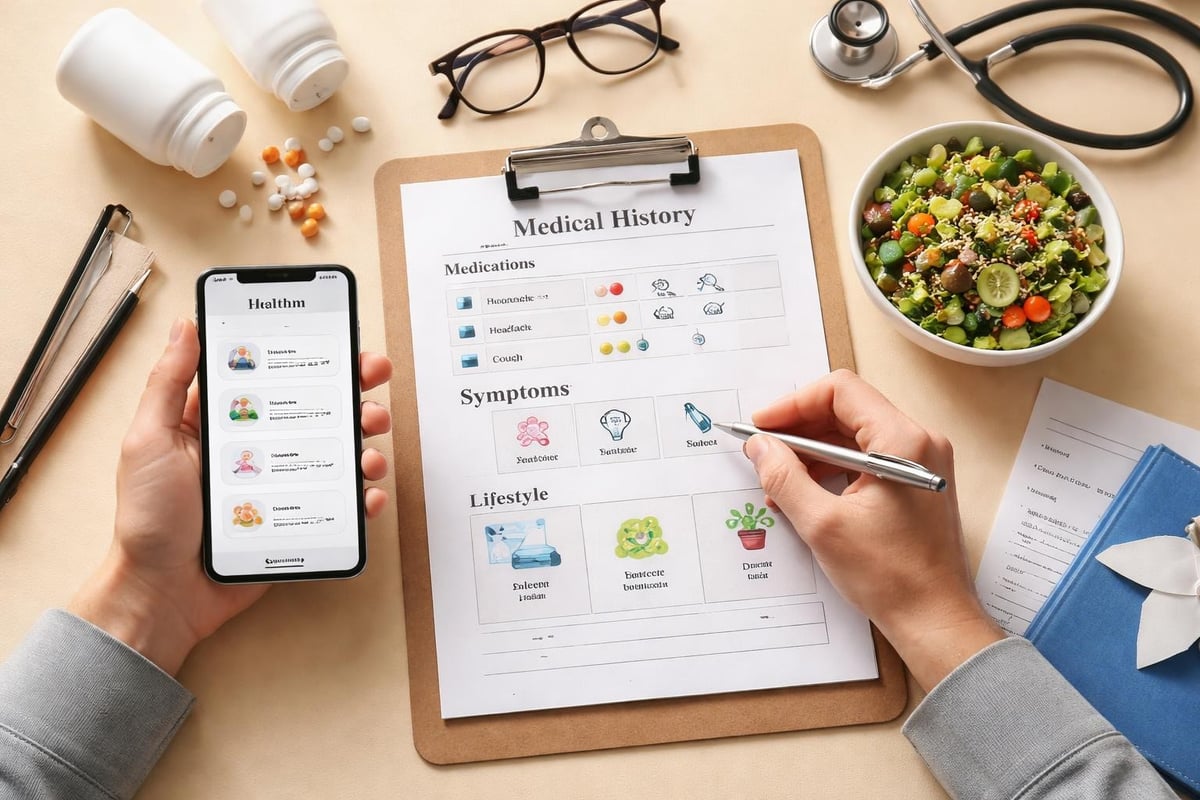
Providing complete and truthful health information represents one of the most critical aspects of patient responsibility. This includes medical history, current medications, allergies, lifestyle factors, and symptoms. Healthcare providers rely on this information to make accurate diagnoses and develop effective treatment plans.
Essential information patients should share:
- Complete medication lists, including over-the-counter drugs and supplements
- Previous surgeries, hospitalizations, and major illnesses
- Family medical history relevant to genetic conditions
- Current symptoms with specific details about onset, duration, and severity
- Lifestyle factors such as smoking, alcohol consumption, and exercise habits
- Allergic reactions to medications, foods, or environmental factors
Withholding or misrepresenting information, whether intentionally or through oversight, can lead to serious complications. For example, failing to disclose supplement use might result in dangerous drug interactions, while omitting family history could mean missing early warning signs of hereditary conditions.
Financial Obligations and Insurance Understanding
Financial responsibility constitutes a significant dimension of patient responsibility that affects both healthcare organizations and individuals. Understanding insurance coverage, copayments, deductibles, and out-of-pocket expenses enables patients to make informed decisions about their care and maintain financial wellness.
Navigating Insurance Coverage
Patients must understand their insurance benefits, including covered services, network restrictions, and authorization requirements. This knowledge prevents unexpected bills and ensures appropriate use of healthcare resources.
| Financial Aspect | Patient Responsibility | Organizational Support |
|---|---|---|
| Insurance Verification | Provide current insurance information | Verify coverage before services |
| Payment Arrangements | Communicate financial constraints early | Offer payment plans and resources |
| Bill Understanding | Review statements for accuracy | Provide itemized, clear billing |
| Out-of-Network Care | Understand additional costs | Notify patients of network status |
Organizations like Nero and Associates, Inc. help healthcare facilities streamline their revenue cycle management, making it easier for patients to understand their financial obligations while ensuring healthcare providers receive appropriate compensation. This alignment benefits both parties through improved transparency and reduced administrative burden.
The patient’s financial responsibilities extend to timely payment of bills, maintaining updated insurance information, and communicating financial concerns before they become barriers to care. Proactive engagement with billing departments can reveal assistance programs, payment plans, and resources that make healthcare more accessible.
Treatment Plan Adherence and Active Participation
Following prescribed treatment plans represents a cornerstone of patient responsibility. This includes taking medications as directed, attending scheduled appointments, completing recommended therapies, and following lifestyle modifications. Non-adherence costs the healthcare system billions annually and significantly impacts patient outcomes.
Medication Management
Proper medication management requires patients to understand dosing schedules, potential side effects, and the importance of completing prescribed courses. This responsibility also includes reporting adverse reactions promptly and asking questions when instructions are unclear.
Steps for effective medication adherence:
- Create a medication schedule aligned with daily routines
- Use pill organizers or smartphone reminders for consistency
- Understand the purpose and expected outcomes of each medication
- Report side effects or concerns immediately to healthcare providers
- Never adjust dosages or discontinue medications without consulting providers
- Keep an updated list of all medications for every healthcare visit
Organizations investing in human capital management solutions recognize that employee health directly impacts productivity and organizational success. When employees understand their patient responsibility and actively manage their health, companies benefit from reduced absenteeism, lower healthcare costs, and improved morale.
Communication and Shared Decision-Making
Effective communication between patients and healthcare providers forms the foundation of quality care. Patient responsibility includes asking questions, expressing concerns, and participating actively in treatment decisions. This two-way dialogue ensures that care plans align with patient values, preferences, and practical circumstances.

Building Productive Provider Relationships
Patients who take responsibility for communication create partnerships with their healthcare teams. This means preparing for appointments with questions, bringing relevant health records, and clearly articulating symptoms and concerns.
Effective communication strategies include:
- Preparing written lists of questions before appointments
- Taking notes during consultations or bringing a trusted companion
- Requesting clarification when medical terminology is confusing
- Sharing concerns about treatment feasibility or side effects
- Informing providers about all healthcare visits and specialists seen
- Providing feedback about treatment effectiveness
The University of Washington emphasizes that patient responsibility extends to respecting appointment times, notifying providers of cancellations in advance, and understanding that healthcare teams serve multiple patients. These courtesies enable efficient scheduling and ensure resources reach those who need them most.
Preventive Care and Health Maintenance
Patient responsibility encompasses proactive health management through preventive care, routine screenings, and healthy lifestyle choices. This forward-thinking approach reduces the burden of chronic disease, lowers healthcare costs, and improves quality of life.
Preventive Measures Patients Should Prioritize
| Age Group | Key Preventive Responsibilities |
|---|---|
| Young Adults (18-39) | Annual checkups, vaccinations, mental health screening, reproductive health |
| Middle Age (40-64) | Cancer screenings, cardiovascular monitoring, bone density tests, diabetes screening |
| Seniors (65+) | Falls prevention, cognitive assessments, osteoporosis management, vision/hearing checks |
Preventive care represents one of the most cost-effective aspects of patient responsibility. Organizations that promote employee wellness through comprehensive health programs see measurable returns through reduced healthcare utilization and improved productivity.
Automation and integration solutions can streamline preventive care reminders, making it easier for patients to track recommended screenings and vaccinations. When healthcare systems leverage technology effectively, they remove barriers to fulfilling patient responsibility.
Managing Chronic Conditions
For patients with chronic conditions such as diabetes, hypertension, or heart disease, patient responsibility takes on heightened importance. Daily self-management activities, monitoring vital signs, and recognizing warning signs become essential skills that directly impact disease progression.
Self-Management Strategies
Successful chronic disease management requires patients to become active participants in their care. This includes learning about their condition, understanding how lifestyle factors influence disease progression, and developing systems for consistent self-care.
- Monitor blood glucose, blood pressure, or other relevant metrics as directed
- Maintain detailed logs of symptoms, measurements, and medication effects
- Recognize and respond appropriately to warning signs requiring medical attention
- Adapt daily routines to accommodate treatment requirements
- Engage family members or caregivers in support systems
- Utilize technology such as health apps for tracking and reminders
Healthcare organizations implementing revenue cycle management solutions can better support patients with chronic conditions by streamlining billing processes and reducing administrative burdens. When patients spend less time navigating complex financial systems, they can focus more energy on health management.

Respecting Healthcare Environments and Personnel
Patient responsibility extends to behavior within healthcare settings. This includes treating healthcare workers with respect, following facility policies, and recognizing that providers serve many patients with varying needs and urgencies.
Creating Positive Healthcare Experiences
Healthcare facilities function most effectively when patients understand and respect established protocols. This includes adhering to visiting hours, following infection control measures, and cooperating with safety procedures.
Behavioral expectations include:
- Arriving on time for scheduled appointments
- Treating all healthcare staff with courtesy and respect
- Following visitor policies and noise guidelines in shared spaces
- Complying with safety protocols such as hand hygiene and mask requirements
- Respecting privacy and confidentiality of other patients
- Providing honest feedback through appropriate channels
Organizations investing in employee mental and physical health recognize that healthcare workers face significant stress. When patients fulfill their responsibility to treat providers respectfully, it contributes to a healthier work environment and reduces burnout among healthcare professionals.
Technology and Patient Portals
Modern healthcare increasingly relies on patient portals and digital tools for communication, scheduling, and information access. Patient responsibility now includes engaging with these technological resources to manage health information effectively.
Leveraging Digital Health Tools
Patient portals provide access to test results, medication lists, appointment scheduling, and secure messaging with providers. Taking responsibility for using these tools enhances care coordination and reduces administrative phone calls.
| Portal Feature | Patient Benefit | Responsibility |
|---|---|---|
| Test Results | Immediate access to lab work | Review and follow up on abnormal findings |
| Secure Messaging | Convenient provider communication | Use appropriate urgency levels |
| Appointment Scheduling | 24/7 booking availability | Cancel or reschedule promptly when needed |
| Medication Refills | Streamlined prescription management | Request refills before medications run out |
| Health Records | Comprehensive history access | Keep information current and accurate |
Artificial intelligence and automation solutions are transforming how patients interact with healthcare systems. These technologies can send personalized reminders, answer common questions, and streamline administrative processes, making it easier for patients to fulfill their responsibilities while reducing the manual workload for healthcare staff.
Emergency Situations and Appropriate Care Utilization
Understanding when to seek emergency care versus scheduling routine appointments represents an important aspect of patient responsibility. Overutilization of emergency departments for non-urgent issues strains healthcare resources and increases costs for everyone.
Making Appropriate Care Decisions
Patients should familiarize themselves with the differences between emergency departments, urgent care centers, and primary care offices. This knowledge enables appropriate decision-making that ensures timely treatment while preserving emergency resources for true crises.
Emergency situations requiring immediate attention:
- Chest pain or pressure suggesting heart attack
- Sudden severe headache or signs of stroke
- Difficulty breathing or shortness of breath
- Severe bleeding that won't stop
- Loss of consciousness or altered mental state
- Severe allergic reactions
Non-emergency concerns such as minor cuts, cold symptoms, or chronic condition management typically can wait for urgent care or primary care appointments. Understanding these distinctions helps patients make informed choices about care settings.
Education and Health Literacy
Patient responsibility includes actively working to understand health conditions, treatment options, and medical terminology. Health literacy empowers patients to make informed decisions and participate meaningfully in their care.
Improving Health Knowledge
Patients should seek reliable health information from credible sources, ask providers for educational materials, and request explanations when concepts are unclear. This proactive approach to learning enhances treatment outcomes and builds confidence in health management.
Many healthcare organizations now offer educational resources, support groups, and wellness programs designed to improve health literacy. Taking advantage of these offerings demonstrates commitment to patient responsibility and personal health improvement.
Professional services consulting firms recognize that employee health education reduces healthcare costs while improving workforce productivity. By empowering employees to understand and fulfill their patient responsibility, organizations create cultures of wellness that benefit everyone.
Documentation and Record Keeping
Maintaining personal health records represents an often-overlooked aspect of patient responsibility. Organized documentation facilitates care coordination, especially when seeing multiple providers or transitioning between healthcare systems.
Creating Comprehensive Health Records
Patients should keep copies of important medical documents, test results, immunization records, and surgical reports. This information becomes invaluable during emergencies, when traveling, or when establishing care with new providers.
Essential documents to maintain:
- Immunization history and vaccination records
- Surgical reports and hospital discharge summaries
- Imaging results and pathology reports
- Allergy documentation and adverse reaction history
- Advance directives and healthcare power of attorney
- Insurance cards and policy information
Digital health records and cloud storage solutions make it easier than ever to maintain comprehensive health documentation. Patients who take responsibility for organizing this information save time, reduce redundant testing, and improve care continuity.
Advocacy and Second Opinions
While respecting healthcare providers' expertise, patient responsibility also includes advocating for oneself when something feels wrong or when seeking additional perspectives on complex health decisions.
When to Seek Second Opinions
Patients facing serious diagnoses, considering major surgery, or experiencing persistent unexplained symptoms have both the right and responsibility to seek additional medical opinions. This doesn't indicate distrust but rather demonstrates commitment to making fully informed healthcare decisions.
Effective self-advocacy means clearly communicating concerns, requesting detailed explanations of treatment options, and asking about alternatives. UCI Health emphasizes that patients who actively participate in decision-making often experience better outcomes and higher satisfaction with their care.
Organizations focused on employee empowerment recognize that encouraging self-advocacy in healthcare settings translates to more engaged, proactive team members who take ownership of all aspects of their wellbeing.
Understanding and embracing patient responsibility creates better health outcomes, reduces healthcare costs, and builds stronger relationships between patients and providers. When individuals actively participate in their care through accurate information sharing, treatment adherence, and proactive health management, the entire healthcare system functions more effectively. Nero and Associates, Inc. helps organizations optimize their operations through revenue cycle management, automation, and human capital solutions that empower both healthcare providers and patients to focus on what matters most: better health and improved quality of life.