

Organizations across every industry face mounting pressure to optimize operational efficiency while controlling costs. The implementation of rcm solutions offers a systematic approach to achieving these goals by transforming how businesses manage their physical assets, reduce downtime, and allocate maintenance resources. Whether you're operating manufacturing facilities, healthcare systems, or complex service infrastructures, understanding how to leverage reliability-centered maintenance methodologies can fundamentally reshape your bottom line performance.
Understanding the Foundation of RCM Solutions
Reliability-centered maintenance represents a strategic framework that moves organizations away from reactive maintenance approaches toward proactive, data-driven decision making. These methodologies emerged from the aviation industry in the 1960s and have since evolved to serve virtually every sector requiring asset management optimization.
Core Principles Driving RCM Effectiveness
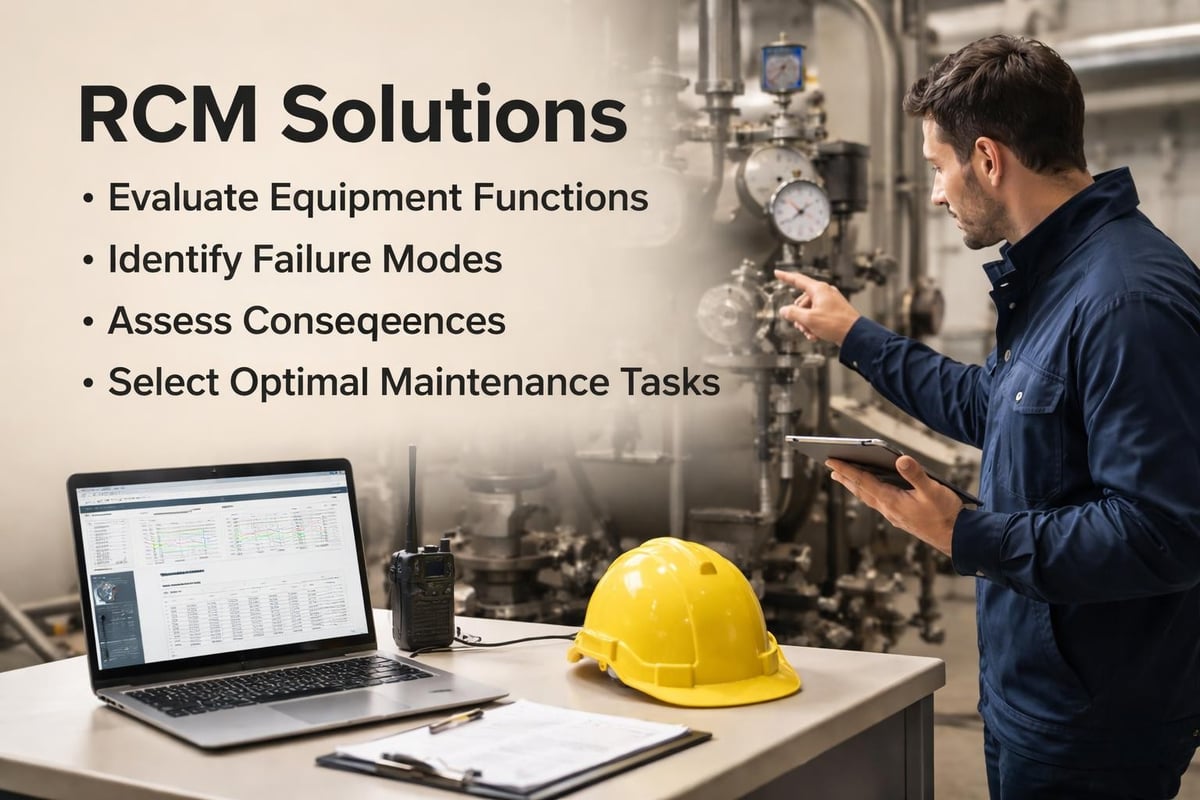
The foundation of effective rcm solutions rests on several key principles that distinguish them from traditional maintenance approaches. First, these systems prioritize equipment and assets based on their criticality to business operations rather than treating all assets equally. This risk-based approach ensures that resources flow to the areas generating the greatest operational impact.
Key principles include:
- Function-focused analysis that identifies what each asset must accomplish
- Failure mode identification to understand how equipment can fail
- Consequence evaluation to determine the business impact of failures
- Task selection based on effectiveness and cost efficiency
- Living program maintenance that evolves with operational needs
Organizations implementing these principles typically discover significant waste in their existing maintenance programs. Reliability Centered Maintenance strategies help teams distinguish between maintenance activities that genuinely prevent failures and those performed out of habit or tradition.
Different Maintenance Modes Within RCM Frameworks
Modern rcm solutions incorporate multiple maintenance modes rather than relying on a single approach. Understanding these different modes allows organizations to match the right strategy to each asset's requirements and failure characteristics.
| Maintenance Mode | Application | Primary Benefit | Cost Profile |
|---|---|---|---|
| Predictive | High-value rotating equipment | Maximum uptime | High initial, low ongoing |
| Preventive | Time-based failures | Scheduled planning | Medium balanced |
| Condition-based | Detectable degradation | Optimized intervals | Medium to high |
| Run-to-failure | Non-critical assets | Minimal intervention | Low maintenance, high replacement |
| Proactive | Root cause elimination | Long-term reliability | High analytical investment |
The strategic application of these modes creates a comprehensive maintenance ecosystem. For instance, critical production equipment might receive predictive monitoring through sensors and AI analytics, while non-critical assets operate under run-to-failure protocols that minimize unnecessary maintenance expenditure.
Implementing RCM Solutions Across Your Organization
Successful implementation requires more than purchasing software or hiring consultants. Organizations must approach RCM as a cultural transformation that touches processes, people, and technology systems simultaneously.
Building Your RCM Implementation Roadmap
The implementation journey begins with comprehensive asset inventory and criticality assessment. Teams must catalog every piece of equipment, evaluate its importance to operations, and understand current failure patterns. This foundational work informs every subsequent decision in the rcm solutions deployment.
Implementation phases typically include:
- Asset identification and functional analysis – Document what each asset does and why it matters
- Failure mode and effects analysis (FMEA) – Systematically identify how equipment can fail
- Maintenance task selection – Choose appropriate tasks for each failure mode
- Program documentation – Create living documents that guide maintenance execution
- Performance monitoring – Track metrics and continuously improve the program
Organizations often underestimate the change management requirements associated with RCM deployment. Maintenance teams accustomed to reactive firefighting must transition to structured, analytical approaches. This shift requires training, clear communication about benefits, and patience as new processes take hold.
Technology Platforms Enabling RCM Success
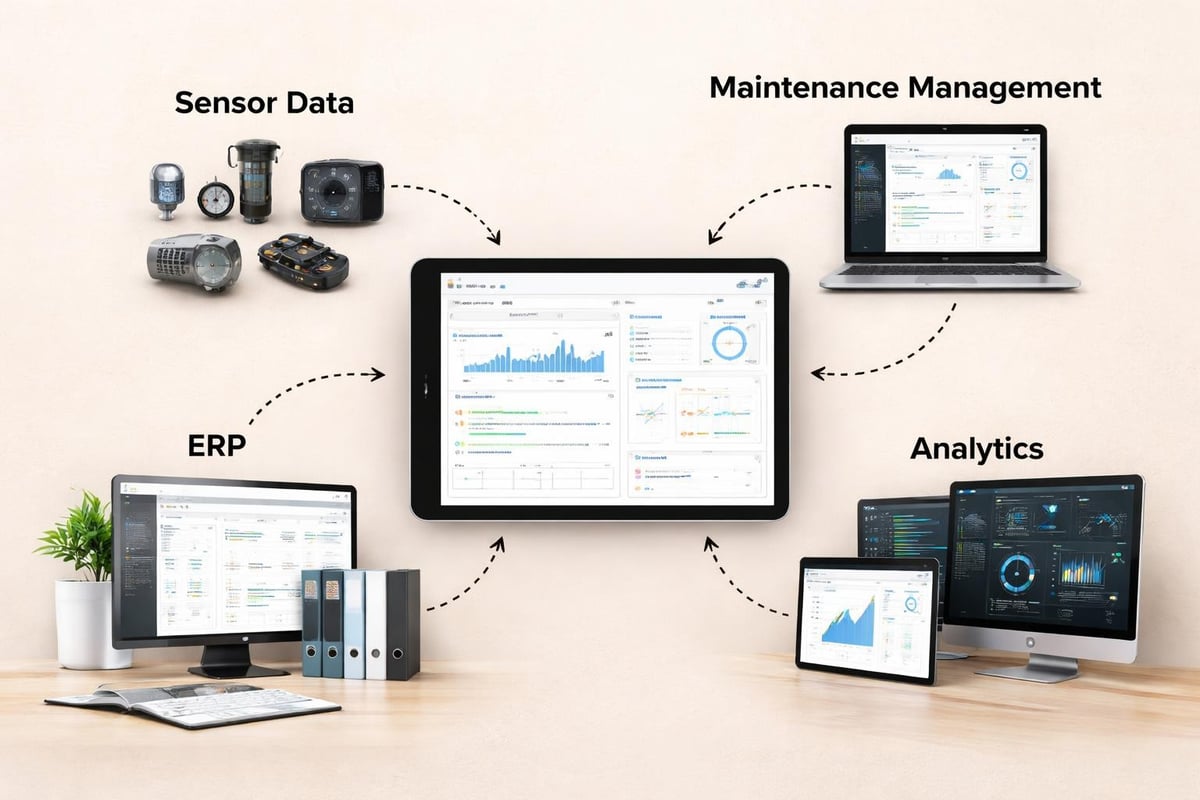
Modern rcm solutions leverage sophisticated software platforms that integrate data collection, analysis, and workflow management. These systems transform theoretical frameworks into practical tools that maintenance teams use daily.
Advanced RCM software solutions provide cloud-based access to maintenance strategy libraries, risk-based prioritization algorithms, and collaborative planning environments. The best platforms integrate with existing enterprise asset management systems, creating seamless data flow between strategic planning and tactical execution.
Technology considerations include:
- Integration capabilities with CMMS, ERP, and IoT sensor networks
- Mobile accessibility for field technicians conducting inspections
- Analytics dashboards providing real-time visibility into program performance
- Compliance tracking ensuring regulatory requirements are met
- Knowledge management systems capturing institutional expertise
Organizations exploring maximizing B2B growth opportunities should recognize that RCM technology investments pay dividends beyond maintenance optimization. These platforms generate operational intelligence that informs capacity planning, capital investment decisions, and strategic growth initiatives.
Measuring ROI and Business Impact
Quantifying the value of rcm solutions requires tracking metrics that connect maintenance activities to business outcomes. Organizations often struggle to demonstrate RCM's financial impact because traditional maintenance metrics focus on activity rather than results.
Key Performance Indicators for RCM Programs
Effective measurement frameworks balance leading indicators that predict future performance with lagging indicators that confirm results. This dual approach provides both early warning of program drift and concrete evidence of achieved benefits.
| Metric Category | Leading Indicators | Lagging Indicators |
|---|---|---|
| Reliability | Work order backlog trends, PM compliance | Mean time between failures, asset availability |
| Cost | Planned vs. reactive work ratio | Maintenance cost per unit produced, emergency spending |
| Safety | Near-miss reporting rates, hazard corrections | OSHA recordables, lost time incidents |
| Quality | Condition monitoring alerts, precision maintenance scores | Defect rates, rework requirements |
Organizations implementing comprehensive rcm solutions typically observe 20-35% reductions in maintenance costs within the first two years. However, the greater value often emerges through increased production capacity. When critical assets achieve higher reliability, organizations can defer major capital investments, increase throughput, or improve customer service levels without additional infrastructure spending.
Connecting RCM to Enterprise Performance
The relationship between maintenance reliability and enterprise profitability extends beyond direct cost savings. Reliability-centered strategies influence inventory requirements, workforce scheduling, quality consistency, and customer satisfaction in ways that traditional financial analysis often overlooks.
Consider manufacturing environments where equipment failures trigger expedited shipping costs, overtime premiums, and penalty clauses for late deliveries. Each avoided failure prevents a cascade of costs that far exceed the direct maintenance expense. Similarly, in healthcare settings, equipment reliability directly impacts patient care quality and operational throughput.
Broader business impacts include:
- Reduced inventory carrying costs through improved production predictability
- Enhanced workforce productivity by eliminating reactive firefighting
- Improved customer retention through consistent delivery performance
- Extended asset lifecycles deferring capital replacement requirements
- Enhanced safety culture reducing insurance premiums and liability exposure
Organizations partnering with professional services consultancies gain expertise in connecting these operational improvements to financial outcomes that resonate with executive leadership and board members.
Advanced RCM Strategies for 2026 and Beyond
The evolution of rcm solutions continues accelerating as artificial intelligence, machine learning, and IoT technologies mature. Organizations implementing RCM today should understand emerging trends that will shape maintenance excellence over the next decade.
AI-Powered Predictive Analytics
Traditional RCM analysis relies heavily on historical failure data and expert judgment. Modern platforms increasingly incorporate machine learning algorithms that identify subtle patterns humans might miss. These systems analyze vibration signatures, thermal imaging, oil analysis results, and operational parameters simultaneously to predict failures weeks or months in advance.
Advanced AI-driven maintenance solutions transform how organizations approach condition-based maintenance. Rather than scheduling inspections at fixed intervals, intelligent systems recommend interventions precisely when asset condition warrants attention. This optimization reduces both premature part replacement and unexpected failures.
The integration of AI into rcm solutions also addresses scalability challenges. Organizations with thousands of assets cannot perform detailed FMEA analysis on every component. Machine learning systems can rapidly process failure mode libraries, asset specifications, and operating context to generate customized maintenance strategies at scale.
Risk-Based Decision Frameworks
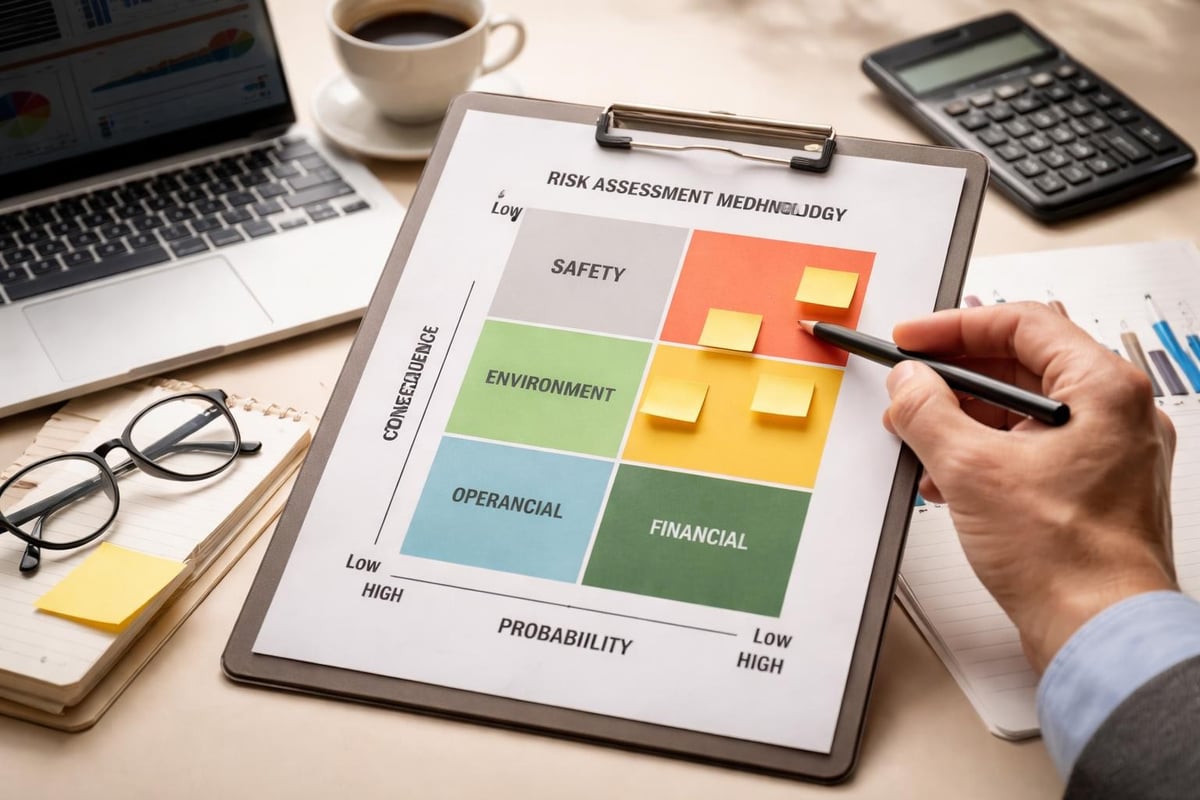
Modern RCM methodologies increasingly incorporate sophisticated risk assessment that goes beyond traditional criticality rankings. Next-generation RCM approaches align with international standards like ISO 55001 for asset management and ISO 31000 for risk management, creating frameworks that enterprise risk officers and operational leaders both understand.
Risk-based RCM considers multiple dimensions:
- Consequence severity across safety, environmental, operational, and financial domains
- Probability assessment incorporating asset condition, operating context, and historical patterns
- Risk tolerance reflecting organizational appetite and regulatory requirements
- Mitigation effectiveness evaluating how well proposed tasks reduce risk
- Resource constraints balancing ideal strategies against budget and workforce realities
This sophisticated approach ensures that rcm solutions generate maintenance programs aligned with enterprise risk management frameworks rather than existing in operational silos.
Industry-Specific RCM Applications
While core RCM principles remain consistent across sectors, successful implementation requires tailoring to industry-specific requirements, regulatory environments, and operational challenges.
Manufacturing and Production Environments
Manufacturing organizations face unique challenges balancing production demands against maintenance requirements. Unplanned downtime directly impacts revenue, making reliability paramount. Yet excessive maintenance consumes resources and creates unnecessary production interruptions.
Effective rcm solutions in manufacturing focus intensely on production-critical equipment while accepting run-to-failure strategies for redundant or non-critical assets. The analysis identifies single points of failure that could halt entire production lines and develops comprehensive mitigation strategies including spare parts inventory, quick-change procedures, and redundancy improvements.
Reliability-centered manufacturing approaches extend traditional RCM by considering process reliability alongside equipment reliability. This holistic view recognizes that perfect equipment performance means nothing if process design, raw material quality, or operator procedures create bottlenecks.
Healthcare Revenue Cycle Management Integration
Organizations operating in healthcare contexts discover unique intersections between traditional RCM for physical assets and revenue cycle management for financial performance. Medical equipment reliability directly impacts billing accuracy, patient throughput, and reimbursement optimization.
When diagnostic equipment fails, healthcare organizations experience multiple consequences. The immediate operational impact includes cancelled procedures and patient dissatisfaction. However, downstream effects include delayed billing, coding inaccuracies from manual workarounds, and potential denials from incomplete documentation.
Comprehensive rcm solutions in healthcare must account for these interconnected systems. Equipment maintenance schedules consider billing cycles, regulatory inspection requirements, and patient scheduling patterns. The analysis extends beyond preventing equipment failure to ensuring that maintenance activities themselves don't disrupt revenue cycle workflows.
Service Industry Asset Management
Professional service organizations often overlook RCM principles because they operate fewer physical assets than manufacturing or healthcare entities. However, the principles apply powerfully to IT infrastructure, facility systems, and transportation fleets that enable service delivery.
For consulting organizations, IT system reliability directly impacts client service quality and internal productivity. Server failures, network outages, or software system crashes create the same operational disruptions that equipment failures cause in manufacturing. Applying rcm solutions to technology assets helps service businesses maintain the reliability their clients expect.
Service industry RCM applications include:
- HVAC systems ensuring comfortable client meeting environments
- Transportation fleets maintaining reliable client site access
- Communication systems preventing disruptions during critical deliveries
- Security infrastructure protecting physical and data assets
- Office equipment supporting administrative efficiency
The analytical rigor that RCM brings to maintenance decision-making proves valuable regardless of industry context. Organizations committed to operational excellence recognize that systematic approaches outperform reactive responses across all asset types.
Overcoming Common Implementation Challenges
Despite proven benefits, many organizations struggle to successfully implement and sustain rcm solutions. Understanding common pitfalls helps teams anticipate obstacles and develop mitigation strategies before problems derail progress.
Resource Allocation and Skill Development
RCM implementation demands significant upfront investment in analysis, training, and process development. Organizations often underestimate these requirements, leading to incomplete implementations that fail to deliver expected benefits. Maintenance teams need skills in failure analysis, statistical methods, and risk assessment that differ substantially from traditional trade expertise.
Successful organizations address skill gaps through:
- Structured training programs building analytical capabilities across maintenance teams
- External partnerships leveraging consultants during initial implementation phases
- Cross-functional teams combining maintenance expertise with engineering and operations knowledge
- Knowledge capture systems documenting decisions and rationale for future reference
- Certification programs validating competency and creating career development pathways
The importance of strategic RCM implementation becomes apparent when organizations compare successful deployments against failed attempts. Success correlates strongly with leadership commitment, adequate resource allocation, and patience through the learning curve.
Data Quality and Accessibility
RCM analysis depends on accurate information about equipment specifications, failure histories, and operational context. Many organizations discover that their existing data systems lack the quality and accessibility required for rigorous analysis. Incomplete work order histories, vague failure descriptions, and disconnected data sources undermine analytical confidence.
Organizations must invest in data infrastructure before expecting RCM success. This includes standardizing equipment taxonomies, implementing disciplined work order documentation practices, and integrating previously siloed information systems. While these improvements require effort, they deliver value far beyond RCM by enabling numerous data-driven management initiatives.
Sustaining Momentum Through Organizational Change
Initial RCM implementation often generates enthusiasm as teams discover maintenance waste and identify quick wins. However, sustaining the program requires embedding new practices into organizational culture. Without ongoing commitment, programs drift back toward reactive maintenance as personnel turnover occurs and competing priorities emerge.
Sustainability strategies include:
- Executive sponsorship maintaining leadership visibility and resource commitment
- Performance dashboards providing continuous feedback on program effectiveness
- Recognition systems celebrating teams that exemplify RCM principles
- Continuous improvement cycles regularly reviewing and updating maintenance strategies
- Integration with broader initiatives connecting RCM to quality, safety, and operational excellence programs
Organizations viewing RCM as a project rather than a fundamental operating philosophy typically see benefits fade within 18-24 months. Those treating it as a permanent transformation to how maintenance decisions get made sustain improvements indefinitely.
Future-Proofing Your Maintenance Strategy
As business environments evolve, rcm solutions must adapt to new technologies, changing competitive dynamics, and emerging operational models. Organizations implementing RCM today should design programs with flexibility to incorporate future innovations.
Digital Twin Integration
Digital twin technology creates virtual replicas of physical assets that enable simulation and scenario analysis before implementing changes in the real world. The integration of digital twins with rcm solutions allows organizations to test maintenance strategies, evaluate design modifications, and predict performance under varying operating conditions.
This capability transforms RCM from reactive analysis of historical failures to proactive optimization of future performance. Engineers can simulate the impact of different maintenance intervals, identify optimal inspection points, and evaluate the cost-benefit tradeoff of design improvements before committing resources.
Autonomous Maintenance Systems
Emerging technologies enable equipment to monitor its own condition, diagnose problems, and in some cases initiate corrective actions without human intervention. Scaling predictive maintenance through automation represents the next frontier in reliability management, where machine learning systems continuously analyze sensor data and adjust maintenance recommendations in real time.
While fully autonomous maintenance remains years away for most organizations, the trajectory is clear. Modern rcm solutions should incorporate architectures that accommodate increasing automation rather than assuming human decision-makers at every step.
Sustainability and Circular Economy Alignment
Environmental considerations increasingly influence maintenance strategies as organizations pursue sustainability goals and circular economy principles. RCM frameworks that optimize purely for cost and reliability must evolve to incorporate environmental impact metrics.
Future maintenance strategies will balance:
- Energy efficiency of different maintenance approaches
- Material consumption associated with preventive replacement versus repair
- Lifecycle extension reducing environmental impact of new equipment manufacturing
- Waste reduction through precision maintenance that eliminates unnecessary parts replacement
- Carbon footprint of maintenance activities including transportation and materials
Organizations building these considerations into rcm solutions today position themselves as sustainability leaders while often discovering that environmental optimization aligns closely with cost optimization.
Implementing comprehensive rcm solutions transforms how organizations approach asset management, operational efficiency, and cost control. The systematic methodologies deliver measurable improvements in reliability, safety, and financial performance across every industry sector. Nero and Associates, Inc. helps organizations implement performance-based solutions that eliminate manual processes, optimize operations, and improve bottom-line results through AI-driven automation, strategic consulting, and integrated technology platforms. Contact our team to discover how reliability-centered approaches can reshape your operational excellence journey.