
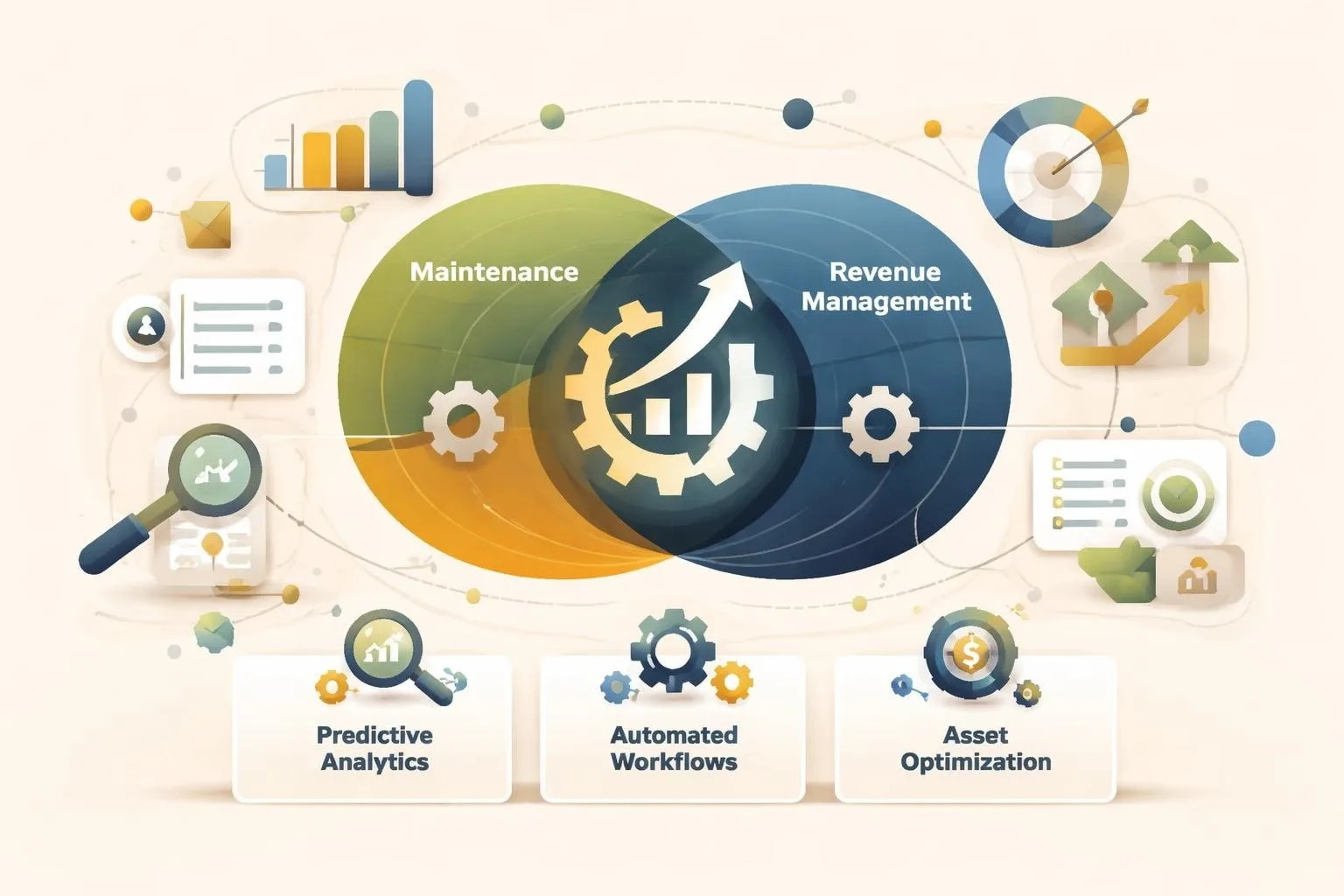
RCM technology has become a cornerstone for organizations seeking to optimize operations, reduce costs, and maximize revenue potential across multiple sectors. Whether referring to Reliability Centered Maintenance in industrial applications or Revenue Cycle Management in healthcare and business services, rcm technology represents a strategic approach to eliminating inefficiencies and driving measurable results. Understanding the various applications and benefits of this technology enables business leaders to make informed decisions about implementation strategies that align with their organizational goals. As companies navigate increasingly competitive markets in 2026, leveraging rcm technology has shifted from optional to essential for maintaining operational excellence.
Understanding the Dual Nature of RCM Technology
The term rcm technology encompasses two distinct but equally transformative applications in modern business environments. Both approaches share a common thread: using systematic, data-driven methodologies to improve performance and financial outcomes.
Reliability Centered Maintenance Applications
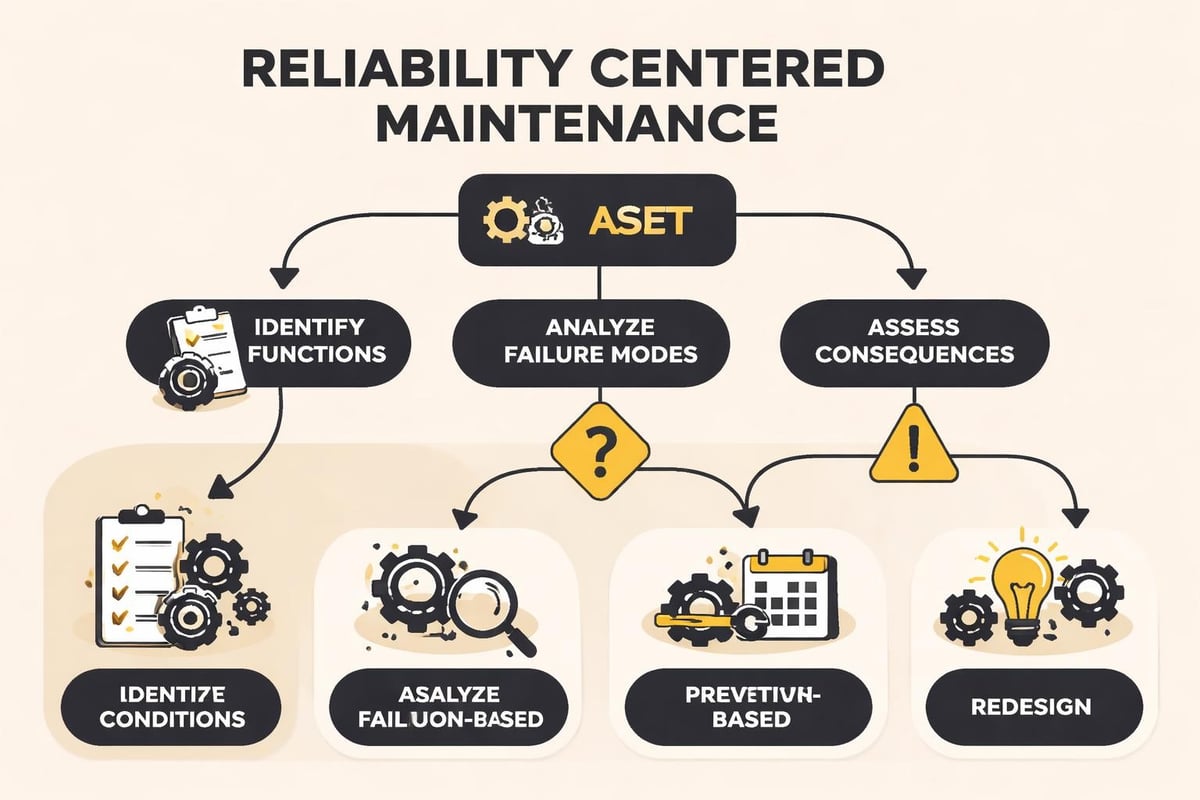
Reliability Centered Maintenance focuses on preserving system functions rather than simply maintaining equipment. This proactive approach analyzes potential failure modes and determines the most effective maintenance strategies for each asset.
Key principles include:
- Identifying critical functions within operational systems
- Analyzing potential failure modes and their consequences
- Selecting appropriate maintenance tasks based on risk assessment
- Implementing condition-based monitoring technologies
- Continuously refining strategies based on performance data
Organizations implementing this framework typically experience significant reductions in unplanned downtime. The methodology prevents catastrophic failures while avoiding unnecessary preventive maintenance that wastes resources.
Revenue Cycle Management Systems
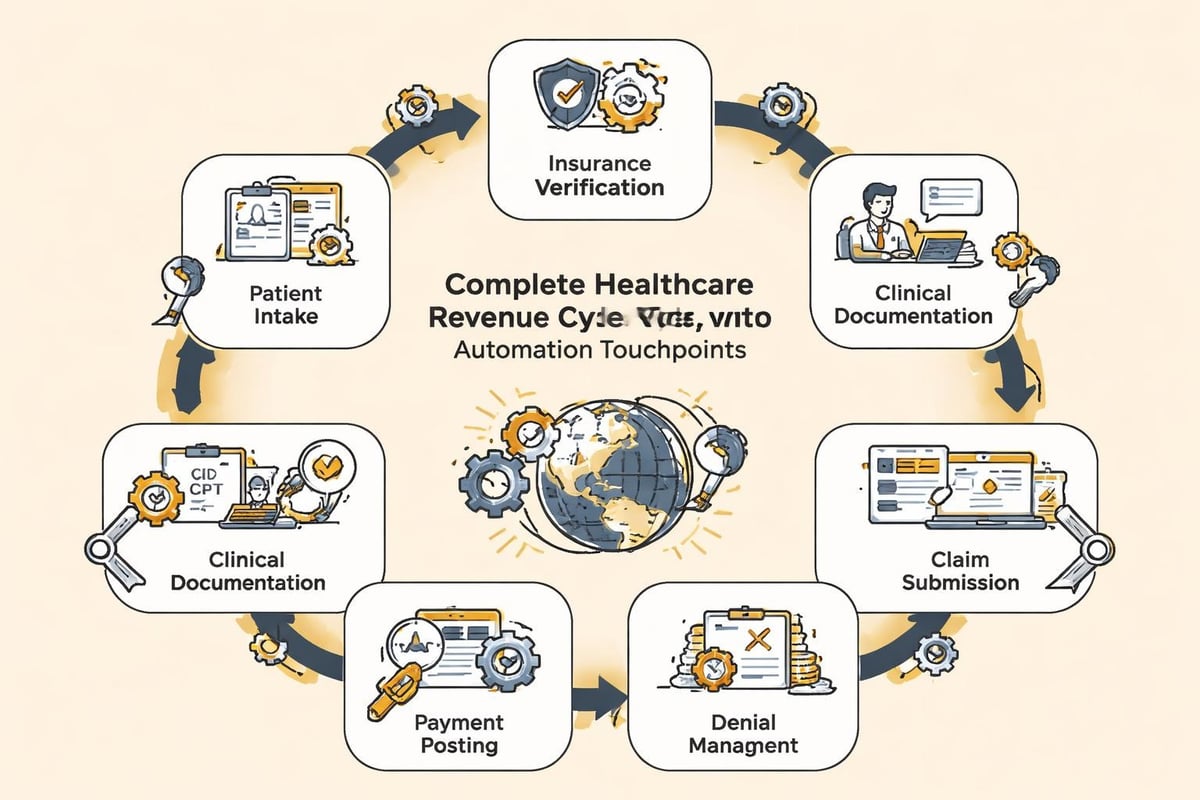
In healthcare and professional services contexts, rcm technology addresses the complete lifecycle of financial transactions. From initial patient registration through final payment collection, these systems automate and optimize every touchpoint in the revenue process.
| RCM Stage | Technology Application | Business Impact |
|---|---|---|
| Patient Registration | Automated eligibility verification | Reduced claim denials |
| Charge Capture | Real-time coding assistance | Improved accuracy |
| Claims Processing | AI-powered submission workflows | Faster reimbursement |
| Payment Posting | Automated reconciliation | Reduced manual errors |
| Denial Management | Predictive analytics for appeals | Higher recovery rates |
Modern revenue cycle management platforms integrate machine learning and robotic process automation to handle repetitive tasks that previously consumed thousands of employee hours annually. This transformation allows staff to focus on complex cases requiring human judgment and relationship management.
Strategic Implementation of RCM Technology
Successfully deploying rcm technology requires careful planning and stakeholder alignment. Organizations that rush implementation without proper preparation often encounter resistance and suboptimal results.
Assessment and Planning Phase
Begin by conducting a comprehensive analysis of current processes and pain points. Document baseline metrics for comparison after implementation. These might include maintenance costs per asset, equipment uptime percentages, claims denial rates, or days in accounts receivable.
Critical assessment questions:
- Which processes consume the most manual labor hours?
- Where do the highest error rates occur?
- What are the financial impacts of current inefficiencies?
- Which stakeholders will be most affected by changes?
- What data infrastructure currently exists?
The planning phase should identify quick wins alongside longer-term transformation goals. Building momentum through early successes creates organizational buy-in for more extensive changes.
Technology Selection and Integration
Choosing the right rcm technology platform depends on specific organizational needs and existing infrastructure. The fundamentals of RCM emphasize aligning maintenance strategies with operational priorities, and the same principle applies to technology selection.
Modern solutions offer varying degrees of customization and integration capabilities. Cloud-based platforms provide scalability and reduced IT overhead, while on-premise solutions may offer greater control for organizations with specific security requirements.
Evaluation criteria include:
- Compatibility with existing systems and data sources
- Scalability to accommodate organizational growth
- User interface design and learning curve
- Vendor support and training resources
- Total cost of ownership over a five-year period
- Proven track record in your specific industry
Integration with human capital management systems enables comprehensive workforce optimization. When maintenance scheduling, employee scheduling, and financial systems communicate seamlessly, organizations achieve new levels of operational efficiency.
Measuring ROI and Performance Metrics
Quantifying the value of rcm technology investments requires establishing clear key performance indicators before implementation. These metrics provide objective evidence of success and guide continuous improvement efforts.
Financial Impact Measurements
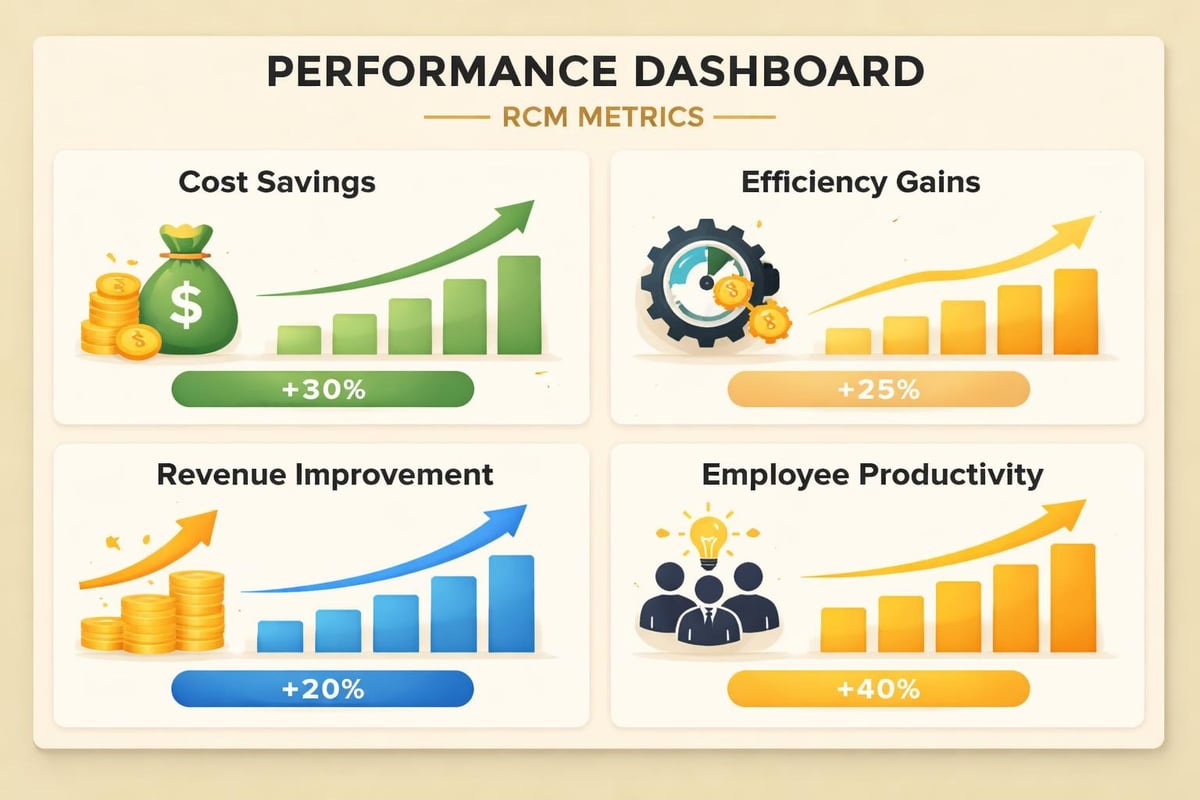
Direct cost savings represent the most straightforward ROI calculation. Track reductions in emergency repair costs, overtime labor, claim reimbursement delays, and administrative overhead. Organizations typically see 15-30% reductions in maintenance costs within the first 18 months of implementing reliability centered maintenance approaches.
Revenue improvements manifest through faster payment cycles, reduced denials, and improved compliance with billing regulations. Healthcare organizations using advanced revenue cycle management technology report average improvements of 8-12% in net collection rates.
| Metric Category | Before RCM Technology | After Implementation | Improvement |
|---|---|---|---|
| Equipment Downtime | 120 hours/month | 35 hours/month | 71% reduction |
| Maintenance Cost per Unit | $850 | $620 | 27% savings |
| Claims Denial Rate | 18% | 7% | 61% improvement |
| Days in AR | 52 days | 38 days | 27% faster collection |
Operational Efficiency Gains
Beyond financial metrics, rcm technology delivers improvements in process efficiency and employee satisfaction. Eliminating manual data entry, reducing rework loops, and providing predictive insights transforms how teams spend their time.
Track metrics such as:
- Employee hours redirected from manual tasks to strategic initiatives
- Error rates in critical processes
- Cycle times for key workflows
- Employee satisfaction scores
- Customer or patient satisfaction ratings
Similar to the efficiency metrics tracked in accounts payable automation, revenue cycle management systems provide granular visibility into process bottlenecks and improvement opportunities.
Advanced Technologies Enhancing RCM Capabilities
The evolution of rcm technology continues accelerating as artificial intelligence, predictive analytics, and automation technologies mature. These advanced capabilities distinguish leading solutions from legacy systems.
Artificial Intelligence and Machine Learning
AI algorithms analyze historical data to predict equipment failures before they occur or identify claim submission patterns likely to result in denials. Machine learning models improve continuously as they process more data, becoming increasingly accurate in their predictions.
Applications include:
- Predictive maintenance scheduling based on actual equipment condition
- Automated coding suggestions for medical billing
- Intelligent routing of complex cases to appropriate specialists
- Natural language processing for unstructured clinical documentation
- Anomaly detection in financial transactions
RCM Technologies’ IT solutions demonstrate how data analytics and infrastructure management combine to deliver comprehensive technology-driven business solutions.
Robotic Process Automation
RPA bots handle high-volume, repetitive tasks with perfect consistency. Unlike traditional automation that requires extensive programming, modern RPA platforms allow business users to configure workflows using intuitive interfaces.
Common RPA applications in rcm technology include:
- Eligibility verification across multiple payer systems
- Claim status inquiries and follow-up
- Payment posting and reconciliation
- Maintenance work order generation
- Inventory management for spare parts
Organizations implementing RPA alongside rcm technology typically eliminate 40-60% of manual processing time in targeted workflows.
Integration with Human Capital Management
The synergy between rcm technology and workforce management creates multiplicative benefits. When organizations optimize both asset performance and employee engagement, they achieve superior results compared to addressing either area in isolation.
Workforce Health and Productivity
Reducing manual, repetitive tasks through automation allows employees to focus on more engaging, strategic work. This shift positively impacts mental health by reducing burnout and increasing job satisfaction. Financial wellness improves as organizations can redirect cost savings toward competitive compensation and benefits.
RCM Technologies’ expansion into Human Capital Management through the UKG Ready Reseller Offering illustrates the growing recognition of this integration's value. Connecting maintenance scheduling, employee scheduling, training management, and performance tracking creates a holistic view of operational capacity.
Benefits of integration:
- Optimized staffing levels based on predictive maintenance schedules
- Reduced employee stress from emergency response situations
- Improved training effectiveness through data-driven insights
- Better resource allocation across departments
- Enhanced employee retention through improved work conditions
Skills Development and Change Management
Implementing rcm technology requires workforce adaptation. Employees need training on new systems and processes, while organizational culture must evolve to embrace data-driven decision making.
Successful change management strategies include:
- Early involvement of frontline staff in system selection
- Comprehensive training programs with ongoing support
- Clear communication about how technology augments rather than replaces human expertise
- Recognition programs celebrating successful adoption
- Regular feedback loops to address concerns and optimize workflows
Organizations that invest in change management experience 65% higher success rates in technology implementations compared to those that focus solely on technical deployment.
Industry-Specific Applications and Case Studies
Different sectors leverage rcm technology in unique ways based on their operational characteristics and regulatory environments. Understanding industry-specific applications helps organizations benchmark against relevant peers.
Manufacturing and Industrial Applications
Reliability centered maintenance methodologies originated in the aviation industry but have been widely adopted across manufacturing sectors. Production facilities use rcm technology to minimize unplanned downtime that disrupts supply chains and damages customer relationships.
Condition monitoring sensors track vibration, temperature, and other parameters indicating equipment health. When readings deviate from normal ranges, the system automatically generates maintenance work orders prioritized by criticality.
Healthcare Revenue Cycle Management
Healthcare organizations face unique challenges with complex billing regulations, multiple payer types, and patient financial responsibility. RCM technology in this context must navigate constantly changing compliance requirements while maximizing reimbursement.
Advanced platforms use AI to identify undercoding opportunities where providers fail to capture the full value of services delivered. This capability alone can increase revenue by 3-5% without any change in clinical operations.
| Challenge | RCM Technology Solution | Outcome |
|---|---|---|
| Complex coding requirements | AI-assisted code suggestions | 45% reduction in coding errors |
| Prior authorization delays | Automated submission and tracking | 60% faster approval times |
| Patient payment collection | Predictive modeling for payment plans | 28% increase in patient collections |
| Payer contract compliance | Automated charge auditing | 99.7% compliance rate |
Professional Services Organizations
Consulting firms, legal practices, and other professional services businesses use rcm technology to optimize billing processes and improve cash flow. Time tracking integration, automated invoicing, and payment reminders reduce administrative burden while accelerating revenue recognition.
Future Trends in RCM Technology
The rcm technology landscape continues evolving rapidly as new capabilities emerge and organizations demand greater sophistication from their systems.
Cloud-Native Architectures
Migration to cloud platforms enables real-time data access, seamless updates, and superior disaster recovery capabilities. Cloud-native rcm technology eliminates the need for on-premise server infrastructure and dedicated IT staff for system maintenance.
Advantages include:
- Automatic updates with latest features and security patches
- Scalability to handle growth without infrastructure investments
- Remote access enabling distributed workforce models
- Integration with other cloud-based business systems
- Predictable subscription-based pricing models
Internet of Things Integration
IoT sensors provide continuous equipment monitoring at unprecedented granularity. These devices generate massive data streams that feed machine learning algorithms, enabling increasingly accurate predictive maintenance.
Connected devices in healthcare settings track asset utilization, environmental conditions, and patient flow patterns. This information optimizes resource allocation and identifies efficiency opportunities invisible in traditional reporting.
Blockchain for Revenue Cycle Security
Emerging applications of blockchain technology in revenue cycle management promise enhanced security, transparency, and fraud prevention. Distributed ledger systems create immutable audit trails for financial transactions while enabling real-time claims adjudication.
Building a Business Case for RCM Technology Investment
Securing executive approval and budget allocation for rcm technology requires compelling financial justification. A well-constructed business case addresses both quantitative ROI and strategic alignment with organizational objectives.
Quantitative Analysis
Calculate total cost of ownership including:
- Software licensing or subscription fees
- Implementation and integration costs
- Training and change management expenses
- Ongoing support and maintenance
- Internal resource allocation
Compare these costs against projected benefits such as reduced labor hours, decreased equipment downtime, improved collection rates, and enhanced compliance. Most organizations target a three-year payback period for major technology investments.
Qualitative Considerations
Financial metrics alone rarely capture the full value proposition. Consider competitive positioning, risk mitigation, employee satisfaction, and customer experience improvements. Organizations that delay technology adoption often find themselves at increasing disadvantages as competitors leverage superior capabilities.
The strategic value of rcm technology extends beyond immediate cost savings. Building a foundation of integrated systems, clean data, and automated workflows positions organizations for future innovation and growth opportunities.
RCM technology delivers transformative benefits across reliability centered maintenance and revenue cycle management applications, enabling organizations to reduce costs, improve efficiency, and enhance financial performance through strategic automation and data-driven decision making. Whether you are seeking to optimize equipment maintenance, streamline revenue processes, or integrate workforce management with operational systems, the right approach can eliminate thousands of manual hours while improving outcomes. Nero and Associates, Inc. helps organizations implement performance-based solutions that raise bottom-line results through AI automation, human capital management, and revenue cycle management technologies designed to save costs, save time, and improve employee wellness.