

In 2026, the ability to forge strong, strategic alliances with vendor partners is a defining factor for business success. Rapid changes in supply chains, technology, and customer demands mean organizations must adapt or risk falling behind.
This guide will show you how to select, nurture, and maximize value from vendor partners. You will discover the latest trends, a practical step-by-step approach, and critical factors for success.
Learn how technology, risk management, and long-term strategies can transform your vendor relationships. Take action now to make vendor partnerships your competitive edge this year.
The Evolving Landscape of Vendor Partnerships in 2026
Navigating the landscape of vendor partners in 2026 requires a keen understanding of shifting business priorities and technological advancements. As organizations adapt to rapid change, the nature of vendor partnerships is being redefined, with new trends, challenges, and opportunities emerging across industries.
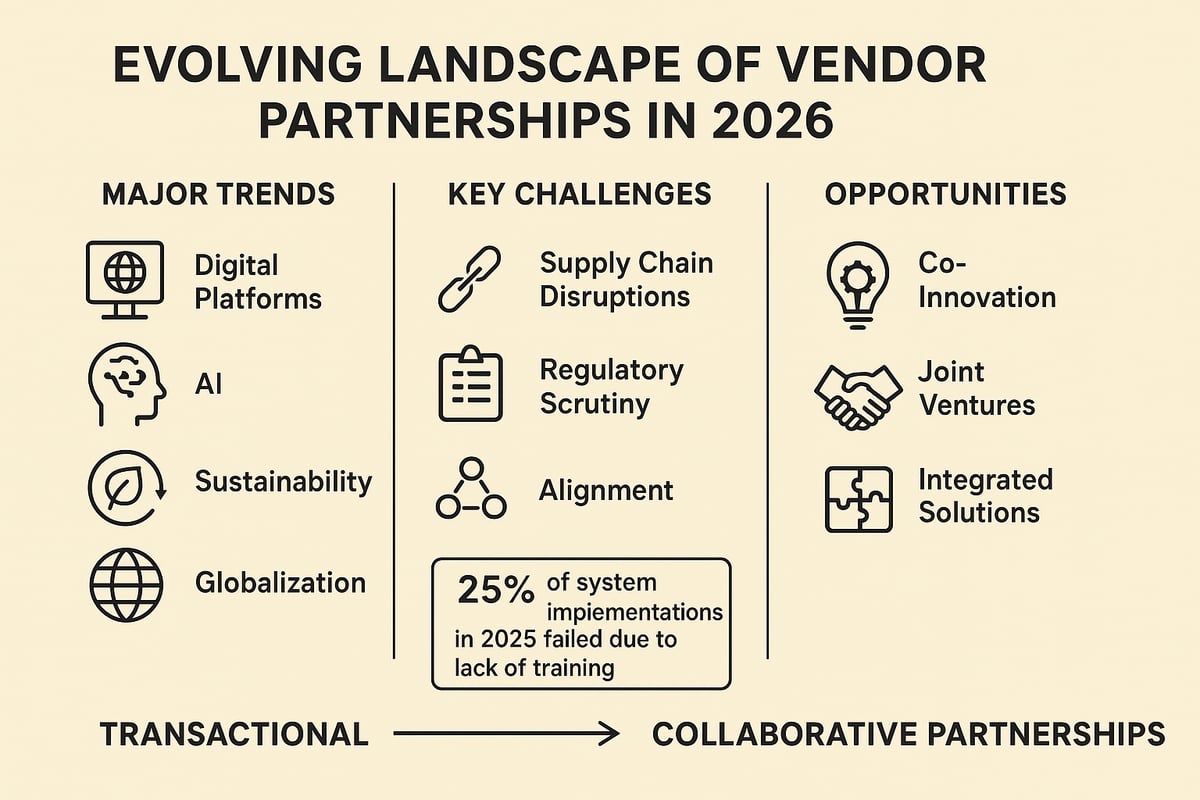
Major Trends Shaping Vendor Alliances
Vendor partners are increasingly at the heart of digital transformation strategies. Organizations are adopting digital platforms and AI-driven tools to manage vendor relationships with greater precision and scalability. The expansion of global markets has led to multi-regional supplier networks, demanding more sophisticated coordination between vendor partners and internal teams.
Sustainability and ethical sourcing have become non-negotiable, with compliance requirements growing in complexity. Companies are now seeking vendor partners who share their commitment to responsible practices. Notably, over 25% of system implementations in 2025 failed due to lack of training and knowledge transfer, highlighting the importance of investing in skills and shared understanding.
The traditional transactional approach is giving way to relationship-based partnerships. This shift enables both agility and resilience, as vendor partners are now expected to co-develop solutions and contribute to innovation. For a deeper exploration of these trends, see Trends in Vendor Partnerships for 2026.
Challenges Facing Modern Vendor Relationships
Despite new opportunities, organizations face significant hurdles in managing vendor partners effectively. Supply chain disruptions, often triggered by geopolitical risks, have exposed vulnerabilities in even the most established partnerships. Regulatory scrutiny has intensified, increasing the burden of compliance and documentation for all vendor partners involved.
Maintaining alignment across diverse, multi-layered teams is another persistent challenge. Many organizations encounter setbacks due to unclear responsibilities between internal stakeholders and vendor partners. For example, a lack of role clarity during large-scale technology rollouts often results in missed deadlines and budget overruns.
To address these challenges, organizations must establish robust communication channels and clearly defined roles. Regular risk assessments and contingency planning are now essential for vendor partners striving to maintain operational continuity and trust.
Opportunities for Competitive Advantage
The evolving vendor partner landscape also presents powerful avenues for differentiation. By leveraging the specialized expertise of vendor partners, organizations can accelerate system implementations and reduce time-to-value. Joint ventures and co-innovation initiatives are unlocking new business models and revenue streams.
Integrated solutions, developed collaboratively with vendor partners, enhance the end customer’s experience and foster loyalty. Strategic alliances are increasingly recognized as a pathway to market leadership, allowing organizations to tap into the agility and innovation of their vendor partners.
In this dynamic environment, those who prioritize collaborative relationships and ongoing knowledge sharing with vendor partners are best positioned to thrive.
Step-by-Step Guide to Building Strong Vendor Alliances
Building resilient and mutually beneficial relationships with vendor partners requires a structured approach. The following guide outlines each step, providing practical tips and real-world examples to help your organization maximize the value of every alliance.
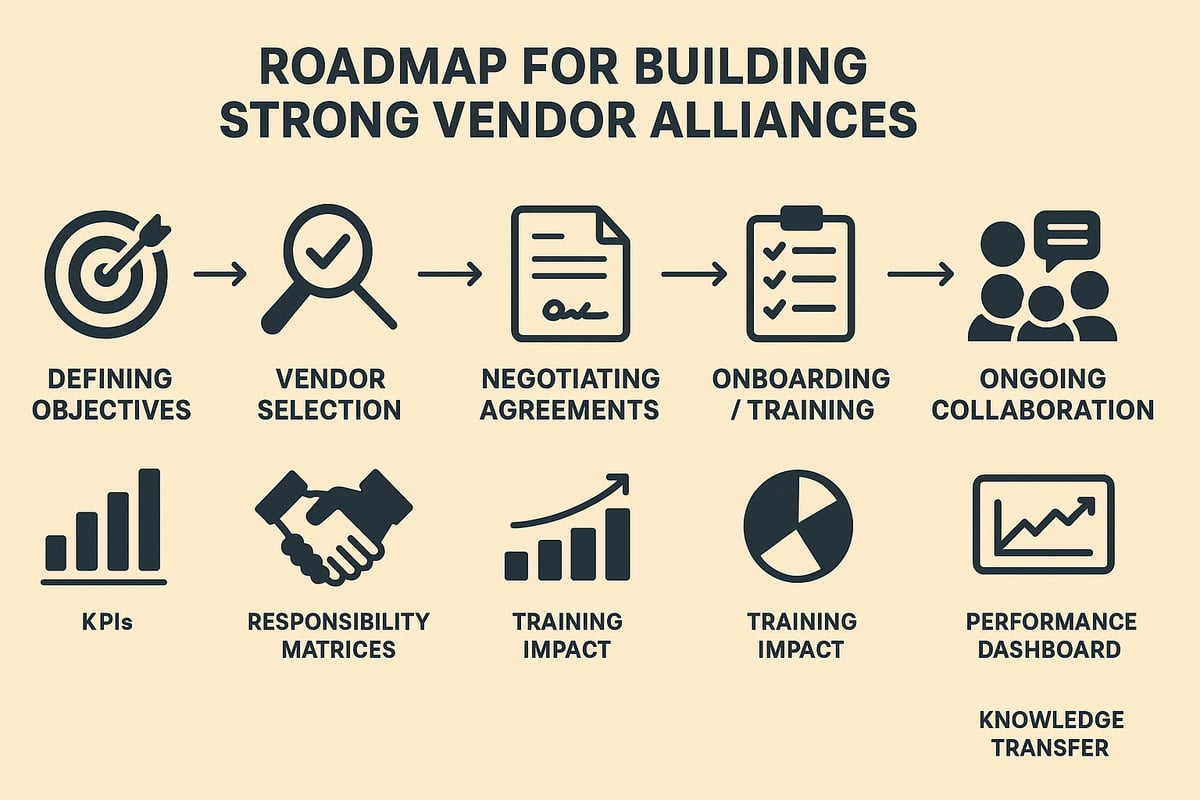
Step 1: Defining Strategic Objectives and Partnership Criteria
Begin by clarifying your organization's strategic goals for working with vendor partners. Align these objectives with your broader business strategy and key performance indicators.
Set clear expectations for outcomes, roles, and responsibilities. This transparency ensures every party understands what success looks like.
A practical tool here is the responsibility matrix. For example:
| Role | Internal Team | Vendor Partners |
|---|---|---|
| Project Lead | X | |
| Training | X | X |
| Support | X |
Documenting expectations in a memorandum of understanding (MOU) further strengthens alignment. By taking these foundational steps, your vendor partners are positioned for a strong start.
Step 2: Selecting the Right Vendor Partners
Choosing vendor partners is far more than comparing price quotes. Due diligence is essential. Evaluate each vendor's track record, cultural fit, capacity for innovation, and ability to scale with your needs.
Involve cross-functional teams in the selection process to ensure every perspective is represented. Buyers frequently rely on vendor partners for configurations, integrations, and training, so their technical expertise matters.
Reviewing proven alliances and established relationships can provide valuable insights. For instance, you can explore successful partnerships in the Our strategic partners overview to benchmark your evaluation criteria.
A checklist for selection might include:
- Reputation and reliability
- Cultural and operational alignment
- Innovation and technology capabilities
Making informed choices at this stage lays the groundwork for lasting vendor partners relationships.
Step 3: Negotiating Agreements and Setting Mutual Expectations
Effective negotiations with vendor partners require more than contract terms. Outline deliverables, timelines, and communication protocols to avoid ambiguity.
Build flexibility into agreements to handle unforeseen changes. For example, set realistic implementation schedules with input from both sides. This avoids disappointment from overpromising and underdelivering.
A simple code block for a contract clause might look like:
Service Level: 99.9% uptime
Reporting: Weekly progress updates
Escalation: 24-hour response for critical issues
By formalizing expectations, your vendor partners are equipped to deliver consistent results.
Step 4: Onboarding and Knowledge Transfer
Onboarding is a critical phase where many vendor partners relationships falter. Develop a structured onboarding process for both internal and external teams.
Ensure comprehensive training, accessible documentation, and clear escalation paths. Data consistently shows that 25% of implementations fail due to insufficient training and knowledge transfer.
Consider this onboarding checklist:
- Provide user and admin guides
- Schedule initial and follow-up training sessions
- Assign onboarding leads for both sides
By investing in knowledge transfer, your vendor partners become true extensions of your team, driving long-term success.
Step 5: Ongoing Collaboration and Communication
Sustaining high-performance relationships with vendor partners requires consistent collaboration. Schedule regular check-ins, conduct performance reviews, and establish open feedback loops.
Leverage technology for transparent project tracking and real-time updates. Setting up joint steering committees can help govern complex initiatives and maintain alignment.
A sample meeting agenda might include:
- Review of key metrics
- Discussion of open issues
- Planning for upcoming milestones
Ongoing communication ensures vendor partners stay engaged, responsive, and strategically aligned with your evolving needs.
Critical Success Factors for High-Impact Vendor Partnerships
Achieving high-impact results with vendor partners requires a disciplined approach to how organizations define roles, set expectations, and foster collaboration. The following critical success factors serve as a blueprint for building trust, minimizing risk, and unlocking the full value of vendor partners.
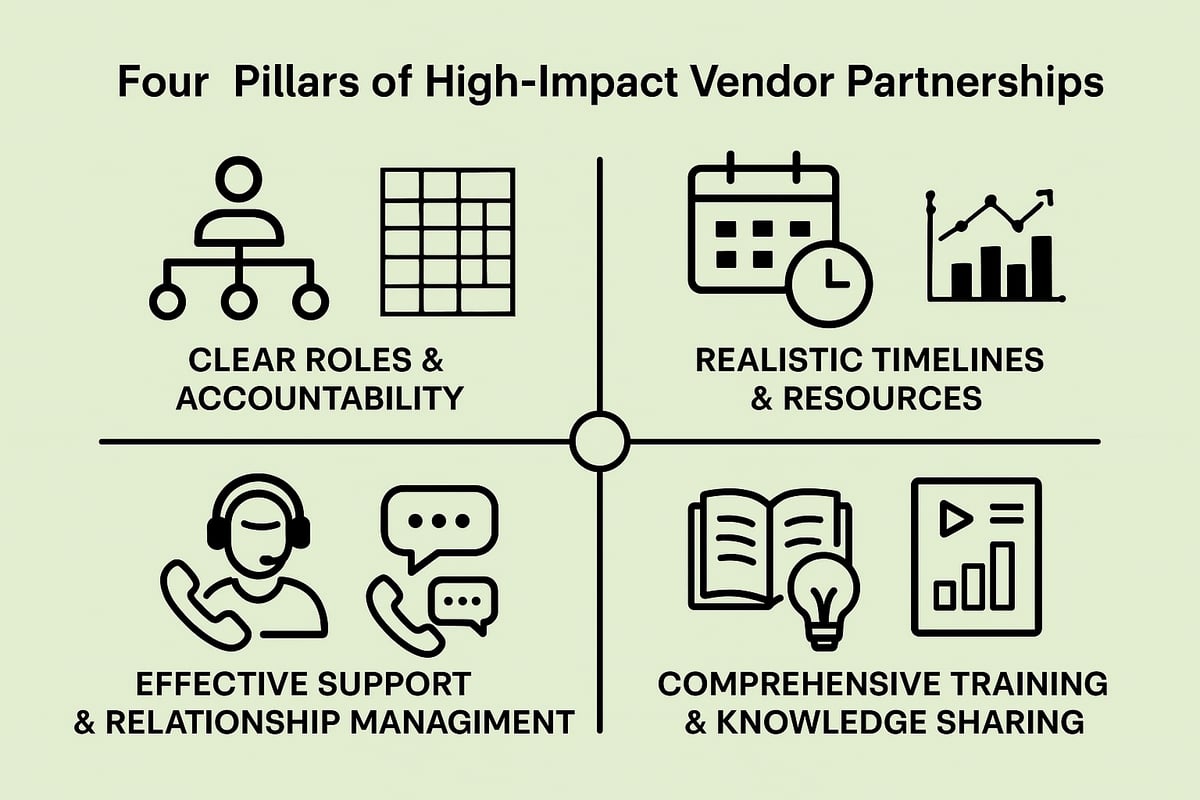
Clear Roles, Responsibilities, and Accountability
For vendor partners to succeed, clarity is essential. Define exactly who is responsible for each aspect of the project, both within your organization and across vendor teams. Use responsibility matrices or detailed breakdowns to ensure no tasks are overlooked or duplicated.
A common pitfall is assuming everyone knows their role. Instead, formalize responsibilities in documents such as a memorandum of understanding. For example, in HR technology rollouts, internal HR teams may drive adoption, while vendor partners handle technical integration. This division reduces confusion and accelerates implementation.
Consider referencing Vendor Management Best Practices for 2026 for proven frameworks to assign and track accountability. When vendor partners have well-defined roles, collaboration becomes seamless and outcomes improve.
Realistic Timelines and Resource Planning
Setting achievable timelines is vital for vendor partners. Avoid arbitrary deadlines and build in buffers for unexpected challenges. Assess the resources needed, including staff time and technology, before finalizing any schedule.
Effective resource planning ensures that both internal teams and vendor partners are aligned on priorities. For instance, allocating extra time for training or data migration can prevent costly delays. Regularly review progress and adjust plans as needed to maintain momentum.
This proactive approach helps vendor partners deliver on commitments and supports long-term success.
Effective Support and Relationship Management
Vendor partners thrive when support structures are strong. Assign dedicated account managers and establish clear escalation paths for issue resolution. Prompt, reliable support not only addresses problems quickly but also builds confidence.
A lack of support often leads to frustration, decreased loyalty, and missed upsell opportunities. Regular check-ins, performance reviews, and open communication channels keep vendor partners engaged and aligned with your goals.
Strong relationship management transforms vendor partners into trusted advisors, driving innovation and continuous improvement.
Comprehensive Training and Knowledge Sharing
Robust training programs are fundamental for vendor partners. Provide accessible resources for users and administrators, such as guides, FAQs, and hands-on sessions. Building internal expertise ensures your team can manage systems independently over time.
Before implementation, develop a detailed list of training needs. This helps vendor partners tailor their approach and deliver relevant content. Accessible knowledge sharing also reduces reliance on external support and empowers your workforce.
Ultimately, investing in comprehensive training enables vendor partners to contribute more effectively to your business objectives.
The Role of Technology in Vendor Relationship Management
Technology is radically transforming how vendor partners interact, collaborate, and drive results. As organizations face mounting complexity, digital tools are no longer optional—they are essential for effective vendor relationship management. Vendor partners who leverage the right technologies gain transparency, agility, and a competitive edge.
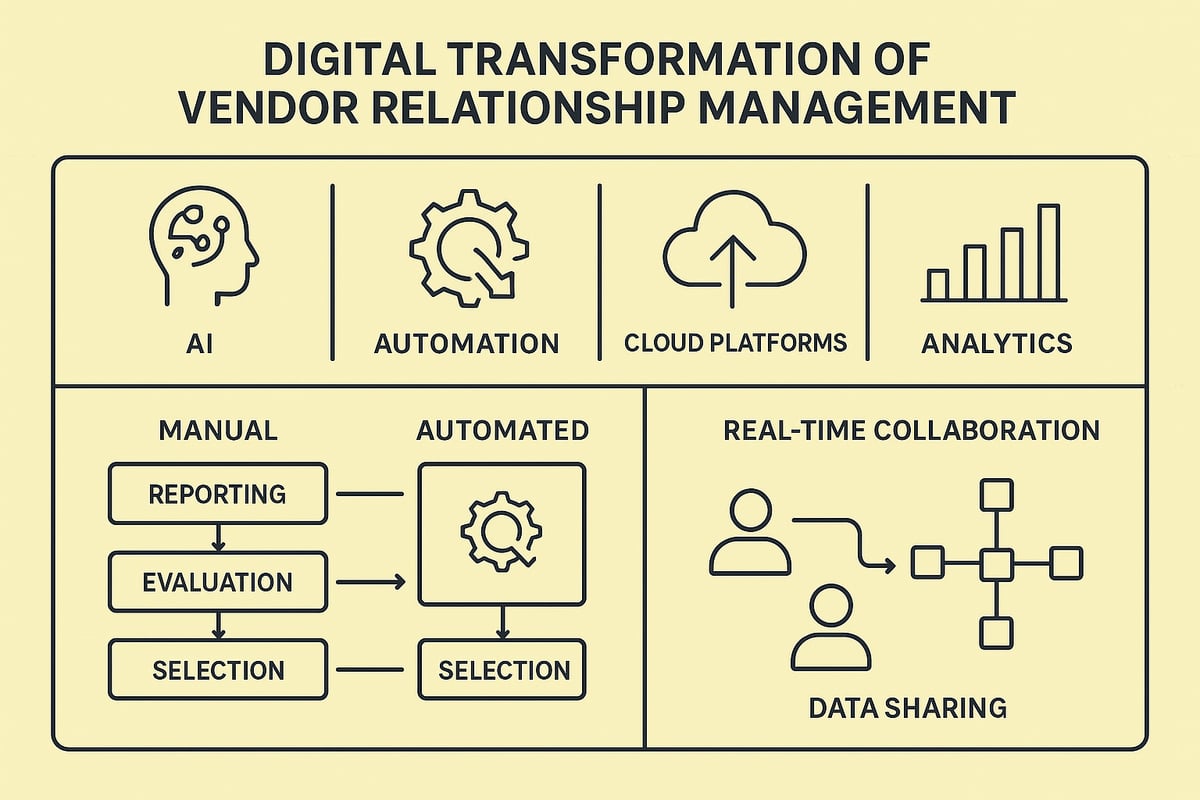
Digital Platforms and Automation
Vendor partners are increasingly adopting digital platforms to streamline every stage of the partnership lifecycle. From onboarding to contract management, automation reduces manual errors and accelerates routine tasks. AI-powered tools provide real-time insights, flagging compliance issues or performance gaps before they escalate.
Automated workflows are especially valuable for managing complex supply chains. These systems can trigger alerts, assign tasks, and auto-generate compliance reports. For example, platforms like AWG Partner Gateway enable seamless document exchange and centralized visibility. As a result, vendor partners reduce administrative burden and focus more on strategic initiatives.
To stay ahead, many organizations are integrating more advanced solutions, including AI and automation integration solutions, that further enhance collaboration and efficiency. By embracing these technologies, vendor partners unlock faster response times and greater scalability.
Enhancing Visibility and Data-Driven Decision Making
Visibility is the cornerstone of successful vendor partners relationships. Digital dashboards now track key performance indicators (KPIs), contract milestones, and compliance in real time. This level of transparency empowers both parties to make informed decisions quickly.
Data-driven analytics help vendor partners identify trends, forecast risks, and optimize resource allocation. For instance, real-time monitoring can highlight bottlenecks or deviations from service-level agreements. With this information, vendor partners can proactively resolve issues, strengthening trust and reliability.
Organizations that prioritize data transparency build stronger foundations with vendor partners. When both sides see the same data, it fosters accountability and aligns objectives. Over time, this leads to improved outcomes and higher satisfaction for all stakeholders.
Supporting Collaboration and Innovation
Modern technology tools are breaking down barriers between vendor partners, enabling true collaboration regardless of geography. Cloud-based solutions allow teams to work together on shared projects, co-develop new products, and exchange feedback instantly.
Joint project management platforms let vendor partners assign tasks, set deadlines, and monitor progress in one place. This keeps everyone aligned and reduces miscommunication. Video conferencing, instant messaging, and document sharing further streamline day-to-day interactions for vendor partners.
As the landscape evolves, vendor partners who invest in the latest collaboration technologies are better positioned for innovation. These tools not only support current operations but also lay the groundwork for future growth and co-development opportunities.
Risk Management and Governance in Vendor Alliances
Navigating risk is essential for vendor partners who want resilient, high-performing alliances. As organizations increase their reliance on external expertise, risk management and governance become central pillars for sustaining trust and delivering results. Proactive strategies ensure that vendor partners are prepared for both anticipated and unforeseen challenges in today’s dynamic marketplace.
Identifying and Mitigating Risks
Vendor partners face a spectrum of risks that can impact both day-to-day operations and long-term outcomes. These include operational risks like supply chain disruptions, financial risks tied to payment or credit issues, compliance risks from evolving regulations, and reputational risks stemming from ethical missteps.
Proactive risk assessment is crucial. Begin by mapping out all potential vulnerabilities with your vendor partners and prioritize them by likelihood and impact. Scenario planning helps anticipate disruptions, allowing teams to develop contingency plans before issues arise.
For example, many organizations have experienced project delays due to unexpected supply chain interruptions. Integrating technology, such as blockchain frameworks for secure third-party risk management, can strengthen your approach. Explore solutions like the Blockchain Framework for Vendor Risk Management to enhance transparency and control. Staying vigilant and collaborative positions vendor partners to respond quickly and effectively to emerging threats.
Contractual Safeguards and Performance Clauses
A robust contract is the backbone of well-governed vendor alliances. Clearly define service level agreements (SLAs), performance benchmarks, penalties for non-compliance, and incentives for exceeding expectations. These elements protect both parties and foster accountability.
Regular contract reviews are essential as market conditions and project scopes evolve. Establishing governance structures, such as steering committees, keeps vendor partners aligned and ensures ongoing compliance with agreed standards.
Consider the following key contract components:
| Clause Type | Purpose | Example |
|---|---|---|
| SLA | Define performance standards | Response times |
| Penalties | Deter underperformance | Financial deductions |
| Incentives | Reward exceptional results | Bonus payments |
By focusing on clarity and adaptability, vendor partners can minimize disputes and strengthen mutual trust.
Ensuring Regulatory Compliance and Ethical Standards
Globalization and increased scrutiny demand that vendor partners remain vigilant about regulatory and ethical obligations. This includes monitoring for shifts in industry regulations, ensuring ethical sourcing, and upholding company values throughout the partnership.
Technology is a valuable ally for ongoing compliance checks. Real-time dashboards and automated alerts help track adherence to standards, reducing manual oversight and human error. For more best practices and trends in vendor governance, explore Articles and vendor insights.
A recent example is the rise in regulatory scrutiny across global vendor networks, making it essential for vendor partners to conduct periodic audits and training. By prioritizing transparency and ethical conduct, organizations can build alliances that are both sustainable and resilient.
Strategies for Sustaining and Growing Vendor Alliances
In 2026, organizations recognize that sustaining and expanding relationships with vendor partners is critical for lasting business success. Short-term gains are no longer enough; enduring value comes from continuous collaboration, shared innovation, and mutual growth. Companies that prioritize these strategies can turn vendor alliances into engines for long-term transformation.
Fostering Long-Term, Win-Win Relationships
The most successful vendor partners do not settle for transactional exchanges. Instead, they invest in building strategic relationships based on trust, transparency, and shared objectives. Openly sharing roadmaps and product updates builds confidence and keeps both sides aligned.
Regular feedback sessions help address concerns early, while proactive communication ensures both parties stay informed. Customers increasingly value vendors who are transparent and responsive, leading to higher satisfaction and loyalty. Consider implementing:
- Joint planning sessions to align future goals
- Scheduled updates on progress and challenges
- Clear documentation of shared responsibilities
By cultivating a culture of openness, organizations foster vendor partners who are motivated to go the extra mile.
Measuring and Optimizing Partnership Performance
Sustaining high-impact alliances requires a disciplined approach to tracking and improving outcomes. Organizations should work with vendor partners to define clear metrics, such as:
- Customer satisfaction scores
- Return on investment (ROI)
- Innovation milestones and adoption rates
- Number of risk incidents or escalations
Continuous improvement comes from joint problem-solving and honest assessments. Beta testing new features and gathering user feedback accelerates adoption and reveals areas for refinement. Use real-time dashboards to monitor progress, and schedule quarterly reviews to recalibrate objectives. This approach not only builds trust but also drives consistent value creation.
Scaling and Innovating Together
Vendor partners can be powerful catalysts for growth and innovation. Expanding successful alliances into new markets or business areas multiplies impact. Co-innovation initiatives, such as joint ventures or pilot projects, enable both sides to experiment and bring fresh solutions to market faster.
Sharing insights and lessons learned helps identify new opportunities for collaboration. As highlighted in Maximizing B2B growth strategies, leveraging vendor partners for strategic growth unlocks hidden potential and strengthens competitive positioning.
Ultimately, organizations that prioritize these strategies will transform their vendor alliances from mere contracts into dynamic, mutually beneficial partnerships that fuel ongoing success.