
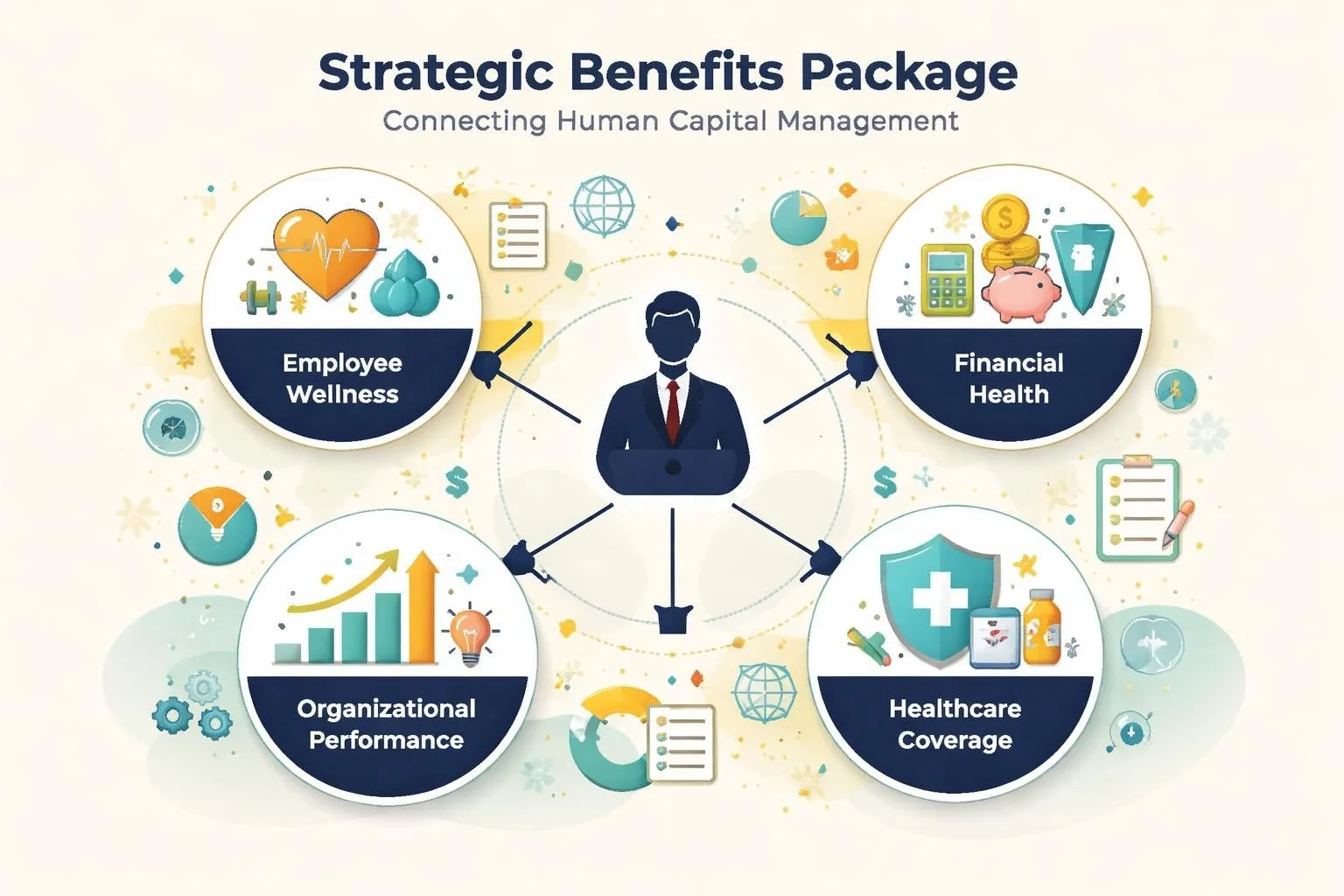
Organizations today face unprecedented challenges in attracting and retaining top talent while managing operational costs and maintaining productivity. The foundation of successful employee engagement lies in comprehensive benefits packages that address not only traditional healthcare needs but also mental wellness, financial security, and professional development. As the workforce evolves and employee expectations shift, businesses must rethink their approach to compensation beyond base salary to create meaningful value propositions that resonate with diverse employee populations.
The Strategic Foundation of Modern Benefits Packages
Benefits packages serve as critical differentiators in competitive talent markets. Recent data reveals that 73% of employees consider benefits offerings equally important to salary when evaluating job opportunities. This shift represents a fundamental change in how organizations must approach total compensation strategy.
Core Components That Drive Employee Satisfaction
Traditional benefits packages centered primarily on health insurance and retirement plans. Today's workforce demands a more comprehensive approach that addresses multiple dimensions of well-being.
Essential benefit categories include:
- Medical, dental, and vision insurance coverage
- Retirement savings programs with employer matching
- Paid time off and flexible scheduling options
- Life and disability insurance protection
- Mental health and wellness program access
- Professional development and educational assistance
Organizations that invest in business automation can redirect saved resources toward enhancing their benefits offerings, creating a positive cycle of efficiency and employee satisfaction.
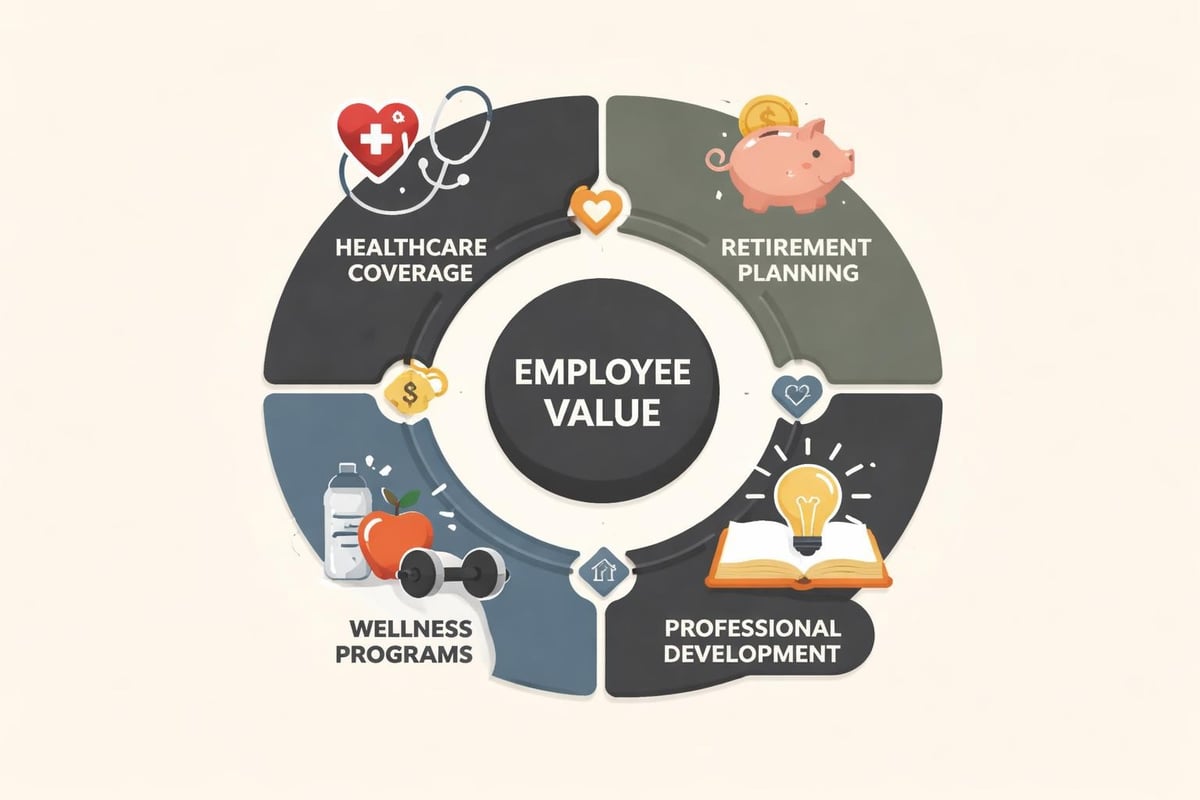
The financial impact of comprehensive benefits extends beyond recruitment. Companies with robust benefits packages experience 25% lower turnover rates and 40% higher employee engagement scores compared to organizations offering minimal benefits. These metrics directly translate to reduced hiring costs, improved institutional knowledge retention, and enhanced operational continuity.
Healthcare Benefits: The Cornerstone of Employee Security
Healthcare coverage remains the most valued component of employee benefits packages. According to SHRM’s 2025 annual benefits survey, 92% of organizations offer medical insurance as part of their benefits portfolio.
Navigating Rising Healthcare Costs
Healthcare expenses continue escalating, placing pressure on both employers and employees. The average annual premium for employer-sponsored family coverage reached $24,500 in 2025, with employers typically covering 75% of these costs.
Strategic approaches to managing healthcare benefits include:
- High-Deductible Health Plans (HDHPs) paired with Health Savings Accounts (HSAs)
- Tiered network designs encouraging use of cost-effective providers
- Preventive care incentives reducing long-term treatment expenses
- Telemedicine integration providing convenient, lower-cost care access
- Wellness program participation credits lowering premium contributions
Organizations can learn effective strategies for selecting appropriate health plans that balance cost containment with comprehensive coverage. The key lies in understanding employee demographics and health needs while maintaining sustainable cost structures.
| Healthcare Strategy | Employer Savings | Employee Benefit | Implementation Complexity |
|---|---|---|---|
| HDHP with HSA | 15-20% premium reduction | Tax-advantaged savings | Medium |
| Tiered Networks | 10-15% cost reduction | Lower out-of-pocket costs | High |
| Telemedicine | 8-12% utilization savings | 24/7 care access | Low |
| Wellness Programs | 5-10% long-term savings | Health improvement | Medium |
Mental Health and Holistic Wellness
Mental health benefits have transitioned from optional add-ons to essential components of benefits packages. 76% of employees report that mental health support influences their decision to remain with their current employer.
Comprehensive mental wellness offerings include counseling services, stress management resources, mindfulness program access, and substance abuse support. These programs demonstrate organizational commitment to whole-person health while addressing productivity challenges associated with untreated mental health conditions.
Financial Wellness: Empowering Employee Security
Financial stress significantly impacts employee productivity, with 60% of workers reporting that financial concerns affect their work performance. Progressive benefits packages now incorporate financial wellness components addressing immediate needs and long-term security.
Retirement Planning and Investment Education
Traditional 401(k) plans remain foundational, but leading organizations enhance these offerings through automatic enrollment, progressive employer matching formulas, and comprehensive financial education programs. Employees increasingly value guidance navigating complex financial decisions.
Advanced retirement benefit features:
- Automatic escalation increasing contribution percentages annually
- Roth 401(k) options providing tax diversification
- Financial advisor access for personalized planning
- Retirement income projection tools
- Student loan repayment assistance programs
Organizations focusing on achieving operational efficiency can leverage technology to streamline benefits administration while allocating resources toward enhanced financial wellness programs.
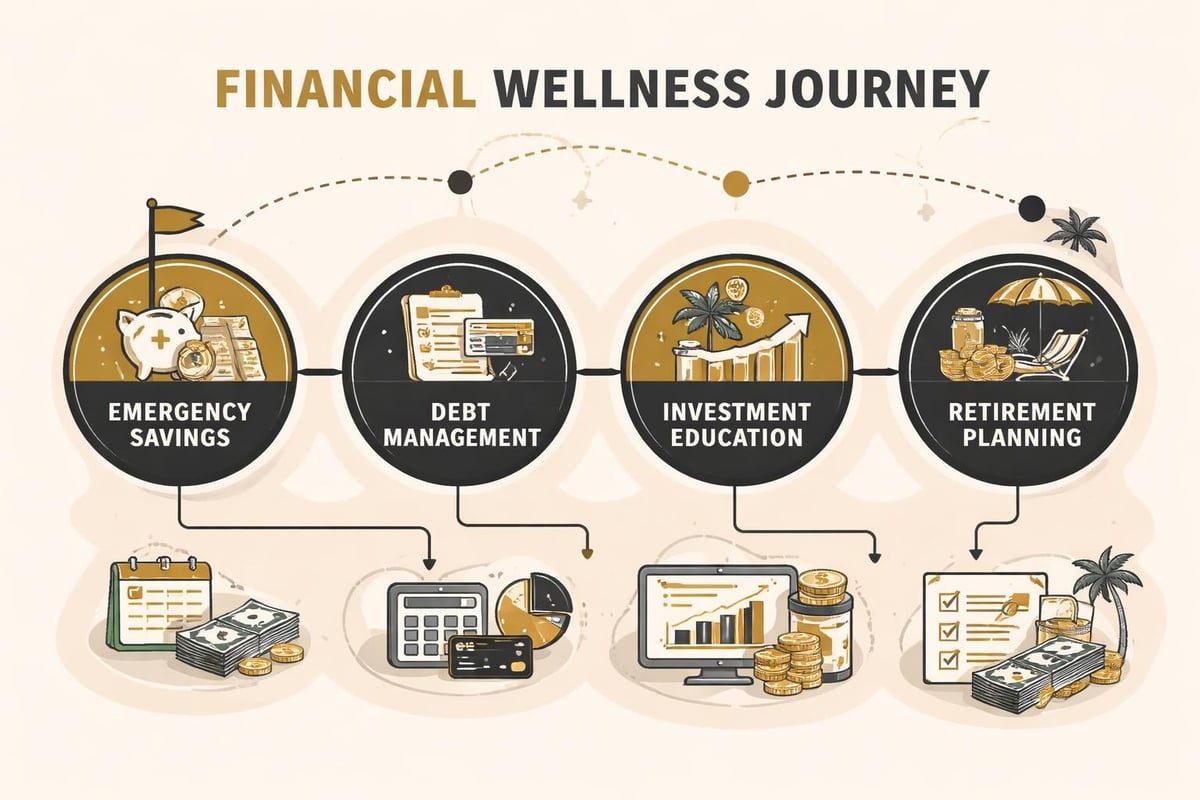
Emergency Savings and Short-Term Financial Support
Beyond retirement planning, employees need support addressing immediate financial challenges. Innovative benefits packages now include emergency savings programs, earned wage access allowing employees to receive earned compensation before scheduled payday, and financial coaching services.
These programs reduce financial anxiety while decreasing reliance on high-interest debt products. Organizations implementing emergency savings programs report 42% reduction in employee financial stress and corresponding improvements in workplace focus.
Work-Life Integration and Flexibility Benefits
The traditional separation between work and personal life has blurred significantly, particularly following widespread remote work adoption. Benefits packages must acknowledge this reality through flexibility-focused offerings.
Paid Time Off and Leave Policies
Generous paid time off policies signal organizational respect for employee well-being. Progressive approaches move beyond traditional vacation accrual toward unlimited PTO policies, mandatory minimum vacation requirements, and comprehensive parental leave programs.
Comparative PTO approaches:
| PTO Model | Average Annual Days | Employee Satisfaction | Administrative Burden |
|---|---|---|---|
| Traditional Accrual | 15-20 days | Moderate | High |
| Unlimited PTO | Variable (avg 18 days) | High | Low |
| Mandatory Minimum | 20+ days | Very High | Low |
| Flexible/Hybrid | 25+ days equivalent | High | Medium |
Organizations also recognize diverse leave needs through bereavement leave, volunteer time off, and sabbatical programs for long-tenured employees. These policies acknowledge that employee productivity depends on adequate rest and personal time.
Remote Work and Flexible Scheduling
Flexible work arrangements have transitioned from pandemic necessity to permanent benefit expectation. 68% of employees now consider workplace flexibility essential when evaluating employment opportunities.
Comprehensive flexibility benefits include remote work options with home office stipends, flexible daily scheduling accommodating personal obligations, compressed workweek alternatives, and job-sharing arrangements. Organizations concerned about coordination can leverage vendor partners providing technology solutions enabling seamless collaboration across distributed teams.
Professional Development and Career Growth Benefits
Employees increasingly prioritize opportunities for skill development and career advancement. Benefits packages incorporating professional growth opportunities demonstrate long-term investment in employee success.
Education Assistance and Skill Development
Tuition reimbursement programs, professional certification support, conference attendance funding, and online learning platform subscriptions represent valuable benefits with dual impact. Employees gain marketable skills while organizations build stronger talent pipelines.
Leading organizations allocate $1,500 to $5,000 annually per employee for professional development. This investment yields returns through improved performance, enhanced innovation capacity, and reduced external hiring needs for specialized roles.
Professional development benefit tiers:
- Entry-level programs covering industry certifications and foundational skills
- Mid-career support including advanced degrees and leadership development
- Executive education featuring specialized programs and executive coaching
- Cross-functional training enabling internal mobility and skill diversification
Organizations can explore emerging benefits trends to ensure their professional development offerings remain competitive and relevant.
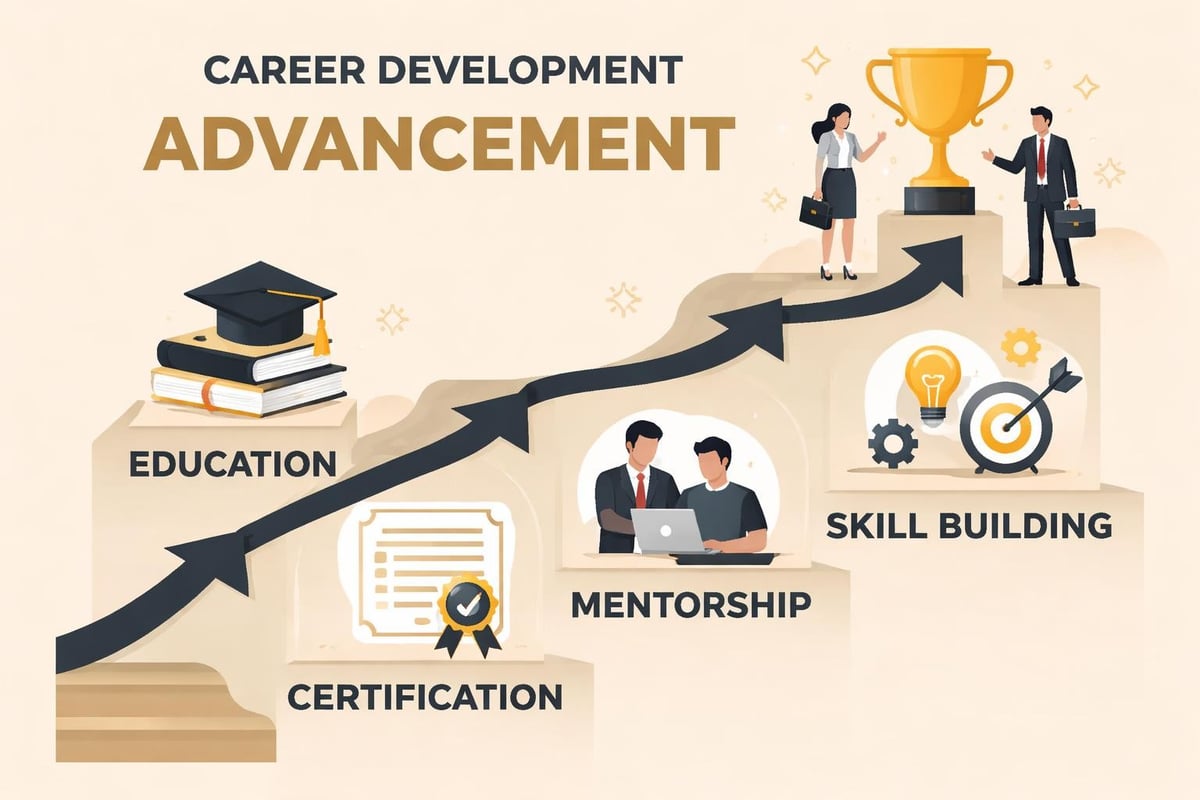
Mentorship and Career Pathing
Formal mentorship programs and transparent career advancement frameworks represent non-monetary benefits with significant employee value. 85% of employees report that clear growth pathways influence retention decisions.
Structured mentorship programs connect junior employees with experienced professionals, providing guidance, expanding professional networks, and accelerating skill development. Combined with defined career progression frameworks, these programs create clarity around advancement opportunities.
Customization and Personalization in Benefits Design
One-size-fits-all benefits packages fail to address diverse workforce needs. Modern approaches emphasize flexibility and choice, allowing employees to select benefits aligned with individual circumstances.
Flexible Benefit Credits and Cafeteria Plans
Flexible spending accounts and Section 125 cafeteria plans enable employees to allocate benefit dollars according to personal priorities. This approach maximizes perceived benefit value while controlling employer costs.
Employees receive defined benefit credits for selecting coverage levels, adding voluntary benefits, or purchasing additional services. This model particularly appeals to multi-generational workforces with varying priorities.
Organizations can reference insights on holistic wellness initiatives when designing personalized benefits approaches that resonate across employee segments.
Life Stage-Specific Benefit Options
Employee benefit needs evolve throughout careers and life stages. Comprehensive benefits packages acknowledge this reality through targeted offerings addressing specific circumstances.
Life stage benefit considerations:
- Early career employees prioritize student loan assistance and entry-level healthcare
- Growing families value enhanced parental leave and dependent care support
- Mid-career professionals emphasize financial planning and development opportunities
- Pre-retirement employees focus on catch-up contributions and retirement planning
Technology-enabled benefits platforms allow employees to view available options, compare alternatives, and make informed selections. These tools improve engagement while reducing administrative burden on human resources teams.
Voluntary Benefits: Expanding Choice Without Cost Escalation
Voluntary benefits enable organizations to expand offerings without proportionally increasing costs. Employees access desired coverage through payroll deductions while employers negotiate group rates delivering value beyond individual market pricing.
Common Voluntary Benefit Categories
Popular voluntary offerings include supplemental life insurance, critical illness coverage, accident insurance, pet insurance, legal services plans, and identity theft protection. These benefits address specific concerns without requiring universal employer funding.
Voluntary benefit value proposition:
| Benefit Type | Employee Interest | Employer Cost | Administrative Complexity |
|---|---|---|---|
| Supplemental Life | High | None (employee-paid) | Low |
| Critical Illness | Medium-High | None | Low |
| Pet Insurance | Medium | None | Low |
| Legal Services | Low-Medium | None | Medium |
| Identity Protection | Medium | None | Low |
The key to successful voluntary benefits lies in careful vendor selection, clear communication about available options, and streamlined enrollment processes. Organizations with diverse workforces benefit most from expanded voluntary offerings.
Communication and Enrollment Optimization
Even exceptional benefits packages deliver limited value if employees don't understand or utilize available options. Effective communication strategies include year-round education campaigns, personalized benefit statements, decision support tools, and simplified enrollment platforms.
Digital enrollment systems with mobile accessibility improve participation rates while reducing paperwork. These platforms enable employees to review options, model scenarios, and make informed decisions at their convenience.
Measuring Benefits Package ROI and Effectiveness
Strategic benefits management requires ongoing assessment of program effectiveness and return on investment. Organizations must balance cost containment with employee satisfaction and retention.
Key Performance Indicators for Benefits Programs
Critical metrics include:
- Benefits utilization rates across program categories
- Employee satisfaction scores specific to benefits offerings
- Voluntary turnover rates compared to industry benchmarks
- Cost per employee for total benefits packages
- Healthcare claim trends and wellness program participation
- Time-to-fill for open positions and offer acceptance rates
Regular surveys, focus groups, and data analysis identify gaps between offered benefits and employee needs. This feedback loop enables continuous improvement aligned with organizational objectives and workforce priorities.
Organizations leveraging expert consulting teams gain insights into industry benchmarks and best practices, ensuring their benefits strategies remain competitive and cost-effective.
Benchmark Comparisons and Competitive Analysis
Understanding how benefits packages compare to industry standards and direct competitors informs strategic decisions. Organizations should regularly review competitor offerings, industry survey data, regional market trends, and emerging benefit innovations.
This analysis identifies competitive gaps requiring attention and validates areas where current offerings exceed market standards. The goal involves optimizing benefits investment to attract and retain talent while managing total compensation costs.
Technology Integration in Benefits Administration
Modern benefits packages require sophisticated administration supporting enrollment, ongoing management, and employee self-service. Technology platforms streamline these processes while improving accuracy and employee experience.
Benefits Administration Platforms and HRIS Integration
Integrated human resource information systems centralize employee data, benefits elections, and life event management. These platforms automate eligibility determinations, enrollment confirmations, and carrier data transfers.
Technology benefits include:
- Reduced administrative burden freeing HR teams for strategic work
- Improved data accuracy minimizing errors and compliance risks
- Enhanced employee experience through self-service capabilities
- Better reporting and analytics supporting strategic decision-making
- Streamlined compliance management for regulatory requirements
Organizations can explore how automation and integration solutions transform benefits administration from transaction-heavy processes into strategic human capital management functions.
Mobile Accessibility and Employee Engagement
Mobile-optimized benefits platforms enable employees to access information, make elections, and manage accounts from smartphones. This accessibility particularly benefits distributed workforces and hourly employees without regular computer access.
Push notifications remind employees about enrollment deadlines, wellness program opportunities, and available resources. This proactive communication improves engagement and utilization across benefits categories.
Strategic benefits packages represent critical investments in organizational success, directly impacting talent acquisition, employee retention, and workforce productivity. By addressing healthcare needs, financial wellness, professional development, and work-life integration, comprehensive benefits demonstrate genuine commitment to employee well-being while driving measurable business results. Nero and Associates, Inc. helps organizations optimize their human capital management strategies, implementing efficient systems that reduce administrative burden while enhancing employee engagement with benefits offerings. Our performance-based approach ensures your benefits investments deliver maximum value for both your organization and your workforce.