
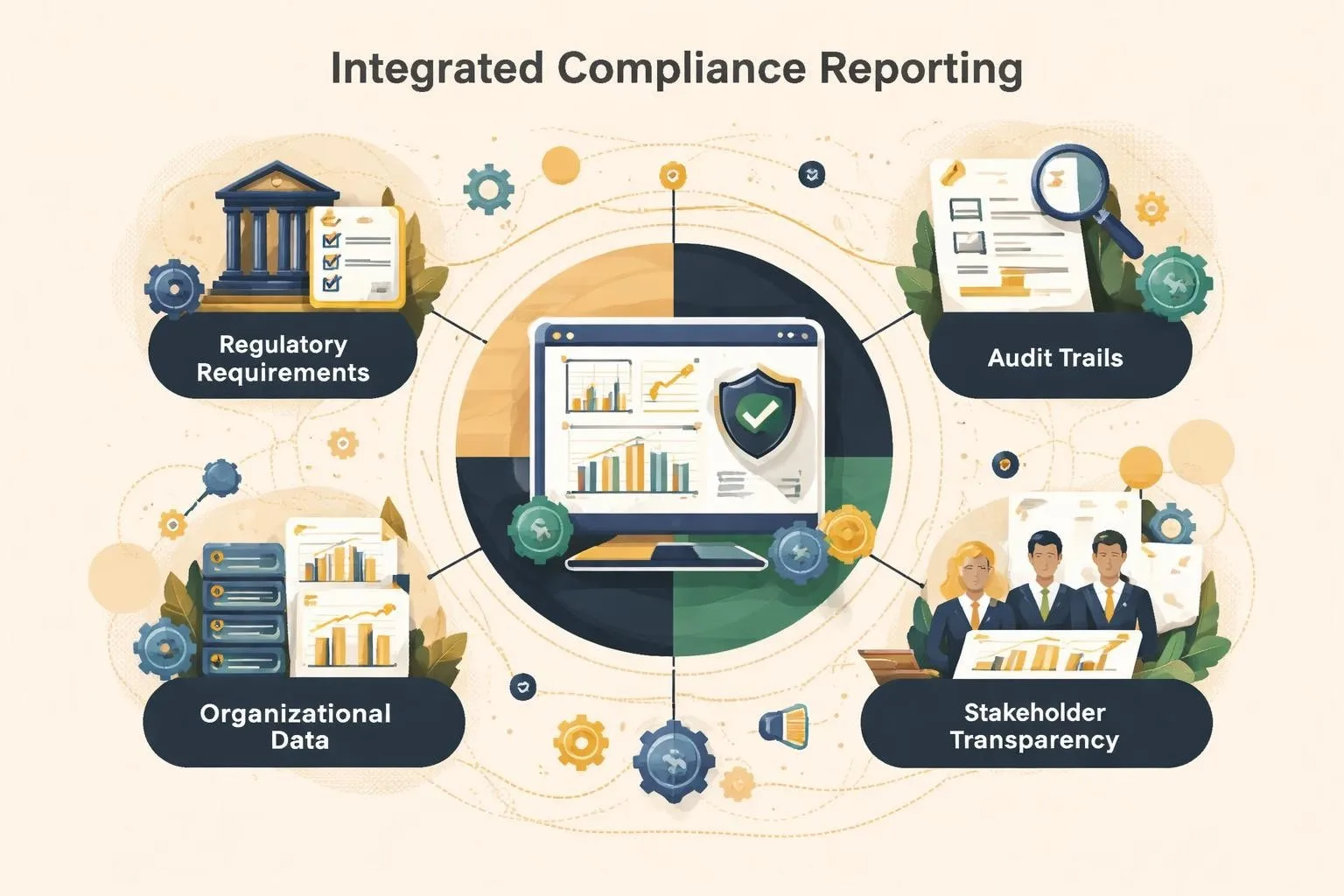
Organizations across industries face mounting pressure to demonstrate adherence to regulatory requirements while maintaining operational efficiency. Compliance reporting has evolved from a simple checklist exercise into a strategic function that requires sophisticated systems, clear processes, and continuous monitoring. As regulations multiply and enforcement intensifies in 2026, businesses must adopt modern approaches to compliance reporting that balance thoroughness with efficiency. This evolution presents both challenges and opportunities for organizations seeking to transform compliance from a cost center into a value driver.
Understanding the Fundamentals of Compliance Reporting
Compliance reporting encompasses the systematic collection, analysis, and documentation of information that demonstrates an organization's adherence to applicable laws, regulations, industry standards, and internal policies. This process extends far beyond simple documentation, serving as a critical communication mechanism between organizations and regulatory bodies, stakeholders, and oversight committees.
The scope of compliance reporting varies significantly based on industry, organizational size, and geographic location. Financial institutions must navigate complex requirements outlined in resources like the Federal Reserve’s compliance guides, while healthcare organizations face distinct obligations under HIPAA and other sector-specific regulations. Professional services firms, including those in the consulting space, must address everything from data privacy requirements to employment law compliance.
Key Components of Effective Compliance Programs
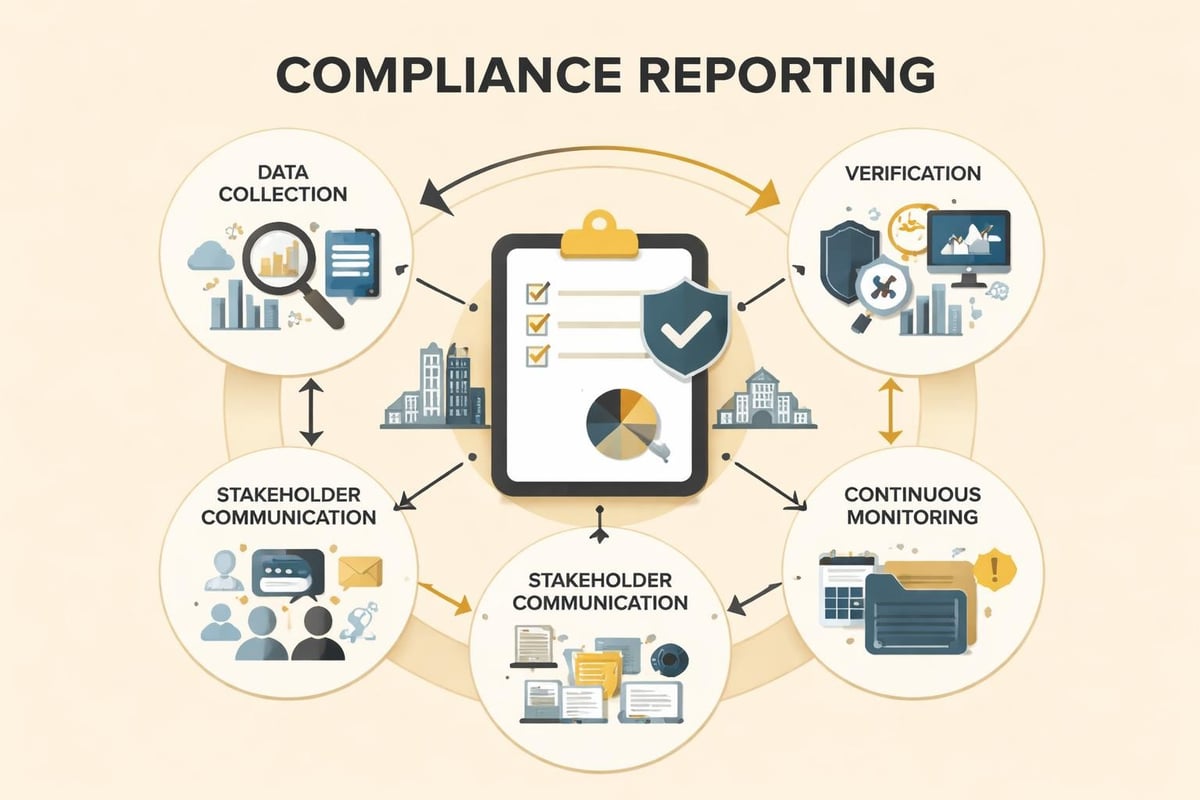
Modern compliance reporting systems consist of several interconnected elements that work together to create a comprehensive framework:
- Data collection mechanisms that capture relevant information from multiple sources across the organization
- Verification processes that ensure accuracy and completeness before submission
- Documentation systems that maintain audit trails and support future reviews
- Reporting workflows that route information to appropriate stakeholders and regulatory bodies
- Monitoring capabilities that track submission deadlines and identify emerging risks
The information quality guidelines established by regulatory bodies emphasize the critical importance of maintaining high standards throughout each phase of the reporting process. Organizations that compromise on data quality inevitably face increased scrutiny, potential penalties, and reputational damage.
Building a Robust Compliance Reporting Framework
Establishing an effective compliance reporting system requires thoughtful planning and strategic alignment with broader organizational objectives. The framework must accommodate current requirements while remaining flexible enough to adapt to evolving regulatory landscapes.
Assessment and Gap Analysis
Organizations should begin by conducting a comprehensive assessment of existing compliance obligations. This inventory process identifies all applicable regulations, reporting deadlines, responsible parties, and current compliance status. Many organizations discover significant gaps during this phase, particularly when compliance responsibilities have evolved organically without centralized oversight.
A thorough gap analysis reveals:
- Regulatory blind spots where obligations exist but no formal reporting process has been established
- Process inefficiencies that create unnecessary manual work or delay reporting cycles
- Technology limitations that prevent effective data aggregation or analysis
- Resource constraints that leave compliance teams understaffed or undertrained
- Communication breakdowns that result in incomplete or inaccurate submissions
For organizations serving small and mid-sized businesses, this assessment phase often reveals opportunities to consolidate reporting activities and eliminate redundant processes that consume valuable staff time.
Technology Infrastructure and Automation
Manual compliance reporting processes create significant operational burdens while introducing opportunities for error. Organizations that continue to rely on spreadsheets, email chains, and manual data entry face escalating risks as reporting requirements grow more complex. The benefits of automation in accounts payable demonstrate how similar principles apply throughout compliance operations.
Strategic technology investments should focus on capabilities that deliver immediate and long-term value:
| Capability | Benefits | Implementation Considerations |
|---|---|---|
| Automated data extraction | Reduces manual entry errors, accelerates collection timelines | Requires integration with source systems |
| Workflow automation | Ensures consistent processes, maintains audit trails | Needs clear process documentation |
| Real-time monitoring | Identifies issues before submission deadlines | Demands quality data architecture |
| Dashboard reporting | Provides visibility to stakeholders, supports decision-making | Must align with user requirements |
Organizations should evaluate solutions that offer scalability, particularly those planning to expand compliance programs or anticipating regulatory changes. The right technology foundation transforms compliance reporting from a reactive burden into a proactive strategic function.
Best Practices for Compliance Reporting Excellence
Leading organizations distinguish themselves through systematic approaches that emphasize consistency, accuracy, and continuous improvement. These compliance reporting best practices provide a roadmap for organizations at any maturity level.
Centralize Compliance Data and Ownership
Fragmented compliance information creates risks and inefficiencies that undermine reporting quality. Organizations should establish centralized repositories that serve as single sources of truth for compliance data, documentation, and evidence. This centralization extends beyond technology to include clear ownership structures that assign accountability for each compliance domain.
Centralization delivers multiple advantages. Teams avoid duplicative efforts when multiple departments track similar requirements. Audit preparation becomes dramatically simpler when all documentation resides in accessible, organized systems. Executive visibility improves when leadership can access comprehensive compliance dashboards rather than fragmentary reports from individual departments.
Implement Continuous Monitoring and Testing
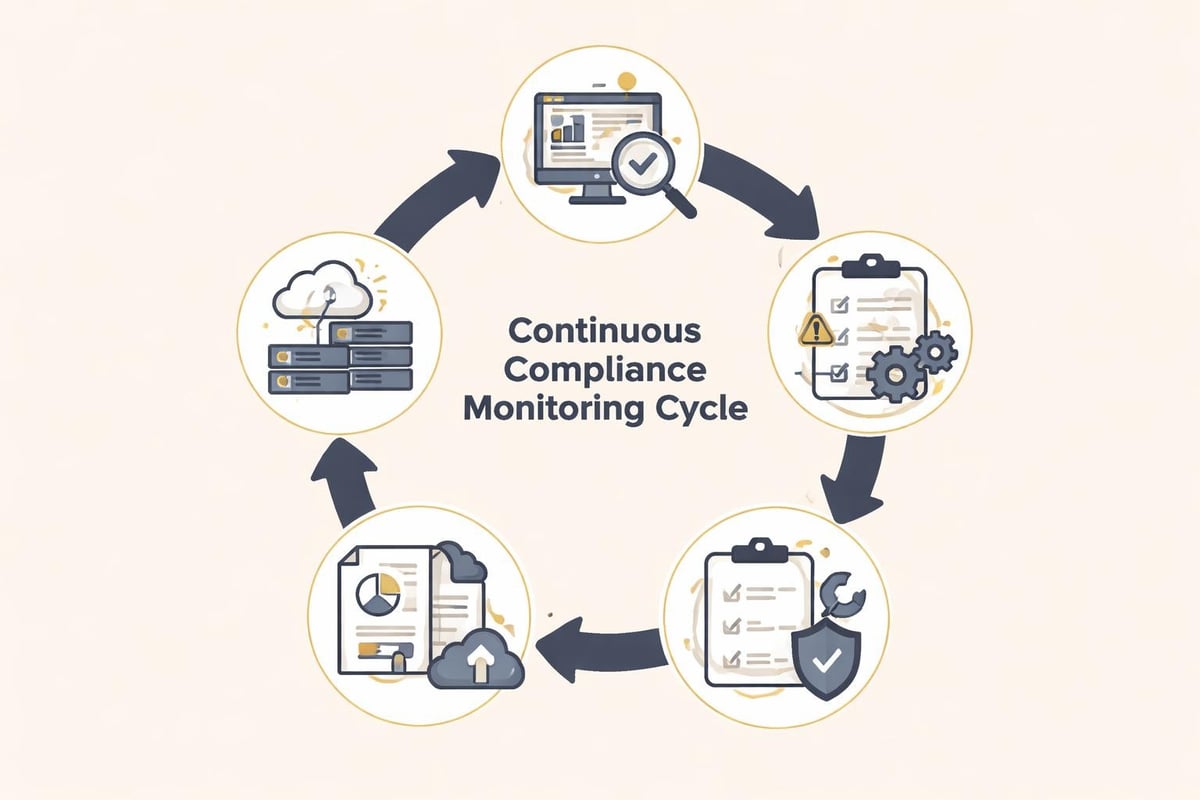
Traditional approaches that treat compliance as an annual or quarterly event create significant vulnerabilities. Organizations should adopt continuous monitoring frameworks that track compliance status in real-time, identifying deviations before they escalate into reportable violations.
Effective monitoring programs incorporate:
- Automated controls that flag transactions or activities requiring review
- Regular testing protocols that validate control effectiveness
- Exception reporting that surfaces unusual patterns or outliers
- Trend analysis that identifies emerging compliance risks
For healthcare organizations managing revenue cycle operations, continuous monitoring proves particularly valuable in detecting billing irregularities or documentation deficiencies before they trigger audits or payment denials.
Standardize Reporting Templates and Processes
Consistency across compliance reports enhances credibility while reducing preparation time. Organizations should develop standardized templates for common reporting scenarios, incorporating required data elements, formatting specifications, and supporting documentation requirements. These templates should align with best practices for preparing compliance reports while accommodating organization-specific needs.
Process standardization extends beyond templates to encompass:
- Review and approval workflows with clearly defined roles and timelines
- Quality assurance procedures that verify accuracy before submission
- Version control protocols that track changes and maintain historical records
- Communication standards for engaging with regulators and stakeholders
Organizations serving enterprise clients often benefit from additional layers of review given the complexity and visibility of their compliance obligations.
Emerging Regulatory Landscape in 2026
The compliance reporting environment continues to evolve rapidly as regulators introduce new requirements and enhance existing frameworks. Organizations must stay informed about regulatory developments that impact their operations and reporting obligations.
Corporate Transparency Act and Beneficial Ownership
The Corporate Transparency Act represents one of the most significant compliance developments affecting businesses in recent years. The FinCEN beneficial ownership information reporting guide outlines comprehensive requirements for reporting company ownership structures, with important deadlines and exemptions that organizations must understand.
Small entities particularly need to evaluate their obligations under these new requirements, as many previously exempt organizations now fall within reporting scope. Compliance teams should assess:
- Whether the organization qualifies as a reporting company under the current definitions
- Who constitutes a beneficial owner based on ownership percentages and control criteria
- What information must be collected and submitted for each beneficial owner
- When initial reports and updates must be filed with FinCEN
Industry-Specific Regulatory Developments
Different sectors face unique compliance reporting challenges shaped by their regulatory environments. Financial services organizations must navigate evolving requirements around anti-money laundering, consumer protection, and prudential supervision. Healthcare providers confront expanding obligations related to price transparency, interoperability, and patient privacy.
Non-profit organizations encounter distinct compliance reporting requirements around governance, financial transparency, and program effectiveness. These organizations must balance regulatory obligations with donor expectations and mission delivery, often with limited administrative resources.
Strategic Considerations for Board and Executive Reporting
Compliance reporting extends beyond regulatory submissions to include communication with boards of directors, executive leadership, and other internal stakeholders. Effective compliance reporting to the board requires thoughtful curation and presentation of information that enables informed oversight without overwhelming decision-makers.
Tailoring Information for Different Audiences
Board members and executives need compliance information presented in formats that facilitate strategic decision-making. Reports should balance detail with accessibility, providing sufficient context for non-experts while highlighting critical risks and trends. Visual dashboards, executive summaries, and exception-based reporting help focus attention on areas requiring board action or awareness.
Key principles for executive compliance reporting include:
- Relevance: Focus on material risks and significant developments rather than comprehensive inventories
- Timeliness: Provide updates with sufficient frequency to enable proactive intervention
- Comparability: Present metrics and trends that allow assessment of performance over time
- Actionability: Clearly articulate decisions required from leadership or the board
Risk-Based Prioritization
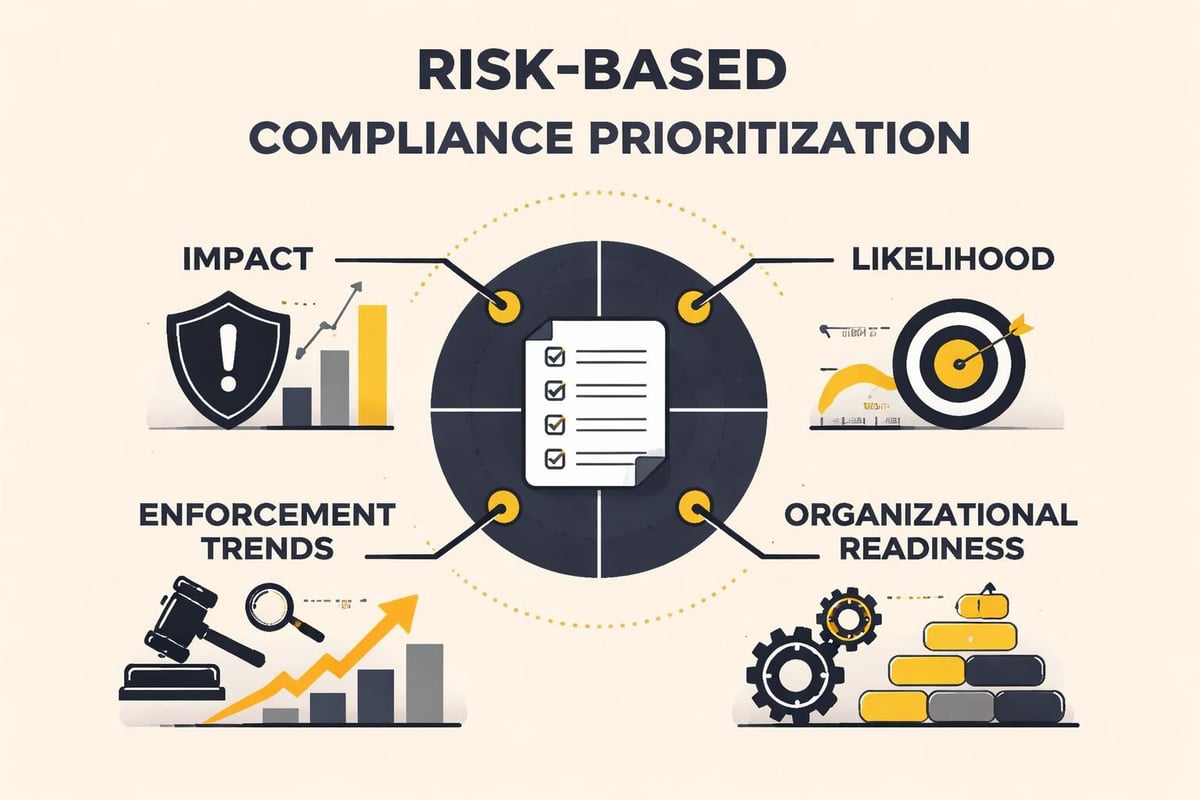
Not all compliance obligations deserve equal attention in board reporting. Organizations should implement risk-based frameworks that prioritize compliance areas based on potential impact, likelihood of occurrence, and regulatory scrutiny. This prioritization ensures that executive attention focuses on matters with the greatest strategic significance.
Compliance Reporting Across Organizational Models
Different organizational structures and business models create unique compliance reporting challenges that require tailored approaches.
| Organization Type | Primary Compliance Challenges | Reporting Considerations |
|---|---|---|
| Multi-state operations | Varying state requirements, jurisdictional complexity | Centralized tracking with local compliance support |
| Private equity portfolios | Portfolio company inconsistency, integration demands | Standardized compliance frameworks across holdings |
| Global enterprises | Cross-border regulations, conflicting requirements | Regional expertise combined with global oversight |
| Rapid-growth companies | Evolving obligations, resource constraints | Scalable systems that grow with the organization |
Organizations with complex structures should establish governance frameworks that clearly delineate compliance responsibilities between corporate functions and operating units. This clarity prevents gaps where obligations fall between organizational boundaries while avoiding duplicative efforts.
Vendor and Third-Party Compliance
Modern organizations increasingly rely on vendors, contractors, and partners to deliver critical functions. This reliance extends compliance obligations beyond organizational boundaries, requiring robust third-party risk management and reporting. Organizations must verify that vendors maintain appropriate compliance programs, particularly when those vendors access sensitive data or perform regulated activities.
Third-party compliance reporting should track vendor certifications, audit results, incident reports, and compliance attestations. Many organizations incorporate compliance requirements into vendor contracts and performance reviews, ensuring that third-party relationships support rather than undermine overall compliance objectives.
Measuring Compliance Reporting Effectiveness
Organizations should establish metrics that assess compliance reporting performance and identify opportunities for improvement. These measurements should evaluate both process efficiency and outcome quality, providing a balanced view of program effectiveness.
Process Metrics
Process-oriented metrics track the operational efficiency of compliance reporting activities:
- Cycle time: How long does it take to complete reports from initiation to submission?
- Error rates: What percentage of submissions require correction or resubmission?
- Resource utilization: How many staff hours are consumed by compliance reporting activities?
- Automation coverage: What percentage of reporting tasks have been automated?
Organizations that track these metrics over time can quantify the value delivered by process improvements and technology investments. Baseline measurements captured before improvement initiatives provide essential context for demonstrating return on investment.
Outcome Metrics
Outcome metrics assess the quality and impact of compliance reporting:
- Regulatory feedback: What observations or findings do regulators provide during examinations?
- Deficiency trends: Are compliance gaps decreasing over time?
- Stakeholder satisfaction: Do board members and executives receive information they need?
- Incident rates: How frequently do compliance violations or near-misses occur?
Leading organizations review these metrics regularly, incorporating them into broader enterprise risk management and performance management frameworks. This integration ensures that compliance receives appropriate executive attention and resource allocation.
Future-Proofing Compliance Reporting Programs
The regulatory environment will continue evolving, requiring organizations to build adaptable compliance reporting capabilities that can accommodate future changes without fundamental redesign.
Building Organizational Capabilities
Sustainable compliance programs depend on capable teams with appropriate skills, knowledge, and authority. Organizations should invest in compliance training that extends beyond specialists to include business unit leaders, finance teams, and operational staff. This broader capability building creates organizational resilience when key compliance personnel depart or when new requirements emerge.
Cross-functional collaboration enhances compliance reporting effectiveness by connecting subject matter experts with compliance professionals. Finance teams understand accounting requirements, IT departments manage data security, and human resources oversees employment compliance. Formal collaboration mechanisms ensure that expertise flows into compliance reporting processes.
Leveraging Artificial Intelligence and Advanced Analytics
Artificial intelligence and machine learning technologies offer transformative potential for compliance reporting. These capabilities can identify patterns in large datasets, predict compliance risks before they materialize, and automate routine analysis that currently consumes significant staff time. Organizations should evaluate AI applications that align with their specific compliance challenges and technology readiness.
Advanced analytics enable more sophisticated risk assessment and monitoring. Predictive models can forecast future compliance violations based on historical patterns and current indicators. Natural language processing can extract relevant information from contracts, policies, and regulatory guidance. Anomaly detection algorithms can flag unusual transactions or activities requiring investigation.
Organizations implementing these technologies should maintain appropriate human oversight, particularly for high-stakes decisions. The best practices for compliance automation emphasize the importance of balancing technological capabilities with professional judgment and contextual understanding.
Effective compliance reporting in 2026 requires a strategic blend of robust processes, enabling technology, and organizational capabilities that transform regulatory obligations into competitive advantages. Organizations that modernize their compliance reporting programs reduce risk while freeing resources for higher-value activities. Nero and Associates, Inc. helps organizations build compliance reporting systems that leverage automation and integration to eliminate manual processes, reduce costs, and enhance accuracy. Our performance-based approach delivers measurable improvements in compliance efficiency while strengthening your organization's ability to adapt to evolving regulatory requirements.