
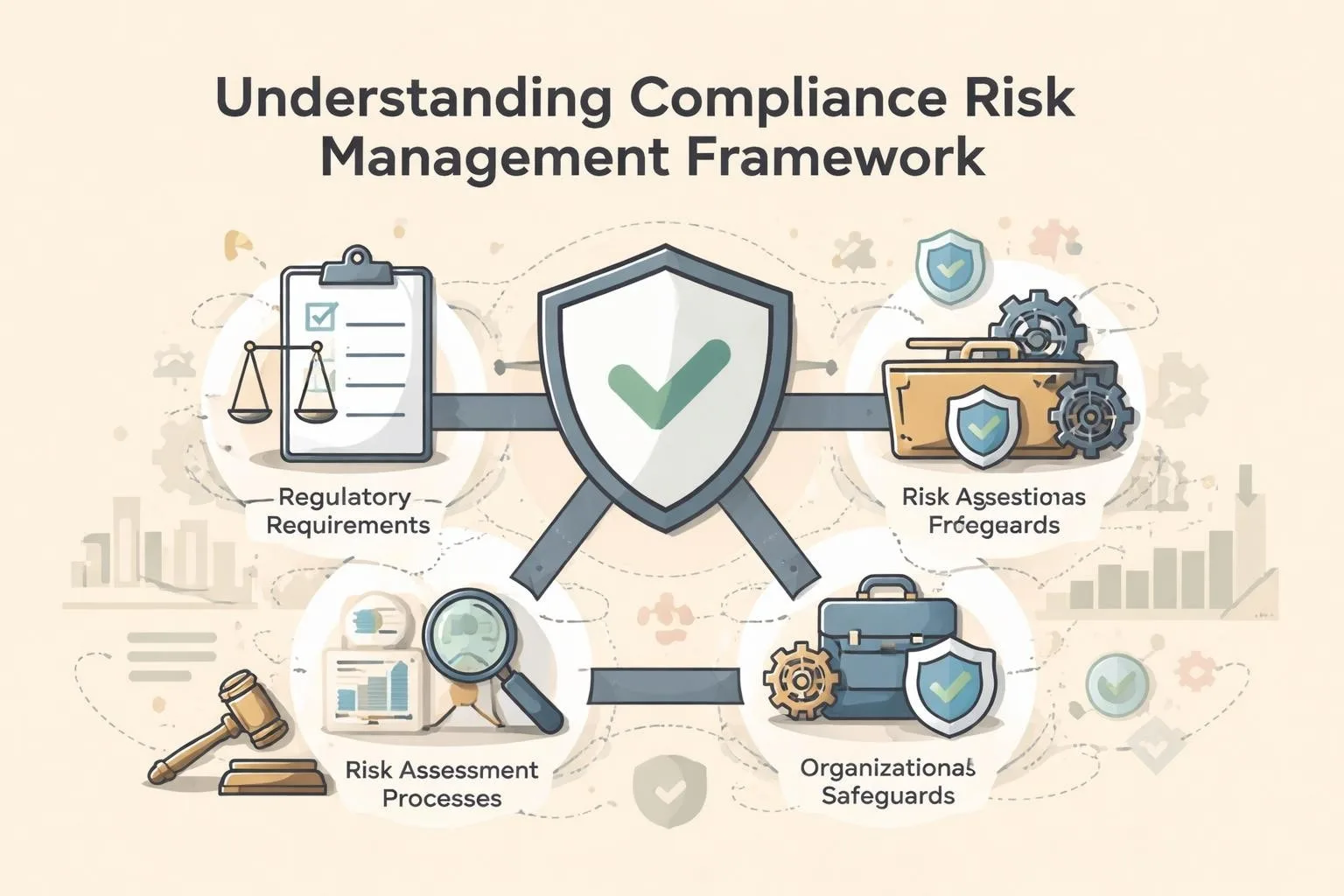
Managing Compliance Risk in Modern Organizations

Share on Facebook
Share on X
Share on LinkedIn

Organizations today navigate an increasingly complex regulatory landscape where a single misstep can result in devastating financial penalties, reputational damage, and operational disruptions. Compliance risk represents the potential for legal or regulatory sanctions, material financial loss, or damage to reputation that an organization faces when it fails to act in accordance with industry laws, regulations, internal policies, or prescribed best practices. As businesses adopt new technologies and expand into different markets, understanding and managing this critical risk category becomes essential for sustainable growth and operational excellence.

Understanding the Foundations of Compliance Risk

Every organization faces unique regulatory obligations based on their industry, geographic footprint, and operational structure. Compliance risk emerges when gaps exist between what regulations require and what an organization actually implements in practice.

The primary sources of compliance risk include:

  • Regulatory changes that outpace internal policy updates
  • Inadequate employee training on compliance requirements
  • Insufficient monitoring and reporting mechanisms
  • Third-party vendor relationships that introduce additional exposure
  • Technology implementations that fail to incorporate compliance controls

Organizations must recognize that compliance risk extends beyond simple rule-following. It encompasses the entire ecosystem of policies, procedures, controls, and cultural elements that either support or undermine regulatory adherence. When companies invest in automation and integration solutions, they create opportunities to strengthen compliance frameworks while simultaneously introducing new considerations around data governance and system controls.

The Financial Impact of Non-Compliance

The cost of compliance failures continues to escalate across all industries. In 2026, regulatory fines and penalties have reached unprecedented levels, with some organizations paying hundreds of millions of dollars for single violations.

Beyond direct financial penalties, compliance risk materializes through operational disruptions, lost business opportunities, increased insurance premiums, and the extensive costs of remediation efforts. Companies may face temporary shutdowns, restricted market access, or mandatory oversight periods that severely limit strategic flexibility.
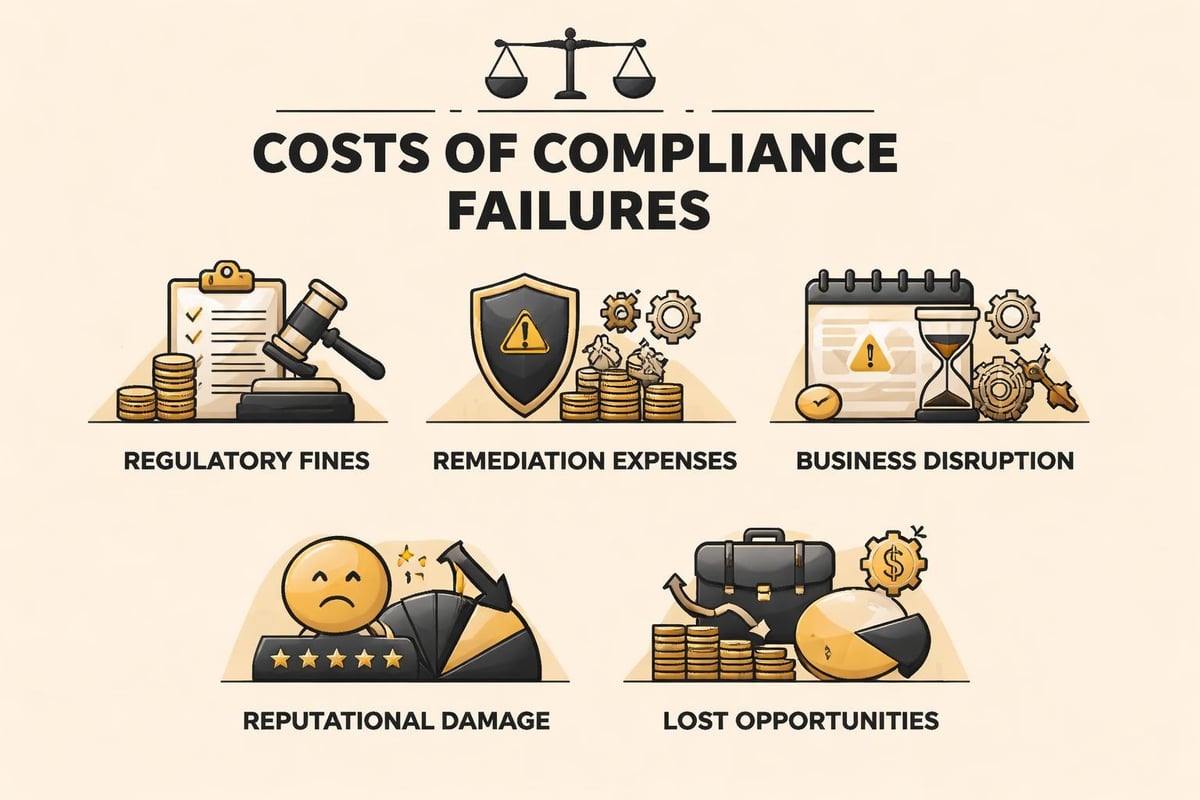
Compliance risk cost breakdown

The reputational consequences often exceed monetary penalties. Organizations identified as compliance violators struggle to attract top talent, maintain customer trust, and secure favorable partnership terms. These intangible costs compound over years, making prevention significantly more cost-effective than remediation.

Building an Effective Compliance Risk Management Framework

A robust framework transforms compliance from a reactive checkbox exercise into a proactive strategic advantage. Organizations that excel in compliance risk management integrate these practices into their operational DNA rather than treating them as separate administrative burdens.

Risk Assessment and Identification

The foundation of any compliance program begins with comprehensive risk assessment. Organizations must systematically identify which regulations apply to their operations, evaluate the likelihood of violations, and assess potential impact severity.

Effective risk assessments incorporate:

  1. Regulatory inventory development – Cataloging all applicable laws, regulations, and industry standards
  2. Process mapping – Documenting how current operations intersect with regulatory requirements
  3. Gap analysis – Identifying discrepancies between current state and compliance requirements
  4. Risk prioritization – Ranking compliance risks based on probability and potential impact
  5. Continuous monitoring – Establishing mechanisms to detect emerging risks and regulatory changes

Using authoritative data sources ensures that risk assessments reflect accurate regulatory requirements and industry best practices. Organizations should leverage technology platforms that automatically track regulatory updates and flag potential compliance gaps before they become critical issues.

Policy Development and Implementation

Written policies translate regulatory requirements into actionable organizational standards. However, policy documents alone provide minimal protection against compliance risk. The true value emerges through consistent implementation, regular updates, and genuine integration into daily workflows.

Organizations must design policies that balance comprehensive coverage with practical usability. Overly complex policy frameworks often go unread and unimplemented, creating false security while actual compliance risk remains unaddressed. Human Capital Management solutions can streamline policy distribution, track acknowledgment, and ensure employees understand their compliance responsibilities.

Policy Element Purpose Update Frequency
Regulatory mapping Connect business activities to specific requirements Quarterly
Procedures and controls Define how compliance is achieved operationally Annually or as needed
Roles and responsibilities Clarify accountability across organization Annually
Monitoring and testing Verify ongoing compliance effectiveness Continuous
Incident response Address violations quickly and effectively Annually

Technology's Role in Compliance Risk Mitigation

Modern compliance challenges demand modern solutions. Manual compliance processes struggle to keep pace with regulatory complexity, organizational scale, and the velocity of business change. Technology integration offers powerful capabilities to reduce compliance risk while simultaneously improving operational efficiency.

Automation eliminates many compliance failures that stem from human error, inconsistent application of standards, or simple oversights in high-volume environments. When organizations implement AI and automation solutions, they create opportunities to embed compliance controls directly into business processes.

Automated Compliance Monitoring

Real-time monitoring systems track activities across the organization, automatically flagging transactions, communications, or behaviors that may indicate compliance violations. These systems operate continuously without fatigue, analyzing patterns that human reviewers might miss.

For healthcare organizations, Revenue Cycle Management solutions can incorporate compliance checks at every stage of the billing process. This prevents coding errors, ensures proper documentation, and reduces the risk of audit findings or payment recaptures that result from inadvertent violations.
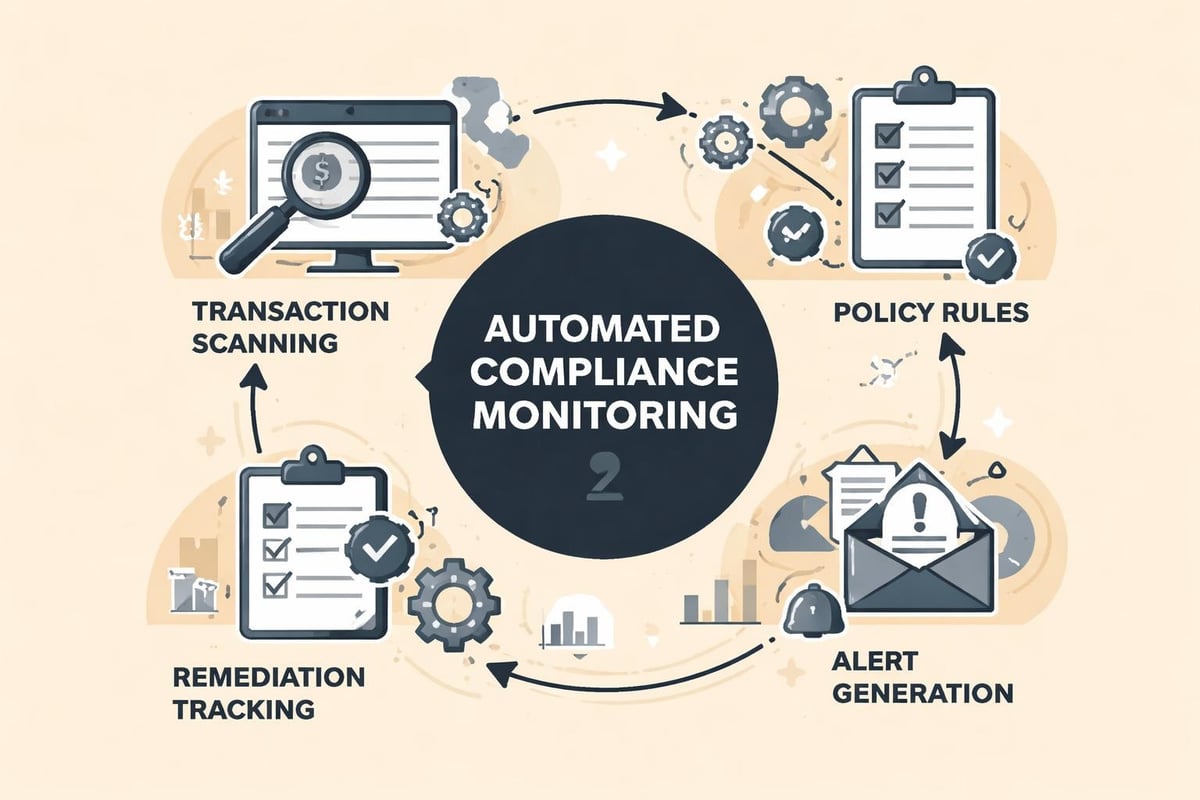
Automated compliance workflow

Data Integration and Reporting

Compliance risk often concentrates at organizational boundaries where information silos prevent comprehensive oversight. Integration platforms connect disparate systems, creating unified visibility into compliance-relevant activities.

Key integration benefits include:

  • Centralized reporting that consolidates compliance data from multiple sources
  • Automated audit trail generation that documents compliance activities
  • Exception reporting that highlights unusual patterns requiring investigation
  • Regulatory reporting automation that ensures timely, accurate submissions

Organizations leveraging frameworks like HITRUST CSF version 11 benefit from comprehensive security and privacy controls that address multiple regulatory requirements simultaneously. This integrated approach reduces certification efforts while strengthening overall compliance posture.

The Human Element in Compliance Risk Management

Technology provides essential tools, but people ultimately determine compliance outcomes. The most sophisticated systems fail when employees lack proper training, feel disconnected from compliance objectives, or face organizational cultures that discourage raising concerns.

Training and Awareness Programs

Effective compliance training extends beyond annual video modules that employees click through without genuine engagement. Organizations must develop ongoing educational programs that make compliance relevant to daily responsibilities.

Different roles require different training depth. Executives need strategic understanding of compliance risk and their oversight responsibilities. Managers require operational knowledge to recognize compliance issues within their teams. Individual contributors need practical guidance for their specific job functions.

Research on compliance intentions and authority figures demonstrates that expert leaders prove more effective than formal authorities in promoting desired behaviors. Organizations should identify subject matter experts who can champion compliance initiatives with credibility and practical insight.

Building a Compliance-Oriented Culture

Culture represents the collective attitudes, values, and behaviors that characterize how an organization actually operates versus how policies suggest it should operate. Compliance risk flourishes in cultures where rules are viewed as obstacles to circumvent rather than safeguards to embrace.

Leadership sets the cultural tone. When executives demonstrate visible commitment to compliance, allocate adequate resources, and hold themselves accountable to the same standards required of others, compliance becomes woven into organizational identity.

Organizations should create psychological safety where employees feel comfortable reporting potential violations without fear of retaliation. Many compliance failures escalate from minor issues that employees noticed but felt unable to address through proper channels.

Managing Third-Party Compliance Risk

Modern organizations rarely operate in isolation. Supply chains, service providers, technology vendors, and strategic partners create extended compliance ecosystems where your organization may bear responsibility for external parties' actions.

Third-party relationships introduce compliance risk through several mechanisms. Vendors may lack adequate controls, creating vulnerabilities that extend to your organization. Partners operating in different jurisdictions may have different compliance standards. Technology providers may handle your sensitive data in ways that violate your regulatory obligations.

Vendor Due Diligence Processes

Comprehensive due diligence before engaging third parties represents the first line of defense against external compliance risk. Organizations should evaluate potential vendors' compliance programs, review their audit reports, and verify their regulatory track records.

Due diligence should assess:

  1. Vendor compliance certifications and attestations
  2. Information security controls and practices
  3. Financial stability and operational viability
  4. Geographic presence and applicable regulations
  5. Insurance coverage for compliance-related incidents

Nero and Associates’ team helps organizations develop vendor management frameworks that protect against third-party compliance risk while supporting strategic partnership objectives.

Ongoing Monitoring and Oversight

Due diligence provides a point-in-time assessment, but compliance risk evolves continuously. Organizations must maintain ongoing oversight of third-party relationships through regular performance reviews, periodic audits, and continuous monitoring of publicly available information about vendor compliance incidents.

Monitoring Activity Frequency Responsibility
Performance metrics review Monthly Contract manager
Compliance attestation verification Quarterly Compliance officer
Security assessment Annually Information security
On-site audit Risk-based Internal audit
Contract renewal evaluation Per contract term Procurement and legal

Contractual provisions should clearly allocate compliance responsibilities, establish audit rights, define incident notification requirements, and specify remediation expectations. Strong contracts provide essential leverage when third-party compliance issues emerge.

Regulatory Change Management

Regulations constantly evolve in response to emerging risks, technological advances, and shifting political priorities. Organizations face continuous compliance risk from regulatory changes that outpace their ability to update policies, retrain staff, and modify systems.

Connecting regulatory change to compliance programs requires systematic processes for monitoring regulatory developments, assessing their applicability to your organization, and implementing necessary adjustments.

Effective regulatory change management includes environmental scanning to identify proposed regulations before they become final, impact assessment to determine how changes affect current operations, and implementation planning to execute required modifications within mandated timeframes.
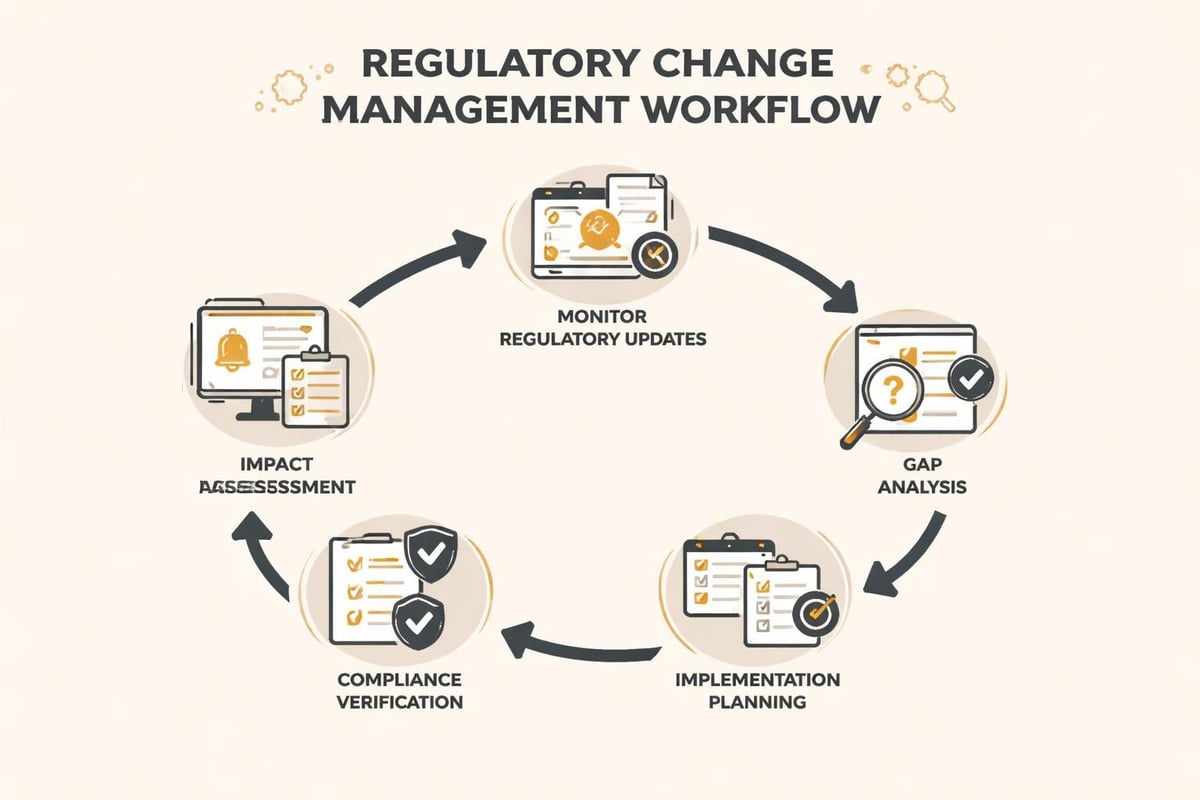
Regulatory change management process

Organizations should designate specific individuals or teams responsible for tracking regulatory changes in their relevant domains. Relying on informal awareness or hoping someone notices important changes creates unacceptable compliance risk.

Industry-Specific Compliance Considerations

While all organizations face compliance risk, specific industries encounter unique regulatory challenges requiring specialized approaches.

Healthcare Compliance Risk

Healthcare organizations navigate particularly complex compliance environments with HIPAA privacy and security requirements, Medicare and Medicaid billing regulations, state licensing requirements, and numerous quality reporting mandates.

Revenue Cycle Management solutions tailored for healthcare must incorporate compliance controls throughout billing processes. Proper documentation, accurate coding, timely submissions, and appropriate appeals management all carry compliance implications with significant financial consequences.

Financial Services Compliance Risk

Financial institutions face extensive anti-money laundering requirements, consumer protection regulations, capital adequacy standards, and data security mandates. The interconnected nature of financial systems means compliance failures can trigger systemic risks extending far beyond individual organizations.

Professional Services Compliance Risk

Professional services firms must manage compliance risk related to client confidentiality, conflicts of interest, professional licensing, tax obligations, and employment regulations. For enterprise clients, compliance considerations often extend to how services are delivered and documented.

Measuring Compliance Risk Management Effectiveness

Organizations need objective metrics to evaluate whether compliance risk management efforts actually reduce exposure. Traditional compliance metrics like training completion rates or policy acknowledgments measure activities rather than outcomes.

More meaningful metrics include:

  • Number of compliance incidents identified through internal monitoring versus external discovery
  • Average time from incident identification to resolution
  • Percentage of high-risk processes with documented controls
  • Results of independent compliance testing and audits
  • Regulatory examination findings and trends
  • Employee survey responses about compliance culture

Regular reporting to governance bodies ensures compliance risk receives appropriate executive attention. Boards and senior leadership should receive periodic updates on the organization's compliance risk profile, significant incidents, emerging regulatory changes, and program effectiveness metrics.

Compliance Risk in the Age of Digital Transformation

Digital transformation initiatives create both opportunities and challenges for compliance risk management. Cloud computing, artificial intelligence, remote work, and digital customer experiences introduce new regulatory considerations while offering tools to strengthen compliance capabilities.

Organizations must ensure that innovation doesn't outpace compliance. Technology projects should incorporate compliance requirements from inception rather than attempting to retrofit controls after implementation. This "compliance by design" approach prevents costly rework and reduces the risk of launching solutions with embedded compliance vulnerabilities.

For non-profit organizations, digital transformation offers opportunities to multiply mission impact while maintaining compliance with charitable regulations, donor privacy requirements, and grant stipulations.


Managing compliance risk requires sustained commitment, adequate resources, and integration of compliance considerations into strategic and operational decision-making. Organizations that treat compliance as a value-creating discipline rather than a cost center position themselves for sustainable success in increasingly regulated environments. Nero and Associates, Inc. partners with organizations to build compliance frameworks that protect against risk while enabling operational efficiency through intelligent automation, strategic human capital management, and optimized processes that reduce manual effort and strengthen organizational resilience.

Managing Compliance Risk in Modern Organizations

Organizations today navigate an increasingly complex regulatory landscape where a single misstep can result in devastating financial penalties, reputational damage, and operational disruptions. Compliance risk represents the potential for legal or regulatory sanctions, material financial loss, or damage to reputation that an organization faces when it fails to act in accordance with industry laws, regulations, internal policies, or prescribed best practices. As businesses adopt new technologies and expand into different markets, understanding and managing this critical risk category becomes essential for sustainable growth and operational excellence.

Understanding the Foundations of Compliance Risk

Every organization faces unique regulatory obligations based on their industry, geographic footprint, and operational structure. Compliance risk emerges when gaps exist between what regulations require and what an organization actually implements in practice.

The primary sources of compliance risk include:

  • Regulatory changes that outpace internal policy updates
  • Inadequate employee training on compliance requirements
  • Insufficient monitoring and reporting mechanisms
  • Third-party vendor relationships that introduce additional exposure
  • Technology implementations that fail to incorporate compliance controls

Organizations must recognize that compliance risk extends beyond simple rule-following. It encompasses the entire ecosystem of policies, procedures, controls, and cultural elements that either support or undermine regulatory adherence. When companies invest in automation and integration solutions, they create opportunities to strengthen compliance frameworks while simultaneously introducing new considerations around data governance and system controls.

The Financial Impact of Non-Compliance

The cost of compliance failures continues to escalate across all industries. In 2026, regulatory fines and penalties have reached unprecedented levels, with some organizations paying hundreds of millions of dollars for single violations.

Beyond direct financial penalties, compliance risk materializes through operational disruptions, lost business opportunities, increased insurance premiums, and the extensive costs of remediation efforts. Companies may face temporary shutdowns, restricted market access, or mandatory oversight periods that severely limit strategic flexibility.

Compliance risk cost breakdown

The reputational consequences often exceed monetary penalties. Organizations identified as compliance violators struggle to attract top talent, maintain customer trust, and secure favorable partnership terms. These intangible costs compound over years, making prevention significantly more cost-effective than remediation.

Building an Effective Compliance Risk Management Framework

A robust framework transforms compliance from a reactive checkbox exercise into a proactive strategic advantage. Organizations that excel in compliance risk management integrate these practices into their operational DNA rather than treating them as separate administrative burdens.

Risk Assessment and Identification

The foundation of any compliance program begins with comprehensive risk assessment. Organizations must systematically identify which regulations apply to their operations, evaluate the likelihood of violations, and assess potential impact severity.

Effective risk assessments incorporate:

  1. Regulatory inventory development – Cataloging all applicable laws, regulations, and industry standards
  2. Process mapping – Documenting how current operations intersect with regulatory requirements
  3. Gap analysis – Identifying discrepancies between current state and compliance requirements
  4. Risk prioritization – Ranking compliance risks based on probability and potential impact
  5. Continuous monitoring – Establishing mechanisms to detect emerging risks and regulatory changes

Using authoritative data sources ensures that risk assessments reflect accurate regulatory requirements and industry best practices. Organizations should leverage technology platforms that automatically track regulatory updates and flag potential compliance gaps before they become critical issues.

Policy Development and Implementation

Written policies translate regulatory requirements into actionable organizational standards. However, policy documents alone provide minimal protection against compliance risk. The true value emerges through consistent implementation, regular updates, and genuine integration into daily workflows.

Organizations must design policies that balance comprehensive coverage with practical usability. Overly complex policy frameworks often go unread and unimplemented, creating false security while actual compliance risk remains unaddressed. Human Capital Management solutions can streamline policy distribution, track acknowledgment, and ensure employees understand their compliance responsibilities.

Policy Element Purpose Update Frequency
Regulatory mapping Connect business activities to specific requirements Quarterly
Procedures and controls Define how compliance is achieved operationally Annually or as needed
Roles and responsibilities Clarify accountability across organization Annually
Monitoring and testing Verify ongoing compliance effectiveness Continuous
Incident response Address violations quickly and effectively Annually

Technology's Role in Compliance Risk Mitigation

Modern compliance challenges demand modern solutions. Manual compliance processes struggle to keep pace with regulatory complexity, organizational scale, and the velocity of business change. Technology integration offers powerful capabilities to reduce compliance risk while simultaneously improving operational efficiency.

Automation eliminates many compliance failures that stem from human error, inconsistent application of standards, or simple oversights in high-volume environments. When organizations implement AI and automation solutions, they create opportunities to embed compliance controls directly into business processes.

Automated Compliance Monitoring

Real-time monitoring systems track activities across the organization, automatically flagging transactions, communications, or behaviors that may indicate compliance violations. These systems operate continuously without fatigue, analyzing patterns that human reviewers might miss.

For healthcare organizations, Revenue Cycle Management solutions can incorporate compliance checks at every stage of the billing process. This prevents coding errors, ensures proper documentation, and reduces the risk of audit findings or payment recaptures that result from inadvertent violations.

Automated compliance workflow

Data Integration and Reporting

Compliance risk often concentrates at organizational boundaries where information silos prevent comprehensive oversight. Integration platforms connect disparate systems, creating unified visibility into compliance-relevant activities.

Key integration benefits include:

  • Centralized reporting that consolidates compliance data from multiple sources
  • Automated audit trail generation that documents compliance activities
  • Exception reporting that highlights unusual patterns requiring investigation
  • Regulatory reporting automation that ensures timely, accurate submissions

Organizations leveraging frameworks like HITRUST CSF version 11 benefit from comprehensive security and privacy controls that address multiple regulatory requirements simultaneously. This integrated approach reduces certification efforts while strengthening overall compliance posture.

The Human Element in Compliance Risk Management

Technology provides essential tools, but people ultimately determine compliance outcomes. The most sophisticated systems fail when employees lack proper training, feel disconnected from compliance objectives, or face organizational cultures that discourage raising concerns.

Training and Awareness Programs

Effective compliance training extends beyond annual video modules that employees click through without genuine engagement. Organizations must develop ongoing educational programs that make compliance relevant to daily responsibilities.

Different roles require different training depth. Executives need strategic understanding of compliance risk and their oversight responsibilities. Managers require operational knowledge to recognize compliance issues within their teams. Individual contributors need practical guidance for their specific job functions.

Research on compliance intentions and authority figures demonstrates that expert leaders prove more effective than formal authorities in promoting desired behaviors. Organizations should identify subject matter experts who can champion compliance initiatives with credibility and practical insight.

Building a Compliance-Oriented Culture

Culture represents the collective attitudes, values, and behaviors that characterize how an organization actually operates versus how policies suggest it should operate. Compliance risk flourishes in cultures where rules are viewed as obstacles to circumvent rather than safeguards to embrace.

Leadership sets the cultural tone. When executives demonstrate visible commitment to compliance, allocate adequate resources, and hold themselves accountable to the same standards required of others, compliance becomes woven into organizational identity.

Organizations should create psychological safety where employees feel comfortable reporting potential violations without fear of retaliation. Many compliance failures escalate from minor issues that employees noticed but felt unable to address through proper channels.

Managing Third-Party Compliance Risk

Modern organizations rarely operate in isolation. Supply chains, service providers, technology vendors, and strategic partners create extended compliance ecosystems where your organization may bear responsibility for external parties' actions.

Third-party relationships introduce compliance risk through several mechanisms. Vendors may lack adequate controls, creating vulnerabilities that extend to your organization. Partners operating in different jurisdictions may have different compliance standards. Technology providers may handle your sensitive data in ways that violate your regulatory obligations.

Vendor Due Diligence Processes

Comprehensive due diligence before engaging third parties represents the first line of defense against external compliance risk. Organizations should evaluate potential vendors' compliance programs, review their audit reports, and verify their regulatory track records.

Due diligence should assess:

  1. Vendor compliance certifications and attestations
  2. Information security controls and practices
  3. Financial stability and operational viability
  4. Geographic presence and applicable regulations
  5. Insurance coverage for compliance-related incidents

Nero and Associates’ team helps organizations develop vendor management frameworks that protect against third-party compliance risk while supporting strategic partnership objectives.

Ongoing Monitoring and Oversight

Due diligence provides a point-in-time assessment, but compliance risk evolves continuously. Organizations must maintain ongoing oversight of third-party relationships through regular performance reviews, periodic audits, and continuous monitoring of publicly available information about vendor compliance incidents.

Monitoring Activity Frequency Responsibility
Performance metrics review Monthly Contract manager
Compliance attestation verification Quarterly Compliance officer
Security assessment Annually Information security
On-site audit Risk-based Internal audit
Contract renewal evaluation Per contract term Procurement and legal

Contractual provisions should clearly allocate compliance responsibilities, establish audit rights, define incident notification requirements, and specify remediation expectations. Strong contracts provide essential leverage when third-party compliance issues emerge.

Regulatory Change Management

Regulations constantly evolve in response to emerging risks, technological advances, and shifting political priorities. Organizations face continuous compliance risk from regulatory changes that outpace their ability to update policies, retrain staff, and modify systems.

Connecting regulatory change to compliance programs requires systematic processes for monitoring regulatory developments, assessing their applicability to your organization, and implementing necessary adjustments.

Effective regulatory change management includes environmental scanning to identify proposed regulations before they become final, impact assessment to determine how changes affect current operations, and implementation planning to execute required modifications within mandated timeframes.

Regulatory change management process

Organizations should designate specific individuals or teams responsible for tracking regulatory changes in their relevant domains. Relying on informal awareness or hoping someone notices important changes creates unacceptable compliance risk.

Industry-Specific Compliance Considerations

While all organizations face compliance risk, specific industries encounter unique regulatory challenges requiring specialized approaches.

Healthcare Compliance Risk

Healthcare organizations navigate particularly complex compliance environments with HIPAA privacy and security requirements, Medicare and Medicaid billing regulations, state licensing requirements, and numerous quality reporting mandates.

Revenue Cycle Management solutions tailored for healthcare must incorporate compliance controls throughout billing processes. Proper documentation, accurate coding, timely submissions, and appropriate appeals management all carry compliance implications with significant financial consequences.

Financial Services Compliance Risk

Financial institutions face extensive anti-money laundering requirements, consumer protection regulations, capital adequacy standards, and data security mandates. The interconnected nature of financial systems means compliance failures can trigger systemic risks extending far beyond individual organizations.

Professional Services Compliance Risk

Professional services firms must manage compliance risk related to client confidentiality, conflicts of interest, professional licensing, tax obligations, and employment regulations. For enterprise clients, compliance considerations often extend to how services are delivered and documented.

Measuring Compliance Risk Management Effectiveness

Organizations need objective metrics to evaluate whether compliance risk management efforts actually reduce exposure. Traditional compliance metrics like training completion rates or policy acknowledgments measure activities rather than outcomes.

More meaningful metrics include:

  • Number of compliance incidents identified through internal monitoring versus external discovery
  • Average time from incident identification to resolution
  • Percentage of high-risk processes with documented controls
  • Results of independent compliance testing and audits
  • Regulatory examination findings and trends
  • Employee survey responses about compliance culture

Regular reporting to governance bodies ensures compliance risk receives appropriate executive attention. Boards and senior leadership should receive periodic updates on the organization's compliance risk profile, significant incidents, emerging regulatory changes, and program effectiveness metrics.

Compliance Risk in the Age of Digital Transformation

Digital transformation initiatives create both opportunities and challenges for compliance risk management. Cloud computing, artificial intelligence, remote work, and digital customer experiences introduce new regulatory considerations while offering tools to strengthen compliance capabilities.

Organizations must ensure that innovation doesn't outpace compliance. Technology projects should incorporate compliance requirements from inception rather than attempting to retrofit controls after implementation. This "compliance by design" approach prevents costly rework and reduces the risk of launching solutions with embedded compliance vulnerabilities.

For non-profit organizations, digital transformation offers opportunities to multiply mission impact while maintaining compliance with charitable regulations, donor privacy requirements, and grant stipulations.


Managing compliance risk requires sustained commitment, adequate resources, and integration of compliance considerations into strategic and operational decision-making. Organizations that treat compliance as a value-creating discipline rather than a cost center position themselves for sustainable success in increasingly regulated environments. Nero and Associates, Inc. partners with organizations to build compliance frameworks that protect against risk while enabling operational efficiency through intelligent automation, strategic human capital management, and optimized processes that reduce manual effort and strengthen organizational resilience.

Website developed in accordance with Web Content Accessibility Guidelines 2.2.
If you encounter any issues while using this site, please contact us: 215.526.5126