

Organizations today face mounting pressure to demonstrate tangible returns on every investment they make. Traditional business models that rely on fixed pricing and time-based billing are increasingly being replaced by approaches that tie results directly to compensation and deliverables. This shift toward accountability and measurable outcomes represents a fundamental change in how businesses operate, contract services, and motivate their workforce to achieve strategic goals.
Understanding the Performance-Based Business Model
Performance-based approaches fundamentally change the relationship between investment and outcome. Instead of paying for effort or time, organizations pay for results. This model creates natural alignment between service providers and clients, as both parties share the risk and reward of success.
The foundation of any performance-based system rests on clearly defined metrics and measurable objectives. Without specific benchmarks, it becomes impossible to determine whether performance targets have been met. These metrics vary by industry and function but must always be quantifiable and verifiable.
Key characteristics of performance-based models include:
- Clear outcome definitions tied to business objectives
- Measurable performance indicators tracked consistently
- Payment structures aligned with achievement levels
- Regular monitoring and reporting mechanisms
- Flexibility to adjust targets based on changing conditions
Federal acquisition regulations have long recognized the value of this approach. The preferred method for acquiring services establishes performance-based acquisition as the standard, demonstrating governmental confidence in outcome-driven contracting. This regulatory framework provides a proven model that private sector organizations can adapt to their specific needs.

Implementing Performance-Based Compensation Systems
Compensation represents one of the most powerful applications of performance-based thinking. When employees see direct connections between their contributions and rewards, engagement and productivity typically increase dramatically. However, implementing these systems requires careful planning and transparent communication.
Designing Effective Incentive Structures
The architecture of performance-based compensation must balance motivation with fairness. Organizations should consider multiple performance levels rather than simple pass-fail thresholds. This approach recognizes varying degrees of achievement and creates motivation across the performance spectrum.
Individual metrics work well for roles with clear personal accountability, such as sales positions or project management. Team-based metrics foster collaboration and shared responsibility for collective outcomes. Many successful organizations use hybrid approaches that combine individual and team components.
| Metric Type | Best Applications | Measurement Frequency | Typical Weight |
|---|---|---|---|
| Individual Performance | Sales, Production, Project Delivery | Monthly/Quarterly | 40-60% |
| Team Outcomes | Department Goals, Cross-functional Projects | Quarterly | 20-40% |
| Company Results | Revenue, Profit, Customer Satisfaction | Annually | 20-30% |
Organizations implementing performance-based compensation models report higher employee engagement when the criteria are transparent and achievable. Employees need to understand exactly what drives their compensation and have the tools and authority to influence those outcomes.
Establishing Measurable Performance Standards
Quantifying performance requires careful consideration of what truly matters to the organization. Revenue generation and cost reduction represent obvious candidates, but other factors like quality improvements, customer satisfaction, and process efficiency can be equally important.
Performance-based bonus programs succeed when they focus on outcomes within employees' control. Tying bonuses to factors beyond individual or team influence creates frustration rather than motivation. Smart organizations identify the specific behaviors and results they want to encourage, then design metrics that reflect those priorities.
The automation capabilities available in 2026 make tracking performance metrics easier than ever. Organizations can leverage technology to monitor key indicators in real-time, providing employees with continuous feedback rather than waiting for annual reviews. This immediacy strengthens the connection between actions and outcomes, reinforcing desired behaviors more effectively. Companies exploring automation solutions often discover that the same systems improving operational efficiency also provide valuable performance data.
Performance-Based Service Delivery Models
Professional services firms have embraced performance-based pricing as a differentiator in competitive markets. This approach demonstrates confidence in the value delivered and aligns provider success with client success. The shift requires both parties to invest in defining success criteria and establishing measurement protocols.
Structuring Performance-Based Engagements
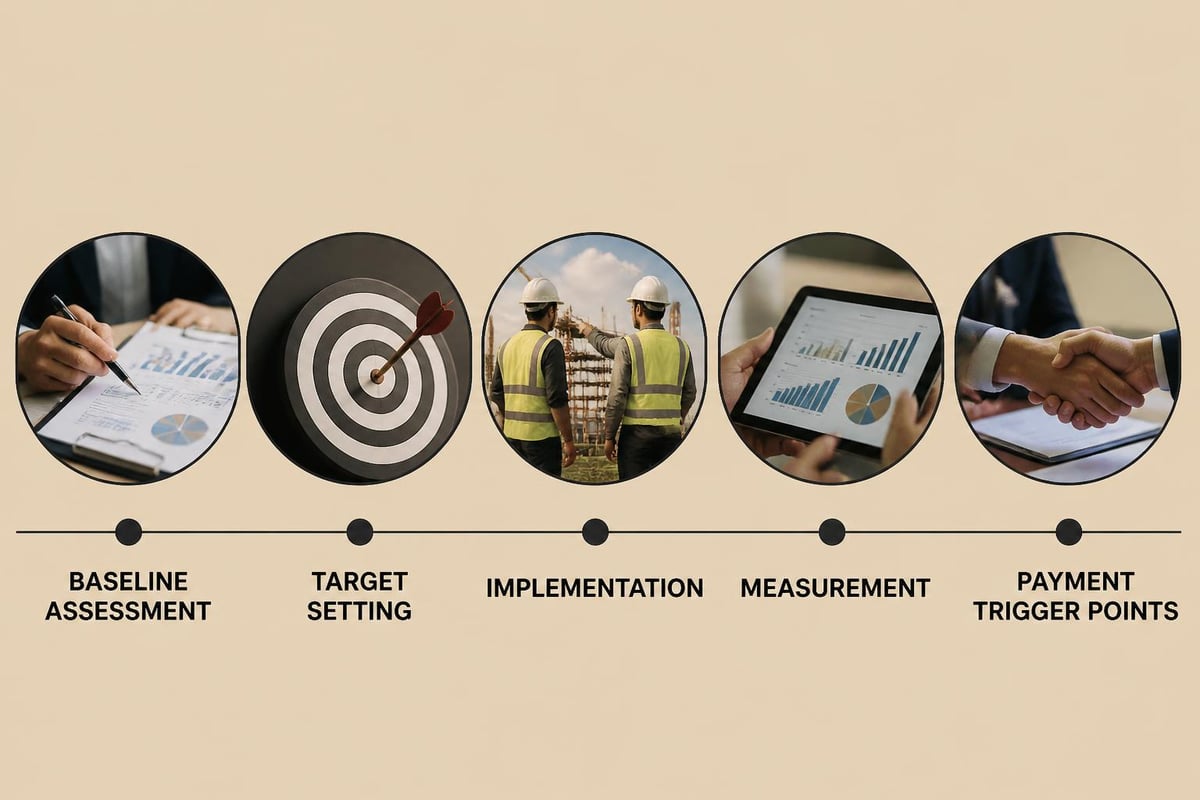
Successful performance-based engagements begin with comprehensive discovery and goal setting. Service providers must thoroughly understand the client's current state, desired outcomes, and constraints. This foundation enables realistic performance targets that challenge both parties while remaining achievable.
Essential elements of performance-based service agreements include:
- Baseline measurements documenting current performance levels
- Specific improvement targets with defined timeframes
- Data collection and reporting methodologies
- Payment schedules tied to milestone achievement
- Provisions for unforeseen circumstances or scope changes
The legal framework for performance-based contracts provides valuable guidance for structuring these agreements. While designed for government procurement, the principles translate effectively to commercial relationships. Clear documentation protects both parties and establishes accountability mechanisms.
Healthcare revenue cycle management represents an excellent application of performance-based service delivery. Providers can tie compensation to metrics like claim acceptance rates, days in accounts receivable, or denial reduction percentages. These concrete measures directly impact the client's financial performance, making the value proposition transparent. Organizations facing healthcare underpayment issues particularly benefit from performance-based solutions that address root causes rather than symptoms.
Risk Allocation and Shared Success
Performance-based models inherently involve risk sharing between service providers and clients. Providers assume responsibility for delivering results, not just effort. Clients must provide necessary access, resources, and cooperation for providers to succeed. This mutual dependency requires trust and collaboration.
Smart contracts and digital payment systems represent emerging technologies that can automate performance verification and payment execution. Recent research on blockchain-based performance contracts demonstrates how technology can reduce disputes and streamline settlement processes. While still evolving, these innovations point toward more efficient performance-based transaction models.
Driving Results Through Performance-Based Incentives
Performance-based incentives operate on the principle that people respond to clear rewards aligned with organizational objectives. Beyond basic compensation, these incentives can take many forms including bonuses, recognition programs, advancement opportunities, and additional benefits.
The psychology behind incentive programs reveals important considerations. Incentives work best when they reward behaviors and outcomes within the recipient's control. Delayed rewards lose motivational power, making timely recognition essential. Finally, the perceived fairness of the system significantly impacts its effectiveness.
Balancing Short-Term and Long-Term Objectives
Organizations must carefully balance incentives that drive immediate results against those promoting sustainable long-term success. Overemphasis on short-term metrics can encourage behaviors that boost current performance while damaging future prospects. A balanced scorecard approach addresses this challenge by incorporating multiple timeframes and perspectives.
Financial services firms learned this lesson during the 2008 financial crisis when compensation structures rewarded short-term gains while ignoring long-term risks. Modern performance-based systems typically include safeguards against this imbalance, such as clawback provisions and extended vesting periods for certain rewards.
Process improvement initiatives particularly benefit from performance-based approaches that recognize both immediate efficiency gains and sustainable capability development. Organizations implementing accounts payable automation can structure incentives around both initial implementation success and ongoing accuracy improvements.
Measuring Success in Performance-Based Initiatives
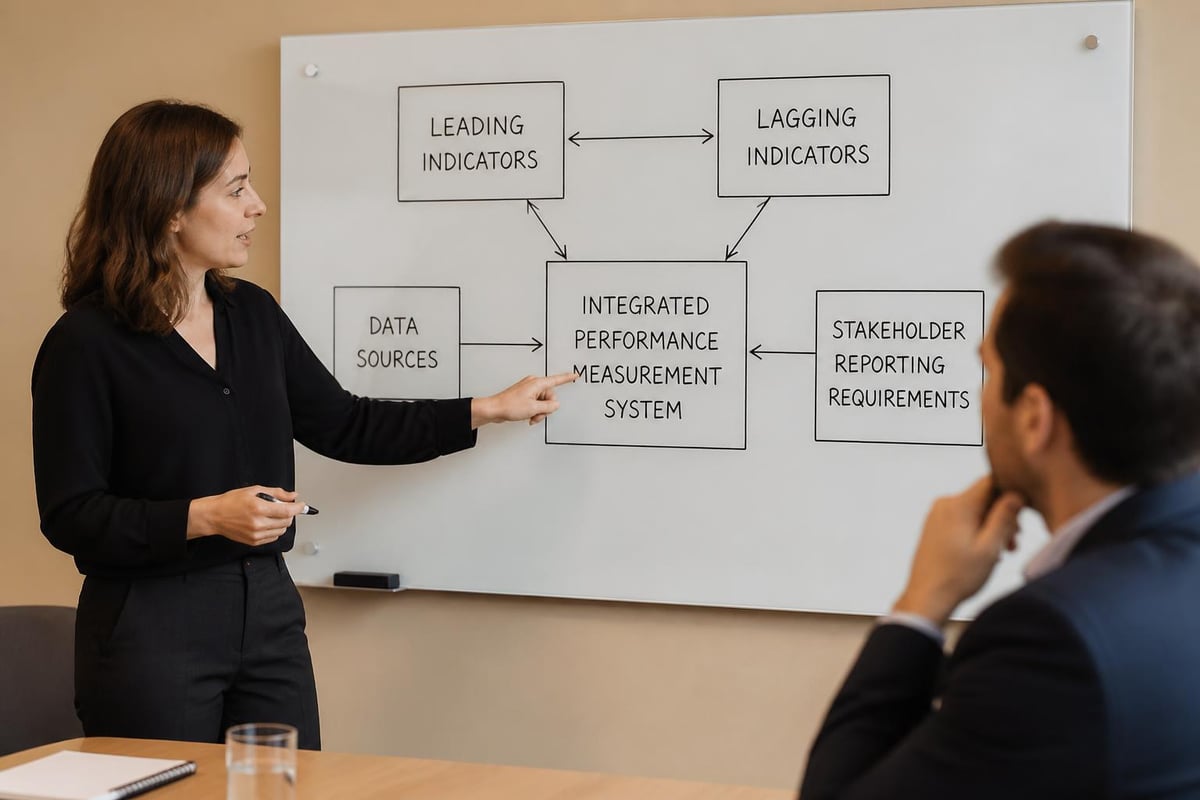
Measurement represents the cornerstone of any performance-based system. Without accurate, timely data, performance cannot be verified or rewarded appropriately. Organizations must invest in measurement infrastructure that supports their performance-based initiatives.
Selecting Appropriate Performance Indicators
Effective performance indicators share several characteristics. They must be clearly defined with unambiguous measurement criteria. They should be directly influenced by the actions of those being measured. They must be verifiable through objective data sources. Finally, they should align with strategic organizational priorities.
Leading indicators predict future performance and enable proactive intervention. Lagging indicators confirm results after they occur. Comprehensive performance measurement systems incorporate both types, providing early warning signals and outcome verification.
| Indicator Category | Examples | Primary Value | Update Frequency |
|---|---|---|---|
| Financial Performance | Revenue Growth, Profit Margin, Cost Reduction | Outcome Verification | Monthly/Quarterly |
| Operational Efficiency | Cycle Time, Error Rate, Utilization | Process Improvement | Weekly/Monthly |
| Customer Satisfaction | NPS Score, Retention Rate, Support Tickets | Market Validation | Quarterly |
| Employee Engagement | Retention, Productivity, Survey Results | Cultural Health | Quarterly/Annually |
Organizations pursuing utility optimization strategies exemplify performance-based thinking by focusing on measurable cost reductions. The same measurement discipline applies across all business functions when performance-based approaches are implemented systematically.
Technology Enablement for Performance Tracking
Modern technology platforms provide unprecedented capabilities for tracking and analyzing performance data. Artificial intelligence and machine learning can identify patterns and predict outcomes with increasing accuracy. Automation eliminates manual data collection tasks, improving both accuracy and timeliness.
Integration between systems creates holistic performance visibility. When financial systems, operational platforms, and human capital management tools share data seamlessly, organizations gain comprehensive understanding of performance drivers. This integration enables more sophisticated analysis and better-informed decision making.
Cloud-based platforms offer particular advantages for performance-based systems. They provide real-time access to performance data for all stakeholders, regardless of location. They scale easily as measurement requirements grow. They typically include built-in analytics and reporting capabilities that simplify performance monitoring.
Best Practices for Performance-Based Transformations
Transitioning to performance-based approaches requires cultural and operational changes throughout an organization. Success depends on thoughtful planning, clear communication, and consistent execution. Organizations that rush implementation without adequate preparation often encounter resistance and disappointing results.
Building Organizational Buy-In
Performance-based systems affect everyone in an organization, making stakeholder engagement essential. Leaders must articulate the rationale for change and the benefits it will deliver. They need to address concerns about fairness, measurement accuracy, and potential negative consequences.
Pilot programs allow organizations to test performance-based approaches on a limited scale before company-wide rollout. These controlled experiments generate valuable insights about what works in the specific organizational context. They also create early success stories that build momentum for broader adoption.
Critical success factors for performance-based transformations include:
- Executive sponsorship with visible leadership commitment
- Transparent communication about goals, methods, and expectations
- Training programs that build necessary skills and knowledge
- Feedback mechanisms that capture employee concerns and suggestions
- Continuous improvement processes that refine the system over time
Addressing Implementation Challenges
Common obstacles to performance-based implementation include resistance to change, data quality issues, and difficulty defining appropriate metrics. Proactive planning can mitigate these challenges. Change management programs help employees understand and embrace new approaches. Data governance initiatives ensure measurement accuracy and consistency.
Organizations should anticipate that not every metric will work perfectly from the start. Building in regular review and adjustment cycles allows for course corrections without undermining the overall system's credibility. Flexibility within a structured framework enables optimization while maintaining stability.
Professional services consultancies with expertise in consulting solutions can accelerate performance-based transformations by bringing proven methodologies and objective perspective. External advisors help organizations avoid common pitfalls and adapt best practices to their unique circumstances.
Industry-Specific Applications of Performance-Based Models
Different industries face unique challenges and opportunities in implementing performance-based approaches. Understanding sector-specific applications provides valuable insights for organizations considering these strategies.
Healthcare organizations increasingly adopt performance-based reimbursement models tied to quality outcomes and cost efficiency. Value-based care represents the healthcare industry's shift from volume to value, rewarding providers for keeping patients healthy rather than simply treating illness. Claims processing optimization through audit technology demonstrates how performance-based approaches improve financial outcomes.
Manufacturing sectors use performance-based maintenance contracts where vendors receive compensation based on equipment uptime and performance rather than hours worked. This alignment encourages preventive maintenance and rapid response to issues, directly supporting production goals.
Professional services firms structure engagements around client outcomes rather than billable hours. Marketing agencies might tie fees to lead generation or conversion rates. IT consultants could base compensation on system uptime or user adoption metrics. These models demonstrate provider confidence while aligning incentives with client success.
Financial services organizations employ sophisticated performance-based compensation systems for investment managers, traders, and advisors. These systems must carefully balance risk-taking incentives with long-term value creation to avoid the problems that contributed to past financial crises.
Performance-based strategies represent more than just alternative compensation structures. They fundamentally reshape how organizations think about value creation, accountability, and success measurement. When implemented thoughtfully with clear metrics and appropriate technology support, these approaches drive measurable improvements in efficiency, profitability, and employee engagement. Nero and Associates, Inc. specializes in helping organizations implement performance-based solutions that deliver concrete results through automation, process optimization, and strategic consulting, enabling businesses to achieve their goals while improving both operational efficiency and employee wellbeing.