

Premium conversion represents one of the most underutilized yet powerful tools in employee benefits administration. This Section 125 cafeteria plan mechanism allows employees to pay their insurance premiums with pre-tax dollars instead of after-tax income, creating immediate financial benefits for both employers and their workforce. For organizations seeking to enhance their employee benefits packages without increasing costs, understanding premium conversion is essential. This strategy not only reduces payroll taxes but also increases employee take-home pay, making it a win-win solution for forward-thinking businesses.
Understanding the Fundamentals of Premium Conversion
Premium conversion operates as a qualified cafeteria plan under Section 125 of the Internal Revenue Code. When properly implemented, this arrangement enables employees to redirect a portion of their salary to pay for insurance premiums before taxes are calculated.
The mechanism is straightforward yet impactful. Rather than receiving full gross pay and then paying insurance premiums with after-tax dollars, employees agree to a salary reduction equal to their premium amount. This reduction occurs before federal income tax, Social Security tax, Medicare tax, and in most cases, state and local income taxes are calculated.
The Legal Framework and Compliance Requirements
The federal regulations governing premium conversion establish clear guidelines for implementation and administration. These rules ensure that plans meet specific requirements to maintain their tax-advantaged status.
Key compliance elements include:
- Written plan documentation outlining all terms and conditions
- Annual election periods allowing employees to make or change their choices
- Qualifying life events that permit mid-year changes
- Non-discrimination testing to ensure plans don't favor highly compensated employees
- Proper record-keeping and reporting procedures
Organizations must maintain careful documentation throughout the year. Section 125 Premium Conversion Plans require employers to establish formal plan documents that outline eligibility, covered benefits, election procedures, and change provisions. These documents serve as both operational guides and legal protection for the organization.

Financial Impact on Employees and Employers
The financial advantages of premium conversion create tangible benefits that employees notice immediately. For an employee paying $400 monthly for health insurance, the tax savings can be substantial.
Consider this comparison for an employee in the 22% federal tax bracket:
| Payment Method | Monthly Premium | Tax Treatment | Actual Cost | Annual Savings |
|---|---|---|---|---|
| Post-Tax | $400 | No deduction | $400 | $0 |
| Pre-Tax (Premium Conversion) | $400 | Tax deductible | $292 | $1,296 |
This example assumes combined federal, state, and FICA taxes of approximately 27%. The employee saves over $1,200 annually without any reduction in coverage quality.
Employer Tax Savings Through Reduced Payroll Tax Obligations
Employers benefit equally from premium conversion implementation. When employees pay premiums pre-tax, the employer's portion of FICA taxes decreases proportionally. For every $100 in pre-tax premiums, employers save approximately $7.65 in FICA taxes.
For a mid-sized company with 250 employees averaging $350 monthly in health insurance premiums, the annual employer savings exceed $80,000. These savings flow directly to the bottom line without requiring operational changes or workforce reductions.
Our Human Capital Management services help organizations maximize these financial benefits while ensuring full compliance with all regulatory requirements.
Implementation Strategies for Different Organization Sizes
Rolling out premium conversion requires thoughtful planning regardless of company size. The implementation process varies based on organizational complexity, existing benefits infrastructure, and workforce demographics.
Small to Mid-Market Business Implementation
Small and medium-sized businesses face unique challenges when implementing premium conversion. Limited HR staff and simpler benefits structures can actually make implementation more straightforward, provided the organization has proper payroll systems in place.
Step-by-step implementation process:
- Assess current benefits structure and identify eligible insurance premiums
- Select or update payroll software capable of pre-tax deduction processing
- Draft plan documentation meeting Section 125 requirements
- Communicate changes to employees with clear explanations of benefits
- Collect election forms during the designated enrollment period
- Configure payroll systems to process pre-tax deductions correctly
- Monitor and maintain compliance throughout the plan year
Organizations serving the SMB market should prioritize clear communication. Employees who understand the personal financial benefits are more likely to participate enthusiastically.
Enterprise-Level Considerations
Large organizations with multiple locations, diverse employee populations, and complex benefits structures need more robust implementation frameworks. These companies often integrate premium conversion with broader wellness initiatives and comprehensive benefits packages.
Technology integration becomes critical at enterprise scale. Modern human capital management platforms can automate much of the administrative burden, from enrollment tracking to payroll integration to compliance reporting.

Common Challenges and Solutions in Premium Conversion Administration
Despite its straightforward concept, premium conversion administration presents several recurring challenges that organizations must address proactively.
Managing Qualifying Life Events
Qualifying life events (QLEs) allow employees to modify their premium conversion elections mid-year. These events include marriage, divorce, birth or adoption of a child, loss of other coverage, or significant changes in employment status.
The challenge lies in verifying these events and processing changes within required timeframes. Many organizations struggle with:
- Inconsistent documentation requirements
- Delayed employee notifications
- Processing backlogs during high-volume periods
- Tracking deadline compliance
Establishing clear protocols and leveraging automated workflows significantly reduces these administrative headaches. Digital systems can send automatic reminders, track documentation submissions, and flag approaching deadlines.
Social Security and Retirement Benefit Considerations
One frequently overlooked aspect of premium conversion involves its impact on Social Security and retirement benefits. Since pre-tax premiums reduce reported wages, they also reduce Social Security taxable wages and potentially lower future Social Security benefits.
The U.S. Office of Personnel Management addresses these concerns by noting that for most employees, the immediate tax savings far exceed any potential reduction in future Social Security benefits. However, employees nearing retirement or those with lower incomes should evaluate this tradeoff.
Additionally, premium conversion does not affect the Earned Income Tax Credit, as clarified by OPM’s guidance on EITC impacts.
Integration with Broader Benefits Strategy
Premium conversion shouldn't exist in isolation. Forward-thinking organizations integrate this mechanism within comprehensive benefits and compensation strategies that support overall employee wellness and financial health.
Complementary Pre-Tax Benefits
Premium conversion works synergistically with other Section 125 plan options. Organizations can offer multiple pre-tax benefit options simultaneously:
| Benefit Type | Description | Annual Contribution Limit (2026) |
|---|---|---|
| Health Insurance Premiums | Medical, dental, vision coverage | No IRS limit |
| Health FSA | Healthcare expenses not covered by insurance | $3,200 |
| Dependent Care FSA | Childcare and elder care expenses | $5,000 |
| HSA Contributions | Health savings account for high-deductible plans | $4,150 individual / $8,300 family |
This multi-faceted approach maximizes employee tax savings while providing flexibility to address diverse financial situations and healthcare needs.
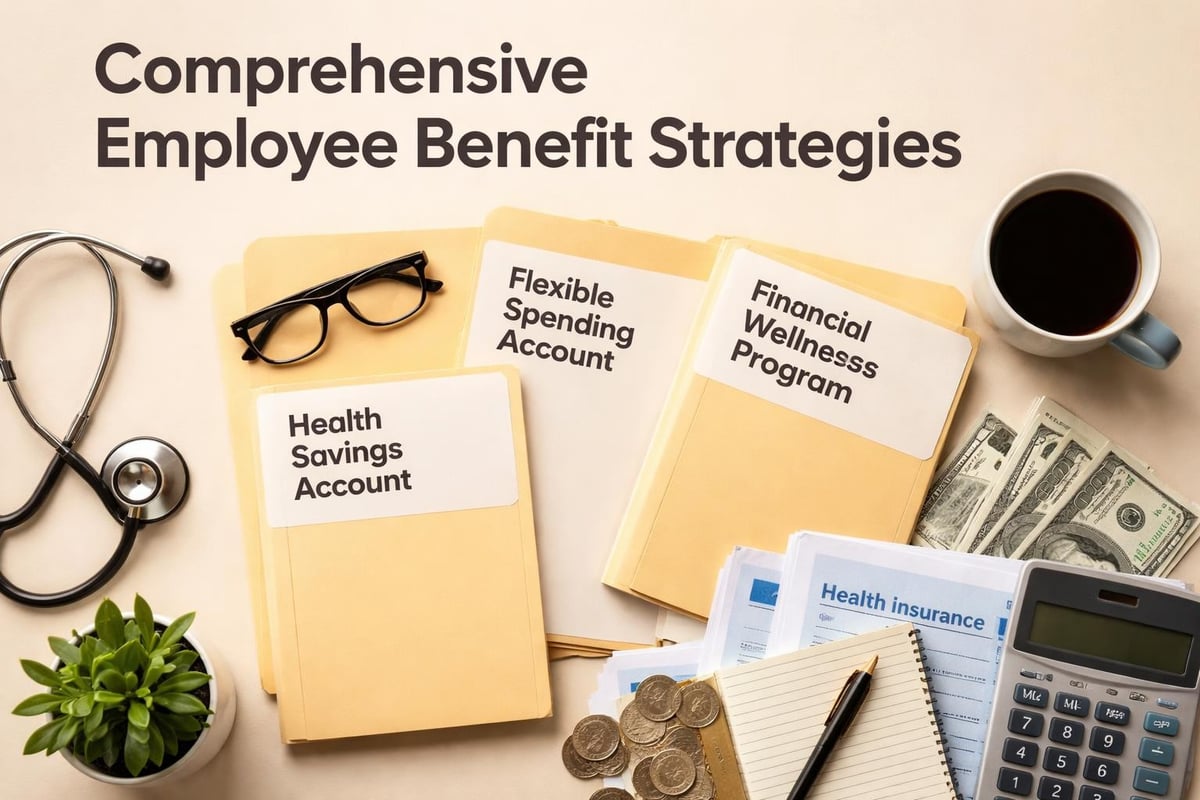
Employee Financial Wellness Programs
The tax savings from premium conversion can serve as a gateway to broader financial wellness conversations. When employees see tangible benefits in their paychecks, they become more receptive to other financial health initiatives.
Organizations can leverage this momentum by offering:
- Financial planning resources and counseling
- Retirement planning assistance
- Debt management guidance
- Emergency savings programs
Our team at Nero and Associates recognizes that employee financial wellness directly impacts productivity, engagement, and retention. Integrating premium conversion into holistic wellness strategies creates compounding benefits for both employees and employers.
Technology and Automation in Premium Conversion Management
Modern benefits administration demands technological solutions that reduce manual effort while increasing accuracy. Premium conversion management particularly benefits from automation given its recurring nature and compliance requirements.
Payroll System Integration
Seamless integration between benefits enrollment platforms and payroll systems eliminates duplicate data entry and reduces errors. Advanced systems automatically:
- Transfer employee elections to payroll
- Calculate pre-tax deduction amounts
- Adjust deductions for qualifying life events
- Generate required compliance reports
- Track annual contribution limits
These capabilities reduce administrative burden while ensuring accuracy in every pay period. For organizations processing payroll for hundreds or thousands of employees, automation transforms premium conversion from a time-intensive task into a streamlined process.
Employee Self-Service Portals
Modern employees expect digital self-service capabilities. Premium conversion administration benefits significantly from employee portals that enable workers to:
- Review current benefit elections and premium amounts
- Calculate potential tax savings from pre-tax premium payments
- Submit qualifying life event documentation electronically
- Update dependent information and coverage levels
- Access educational resources about premium conversion benefits
These portals reduce HR inquiries while empowering employees to manage their benefits independently. The transparency builds trust and engagement with the benefits program.
Real-World Applications Across Industries
Premium conversion delivers value across diverse industry sectors, though implementation details vary based on workforce characteristics and operational structures.
Hospitality Sector Benefits Optimization
The hospitality industry faces unique workforce challenges including high turnover, varied employment schedules, and diverse employee demographics. Premium conversion offers particular value in this environment by making benefits more affordable for employees at all income levels.
Organizations focused on optimizing hospitality employee benefits find that premium conversion increases benefits participation rates. When employees see lower out-of-pocket costs through tax savings, they're more likely to enroll in health coverage rather than declining benefits.
This increased participation benefits both employees and employers. Healthier, insured employees take fewer unplanned absences and demonstrate higher productivity during shifts.
Healthcare Provider Implementation
Healthcare organizations often employ large, diverse workforces spanning clinical and administrative roles. Premium conversion complements these organizations' focus on employee health and wellness.
For healthcare providers already managing complex revenue cycle management processes, adding premium conversion administration requires minimal additional effort when proper systems are in place.
Healthcare employers can leverage their expertise in health benefits to educate employees thoroughly about premium conversion advantages, potentially achieving higher participation rates than other industries.
State-Specific Considerations and Variations
While premium conversion operates under federal tax law, state-level variations affect implementation and employee benefits. Organizations with multi-state operations must navigate these complexities carefully.
State Tax Treatment Differences
Most states follow federal tax treatment and exclude premium conversion contributions from state income tax. However, several states treat these contributions differently:
States requiring specific attention:
- New Jersey applies state income tax to certain pre-tax benefits
- Pennsylvania taxes some health insurance premiums at the state level
- California has specific rules for state disability insurance calculations
Organizations must configure payroll systems to accommodate these state-specific requirements. Failure to properly handle state tax treatment can create compliance issues and employee confusion.
Public Sector Premium Conversion Programs
Government employers at federal, state, and local levels extensively utilize premium conversion. The Iowa Department of Administrative Services provides a model for state-level implementation, offering clear guidance on eligibility and enrollment.
Similarly, the University of Hawaii’s premium conversion program demonstrates how educational institutions implement these plans for diverse employee populations.
Municipal governments like New York City operate sophisticated premium conversion programs serving tens of thousands of employees across multiple agencies and departments.
Measuring Success and Optimizing Participation
Implementing premium conversion is just the beginning. Organizations should continuously measure program effectiveness and optimize participation rates to maximize benefits for all stakeholders.
Key Performance Indicators for Premium Conversion Programs
Essential metrics to track:
- Participation rate: Percentage of eligible employees enrolled in premium conversion
- Average monthly tax savings per employee: Calculated benefit per participant
- Employer FICA tax savings: Direct organizational financial benefit
- Administrative time per enrollment period: Efficiency of program management
- Employee satisfaction scores: Measured through benefits surveys
- Error rate in premium deductions: Quality and accuracy measure
Organizations should establish baseline measurements at implementation and track these metrics quarterly. Trends reveal opportunities for improvement and demonstrate program value to organizational leadership.
Strategies to Increase Employee Participation
Despite obvious financial benefits, not all eligible employees participate in premium conversion. Common barriers include lack of understanding, enrollment complexity, or concerns about flexibility.
Effective participation strategies include:
- Personalized benefits statements showing individual tax savings calculations
- One-on-one enrollment assistance during open enrollment periods
- Peer testimonials from employees who benefit from the program
- Mobile-friendly enrollment tools accommodating diverse work environments
- Multi-channel communication campaigns using email, video, and in-person sessions
Organizations that invest in education and streamlined enrollment processes consistently achieve participation rates above 90%, maximizing program benefits across the workforce.
Advanced Premium Conversion Strategies
Sophisticated organizations move beyond basic premium conversion implementation to develop advanced strategies that compound benefits and integrate with other organizational initiatives.
Predictive Analytics for Benefits Planning
Modern analytics capabilities enable organizations to model premium conversion impacts before implementation. These projections help leadership understand:
- Expected employer tax savings across different participation scenarios
- Employee segments most likely to benefit from participation
- Optimal communication strategies based on workforce demographics
- Integration opportunities with other benefits initiatives
Data-driven approaches to premium conversion planning increase implementation success rates and accelerate employee adoption.
Integration with Artificial Intelligence and Automation
Organizations leveraging AI and automation solutions can enhance premium conversion administration significantly. Intelligent systems can:
- Predict eligible employees based on benefits elections
- Automatically generate personalized savings calculations
- Send targeted communications based on employee behavior
- Flag potential compliance issues before they become problems
- Optimize enrollment workflows based on usage patterns
These technologies reduce administrative burden by thousands of hours annually while improving accuracy and employee experience. For organizations committed to operational efficiency, AI-enhanced benefits administration represents a natural evolution.
Premium conversion delivers measurable financial benefits to both employers and employees while requiring minimal ongoing administrative effort once proper systems are established. By reducing tax obligations and increasing take-home pay, this strategy enhances overall compensation packages without increasing organizational costs. Nero and Associates, Inc. helps organizations implement comprehensive benefits strategies that leverage premium conversion alongside advanced automation and human capital management solutions, enabling businesses to save costs, save time, and improve employee financial wellness across their entire workforce.