

Zero Deductible: What It Means for Your Business

Share on Facebook
Share on X
Share on LinkedIn

Understanding insurance options is critical for organizations seeking to optimize their employee benefits packages while managing costs effectively. A zero deductible plan represents a specific insurance structure that eliminates the initial out-of-pocket expense employees must pay before coverage begins. For businesses focused on employee wellness and financial health, this approach offers distinct advantages and considerations that impact both organizational budgets and workforce satisfaction.

Understanding Zero Deductible Insurance Plans

A zero deductible insurance policy means the insurer begins paying for covered services immediately, without requiring the policyholder to meet a minimum threshold of expenses first. Traditional insurance plans typically require individuals to pay a specific amount-such as $1,000 or $2,500-before the insurance company covers additional costs.

With a zero deductible structure, this initial payment barrier disappears entirely. When an employee visits a doctor, fills a prescription, or receives medical treatment, the insurance coverage activates immediately according to the policy terms.

How Zero Deductible Plans Function

The mechanics of zero-deductible health insurance differ significantly from standard plans. Employees pay their premiums and any applicable copayments or coinsurance, but they never encounter that first large expense hurdle.

This structure creates predictability in healthcare costs. Employees know exactly what they'll pay for each service based on copayment schedules rather than wondering whether they've met their deductible threshold.
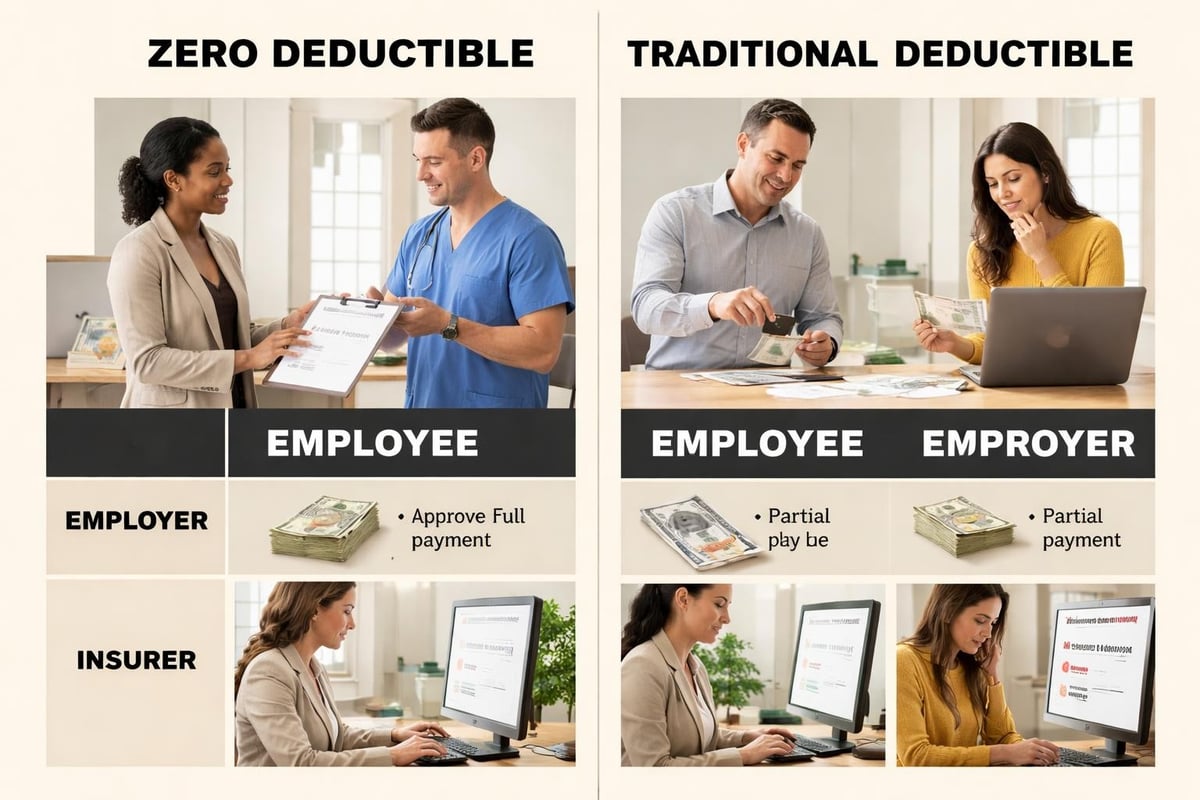
Zero deductible payment flow

Key characteristics of zero deductible plans include:

  • Immediate coverage activation upon receiving services
  • Higher monthly premium costs compared to plans with deductibles
  • Simplified cost structure with predictable copayments
  • Reduced financial barriers to seeking preventive care
  • Lower unexpected out-of-pocket expenses for employees

Financial Implications for Organizations

When evaluating zero deductible options for employee benefits packages, organizations must weigh several financial factors. The most immediate consideration is the premium differential between zero deductible plans and those with standard deductibles.

Premium costs for zero deductible coverage typically run 15-40% higher than comparable plans with deductibles of $1,000 or more. For a mid-sized company with 200 employees, this difference can translate to tens of thousands of dollars annually in additional insurance expenses.

Plan Type Average Monthly Premium (Single) Average Monthly Premium (Family) Annual Cost Difference (200 employees)
$1,500 Deductible $450 $1,200 Baseline
$500 Deductible $550 $1,400 $240,000
Zero Deductible $650 $1,650 $480,000

However, these premium increases must be evaluated against potential cost savings in other areas. Organizations that implement business automation solutions often find budget flexibility for enhanced benefits packages.

Return on Investment Considerations

The financial impact of zero deductible plans extends beyond premium calculations. Companies must assess how these plans influence employee productivity, retention, and overall workforce health.

Research consistently demonstrates that employees with zero deductible coverage seek preventive care more frequently. They're less likely to delay treatment due to cost concerns, potentially catching health issues earlier when they're less expensive to treat.

Organizations should evaluate:

  1. Reduced absenteeism from untreated health conditions
  2. Lower turnover costs when competitive benefits attract talent
  3. Decreased emergency room utilization as preventive care increases
  4. Improved employee morale and satisfaction metrics
  5. Potential workers' compensation claim reductions

Impact on Employee Financial Wellness

Financial stress significantly affects employee productivity and engagement. When workers face substantial healthcare deductibles, they often make difficult choices between seeking necessary care and managing household budgets.

A zero deductible approach eliminates this specific stressor. Employees can access healthcare services without calculating whether they can afford the upfront costs before insurance begins covering expenses.

This financial predictability aligns directly with comprehensive employee wellness initiatives. Organizations committed to supporting their workforce's financial health often find that understanding insurance structures helps them design more effective benefits packages.

Mental Health and Wellness Benefits

The connection between financial stress and mental health is well-documented. Employees worrying about meeting insurance deductibles experience anxiety that impacts their work performance and personal well-being.

Zero deductible plans reduce this anxiety by removing uncertainty from the healthcare cost equation. Employees know their copayment amounts and can budget accordingly without fearing unexpected large expenses.

For companies focused on holistic employee wellness, this psychological benefit represents significant value beyond the direct financial calculations. When organizations invest in automating payroll and benefits administration, they can more efficiently manage these enhanced benefits structures.

Employee wellness impact

Strategic Considerations for Implementation

Organizations considering zero deductible options must approach the decision strategically, evaluating their specific workforce demographics and healthcare utilization patterns.

Younger, healthier employee populations may not fully utilize zero deductible benefits, making the premium increase less cost-effective. Conversely, organizations with older workforces or employees managing chronic conditions often see substantial value from immediate coverage access.

Analyzing Workforce Healthcare Needs

Before committing to a zero deductible structure, conduct thorough analysis of your organization's healthcare utilization data. Review claims histories, identify high-cost conditions, and assess patterns in preventive care usage.

Data points to examine include:

  • Average annual healthcare costs per employee
  • Percentage of employees meeting current deductibles
  • Emergency room utilization rates
  • Chronic condition prevalence and management
  • Preventive care participation rates
  • Prescription medication usage patterns

This analysis provides the foundation for informed decision-making. Organizations may discover that targeted zero deductible options for specific coverage areas (such as preventive care or prescription drugs) offer better value than comprehensive zero deductible structures.

Comparing Zero Deductible to Alternative Structures

The insurance marketplace offers various approaches to managing deductibles and out-of-pocket costs. Understanding how zero-deductible policies compare to alternatives helps organizations make informed choices.

Health Savings Account (HSA) compatible plans represent the opposite approach, pairing high deductibles with tax-advantaged savings accounts. These plans work well for financially secure employees who can afford to fund HSAs and prefer lower premiums.

Feature Zero Deductible Low Deductible ($500) High Deductible + HSA
Monthly Premium Highest Moderate Lowest
Upfront Costs None $500 $3,000+
Predictability High Moderate Low
Tax Advantages None None Significant
Best For Frequent care users Average utilization Healthy, high earners

Some organizations offer tiered benefits packages, allowing employees to choose between zero deductible options and higher-deductible plans based on their individual circumstances and preferences.

Hybrid Approaches and Customization

Progressive organizations increasingly adopt hybrid strategies that combine elements of different insurance structures. These might include zero deductible coverage for specific services while maintaining deductibles for others.

Common hybrid configurations include:

  1. Zero deductible for preventive care and primary visits
  2. Standard deductibles for specialist care and procedures
  3. Separate zero deductible prescription drug coverage
  4. No deductible for chronic disease management programs
  5. Zero deductible for mental health services

This customization allows organizations to control costs while removing financial barriers for the healthcare services they most want to encourage.
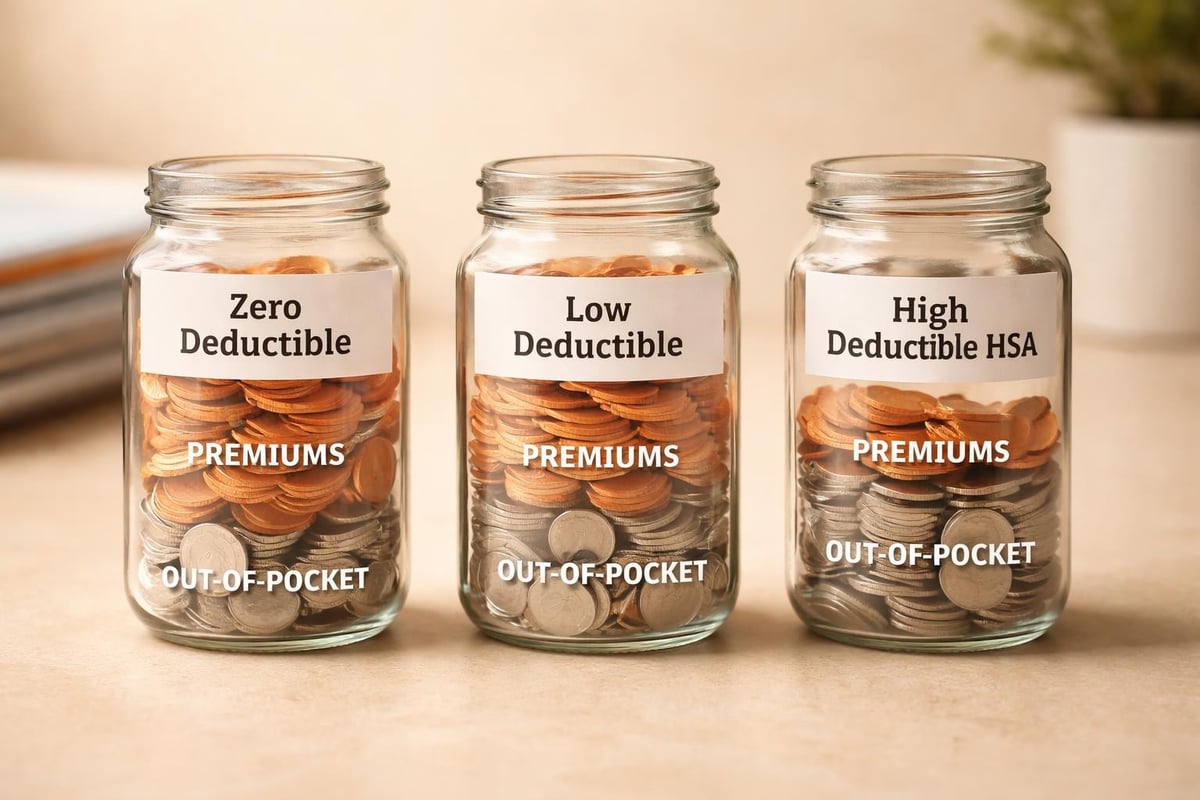
Insurance plan comparison

Administrative and Operational Considerations

Implementing zero deductible plans affects multiple organizational systems and processes. Benefits administration becomes somewhat simpler because tracking whether individual employees have met their deductibles is unnecessary.

However, the higher premium costs require careful budget planning and potentially adjustments to overall compensation strategies. Organizations must determine whether they'll absorb the entire premium increase or pass some costs to employees through higher payroll contributions.

Integration with Benefits Technology

Modern benefits administration platforms must accommodate zero deductible structures within their systems. When organizations leverage automation and integration technologies, they can more efficiently manage these plans alongside other benefits offerings.

The claims processing workflow changes slightly with zero deductible coverage. While traditional plans require tracking cumulative expenses against deductible thresholds, zero deductible plans process claims uniformly regardless of annual spending levels.

Technology considerations include:

  • Benefits enrollment systems that clearly explain zero deductible options
  • Payroll integration for accurate premium deduction processing
  • Employee self-service portals for coverage information access
  • Claims processing systems configured for immediate coverage
  • Reporting tools that track utilization and costs effectively

Organizations with sophisticated human capital management systems can seamlessly incorporate zero deductible plans into their benefits ecosystem, providing employees with transparent information about coverage and costs.

Communication Strategies for Employee Education

Even the most well-designed zero deductible benefits package delivers limited value if employees don't understand how it works. Effective communication is essential for ensuring workforce members recognize and utilize their coverage appropriately.

Many employees familiar with traditional insurance structures may not immediately grasp the zero deductible concept. They might assume there's still an initial cost barrier or fail to understand how the plan differs from previous coverage.

Developing Clear Educational Materials

Create comprehensive yet accessible materials that explain zero deductible coverage in practical terms. Avoid insurance jargon and focus on real-world scenarios that demonstrate how the coverage works.

Effective communication approaches include:

  • Side-by-side comparisons showing cost scenarios under different plan types
  • Video tutorials demonstrating how to use zero deductible coverage
  • Decision-support tools helping employees evaluate plan options
  • FAQ documents addressing common confusion points
  • One-on-one benefits counseling sessions during enrollment periods

Particularly emphasize the preventive care advantages of zero deductible coverage. When employees understand they can access wellness visits, screenings, and early interventions without upfront costs, they're more likely to utilize these services proactively.

Measuring Success and Adjusting Strategy

Organizations that implement zero deductible coverage should establish clear metrics for evaluating the program's effectiveness and return on investment. Without measurement frameworks, determining whether the higher premium costs deliver proportional value becomes difficult.

Track both quantitative and qualitative indicators of success. Financial metrics provide concrete data about costs and utilization, while employee satisfaction surveys reveal how the coverage affects workforce morale and perceived employer value.

Key performance indicators include:

  1. Healthcare utilization rate changes compared to previous years
  2. Preventive care service uptake percentages
  3. Employee satisfaction scores specifically related to health benefits
  4. Voluntary turnover rates and exit interview feedback
  5. Absenteeism trends and patterns
  6. Overall healthcare cost trends including premiums and claims
  7. Emergency room utilization rates

Review these metrics quarterly and conduct comprehensive annual assessments. Understanding how insurance structures work enables more sophisticated analysis of the data and identification of optimization opportunities.

Organizations may discover that zero deductible coverage works exceptionally well for certain employee segments but delivers marginal value for others. This insight can inform future benefits strategy adjustments and customization options.

Regulatory Compliance and Legal Considerations

Zero deductible health insurance plans must comply with all applicable federal and state regulations governing employer-sponsored coverage. The Affordable Care Act's essential health benefits requirements apply regardless of deductible structure.

Organizations should work closely with benefits consultants and legal advisors to ensure their zero deductible offerings meet all regulatory standards. This includes proper documentation, disclosure requirements, and adherence to non-discrimination rules.

Compliance areas requiring attention:

  • Minimum value and affordability calculations under ACA guidelines
  • Proper Form 1095-C reporting for applicable large employers
  • ERISA requirements for plan documentation and participant communications
  • HIPAA privacy protections for employee health information
  • State-specific insurance mandates and requirements

The administrative burden of compliance remains similar whether offering zero deductible or traditional coverage structures. However, clear documentation of plan provisions becomes particularly important when employees may have questions about coverage details.


Zero deductible insurance represents a strategic benefits option that can enhance employee financial wellness while supporting organizational productivity goals. By eliminating upfront cost barriers to healthcare access, these plans align with comprehensive workforce wellness initiatives focused on preventive care and early intervention.

At Nero and Associates, Inc., we help organizations optimize their human capital management strategies, including benefits design that supports employee health and financial wellness. Our performance-based approach ensures your benefits investments deliver measurable returns through improved employee satisfaction, reduced absenteeism, and enhanced organizational efficiency. Contact us to discover how strategic benefits optimization can raise your bottom line while empowering your workforce.

Zero Deductible: What It Means for Your Business

Understanding insurance options is critical for organizations seeking to optimize their employee benefits packages while managing costs effectively. A zero deductible plan represents a specific insurance structure that eliminates the initial out-of-pocket expense employees must pay before coverage begins. For businesses focused on employee wellness and financial health, this approach offers distinct advantages and considerations that impact both organizational budgets and workforce satisfaction.

Understanding Zero Deductible Insurance Plans

A zero deductible insurance policy means the insurer begins paying for covered services immediately, without requiring the policyholder to meet a minimum threshold of expenses first. Traditional insurance plans typically require individuals to pay a specific amount-such as $1,000 or $2,500-before the insurance company covers additional costs.

With a zero deductible structure, this initial payment barrier disappears entirely. When an employee visits a doctor, fills a prescription, or receives medical treatment, the insurance coverage activates immediately according to the policy terms.

How Zero Deductible Plans Function

The mechanics of zero-deductible health insurance differ significantly from standard plans. Employees pay their premiums and any applicable copayments or coinsurance, but they never encounter that first large expense hurdle.

This structure creates predictability in healthcare costs. Employees know exactly what they'll pay for each service based on copayment schedules rather than wondering whether they've met their deductible threshold.

Zero deductible payment flow

Key characteristics of zero deductible plans include:

  • Immediate coverage activation upon receiving services
  • Higher monthly premium costs compared to plans with deductibles
  • Simplified cost structure with predictable copayments
  • Reduced financial barriers to seeking preventive care
  • Lower unexpected out-of-pocket expenses for employees

Financial Implications for Organizations

When evaluating zero deductible options for employee benefits packages, organizations must weigh several financial factors. The most immediate consideration is the premium differential between zero deductible plans and those with standard deductibles.

Premium costs for zero deductible coverage typically run 15-40% higher than comparable plans with deductibles of $1,000 or more. For a mid-sized company with 200 employees, this difference can translate to tens of thousands of dollars annually in additional insurance expenses.

Plan Type Average Monthly Premium (Single) Average Monthly Premium (Family) Annual Cost Difference (200 employees)
$1,500 Deductible $450 $1,200 Baseline
$500 Deductible $550 $1,400 $240,000
Zero Deductible $650 $1,650 $480,000

However, these premium increases must be evaluated against potential cost savings in other areas. Organizations that implement business automation solutions often find budget flexibility for enhanced benefits packages.

Return on Investment Considerations

The financial impact of zero deductible plans extends beyond premium calculations. Companies must assess how these plans influence employee productivity, retention, and overall workforce health.

Research consistently demonstrates that employees with zero deductible coverage seek preventive care more frequently. They're less likely to delay treatment due to cost concerns, potentially catching health issues earlier when they're less expensive to treat.

Organizations should evaluate:

  1. Reduced absenteeism from untreated health conditions
  2. Lower turnover costs when competitive benefits attract talent
  3. Decreased emergency room utilization as preventive care increases
  4. Improved employee morale and satisfaction metrics
  5. Potential workers' compensation claim reductions

Impact on Employee Financial Wellness

Financial stress significantly affects employee productivity and engagement. When workers face substantial healthcare deductibles, they often make difficult choices between seeking necessary care and managing household budgets.

A zero deductible approach eliminates this specific stressor. Employees can access healthcare services without calculating whether they can afford the upfront costs before insurance begins covering expenses.

This financial predictability aligns directly with comprehensive employee wellness initiatives. Organizations committed to supporting their workforce's financial health often find that understanding insurance structures helps them design more effective benefits packages.

Mental Health and Wellness Benefits

The connection between financial stress and mental health is well-documented. Employees worrying about meeting insurance deductibles experience anxiety that impacts their work performance and personal well-being.

Zero deductible plans reduce this anxiety by removing uncertainty from the healthcare cost equation. Employees know their copayment amounts and can budget accordingly without fearing unexpected large expenses.

For companies focused on holistic employee wellness, this psychological benefit represents significant value beyond the direct financial calculations. When organizations invest in automating payroll and benefits administration, they can more efficiently manage these enhanced benefits structures.

Employee wellness impact

Strategic Considerations for Implementation

Organizations considering zero deductible options must approach the decision strategically, evaluating their specific workforce demographics and healthcare utilization patterns.

Younger, healthier employee populations may not fully utilize zero deductible benefits, making the premium increase less cost-effective. Conversely, organizations with older workforces or employees managing chronic conditions often see substantial value from immediate coverage access.

Analyzing Workforce Healthcare Needs

Before committing to a zero deductible structure, conduct thorough analysis of your organization's healthcare utilization data. Review claims histories, identify high-cost conditions, and assess patterns in preventive care usage.

Data points to examine include:

  • Average annual healthcare costs per employee
  • Percentage of employees meeting current deductibles
  • Emergency room utilization rates
  • Chronic condition prevalence and management
  • Preventive care participation rates
  • Prescription medication usage patterns

This analysis provides the foundation for informed decision-making. Organizations may discover that targeted zero deductible options for specific coverage areas (such as preventive care or prescription drugs) offer better value than comprehensive zero deductible structures.

Comparing Zero Deductible to Alternative Structures

The insurance marketplace offers various approaches to managing deductibles and out-of-pocket costs. Understanding how zero-deductible policies compare to alternatives helps organizations make informed choices.

Health Savings Account (HSA) compatible plans represent the opposite approach, pairing high deductibles with tax-advantaged savings accounts. These plans work well for financially secure employees who can afford to fund HSAs and prefer lower premiums.

Feature Zero Deductible Low Deductible ($500) High Deductible + HSA
Monthly Premium Highest Moderate Lowest
Upfront Costs None $500 $3,000+
Predictability High Moderate Low
Tax Advantages None None Significant
Best For Frequent care users Average utilization Healthy, high earners

Some organizations offer tiered benefits packages, allowing employees to choose between zero deductible options and higher-deductible plans based on their individual circumstances and preferences.

Hybrid Approaches and Customization

Progressive organizations increasingly adopt hybrid strategies that combine elements of different insurance structures. These might include zero deductible coverage for specific services while maintaining deductibles for others.

Common hybrid configurations include:

  1. Zero deductible for preventive care and primary visits
  2. Standard deductibles for specialist care and procedures
  3. Separate zero deductible prescription drug coverage
  4. No deductible for chronic disease management programs
  5. Zero deductible for mental health services

This customization allows organizations to control costs while removing financial barriers for the healthcare services they most want to encourage.

Insurance plan comparison

Administrative and Operational Considerations

Implementing zero deductible plans affects multiple organizational systems and processes. Benefits administration becomes somewhat simpler because tracking whether individual employees have met their deductibles is unnecessary.

However, the higher premium costs require careful budget planning and potentially adjustments to overall compensation strategies. Organizations must determine whether they'll absorb the entire premium increase or pass some costs to employees through higher payroll contributions.

Integration with Benefits Technology

Modern benefits administration platforms must accommodate zero deductible structures within their systems. When organizations leverage automation and integration technologies, they can more efficiently manage these plans alongside other benefits offerings.

The claims processing workflow changes slightly with zero deductible coverage. While traditional plans require tracking cumulative expenses against deductible thresholds, zero deductible plans process claims uniformly regardless of annual spending levels.

Technology considerations include:

  • Benefits enrollment systems that clearly explain zero deductible options
  • Payroll integration for accurate premium deduction processing
  • Employee self-service portals for coverage information access
  • Claims processing systems configured for immediate coverage
  • Reporting tools that track utilization and costs effectively

Organizations with sophisticated human capital management systems can seamlessly incorporate zero deductible plans into their benefits ecosystem, providing employees with transparent information about coverage and costs.

Communication Strategies for Employee Education

Even the most well-designed zero deductible benefits package delivers limited value if employees don't understand how it works. Effective communication is essential for ensuring workforce members recognize and utilize their coverage appropriately.

Many employees familiar with traditional insurance structures may not immediately grasp the zero deductible concept. They might assume there's still an initial cost barrier or fail to understand how the plan differs from previous coverage.

Developing Clear Educational Materials

Create comprehensive yet accessible materials that explain zero deductible coverage in practical terms. Avoid insurance jargon and focus on real-world scenarios that demonstrate how the coverage works.

Effective communication approaches include:

  • Side-by-side comparisons showing cost scenarios under different plan types
  • Video tutorials demonstrating how to use zero deductible coverage
  • Decision-support tools helping employees evaluate plan options
  • FAQ documents addressing common confusion points
  • One-on-one benefits counseling sessions during enrollment periods

Particularly emphasize the preventive care advantages of zero deductible coverage. When employees understand they can access wellness visits, screenings, and early interventions without upfront costs, they're more likely to utilize these services proactively.

Measuring Success and Adjusting Strategy

Organizations that implement zero deductible coverage should establish clear metrics for evaluating the program's effectiveness and return on investment. Without measurement frameworks, determining whether the higher premium costs deliver proportional value becomes difficult.

Track both quantitative and qualitative indicators of success. Financial metrics provide concrete data about costs and utilization, while employee satisfaction surveys reveal how the coverage affects workforce morale and perceived employer value.

Key performance indicators include:

  1. Healthcare utilization rate changes compared to previous years
  2. Preventive care service uptake percentages
  3. Employee satisfaction scores specifically related to health benefits
  4. Voluntary turnover rates and exit interview feedback
  5. Absenteeism trends and patterns
  6. Overall healthcare cost trends including premiums and claims
  7. Emergency room utilization rates

Review these metrics quarterly and conduct comprehensive annual assessments. Understanding how insurance structures work enables more sophisticated analysis of the data and identification of optimization opportunities.

Organizations may discover that zero deductible coverage works exceptionally well for certain employee segments but delivers marginal value for others. This insight can inform future benefits strategy adjustments and customization options.

Regulatory Compliance and Legal Considerations

Zero deductible health insurance plans must comply with all applicable federal and state regulations governing employer-sponsored coverage. The Affordable Care Act's essential health benefits requirements apply regardless of deductible structure.

Organizations should work closely with benefits consultants and legal advisors to ensure their zero deductible offerings meet all regulatory standards. This includes proper documentation, disclosure requirements, and adherence to non-discrimination rules.

Compliance areas requiring attention:

  • Minimum value and affordability calculations under ACA guidelines
  • Proper Form 1095-C reporting for applicable large employers
  • ERISA requirements for plan documentation and participant communications
  • HIPAA privacy protections for employee health information
  • State-specific insurance mandates and requirements

The administrative burden of compliance remains similar whether offering zero deductible or traditional coverage structures. However, clear documentation of plan provisions becomes particularly important when employees may have questions about coverage details.


Zero deductible insurance represents a strategic benefits option that can enhance employee financial wellness while supporting organizational productivity goals. By eliminating upfront cost barriers to healthcare access, these plans align with comprehensive workforce wellness initiatives focused on preventive care and early intervention.

At Nero and Associates, Inc., we help organizations optimize their human capital management strategies, including benefits design that supports employee health and financial wellness. Our performance-based approach ensures your benefits investments deliver measurable returns through improved employee satisfaction, reduced absenteeism, and enhanced organizational efficiency. Contact us to discover how strategic benefits optimization can raise your bottom line while empowering your workforce.

Website developed in accordance with Web Content Accessibility Guidelines 2.2.
If you encounter any issues while using this site, please contact us: 215.526.5126