
Competitive Benefits: Strategic Advantage in 2026

Share on Facebook
Share on X
Share on LinkedIn

The modern workplace has transformed dramatically, and with it, the expectations employees hold for their employers. Organizations that once viewed benefits as simple add-ons to salary packages now recognize them as strategic differentiators in attracting and retaining top talent. In 2026, competitive benefits have become essential tools for building high-performing teams, reducing turnover costs, and creating cultures where employees thrive both professionally and personally.

The Strategic Importance of Competitive Benefits

Organizations today face unprecedented challenges in talent acquisition and retention. The cost of replacing a single employee can range from 50% to 200% of their annual salary when factoring in recruitment, onboarding, and productivity loss. This financial reality makes offering competitive benefits not just a nice-to-have but a business imperative.

Competitive benefits packages serve multiple strategic purposes:

  • Attracting qualified candidates in tight labor markets
  • Reducing employee turnover and associated costs
  • Improving workforce productivity and engagement
  • Enhancing employer brand and market reputation
  • Supporting diversity, equity, and inclusion initiatives

The importance of competitive benefits packages in attracting top talent cannot be overstated, particularly when organizations compete for specialized skills and experience.
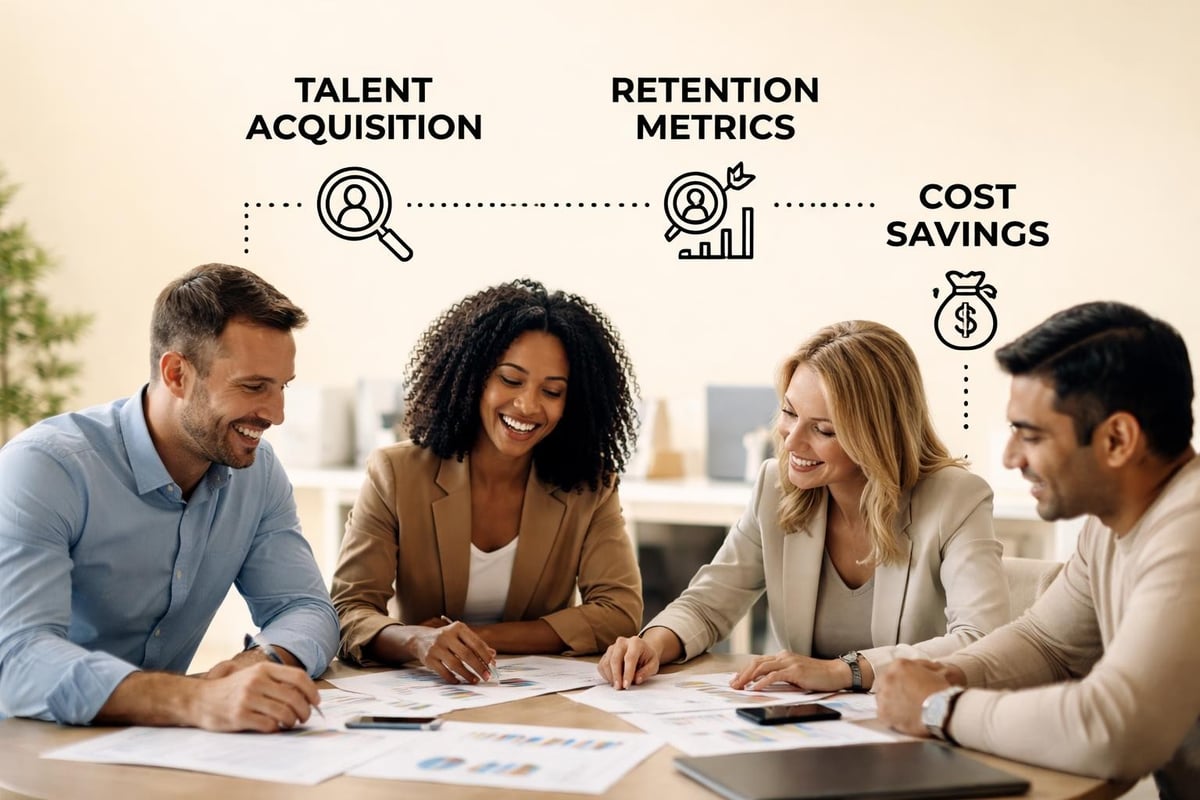
Strategic benefits framework

Benchmarking Against Market Standards

Creating truly competitive benefits requires understanding what other organizations in your industry and region offer. Benchmarking provides the foundation for strategic benefits design. Organizations must analyze competitor offerings, industry standards, and employee expectations to position their packages effectively.

Benchmarking Factor Key Considerations Impact on Competitiveness
Healthcare Coverage Premiums, deductibles, network breadth High – Primary decision factor
Retirement Plans Match percentage, vesting schedule High – Long-term retention tool
Paid Time Off Vacation days, sick leave, parental leave Medium – Work-life balance indicator
Professional Development Training budgets, tuition assistance Medium – Career growth signal
Wellness Programs Mental health, fitness, financial wellness Growing – Holistic support measure

Organizations that regularly review and adjust their offerings maintain their competitive edge. This requires ongoing market research, employee feedback collection, and willingness to evolve as workforce needs change.

Core Components of Competitive Benefits Packages

Building a comprehensive benefits package requires balancing traditional offerings with emerging employee needs. While healthcare and retirement remain foundational, modern workers increasingly value benefits that support their overall wellbeing and life circumstances.

Healthcare and Wellness Benefits

Healthcare benefits consistently rank as the most valued component of any compensation package. In 2026, employees expect more than basic medical coverage. They seek comprehensive solutions that address physical health, mental wellbeing, and preventive care.

Essential healthcare components include:

  • Medical, dental, and vision insurance with reasonable cost-sharing
  • Mental health services with expanded provider networks
  • Telehealth options for convenient access
  • Prescription drug coverage with transparent pricing
  • Preventive care programs that reduce long-term costs

Organizations investing in employee health and wellbeing initiatives see measurable returns through reduced absenteeism, improved productivity, and stronger employee engagement.

The integration of wellness programs extends beyond traditional healthcare. Financial wellness initiatives, stress management resources, and ergonomic workplace improvements all contribute to employee health outcomes. These holistic approaches recognize that employee wellbeing encompasses multiple dimensions of life.

Retirement and Financial Security

Financial security remains a top concern for employees across all generations. Competitive benefits packages must address both immediate financial needs and long-term retirement planning. Organizations that help employees build financial stability create loyalty and reduce financial stress that can impact workplace performance.

Retirement benefits have evolved significantly. Beyond traditional 401(k) plans, forward-thinking organizations now offer student loan repayment assistance, emergency savings programs, and financial planning services. The retirement planning trends for 2025 show increased focus on personalized financial guidance and flexible contribution options.

Financial benefits ecosystem

Work-Life Balance and Flexibility

The pandemic permanently shifted expectations around work flexibility. Employees now view flexible work arrangements as standard rather than perks. Competitive benefits packages must reflect this reality through policies that support work-life integration.

Key flexibility components:

  1. Remote work options with appropriate technology support
  2. Flexible scheduling that accommodates personal responsibilities
  3. Generous paid time off for vacation, illness, and personal needs
  4. Parental leave policies that support all family structures
  5. Sabbatical programs for long-term employees

Organizations offering robust flexibility benefits experience higher employee satisfaction scores and lower turnover rates. These policies signal trust in employees and recognition of their lives outside work.

Emerging Trends Shaping Competitive Benefits

The benefits landscape continues evolving as workforce demographics shift and new technologies emerge. Organizations that stay ahead of these trends position themselves as employers of choice.

Personalization and Choice

One-size-fits-all benefits packages no longer meet diverse workforce needs. Modern employees value choice and personalization in their benefits selections. This trend toward increased personalization of benefits offerings allows organizations to maximize the perceived value of their benefits investments.

Flexible benefits platforms enable employees to customize their packages based on life stage, family situation, and personal priorities. A young professional might prioritize student loan repayment and professional development, while a mid-career employee with children might value robust healthcare and dependent care assistance.

Technology Integration

Technology has transformed benefits administration and utilization. Mobile apps, AI-powered chatbots, and integrated platforms make benefits more accessible and easier to understand. These tools also provide valuable data on benefits usage patterns, helping organizations optimize their offerings.

Automation reduces administrative burden on HR teams while improving the employee experience. Self-service portals enable quick benefit changes, instant access to coverage information, and streamlined claims processes. Organizations leveraging technology in benefits delivery create more efficient operations and higher employee satisfaction.

Mental Health and Holistic Wellbeing

Mental health support has moved from optional to essential in competitive benefits packages. The importance of mental health support reflects growing awareness of mental health's impact on overall productivity and employee retention.

Mental Health Benefit Implementation Approach Employee Impact
Employee Assistance Programs Confidential counseling, crisis support Immediate access to professional help
Mental Health Days Dedicated PTO for mental wellbeing Reduced stigma, improved self-care
Therapy Coverage Expanded mental health provider networks Affordable ongoing treatment
Stress Management Resources Meditation apps, resilience training Proactive coping skill development
Manager Training Mental health awareness education Supportive workplace culture

Organizations addressing mental health comprehensively create psychologically safe workplaces where employees feel supported and valued.

Holistic wellbeing framework

Measuring Benefits Effectiveness

Offering competitive benefits represents significant organizational investment. Measuring return on this investment ensures resources align with business objectives and employee needs. Effective measurement combines quantitative metrics with qualitative feedback.

Key Performance Indicators

Organizations should track multiple metrics to assess benefits program effectiveness. Employee retention rates provide clear evidence of benefits impact on talent stability. Healthcare cost trends indicate whether wellness initiatives generate financial returns. Benefits utilization rates reveal which offerings employees value most.

Critical metrics include:

  • Employee turnover rate and associated replacement costs
  • Benefits enrollment percentages across offerings
  • Healthcare claims data and wellness program participation
  • Employee satisfaction scores specific to benefits
  • Time-to-fill metrics for open positions
  • Recruitment conversion rates

Regular analysis of these metrics enables data-driven benefits decisions. Organizations that continuously monitor and adjust their offerings maintain competitive positioning while controlling costs.

Employee Feedback and Engagement

Quantitative data tells only part of the story. Employee feedback provides essential qualitative insights into benefits effectiveness. Regular surveys, focus groups, and one-on-one conversations reveal what employees value, what they wish was different, and how benefits impact their lives.

Organizations should create multiple feedback channels to capture diverse perspectives. Annual benefits surveys measure overall satisfaction, while pulse surveys track reactions to new offerings. Exit interviews provide valuable information about whether benefits influenced departure decisions.

Implementing Competitive Benefits Strategically

Developing competitive benefits requires strategic planning, stakeholder engagement, and ongoing communication. Organizations must balance employee needs, budgetary constraints, and business objectives to create sustainable programs.

Budget Allocation and ROI Analysis

Benefits costs represent a substantial portion of total compensation expenses. Strategic allocation ensures maximum value from every dollar invested. Organizations should analyze which benefits drive the greatest employee satisfaction and business outcomes relative to their costs.

Cost-benefit analysis helps prioritize benefits investments. High-impact, moderate-cost benefits often deliver better ROI than expensive offerings with limited utilization. Regular financial reviews ensure benefits spending aligns with organizational priorities and market conditions.

The importance of offering competitive compensation and benefits extends beyond recruitment to fundamental business performance. Organizations viewing benefits as investments rather than expenses achieve superior talent outcomes.

Communication and Education

Even the most competitive benefits package fails if employees don't understand or utilize available offerings. Clear, consistent communication ensures employees recognize the value they receive and know how to access benefits when needed.

Effective benefits communication strategies:

  1. Multi-channel approach using email, intranet, mobile apps, and print materials
  2. Year-round education, not just during open enrollment
  3. Simple language that avoids insurance jargon and complex terminology
  4. Visual aids like infographics and videos that illustrate benefits usage
  5. Personalized communications showing individual benefits value

Organizations investing in benefits education see higher utilization rates and greater employee appreciation for their total compensation packages.

Industry-Specific Considerations

Different industries face unique challenges in designing competitive benefits. Professional services organizations must address specific workforce characteristics and expectations to attract and retain top consulting talent.

Professional Services Workforce Needs

Consultants and professional services employees often work demanding schedules with significant client interaction. Their benefits packages must reflect these realities while supporting work-life balance and professional development.

Project-based work environments require flexibility in benefits utilization. Comprehensive healthcare coverage becomes essential when employees experience high-stress periods. Professional development benefits support skill advancement necessary for career progression in consulting environments.

Financial wellness programs particularly benefit professional services employees who may experience variable income or commission structures. Retirement planning assistance helps these professionals build long-term security despite non-traditional compensation patterns.

Supporting Employee Empowerment

Modern competitive benefits empower employees to take proactive approaches to their health and financial wellbeing. This empowerment philosophy aligns with organizational goals of creating self-sufficient, engaged workforces that perform at high levels.

Benefits that support employee empowerment include access to preventive healthcare, financial planning tools, professional development opportunities, and mental health resources. These offerings enable employees to address challenges before they become crises, reducing organizational costs while improving individual outcomes.

Organizations can explore how employee benefits serve as competitive tools by examining trends in health initiatives, financial benefits, and paid leave policies that directly support employee empowerment.

The Future of Competitive Benefits

As we progress through 2026, competitive benefits will continue evolving in response to workforce demographics, technological advances, and changing employee expectations. Organizations that anticipate and adapt to these changes will maintain their competitive advantages in talent markets.

Artificial intelligence and automation will increasingly personalize benefits recommendations, predict employee needs, and streamline administrative processes. These technological advances will make benefits more accessible while reducing organizational overhead costs.

Demographic shifts will drive continued emphasis on benefits that support diverse life stages and family structures. Organizations will expand beyond traditional family definitions to support all employees equally, regardless of their personal circumstances.

The integration of benefits with broader organizational culture will deepen. Competitive benefits packages will reflect company values, support mission achievement, and reinforce desired workplace behaviors. This alignment creates authentic employee experiences where benefits support broader organizational objectives.


Competitive benefits have evolved from simple compensation add-ons to strategic tools that drive organizational performance, employee satisfaction, and business outcomes. Organizations that invest thoughtfully in comprehensive benefits packages position themselves for success in competitive talent markets while supporting employee wellbeing across multiple dimensions. Nero and Associates, Inc. helps organizations optimize their human capital management strategies, including benefits design and implementation that aligns with business objectives while empowering employees to achieve their full potential. Our performance-based approach ensures your benefits investments deliver measurable returns through improved retention, enhanced productivity, and stronger organizational culture.

Competitive Benefits: Strategic Advantage in 2026

The modern workplace has transformed dramatically, and with it, the expectations employees hold for their employers. Organizations that once viewed benefits as simple add-ons to salary packages now recognize them as strategic differentiators in attracting and retaining top talent. In 2026, competitive benefits have become essential tools for building high-performing teams, reducing turnover costs, and creating cultures where employees thrive both professionally and personally.

The Strategic Importance of Competitive Benefits

Organizations today face unprecedented challenges in talent acquisition and retention. The cost of replacing a single employee can range from 50% to 200% of their annual salary when factoring in recruitment, onboarding, and productivity loss. This financial reality makes offering competitive benefits not just a nice-to-have but a business imperative.

Competitive benefits packages serve multiple strategic purposes:

  • Attracting qualified candidates in tight labor markets
  • Reducing employee turnover and associated costs
  • Improving workforce productivity and engagement
  • Enhancing employer brand and market reputation
  • Supporting diversity, equity, and inclusion initiatives

The importance of competitive benefits packages in attracting top talent cannot be overstated, particularly when organizations compete for specialized skills and experience.

Strategic benefits framework

Benchmarking Against Market Standards

Creating truly competitive benefits requires understanding what other organizations in your industry and region offer. Benchmarking provides the foundation for strategic benefits design. Organizations must analyze competitor offerings, industry standards, and employee expectations to position their packages effectively.

Benchmarking Factor Key Considerations Impact on Competitiveness
Healthcare Coverage Premiums, deductibles, network breadth High – Primary decision factor
Retirement Plans Match percentage, vesting schedule High – Long-term retention tool
Paid Time Off Vacation days, sick leave, parental leave Medium – Work-life balance indicator
Professional Development Training budgets, tuition assistance Medium – Career growth signal
Wellness Programs Mental health, fitness, financial wellness Growing – Holistic support measure

Organizations that regularly review and adjust their offerings maintain their competitive edge. This requires ongoing market research, employee feedback collection, and willingness to evolve as workforce needs change.

Core Components of Competitive Benefits Packages

Building a comprehensive benefits package requires balancing traditional offerings with emerging employee needs. While healthcare and retirement remain foundational, modern workers increasingly value benefits that support their overall wellbeing and life circumstances.

Healthcare and Wellness Benefits

Healthcare benefits consistently rank as the most valued component of any compensation package. In 2026, employees expect more than basic medical coverage. They seek comprehensive solutions that address physical health, mental wellbeing, and preventive care.

Essential healthcare components include:

  • Medical, dental, and vision insurance with reasonable cost-sharing
  • Mental health services with expanded provider networks
  • Telehealth options for convenient access
  • Prescription drug coverage with transparent pricing
  • Preventive care programs that reduce long-term costs

Organizations investing in employee health and wellbeing initiatives see measurable returns through reduced absenteeism, improved productivity, and stronger employee engagement.

The integration of wellness programs extends beyond traditional healthcare. Financial wellness initiatives, stress management resources, and ergonomic workplace improvements all contribute to employee health outcomes. These holistic approaches recognize that employee wellbeing encompasses multiple dimensions of life.

Retirement and Financial Security

Financial security remains a top concern for employees across all generations. Competitive benefits packages must address both immediate financial needs and long-term retirement planning. Organizations that help employees build financial stability create loyalty and reduce financial stress that can impact workplace performance.

Retirement benefits have evolved significantly. Beyond traditional 401(k) plans, forward-thinking organizations now offer student loan repayment assistance, emergency savings programs, and financial planning services. The retirement planning trends for 2025 show increased focus on personalized financial guidance and flexible contribution options.

Financial benefits ecosystem

Work-Life Balance and Flexibility

The pandemic permanently shifted expectations around work flexibility. Employees now view flexible work arrangements as standard rather than perks. Competitive benefits packages must reflect this reality through policies that support work-life integration.

Key flexibility components:

  1. Remote work options with appropriate technology support
  2. Flexible scheduling that accommodates personal responsibilities
  3. Generous paid time off for vacation, illness, and personal needs
  4. Parental leave policies that support all family structures
  5. Sabbatical programs for long-term employees

Organizations offering robust flexibility benefits experience higher employee satisfaction scores and lower turnover rates. These policies signal trust in employees and recognition of their lives outside work.

Emerging Trends Shaping Competitive Benefits

The benefits landscape continues evolving as workforce demographics shift and new technologies emerge. Organizations that stay ahead of these trends position themselves as employers of choice.

Personalization and Choice

One-size-fits-all benefits packages no longer meet diverse workforce needs. Modern employees value choice and personalization in their benefits selections. This trend toward increased personalization of benefits offerings allows organizations to maximize the perceived value of their benefits investments.

Flexible benefits platforms enable employees to customize their packages based on life stage, family situation, and personal priorities. A young professional might prioritize student loan repayment and professional development, while a mid-career employee with children might value robust healthcare and dependent care assistance.

Technology Integration

Technology has transformed benefits administration and utilization. Mobile apps, AI-powered chatbots, and integrated platforms make benefits more accessible and easier to understand. These tools also provide valuable data on benefits usage patterns, helping organizations optimize their offerings.

Automation reduces administrative burden on HR teams while improving the employee experience. Self-service portals enable quick benefit changes, instant access to coverage information, and streamlined claims processes. Organizations leveraging technology in benefits delivery create more efficient operations and higher employee satisfaction.

Mental Health and Holistic Wellbeing

Mental health support has moved from optional to essential in competitive benefits packages. The importance of mental health support reflects growing awareness of mental health's impact on overall productivity and employee retention.

Mental Health Benefit Implementation Approach Employee Impact
Employee Assistance Programs Confidential counseling, crisis support Immediate access to professional help
Mental Health Days Dedicated PTO for mental wellbeing Reduced stigma, improved self-care
Therapy Coverage Expanded mental health provider networks Affordable ongoing treatment
Stress Management Resources Meditation apps, resilience training Proactive coping skill development
Manager Training Mental health awareness education Supportive workplace culture

Organizations addressing mental health comprehensively create psychologically safe workplaces where employees feel supported and valued.

Holistic wellbeing framework

Measuring Benefits Effectiveness

Offering competitive benefits represents significant organizational investment. Measuring return on this investment ensures resources align with business objectives and employee needs. Effective measurement combines quantitative metrics with qualitative feedback.

Key Performance Indicators

Organizations should track multiple metrics to assess benefits program effectiveness. Employee retention rates provide clear evidence of benefits impact on talent stability. Healthcare cost trends indicate whether wellness initiatives generate financial returns. Benefits utilization rates reveal which offerings employees value most.

Critical metrics include:

  • Employee turnover rate and associated replacement costs
  • Benefits enrollment percentages across offerings
  • Healthcare claims data and wellness program participation
  • Employee satisfaction scores specific to benefits
  • Time-to-fill metrics for open positions
  • Recruitment conversion rates

Regular analysis of these metrics enables data-driven benefits decisions. Organizations that continuously monitor and adjust their offerings maintain competitive positioning while controlling costs.

Employee Feedback and Engagement

Quantitative data tells only part of the story. Employee feedback provides essential qualitative insights into benefits effectiveness. Regular surveys, focus groups, and one-on-one conversations reveal what employees value, what they wish was different, and how benefits impact their lives.

Organizations should create multiple feedback channels to capture diverse perspectives. Annual benefits surveys measure overall satisfaction, while pulse surveys track reactions to new offerings. Exit interviews provide valuable information about whether benefits influenced departure decisions.

Implementing Competitive Benefits Strategically

Developing competitive benefits requires strategic planning, stakeholder engagement, and ongoing communication. Organizations must balance employee needs, budgetary constraints, and business objectives to create sustainable programs.

Budget Allocation and ROI Analysis

Benefits costs represent a substantial portion of total compensation expenses. Strategic allocation ensures maximum value from every dollar invested. Organizations should analyze which benefits drive the greatest employee satisfaction and business outcomes relative to their costs.

Cost-benefit analysis helps prioritize benefits investments. High-impact, moderate-cost benefits often deliver better ROI than expensive offerings with limited utilization. Regular financial reviews ensure benefits spending aligns with organizational priorities and market conditions.

The importance of offering competitive compensation and benefits extends beyond recruitment to fundamental business performance. Organizations viewing benefits as investments rather than expenses achieve superior talent outcomes.

Communication and Education

Even the most competitive benefits package fails if employees don't understand or utilize available offerings. Clear, consistent communication ensures employees recognize the value they receive and know how to access benefits when needed.

Effective benefits communication strategies:

  1. Multi-channel approach using email, intranet, mobile apps, and print materials
  2. Year-round education, not just during open enrollment
  3. Simple language that avoids insurance jargon and complex terminology
  4. Visual aids like infographics and videos that illustrate benefits usage
  5. Personalized communications showing individual benefits value

Organizations investing in benefits education see higher utilization rates and greater employee appreciation for their total compensation packages.

Industry-Specific Considerations

Different industries face unique challenges in designing competitive benefits. Professional services organizations must address specific workforce characteristics and expectations to attract and retain top consulting talent.

Professional Services Workforce Needs

Consultants and professional services employees often work demanding schedules with significant client interaction. Their benefits packages must reflect these realities while supporting work-life balance and professional development.

Project-based work environments require flexibility in benefits utilization. Comprehensive healthcare coverage becomes essential when employees experience high-stress periods. Professional development benefits support skill advancement necessary for career progression in consulting environments.

Financial wellness programs particularly benefit professional services employees who may experience variable income or commission structures. Retirement planning assistance helps these professionals build long-term security despite non-traditional compensation patterns.

Supporting Employee Empowerment

Modern competitive benefits empower employees to take proactive approaches to their health and financial wellbeing. This empowerment philosophy aligns with organizational goals of creating self-sufficient, engaged workforces that perform at high levels.

Benefits that support employee empowerment include access to preventive healthcare, financial planning tools, professional development opportunities, and mental health resources. These offerings enable employees to address challenges before they become crises, reducing organizational costs while improving individual outcomes.

Organizations can explore how employee benefits serve as competitive tools by examining trends in health initiatives, financial benefits, and paid leave policies that directly support employee empowerment.

The Future of Competitive Benefits

As we progress through 2026, competitive benefits will continue evolving in response to workforce demographics, technological advances, and changing employee expectations. Organizations that anticipate and adapt to these changes will maintain their competitive advantages in talent markets.

Artificial intelligence and automation will increasingly personalize benefits recommendations, predict employee needs, and streamline administrative processes. These technological advances will make benefits more accessible while reducing organizational overhead costs.

Demographic shifts will drive continued emphasis on benefits that support diverse life stages and family structures. Organizations will expand beyond traditional family definitions to support all employees equally, regardless of their personal circumstances.

The integration of benefits with broader organizational culture will deepen. Competitive benefits packages will reflect company values, support mission achievement, and reinforce desired workplace behaviors. This alignment creates authentic employee experiences where benefits support broader organizational objectives.


Competitive benefits have evolved from simple compensation add-ons to strategic tools that drive organizational performance, employee satisfaction, and business outcomes. Organizations that invest thoughtfully in comprehensive benefits packages position themselves for success in competitive talent markets while supporting employee wellbeing across multiple dimensions. Nero and Associates, Inc. helps organizations optimize their human capital management strategies, including benefits design and implementation that aligns with business objectives while empowering employees to achieve their full potential. Our performance-based approach ensures your benefits investments deliver measurable returns through improved retention, enhanced productivity, and stronger organizational culture.

Website developed in accordance with Web Content Accessibility Guidelines 2.2.
If you encounter any issues while using this site, please contact us: 215.526.5126