

Organizations today generate massive amounts of employee data, yet many struggle to extract meaningful insights from this information. Human resources analytics has emerged as a critical discipline that transforms raw workforce data into strategic intelligence, enabling companies to make evidence-based decisions about their most valuable asset: their people. By leveraging advanced analytics capabilities, businesses can identify patterns in employee behavior, predict future trends, and optimize operations to achieve measurable financial and operational outcomes.
The Strategic Foundation of HR Analytics
HR analytics represents the systematic collection, analysis, and application of workforce data to improve business performance. This discipline extends far beyond simple headcount reporting or turnover calculations. Modern approaches integrate multiple data sources to reveal the complex relationships between employee engagement, productivity, compensation structures, and organizational success.
The evolution from basic reporting to predictive modeling has fundamentally changed how organizations approach human capital management. Companies now use sophisticated algorithms to forecast which employees are at risk of leaving, identify skill gaps before they impact operations, and determine the optimal compensation strategies that balance cost control with talent retention.
Building a Data-Driven HR Function
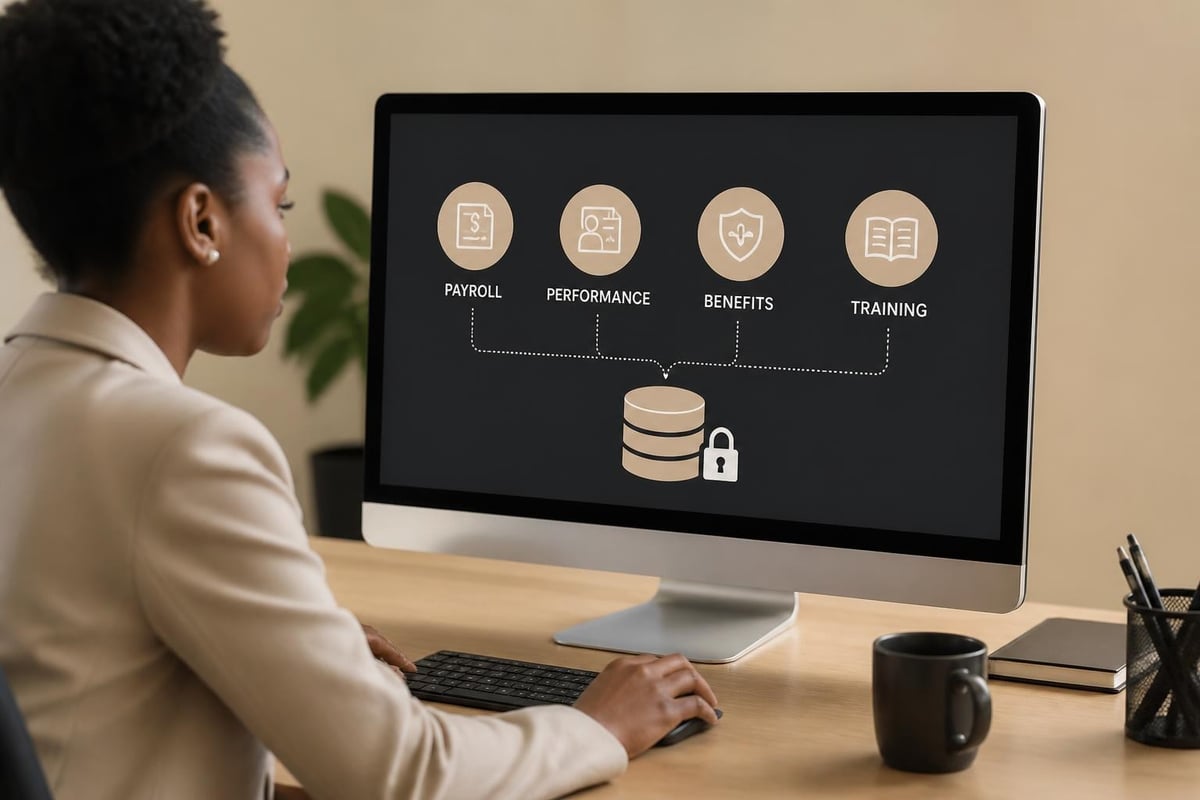
Implementing effective hr analytics requires both technological infrastructure and cultural transformation. Organizations must invest in systems that can integrate payroll data, performance reviews, training records, benefits utilization, and external benchmarking information into a unified analytical framework.
The human element remains equally important. HR professionals need training in statistical analysis, data visualization, and business intelligence tools. Cross-functional collaboration between HR, IT, and finance teams ensures that analytics initiatives align with broader organizational objectives and deliver actionable insights rather than just interesting statistics.
Key components of a successful analytics program include:
- Clean, standardized data collection processes across all HR functions
- Secure data warehousing that maintains employee privacy and regulatory compliance
- Analytics platforms that enable both historical reporting and predictive modeling
- Clear governance structures defining who can access what information
- Training programs that build analytical literacy throughout the organization
Measuring What Matters: Core HR Analytics Metrics
Organizations must focus their analytical efforts on metrics that directly influence business outcomes. While tracking every possible data point may seem comprehensive, it often leads to analysis paralysis. Strategic hr analytics identifies the vital few indicators that truly predict and drive performance.
Financial Impact Metrics
Cost per hire provides immediate visibility into recruitment efficiency. This metric encompasses advertising expenses, recruiter time, interview costs, background checks, and onboarding resources. Organizations with mature analytics capabilities segment this metric by role type, department, and hiring source to identify the most cost-effective talent acquisition channels.
Time to productivity measures how quickly new employees reach full performance capacity. This metric directly impacts revenue generation and operational efficiency. Companies that systematically track this indicator can test different onboarding approaches, mentorship programs, and training interventions to accelerate the value realization from new hires.
| Metric Category | Primary Indicators | Business Impact |
|---|---|---|
| Acquisition | Cost per hire, source effectiveness, time to fill | Recruitment budget optimization |
| Retention | Voluntary turnover rate, retention by manager, flight risk scores | Reduced replacement costs, knowledge preservation |
| Performance | Revenue per employee, goal achievement rates, performance distribution | Productivity enhancement, talent development focus |
| Engagement | Satisfaction scores, participation rates, wellness utilization | Absenteeism reduction, discretionary effort |
Operational Excellence Indicators
Absenteeism patterns reveal potential issues with employee wellness, engagement, or workplace culture. Advanced analytics can correlate absences with factors like management style, workload intensity, seasonal patterns, and compensation satisfaction. Organizations that identify root causes can implement targeted interventions that improve attendance while simultaneously addressing underlying employee needs.
Span of control analysis examines how many direct reports each manager supervises. This seemingly simple metric influences communication effectiveness, decision-making speed, and employee development opportunities. According to research on talent analytics from SHRM, organizations with optimized management structures report higher employee engagement and faster innovation cycles.
Predictive Analytics: From Reactive to Proactive
The most sophisticated applications of hr analytics involve predicting future events before they occur. Predictive models analyze historical patterns to identify leading indicators of turnover, performance issues, or engagement declines. This forward-looking approach enables preemptive action rather than reactive damage control.
Turnover Prediction Models
Voluntary turnover costs organizations between 50% and 200% of an employee's annual salary when accounting for recruitment, training, lost productivity, and knowledge transfer. Predictive analytics identifies employees at high risk of departure based on factors including tenure, promotion frequency, compensation relative to market rates, manager relationship quality, and career development opportunities.
- Gather comprehensive employee data spanning demographics, performance history, compensation changes, promotion patterns, and engagement survey responses
- Identify historical turnover patterns by analyzing characteristics of employees who left voluntarily versus those who stayed
- Build predictive models using machine learning algorithms that assign flight risk scores to current employees
- Validate model accuracy by testing predictions against actual turnover outcomes and refining variables
- Create intervention protocols that engage high-risk employees through targeted retention strategies
Organizations implementing these models report 20-30% reductions in regretted turnover by focusing retention investments on employees most likely to leave and most critical to business operations.

Performance Forecasting
Performance prediction extends beyond identifying struggling employees. Advanced hr analytics can forecast which high performers are ready for expanded responsibilities, which teams would benefit from additional training investments, and how organizational changes might impact productivity across different departments.
By analyzing the characteristics of top performers, organizations develop profiles that guide both hiring and development strategies. These models consider not just individual capabilities but also team composition, manager effectiveness, and environmental factors that enable or constrain performance.
Artificial Intelligence and the Future of HR Analytics
Artificial intelligence is fundamentally reshaping how organizations approach workforce analytics. Machine learning algorithms can process vastly larger datasets and identify more complex patterns than traditional statistical methods. Research on AI-augmented human resource management demonstrates that German companies using AI for HR analytics report significant improvements in decision quality and operational efficiency.
Natural Language Processing Applications
Natural language processing (NLP) enables analysis of unstructured data sources like employee surveys, exit interviews, performance review comments, and internal communication patterns. These technologies extract sentiment, identify emerging themes, and detect changes in organizational culture that numerical metrics might miss.
NLP applications in workforce analytics:
- Analyzing exit interview transcripts to identify systemic turnover drivers
- Mining performance review language to detect unconscious bias patterns
- Monitoring employee communication for early signs of disengagement
- Evaluating job description effectiveness based on application quality and diversity
- Assessing training material comprehension through feedback analysis
Organizations leveraging these capabilities gain nuanced understanding of the employee experience that complements quantitative metrics with qualitative insights.
Automation and Real-Time Insights
Modern hr analytics platforms increasingly offer real-time dashboards that update continuously rather than requiring manual report generation. This immediate visibility enables faster intervention when issues emerge. When absenteeism spikes in a specific department, managers receive alerts and recommended actions before the problem escalates.
The integration of human capital management solutions with advanced analytics creates closed-loop systems where insights automatically trigger process improvements. For example, when analytics identify that employees receiving specific types of recognition demonstrate higher retention rates, the system can prompt managers to provide that recognition more frequently.
Privacy, Ethics, and Governance Considerations
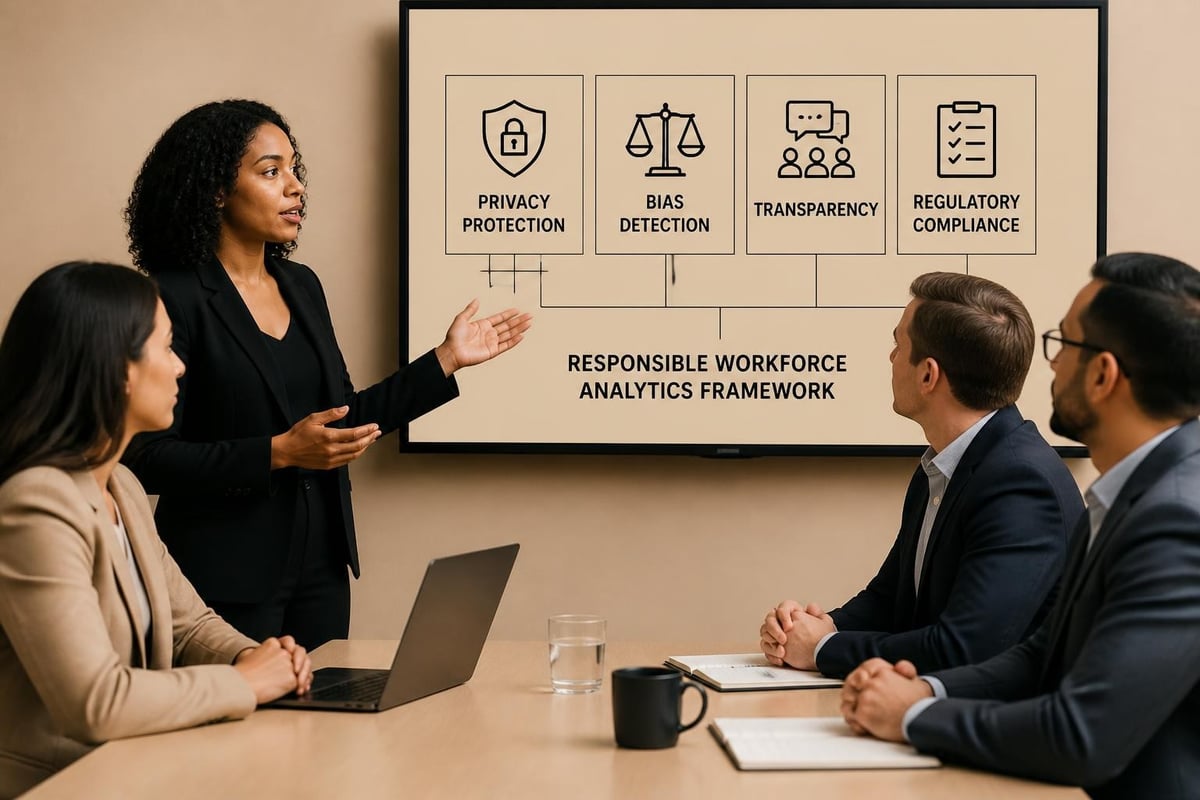
The power of hr analytics comes with significant responsibility regarding employee privacy and ethical data use. Organizations must balance the legitimate business need for workforce insights with individual rights to privacy and protection from algorithmic bias.
Regulatory Compliance Requirements
Data protection regulations like GDPR in Europe and various state-level privacy laws in the United States impose strict requirements on how organizations collect, store, and use employee information. HR analytics programs must implement technical controls ensuring that personal data is anonymized when possible, access is restricted to authorized personnel, and retention periods comply with legal requirements.
Transparency represents another critical dimension. Employees increasingly expect to know what data their employer collects about them, how it's analyzed, and how those analyses influence decisions affecting their careers. Progressive organizations develop clear policies explaining their analytics practices and provide employees access to their own data profiles.
| Privacy Principle | Implementation Approach | Business Benefit |
|---|---|---|
| Data Minimization | Collect only information necessary for specific analytical purposes | Reduced compliance risk, lower storage costs |
| Purpose Limitation | Use data exclusively for stated objectives, not secondary purposes | Maintained employee trust, clearer ROI measurement |
| Access Control | Role-based permissions limiting who can view sensitive information | Protected confidential data, audit trail creation |
| Accuracy | Regular data quality audits and employee verification opportunities | More reliable insights, improved decision quality |
Algorithmic Bias Detection
Analytical models can inadvertently perpetuate or amplify existing biases if not carefully designed and monitored. A study published in the Journal of Business Research on people analytics emphasizes the importance of continuous bias testing in analytics frameworks that influence hiring, promotion, and compensation decisions.
Organizations should regularly audit their predictive models to ensure they don't disadvantage protected groups based on race, gender, age, or other characteristics. This requires both statistical testing and qualitative review of how models are applied in practice.
Driving Business Value Through Strategic Implementation
Successful hr analytics initiatives directly contribute to organizational objectives rather than existing as isolated HR projects. The most effective programs align workforce insights with strategic priorities like revenue growth, cost optimization, innovation acceleration, or customer satisfaction improvement.
Connecting People Metrics to Business Outcomes
Organizations must establish clear linkages between HR metrics and financial performance. For example, employee engagement scores become strategically meaningful when correlated with customer satisfaction ratings, sales performance, or quality metrics. This connection demonstrates HR's impact on business results and secures executive support for analytics investments.
Companies in professional services, like those served by Nero and Associates, particularly benefit from analytics showing how employee utilization rates, expertise development, and retention influence client satisfaction and profit margins. These insights inform strategic workforce planning that aligns talent investments with market opportunities.
Healthcare Industry Applications
Healthcare organizations face unique challenges that hr analytics can address. High turnover among clinical staff directly impacts patient care quality and financial performance. Analytics identifying the drivers of nurse retention enable targeted interventions that simultaneously improve employee satisfaction and clinical outcomes.
Healthcare providers focused on revenue cycle management use workforce analytics to optimize billing department staffing levels, identify training needs that reduce claim denials, and predict capacity requirements based on patient volume forecasts. These applications demonstrate how HR analytics extends beyond traditional people metrics to influence core operational performance.
Building Organizational Analytics Capability
Developing mature hr analytics capabilities requires sustained investment across multiple dimensions. Organizations progress through distinct maturity stages, from basic descriptive reporting through diagnostic analysis and predictive modeling to prescriptive recommendations that guide decision-making.
Establishing the Right Team Structure
Dedicated analytics roles might include:
- HR data scientists who build predictive models and conduct advanced statistical analysis
- Business intelligence developers who create dashboards and reporting infrastructure
- HR business partners who translate analytical insights into actionable recommendations
- Data governance specialists who ensure compliance and data quality
- Change management professionals who drive adoption of data-driven decision-making
Smaller organizations may combine these roles or leverage external expertise from consulting partners specializing in operational efficiency to accelerate capability development without extensive internal hiring.
Technology Selection and Integration
The analytics technology landscape includes specialized HR analytics platforms, broader business intelligence tools, and cloud-based data warehousing solutions. Selection criteria should emphasize integration capabilities with existing HR systems, user-friendliness for non-technical stakeholders, scalability to accommodate growing data volumes, and vendor stability.
Integration represents a critical success factor. Analytics platforms must connect seamlessly with payroll systems, applicant tracking software, learning management platforms, benefits administration tools, and time tracking systems. Organizations with fragmented HR technology stacks often struggle to achieve comprehensive analytics because critical data remains siloed.
Measuring ROI and Continuous Improvement
HR analytics programs must demonstrate measurable value to maintain organizational support and funding. Return on investment calculations should account for both cost savings and revenue enhancement attributable to analytics-informed decisions.
Quantifiable benefits typically include:
- Reduced turnover costs through improved retention of critical talent
- Decreased time to fill open positions by optimizing recruitment channel investments
- Lower training expenses via targeted development interventions
- Improved productivity through better person-job fit matching
- Enhanced employee wellness leading to reduced healthcare costs and absenteeism
Organizations should establish baseline metrics before implementing new analytics capabilities, then track improvements over time. This approach provides clear evidence of impact and identifies areas requiring refinement.
Creating Feedback Loops
Effective hr analytics is iterative rather than static. Organizations must continually test assumptions, validate predictions against actual outcomes, and refine models based on new data. When a turnover prediction model fails to accurately forecast departures in a specific department, analysts should investigate why and adjust the model accordingly.
User feedback from managers and HR professionals using analytics tools provides valuable insights for improvement. Regular surveys and focus groups identify which reports deliver actionable value versus those that generate data without driving decisions. This feedback informs ongoing platform development and training priorities.
Actionable Steps for Getting Started
Organizations beginning their hr analytics journey should focus on quick wins that demonstrate value while building toward more sophisticated capabilities. Starting with readily available data and well-defined problems increases the likelihood of early success that builds momentum for broader initiatives.
Prioritizing Initial Use Cases
Select initial analytics projects based on business impact potential, data availability, and stakeholder support. Turnover reduction often represents an ideal starting point because the data exists in most HR systems, the financial impact is clear, and the insights interest both HR and business leaders.
Alternatively, organizations might begin with compensation analytics examining pay equity and market competitiveness. These analyses address compliance concerns, influence retention, and impact budget planning, making them strategically valuable across multiple dimensions.
| Initiative Type | Data Requirements | Expected Timeline | Primary Stakeholders |
|---|---|---|---|
| Turnover Analysis | HRIS records, exit interviews, performance data | 2-3 months | HR, Finance, Department Leaders |
| Compensation Equity | Payroll data, job descriptions, market surveys | 3-4 months | HR, Finance, Legal, Executive Team |
| Recruiting Effectiveness | ATS data, hiring manager feedback, performance outcomes | 3-5 months | HR, Recruiting, Hiring Managers |
| Engagement Impact | Survey data, performance metrics, business KPIs | 4-6 months | HR, Operations, Executive Team |
Building Executive Support
Securing leadership commitment requires demonstrating how hr analytics advances strategic objectives. Present analyses showing the financial impact of current turnover rates, the productivity differences between high and average performers, or the correlation between engagement and customer satisfaction scores relevant to your industry.
Frame analytics as a competitive advantage rather than just an HR initiative. Organizations with superior workforce insights make better hiring decisions, develop talent more effectively, and adapt faster to market changes than competitors relying on intuition alone.
Strategic workforce analytics transforms employee data into competitive advantage by enabling evidence-based decisions that reduce costs, enhance productivity, and improve organizational health. As organizations navigate increasingly complex talent markets, the ability to predict trends, identify opportunities, and measure impact separates high-performing companies from their peers. Nero and Associates, Inc. helps organizations implement comprehensive analytics capabilities that deliver measurable results across human capital management, operational efficiency, and employee wellness. Our performance-based approach ensures that analytics investments translate into tangible business value through reduced turnover costs, optimized workforce planning, and data-driven talent strategies that support sustainable growth.