

Understanding construction costs has become increasingly critical for organizations in 2026 as they plan facility expansions, office renovations, and infrastructure investments. Whether building new data centers, upgrading manufacturing facilities, or renovating office spaces to accommodate hybrid workforces, businesses must navigate complex cost dynamics that impact their bottom line. The intersection of material prices, labor availability, and technological innovation creates both challenges and opportunities for organizations seeking to optimize their capital expenditures while maintaining operational efficiency.
Current Market Trends Shaping Construction Costs
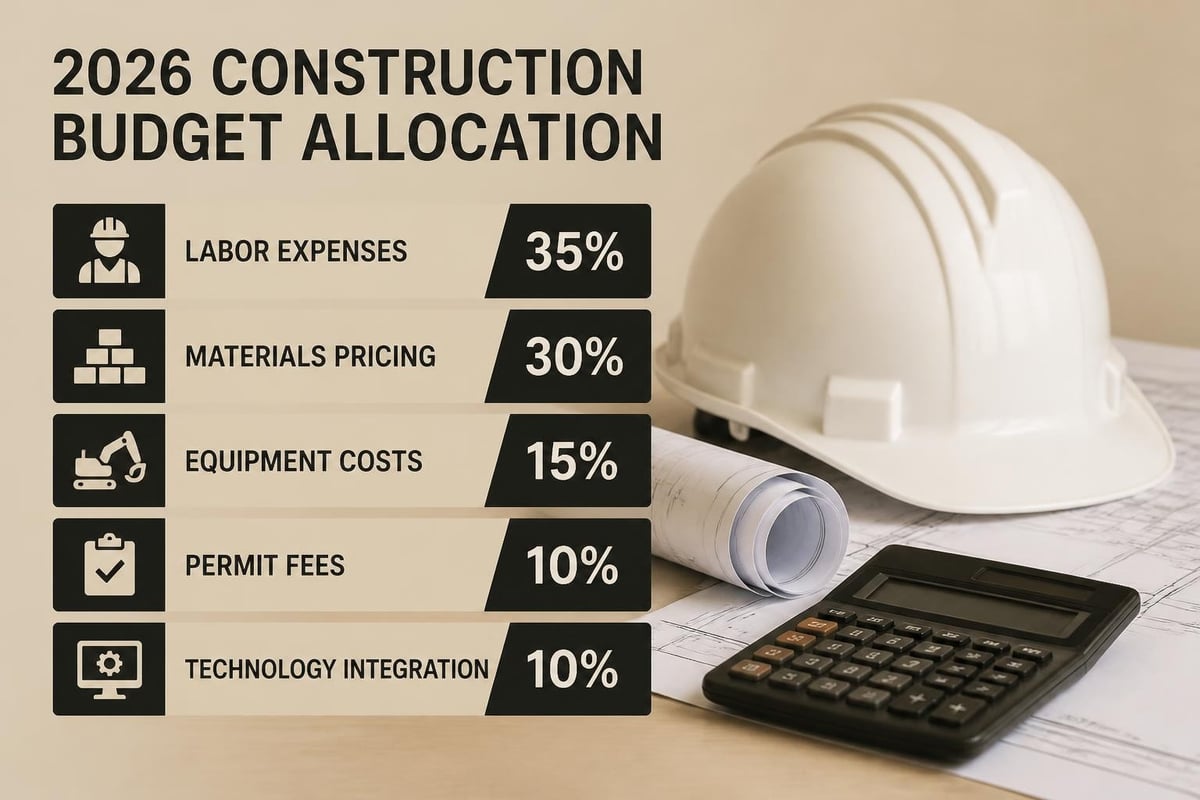
The construction industry has experienced notable shifts throughout 2025 and into 2026. According to Rider Levett Bucknall’s Q2 2026 Construction Cost Report, costs have maintained steady growth at approximately 1% quarterly, with a particularly robust data center backlog anchoring the outlook for the remainder of the year. This measured growth represents a stabilization compared to the volatile swings witnessed in previous years.
Key factors influencing current costs include:
- Material supply chain normalization reducing volatility
- Persistent skilled labor shortages driving wage increases
- Technology integration requirements adding complexity
- Regional variations creating significant cost disparities
- Sustainability mandates increasing upfront investment needs
The non-residential sector has shown particular strength. Turner Construction’s Building Cost Index for Q4 2025 revealed substantial growth driven by data center and manufacturing demand, sectors where many consulting firms like Nero and Associates, Inc. help clients optimize operational efficiency.
Regional Cost Variations and Market Dynamics
Geographic location significantly impacts construction costs. Metropolitan areas with high demand for commercial space typically experience premium pricing, while secondary markets may offer more competitive rates. However, this equation shifts when considering total project costs, including logistics, labor availability, and regulatory compliance expenses.
Organizations planning multi-location projects must account for these variations in their budgeting processes. Understanding regional differences enables more accurate forecasting and helps prevent budget overruns that can derail strategic initiatives.
| Region Type | Cost Premium vs. National Average | Primary Cost Drivers |
|---|---|---|
| Major Metro Areas | +15% to +25% | Labor rates, land costs, permit complexity |
| Secondary Markets | -5% to +5% | Balanced supply/demand, moderate regulations |
| Rural/Remote Areas | +10% to +20% | Transportation, limited labor pool, infrastructure |
Material Cost Dynamics and Supply Chain Considerations
Material costs remain a significant component of overall construction expenses, though the dramatic volatility of 2021-2023 has largely subsided. Steel, concrete, lumber, and specialized building materials each follow distinct pricing patterns influenced by global commodity markets, domestic production capacity, and transportation logistics.
According to Gordian’s construction cost insights for Q4 2025, material cost movements have become more predictable, allowing for improved budget accuracy. This stabilization enables organizations to lock in pricing more confidently and reduces contingency requirements.
Strategic Material Procurement Approaches
Forward-thinking organizations are adopting several strategies to manage material costs effectively:
- Early procurement commitments for long-lead items to secure favorable pricing
- Alternative material specifications allowing flexibility when supply constraints emerge
- Bulk purchasing agreements for organizations with multiple simultaneous projects
- Supplier relationship management to gain priority access during high-demand periods
- Value engineering reviews identifying cost-effective substitutions without compromising quality
These approaches align well with the automation and integration solutions that help businesses streamline procurement processes and reduce manual inefficiencies.
Labor Costs and Workforce Availability Challenges
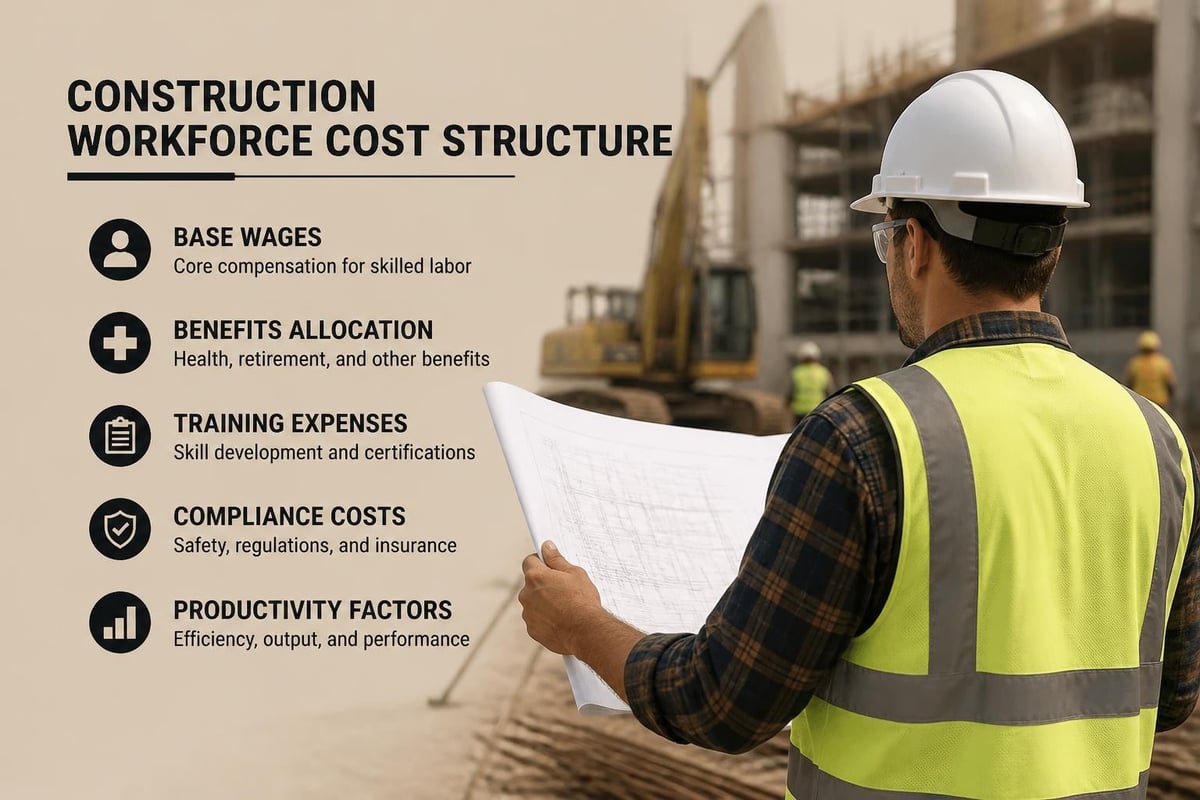
Labor represents the largest controllable cost component in most construction projects. The skilled trades shortage continues to pressure wages upward, with experienced workers commanding premium compensation. Building Design + Construction’s Q1 2026 analysis highlights ongoing labor cost dynamics that organizations must incorporate into their planning assumptions.
Productivity considerations matter as much as hourly rates. A highly skilled workforce completing projects efficiently often delivers better value than lower-cost labor requiring additional supervision or producing work requiring rework. Organizations should evaluate total labor costs rather than focusing solely on wage rates.
Workforce-related cost factors include:
- Base wage rates varying by trade and region
- Benefits and insurance adding 25-40% to base wages
- Overtime requirements during compressed schedules
- Training time for specialized systems or materials
- Safety compliance and certification requirements
Companies investing in employee wellness and development, similar to approaches emphasized in human capital management strategies, often see improved project outcomes through reduced turnover and enhanced productivity.
Technology Integration and Automation Opportunities
The construction industry is experiencing significant technological transformation that impacts both project costs and long-term value. Building Information Modeling (BIM), prefabrication, drone surveying, and IoT-enabled building systems represent upfront investments that can reduce total project costs while delivering enhanced functionality.
Organizations planning new facilities should evaluate technology integration holistically. Initial construction costs may increase when incorporating smart building systems, advanced HVAC controls, or integrated security platforms, but operational savings often justify these investments within 18-36 months.
Cost-Benefit Analysis Framework
| Technology Investment | Typical Cost Premium | Operational Savings Potential | Payback Period |
|---|---|---|---|
| Smart HVAC Systems | +8% to +12% | 20-30% energy reduction | 2-4 years |
| Prefabricated Components | -5% to +5% | 15-25% schedule reduction | Immediate |
| Building Automation | +10% to +15% | 25-35% operational efficiency | 3-5 years |
| Advanced Security Integration | +6% to +10% | Risk reduction, insurance savings | 4-6 years |
This technology-forward approach mirrors the artificial intelligence and automation solutions that consultancies deploy to help organizations eliminate manual processes and improve operational efficiency.
Project Management and Contingency Planning
Effective project management directly influences construction costs through schedule adherence, change order management, and risk mitigation. Organizations lacking internal construction expertise often benefit from engaging experienced owners' representatives or project managers who can navigate the complexities of commercial construction.
Contingency planning deserves particular attention. While padding budgets excessively ties up capital unnecessarily, inadequate contingencies create financial stress when unexpected conditions arise. Industry best practices suggest contingencies ranging from 5% for straightforward projects to 15% for complex renovations or work in occupied facilities.
Comprehensive project management encompasses several critical functions:
- Detailed scope definition preventing costly changes
- Vendor and contractor prequalification ensuring capability
- Regular progress monitoring identifying issues early
- Change order evaluation maintaining budget discipline
- Quality assurance reducing rework expenses
Organizations implementing decision management frameworks find these structured approaches particularly valuable when navigating construction project complexities.
Sustainability Requirements and Green Building Costs
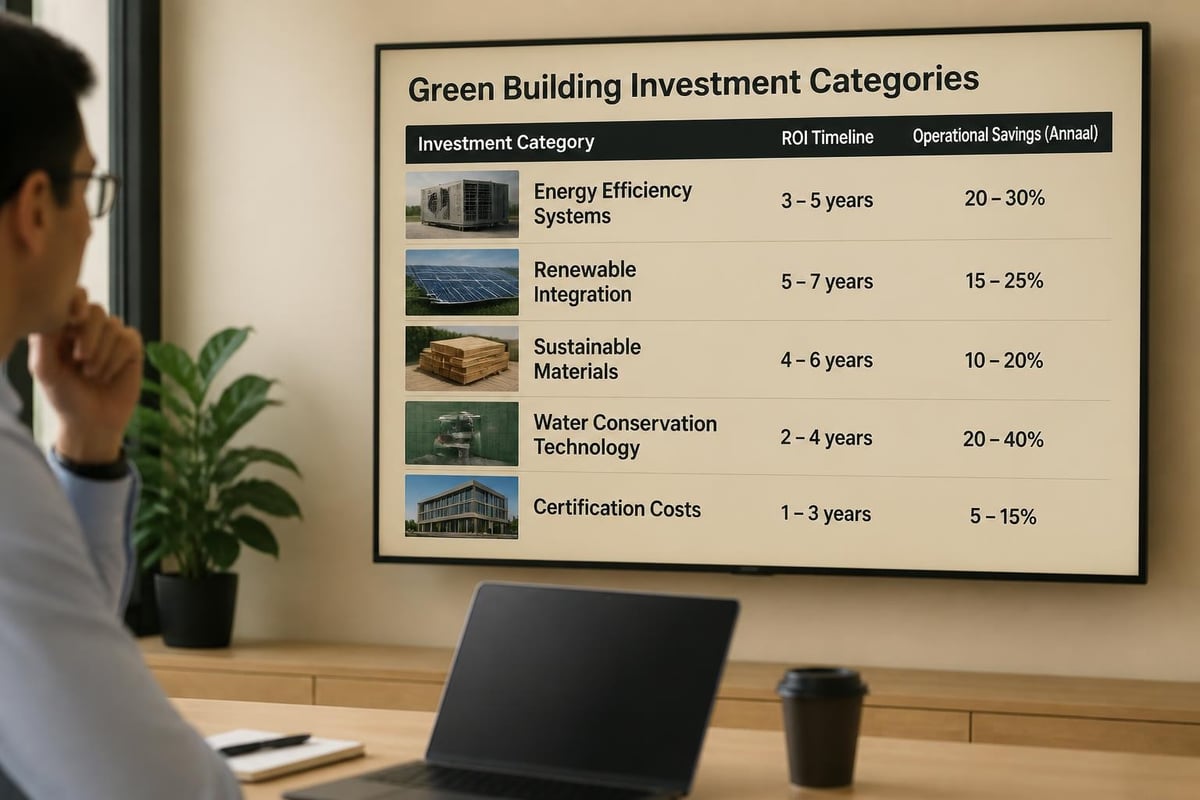
Environmental considerations increasingly influence construction costs as organizations respond to regulatory requirements, corporate sustainability commitments, and market expectations. LEED certification, energy efficiency standards, and renewable energy integration represent common sustainability investments that impact project budgets.
The cost premium for sustainable construction has narrowed considerably. What once required 15-20% additional investment now often adds only 5-10%, with some green building strategies achieving cost parity with conventional approaches. This compression reflects market maturation, improved product availability, and contractor familiarity with sustainable building practices.
However, organizations must distinguish between marketing-driven "greenwashing" and substantive sustainability investments delivering measurable environmental and operational benefits. Third-party verification through established rating systems provides credibility and ensures investments achieve intended outcomes.
Long-Term Value Creation Through Sustainable Design
Forward-thinking organizations recognize that sustainable construction investments extend beyond regulatory compliance to create lasting value. Enhanced indoor air quality improves employee health and productivity. Superior energy efficiency reduces operating costs while insulating organizations from utility price volatility. These benefits align closely with the employee wellness approaches that performance-based consultancies emphasize.
The housing market outlook for 2026 suggests continued emphasis on energy efficiency and sustainability, trends applicable to commercial construction as well. Organizations planning facilities for long-term occupancy should incorporate these considerations from initial design phases rather than as afterthoughts.
Financing Strategies and Budget Optimization
How organizations finance construction projects significantly impacts total costs. Interest rates, loan terms, equity contributions, and alternative financing structures each influence the true cost of capital improvements. In 2026's financial environment, organizations have multiple options deserving careful evaluation.
Traditional construction loans offer familiarity but may not provide optimal terms for every situation. Sale-leaseback arrangements, build-to-suit agreements, and owner-occupied bonds represent alternatives worth considering based on organizational circumstances and long-term facility strategies.
Key financing considerations include:
- Current interest rate environment and trend forecasts
- Organizational cash flow and liquidity requirements
- Tax implications of different financing structures
- Balance sheet impacts and covenant compliance
- Flexibility for future modifications or expansions
Organizations can apply the same analytical rigor used for optimizing accounts payable processes to evaluate construction financing alternatives and identify the most cost-effective approach.
Risk Management and Insurance Considerations
Construction projects carry inherent risks that can dramatically impact costs if not properly managed. Builder's risk insurance, general liability coverage, workers' compensation, and professional liability insurance represent necessary protections, but policy structures and coverage limits warrant careful attention.
Organizations should verify that contractors maintain appropriate insurance coverage and that policy limits align with project values and potential exposures. Additionally, contractual risk allocation through well-drafted agreements helps clarify responsibilities and prevent disputes that generate costly delays and litigation.
Performance bonds and payment bonds provide additional protection for larger projects, ensuring contractor financial stability and protecting against mechanic's liens. While these instruments add 1-3% to project costs, they provide valuable risk mitigation for significant capital investments.
Inflation Projections and Multi-Year Planning
Organizations planning construction projects beyond 2026 must incorporate inflation assumptions into their financial models. While construction cost inflation has moderated from pandemic-era peaks, projections suggest continued gradual increases through the decade. Forecasts for building costs through 2030 indicate continued upward pressure, though regional variations will persist.
Multi-year capital plans should incorporate escalation factors while maintaining flexibility to adjust timing based on market conditions. Projects that can be accelerated during favorable market conditions or deferred during cost spikes provide organizations with strategic optionality.
Planning assumptions should address:
- Annual cost escalation rates by component category
- Labor market trends and wage growth projections
- Material commodity price outlooks
- Regulatory changes impacting requirements
- Technology evolution affecting building systems
This strategic planning approach mirrors the efficiency optimization methodologies that consultancies employ to help organizations achieve operational excellence.
Regulatory Compliance and Permitting Costs
Navigating building codes, zoning requirements, environmental regulations, and permitting processes adds both time and money to construction projects. Regulatory complexity varies significantly by jurisdiction, with some municipalities maintaining streamlined processes while others require extensive reviews and multiple approval stages.
Early engagement with regulatory authorities helps identify requirements and prevent costly mid-project surprises. Some jurisdictions offer expedited review for projects meeting specific criteria, potentially reducing both permitting timelines and costs.
Organizations should budget adequately for professional services supporting regulatory compliance, including architects, engineers, environmental consultants, and land use attorneys. These upfront investments typically prove far more cost-effective than addressing compliance issues after construction begins.
Vendor Selection and Competitive Bidding Strategies
Contractor selection profoundly impacts construction costs and project outcomes. While competitive bidding often identifies the lowest price, organizations must evaluate total value including contractor experience, financial stability, safety records, and quality reputation.
A three-tiered approach balances cost control with risk management:
- Prequalification establishing minimum contractor capabilities
- Competitive bidding among qualified contractors for price discovery
- Best value evaluation considering price, qualifications, and approach
This structured methodology prevents both overpaying due to limited competition and selecting underqualified contractors whose low bids mask future problems. Organizations can leverage consulting professionals to guide contractor evaluation when internal expertise is limited.
Data-Driven Decision Making and Cost Analytics
Advanced analytics transform construction cost management from reactive to proactive. Organizations collecting and analyzing cost data across projects identify patterns, benchmark performance, and improve future estimating accuracy. This data-driven approach enables continuous improvement and better capital allocation decisions.
Key metrics for tracking construction cost performance include:
| Metric | Purpose | Target Range |
|---|---|---|
| Cost per Square Foot | Benchmark against comparable projects | Varies by building type |
| Budget Variance | Measure estimating accuracy | ±5% at completion |
| Change Order Percentage | Track scope management effectiveness | <5% of total cost |
| Schedule Variance | Identify cost impacts from delays | ±2 weeks for typical projects |
| Quality Defect Rate | Assess contractor performance | <2% punch list items |
Organizations implementing benefits data analytics for employee programs can apply similar analytical frameworks to construction cost management, generating insights that improve decision quality.
Managing construction costs effectively requires comprehensive planning, market awareness, and strategic decision-making that balances immediate expenses against long-term value creation. Organizations that adopt data-driven approaches, leverage technology, and optimize processes position themselves for successful capital projects that support business objectives without unnecessary cost overruns. Nero and Associates, Inc. helps organizations achieve operational excellence through automation, integration, and performance-based consulting that reduces costs, eliminates manual inefficiencies, and empowers employees to focus on strategic priorities rather than administrative tasks. Whether optimizing facility investments, streamlining business processes, or enhancing employee wellness programs, our team delivers measurable results that raise your bottom line while improving organizational effectiveness.