
Dental Insurance: Complete Guide for Business Benefits

Share on Facebook
Share on X
Share on LinkedIn

Offering comprehensive employee benefits remains one of the most effective strategies for attracting and retaining top talent in 2026. While health insurance often takes center stage in benefits packages, dental insurance represents a critical yet frequently undervalued component that directly impacts employee wellness, productivity, and overall financial health. For organizations committed to employee wellbeing and operational efficiency, understanding how dental coverage works and integrating it strategically into benefits offerings can deliver measurable returns through reduced absenteeism, improved morale, and enhanced recruitment outcomes.

Understanding Dental Insurance Fundamentals

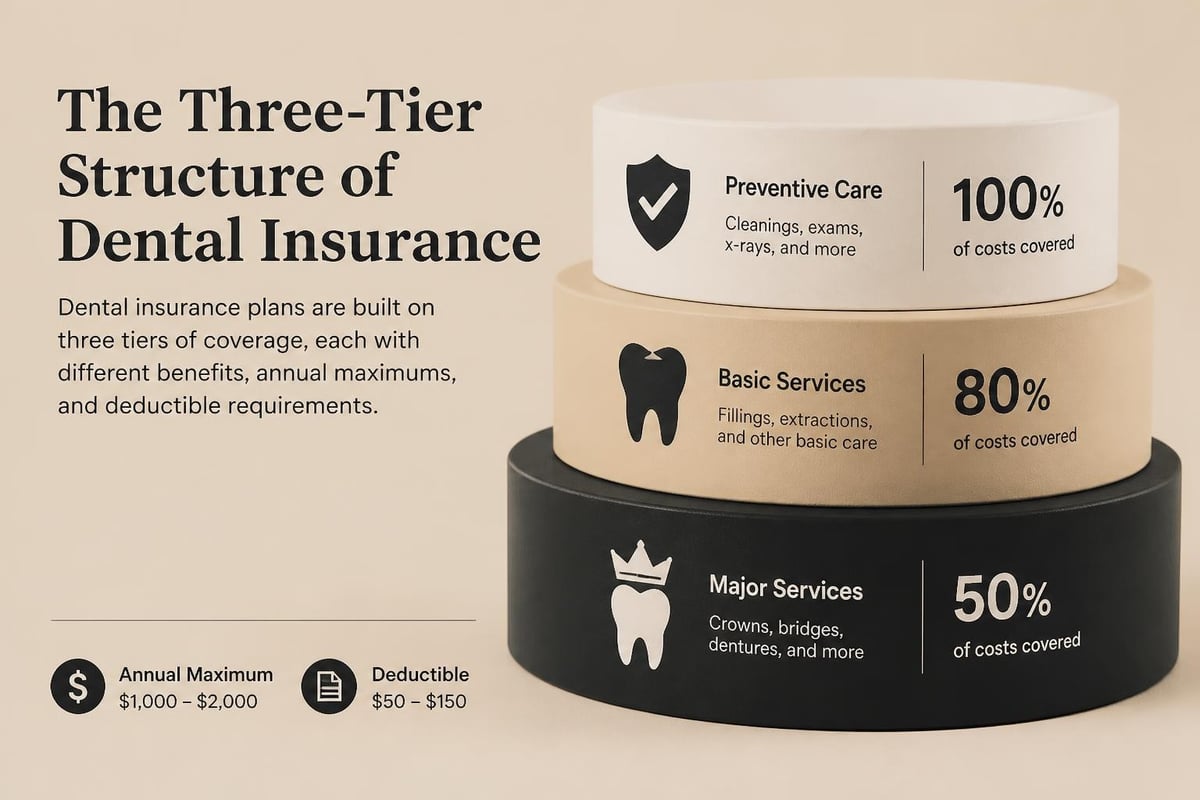
Dental insurance operates differently from traditional medical insurance, with distinct coverage tiers and payment structures designed specifically for oral healthcare needs. Most plans divide services into three categories: preventive care (cleanings, exams, X-rays), basic procedures (fillings, extractions, root canals), and major services (crowns, bridges, dentures). This tiered approach allows insurers to encourage regular preventive visits while managing costs for more complex treatments.

Dental coverage through the Health Insurance Marketplace operates under different rules than medical plans, giving employers flexibility in how they structure benefits. Many organizations choose to offer dental as a separate policy rather than bundling it with health insurance, providing greater customization options and often better cost control.

Key Coverage Components

Understanding what dental insurance actually covers helps organizations make informed decisions about plan selection and employee education:

  • Preventive services: Typically covered at 100% with no deductible, including biannual cleanings and annual exams
  • Basic restorative care: Usually covered at 70-80% after meeting the deductible
  • Major procedures: Generally covered at 50% after deductible, with annual maximum limits
  • Orthodontic treatments: Often require separate coverage or riders with lifetime maximums

The annual maximum benefit limit distinguishes dental insurance from medical coverage. Most plans cap benefits between $1,000 and $2,000 per year, requiring employees to pay out-of-pocket for expenses exceeding this threshold. This structure emphasizes preventive care as the most cost-effective approach for both insurers and employees.
Dental insurance coverage tiers

Types of Dental Insurance Plans

Organizations can choose from several dental plan structures, each with distinct network requirements, cost implications, and administrative considerations. Selecting the right plan type depends on workforce demographics, budget constraints, and strategic benefits objectives.

Dental PPO Plans

Preferred Provider Organization plans represent the most popular option among employers due to their flexibility and broad provider networks. PPO plan basics demonstrate how these arrangements balance choice with cost savings through negotiated fee schedules.

Plan Feature PPO Advantage Consideration
Provider choice Use any dentist, in or out of network Higher costs for out-of-network care
Flexibility No referrals needed Deductibles and coinsurance apply
Cost predictability Negotiated rates with network dentists Monthly premiums typically higher

DHMO and HMO Plans

Dental Health Maintenance Organizations offer lower premiums in exchange for more restricted provider networks. Employees must select a primary care dentist from the network and typically cannot seek care outside this network without paying full price. These plans work well for cost-conscious organizations with geographically concentrated workforces.

Indemnity Plans

Traditional indemnity plans provide maximum flexibility, allowing employees to visit any licensed dentist without network restrictions. The insurance company reimburses a percentage of reasonable and customary charges. While offering unparalleled choice, these plans typically carry higher premiums and require employees to pay upfront and submit claims for reimbursement.

Strategic Value for Employers

Incorporating dental insurance into employee benefit plan design delivers returns extending far beyond oral health. Forward-thinking organizations recognize that comprehensive dental coverage influences multiple business metrics simultaneously.

Productivity and Absenteeism

Dental problems represent a leading cause of unplanned absences, with employees losing approximately 164 million work hours annually to dental-related issues. Preventive coverage encourages regular checkups that identify problems before they become emergencies requiring extended time away from work. Organizations investing in robust dental benefits often see measurable reductions in unscheduled absences.

Research consistently demonstrates connections between oral health and overall physical wellbeing. Untreated dental conditions can exacerbate diabetes, cardiovascular disease, and respiratory issues. By supporting comprehensive dental care, employers indirectly reduce medical costs and promote holistic employee wellness.

Recruitment and Retention Advantages

In competitive talent markets, benefits packages serve as powerful differentiators. Comprehensive information on dental insurance shows that employees consistently rank dental coverage among their most valued benefits, often placing it second only to health insurance. Organizations offering quality dental plans gain advantages in both attracting new talent and retaining existing employees.

The relatively low cost of dental insurance compared to medical coverage makes it an efficient retention tool. Monthly premiums typically range from $20 to $50 per employee for individual coverage, delivering significant perceived value at manageable expense.

Employee benefits value

Cost Considerations and ROI

Evaluating dental insurance requires analyzing both direct premium costs and indirect returns through improved employee health and productivity. Organizations taking a strategic approach to benefits measurement can quantify the business impact of dental coverage.

Premium Structures

Dental insurance premiums vary based on several factors:

  1. Plan type: PPOs cost more than DHMOs but offer greater flexibility
  2. Coverage levels: Plans with lower deductibles and higher annual maximums carry increased premiums
  3. Geographic location: Provider costs and competition influence regional pricing
  4. Group size: Larger employee populations typically qualify for better rates

Employers typically contribute 50-100% of employee premiums, with family coverage requiring additional contributions. The average employer contribution for dental insurance in 2026 ranges from $25 to $40 monthly for individual coverage.

Measuring Financial Impact

Organizations committed to achieving growth and efficiency in operations should evaluate dental benefits through multiple financial lenses:

Metric Measurement Approach Expected Impact
Absenteeism reduction Track dental-related sick days before and after implementation 15-25% decrease
Healthcare cost offset Monitor medical claims for oral health-related conditions 5-10% reduction
Turnover rates Compare retention between insured and uninsured populations 8-12% improvement
Recruitment efficiency Measure time-to-fill and candidate acceptance rates Faster hiring cycles

Implementation and Administration

Successfully launching dental insurance requires thoughtful planning, clear communication, and ongoing administrative support. Organizations should allocate sufficient resources to enrollment, employee education, and claims management.

Vendor Selection Process

Choosing the right dental insurance carrier involves evaluating multiple dimensions beyond premium costs. Key considerations include:

  • Provider network adequacy: Ensure sufficient in-network dentists in all locations where employees work and live
  • Claims processing efficiency: Review average processing times and denial rates
  • Customer service quality: Assess availability of support for both HR teams and employees
  • Technology integration: Evaluate how well the carrier's systems connect with existing HCM platforms

Major carriers like Humana’s Complete Dental plan and MetLife’s dental insurance offer comprehensive networks and established administrative processes, making them popular choices for mid-sized and large organizations.

Employee Communication Strategies

Even excellent dental benefits deliver limited value if employees don't understand or utilize them. Effective communication strategies include:

  • Pre-enrollment education sessions explaining coverage tiers and cost-sharing
  • Simple reference guides highlighting preventive care benefits
  • Regular reminders about scheduling biannual cleanings
  • Clear explanations of how to find in-network providers
  • Transparent guidance on annual maximum limits and planning major procedures

Organizations leveraging automation and integration solutions can streamline benefits communication through personalized digital campaigns and self-service portals.

Maximizing Employee Utilization

Offering dental insurance represents only the first step; encouraging employees to actually use their benefits maximizes both individual health outcomes and organizational return on investment. Proactive utilization strategies separate high-performing benefits programs from standard offerings.

Preventive Care Incentives

Since most dental plans cover preventive services at 100%, organizations should actively promote these no-cost benefits:

  • Send quarterly reminders about scheduling cleanings and exams
  • Create friendly competitions or challenges around preventive visit completion
  • Share educational content about the connection between oral health and overall wellness
  • Recognize departments or teams achieving high preventive care utilization rates

These initiatives require minimal investment while driving significant engagement with available benefits.

Financial Wellness Integration

Dental expenses represent a common source of unexpected financial stress for employees. Organizations focused on comprehensive financial wellness should connect dental benefits with broader ancillary benefits and financial support programs:

  1. Health Savings Accounts (HSAs): Educate employees about using HSA funds for dental expenses
  2. Flexible Spending Accounts (FSAs): Promote tax-advantaged savings for anticipated dental costs
  3. Payment plan options: Help employees understand financing alternatives for major procedures
  4. Cost estimation tools: Provide resources for comparing procedure costs across providers

Financial wellness planning

Compliance and Regulatory Considerations

Dental insurance administration involves navigating various federal and state regulations, though generally with less complexity than medical coverage. Organizations must maintain compliance while minimizing administrative burden.

ACA Requirements

The Affordable Care Act treats dental coverage differently depending on employee age. For children, dental benefits are considered an essential health benefit, though standalone pediatric dental plans satisfy this requirement. Adult dental coverage remains optional under ACA guidelines, giving employers flexibility in plan design.

ERISA Obligations

When employers sponsor dental plans, they typically fall under the Employee Retirement Income Security Act (ERISA). This requires:

  • Providing Summary Plan Descriptions (SPDs) to employees
  • Filing Form 5500 annually for plans with 100+ participants
  • Establishing claims and appeals procedures
  • Maintaining fiduciary responsibility for plan administration

Organizations working with professional consultancy services can ensure compliance while focusing internal resources on core business activities.

Emerging Trends and Innovations

The dental insurance landscape continues evolving as technology, consumer expectations, and healthcare delivery models shift. Organizations staying current with these trends position themselves to offer competitive, relevant benefits.

Teledentistry Integration

Virtual dental consultations expanded dramatically since 2020 and now represent a permanent fixture in oral healthcare delivery. Many insurers incorporate teledentistry into standard coverage, allowing employees to receive initial assessments, follow-up care, and minor issue resolution without office visits. This convenience particularly benefits remote workers and employees in areas with limited dental provider access.

Data-Driven Plan Design

Advanced analytics enable more sophisticated approaches to dental benefits management. Organizations can now:

  • Analyze utilization patterns to identify gaps in preventive care
  • Benchmark costs against industry standards
  • Predict future claims based on employee demographics
  • Customize benefits to address specific workforce needs

Companies leveraging benefits data analytics gain competitive advantages through evidence-based decision making.

Alternative Funding Arrangements

While fully insured plans remain most common, some larger organizations explore self-funded dental insurance to gain greater cost control and flexibility. These arrangements require careful risk assessment but can deliver savings for organizations with predictable claims patterns and sufficient cash reserves.

Special Considerations for Different Organization Types

Dental insurance needs vary significantly based on organization size, industry, and workforce characteristics. Tailoring approaches to specific contexts improves outcomes and employee satisfaction.

Small and Mid-Sized Businesses

Organizations with fewer than 100 employees face unique challenges in dental benefits. Limited negotiating power with carriers can result in higher per-employee costs. Strategies for this segment include:

  • Joining professional employer organizations (PEOs) to access better rates
  • Offering voluntary dental plans where employees pay full premiums
  • Starting with basic plans and enhancing coverage as the organization grows
  • Focusing on high-value preventive coverage rather than comprehensive plans

Healthcare Organizations

Businesses in healthcare-related fields face particular scrutiny regarding employee benefits. Offering substandard dental coverage creates perception problems when the organization's mission involves health and wellness. Healthcare employers should prioritize robust dental benefits aligned with their organizational values.

Organizations providing RCM consulting and healthcare services should model best practices in employee health benefits, including comprehensive dental coverage.

Multi-State Employers

Organizations with employees across multiple states must navigate varying regulations, provider networks, and cost structures. Considerations include:

  • Selecting carriers with strong national networks
  • Understanding state-specific mandates affecting dental coverage
  • Addressing cost-of-living differences in plan contributions
  • Ensuring equitable access to quality providers regardless of location

Integration with Comprehensive Wellness Programs

Dental insurance delivers maximum value when integrated into holistic employee wellness strategies rather than treated as an isolated benefit. Organizations committed to comprehensive employee wellbeing recognize oral health as one component of total health.

Wellness Program Synergies

Connecting dental benefits with broader wellness initiatives creates reinforcing effects:

  • Include dental health education in wellness seminars and communications
  • Award wellness program points for completing preventive dental visits
  • Address connections between nutrition, overall health, and oral health
  • Incorporate dental health metrics into organizational wellness scorecards

These integrations require minimal additional investment while substantially increasing engagement with both dental benefits and wellness programs.

Mental Health Connections

Emerging research demonstrates significant relationships between oral health and mental wellbeing. Dental problems can cause stress, anxiety, and depression, while mental health conditions often correlate with neglected dental care. Organizations offering comprehensive mental health support alongside quality dental coverage address these interconnected needs more effectively.

Future-Proofing Dental Benefits Strategy

The dental insurance landscape will continue evolving over the coming years. Organizations should build flexibility into their benefits strategies to accommodate emerging needs and opportunities.

Technology Adoption

Artificial intelligence and automation are transforming dental benefits administration. From chatbots answering coverage questions to predictive analytics identifying high-risk employees, technology enables more efficient and personalized benefits experiences. Organizations partnering with firms specializing in automation and integration solutions can stay ahead of these trends.

Personalization and Choice

One-size-fits-all benefits packages are giving way to personalized approaches where employees select coverage matching their specific needs. Flexible benefits platforms allow employees to allocate benefits dollars across various options, including multiple dental plan tiers. This customization increases satisfaction while potentially controlling costs.


Implementing strategic dental insurance benefits requires balancing cost considerations, employee needs, and organizational objectives while maintaining administrative efficiency. By treating dental coverage as an integral component of comprehensive employee wellness rather than a standalone benefit, organizations create measurable value through improved health outcomes, enhanced productivity, and stronger talent retention. Nero and Associates, Inc. helps organizations design and implement benefits strategies that support employee wellbeing while improving operational efficiency and bottom-line results. Our performance-based approach ensures your benefits investments deliver measurable returns in productivity, recruitment, and employee satisfaction.
Dental Insurance: Complete Guide for Business Benefits

Offering comprehensive employee benefits remains one of the most effective strategies for attracting and retaining top talent in 2026. While health insurance often takes center stage in benefits packages, dental insurance represents a critical yet frequently undervalued component that directly impacts employee wellness, productivity, and overall financial health. For organizations committed to employee wellbeing and operational efficiency, understanding how dental coverage works and integrating it strategically into benefits offerings can deliver measurable returns through reduced absenteeism, improved morale, and enhanced recruitment outcomes.

Understanding Dental Insurance Fundamentals

Dental insurance operates differently from traditional medical insurance, with distinct coverage tiers and payment structures designed specifically for oral healthcare needs. Most plans divide services into three categories: preventive care (cleanings, exams, X-rays), basic procedures (fillings, extractions, root canals), and major services (crowns, bridges, dentures). This tiered approach allows insurers to encourage regular preventive visits while managing costs for more complex treatments.

Dental coverage through the Health Insurance Marketplace operates under different rules than medical plans, giving employers flexibility in how they structure benefits. Many organizations choose to offer dental as a separate policy rather than bundling it with health insurance, providing greater customization options and often better cost control.

Key Coverage Components

Understanding what dental insurance actually covers helps organizations make informed decisions about plan selection and employee education:

  • Preventive services: Typically covered at 100% with no deductible, including biannual cleanings and annual exams
  • Basic restorative care: Usually covered at 70-80% after meeting the deductible
  • Major procedures: Generally covered at 50% after deductible, with annual maximum limits
  • Orthodontic treatments: Often require separate coverage or riders with lifetime maximums

The annual maximum benefit limit distinguishes dental insurance from medical coverage. Most plans cap benefits between $1,000 and $2,000 per year, requiring employees to pay out-of-pocket for expenses exceeding this threshold. This structure emphasizes preventive care as the most cost-effective approach for both insurers and employees.

Dental insurance coverage tiers

Types of Dental Insurance Plans

Organizations can choose from several dental plan structures, each with distinct network requirements, cost implications, and administrative considerations. Selecting the right plan type depends on workforce demographics, budget constraints, and strategic benefits objectives.

Dental PPO Plans

Preferred Provider Organization plans represent the most popular option among employers due to their flexibility and broad provider networks. PPO plan basics demonstrate how these arrangements balance choice with cost savings through negotiated fee schedules.

Plan Feature PPO Advantage Consideration
Provider choice Use any dentist, in or out of network Higher costs for out-of-network care
Flexibility No referrals needed Deductibles and coinsurance apply
Cost predictability Negotiated rates with network dentists Monthly premiums typically higher

DHMO and HMO Plans

Dental Health Maintenance Organizations offer lower premiums in exchange for more restricted provider networks. Employees must select a primary care dentist from the network and typically cannot seek care outside this network without paying full price. These plans work well for cost-conscious organizations with geographically concentrated workforces.

Indemnity Plans

Traditional indemnity plans provide maximum flexibility, allowing employees to visit any licensed dentist without network restrictions. The insurance company reimburses a percentage of reasonable and customary charges. While offering unparalleled choice, these plans typically carry higher premiums and require employees to pay upfront and submit claims for reimbursement.

Strategic Value for Employers

Incorporating dental insurance into employee benefit plan design delivers returns extending far beyond oral health. Forward-thinking organizations recognize that comprehensive dental coverage influences multiple business metrics simultaneously.

Productivity and Absenteeism

Dental problems represent a leading cause of unplanned absences, with employees losing approximately 164 million work hours annually to dental-related issues. Preventive coverage encourages regular checkups that identify problems before they become emergencies requiring extended time away from work. Organizations investing in robust dental benefits often see measurable reductions in unscheduled absences.

Research consistently demonstrates connections between oral health and overall physical wellbeing. Untreated dental conditions can exacerbate diabetes, cardiovascular disease, and respiratory issues. By supporting comprehensive dental care, employers indirectly reduce medical costs and promote holistic employee wellness.

Recruitment and Retention Advantages

In competitive talent markets, benefits packages serve as powerful differentiators. Comprehensive information on dental insurance shows that employees consistently rank dental coverage among their most valued benefits, often placing it second only to health insurance. Organizations offering quality dental plans gain advantages in both attracting new talent and retaining existing employees.

The relatively low cost of dental insurance compared to medical coverage makes it an efficient retention tool. Monthly premiums typically range from $20 to $50 per employee for individual coverage, delivering significant perceived value at manageable expense.

Employee benefits value

Cost Considerations and ROI

Evaluating dental insurance requires analyzing both direct premium costs and indirect returns through improved employee health and productivity. Organizations taking a strategic approach to benefits measurement can quantify the business impact of dental coverage.

Premium Structures

Dental insurance premiums vary based on several factors:

  1. Plan type: PPOs cost more than DHMOs but offer greater flexibility
  2. Coverage levels: Plans with lower deductibles and higher annual maximums carry increased premiums
  3. Geographic location: Provider costs and competition influence regional pricing
  4. Group size: Larger employee populations typically qualify for better rates

Employers typically contribute 50-100% of employee premiums, with family coverage requiring additional contributions. The average employer contribution for dental insurance in 2026 ranges from $25 to $40 monthly for individual coverage.

Measuring Financial Impact

Organizations committed to achieving growth and efficiency in operations should evaluate dental benefits through multiple financial lenses:

Metric Measurement Approach Expected Impact
Absenteeism reduction Track dental-related sick days before and after implementation 15-25% decrease
Healthcare cost offset Monitor medical claims for oral health-related conditions 5-10% reduction
Turnover rates Compare retention between insured and uninsured populations 8-12% improvement
Recruitment efficiency Measure time-to-fill and candidate acceptance rates Faster hiring cycles

Implementation and Administration

Successfully launching dental insurance requires thoughtful planning, clear communication, and ongoing administrative support. Organizations should allocate sufficient resources to enrollment, employee education, and claims management.

Vendor Selection Process

Choosing the right dental insurance carrier involves evaluating multiple dimensions beyond premium costs. Key considerations include:

  • Provider network adequacy: Ensure sufficient in-network dentists in all locations where employees work and live
  • Claims processing efficiency: Review average processing times and denial rates
  • Customer service quality: Assess availability of support for both HR teams and employees
  • Technology integration: Evaluate how well the carrier's systems connect with existing HCM platforms

Major carriers like Humana’s Complete Dental plan and MetLife’s dental insurance offer comprehensive networks and established administrative processes, making them popular choices for mid-sized and large organizations.

Employee Communication Strategies

Even excellent dental benefits deliver limited value if employees don't understand or utilize them. Effective communication strategies include:

  • Pre-enrollment education sessions explaining coverage tiers and cost-sharing
  • Simple reference guides highlighting preventive care benefits
  • Regular reminders about scheduling biannual cleanings
  • Clear explanations of how to find in-network providers
  • Transparent guidance on annual maximum limits and planning major procedures

Organizations leveraging automation and integration solutions can streamline benefits communication through personalized digital campaigns and self-service portals.

Maximizing Employee Utilization

Offering dental insurance represents only the first step; encouraging employees to actually use their benefits maximizes both individual health outcomes and organizational return on investment. Proactive utilization strategies separate high-performing benefits programs from standard offerings.

Preventive Care Incentives

Since most dental plans cover preventive services at 100%, organizations should actively promote these no-cost benefits:

  • Send quarterly reminders about scheduling cleanings and exams
  • Create friendly competitions or challenges around preventive visit completion
  • Share educational content about the connection between oral health and overall wellness
  • Recognize departments or teams achieving high preventive care utilization rates

These initiatives require minimal investment while driving significant engagement with available benefits.

Financial Wellness Integration

Dental expenses represent a common source of unexpected financial stress for employees. Organizations focused on comprehensive financial wellness should connect dental benefits with broader ancillary benefits and financial support programs:

  1. Health Savings Accounts (HSAs): Educate employees about using HSA funds for dental expenses
  2. Flexible Spending Accounts (FSAs): Promote tax-advantaged savings for anticipated dental costs
  3. Payment plan options: Help employees understand financing alternatives for major procedures
  4. Cost estimation tools: Provide resources for comparing procedure costs across providers

Financial wellness planning

Compliance and Regulatory Considerations

Dental insurance administration involves navigating various federal and state regulations, though generally with less complexity than medical coverage. Organizations must maintain compliance while minimizing administrative burden.

ACA Requirements

The Affordable Care Act treats dental coverage differently depending on employee age. For children, dental benefits are considered an essential health benefit, though standalone pediatric dental plans satisfy this requirement. Adult dental coverage remains optional under ACA guidelines, giving employers flexibility in plan design.

ERISA Obligations

When employers sponsor dental plans, they typically fall under the Employee Retirement Income Security Act (ERISA). This requires:

  • Providing Summary Plan Descriptions (SPDs) to employees
  • Filing Form 5500 annually for plans with 100+ participants
  • Establishing claims and appeals procedures
  • Maintaining fiduciary responsibility for plan administration

Organizations working with professional consultancy services can ensure compliance while focusing internal resources on core business activities.

Emerging Trends and Innovations

The dental insurance landscape continues evolving as technology, consumer expectations, and healthcare delivery models shift. Organizations staying current with these trends position themselves to offer competitive, relevant benefits.

Teledentistry Integration

Virtual dental consultations expanded dramatically since 2020 and now represent a permanent fixture in oral healthcare delivery. Many insurers incorporate teledentistry into standard coverage, allowing employees to receive initial assessments, follow-up care, and minor issue resolution without office visits. This convenience particularly benefits remote workers and employees in areas with limited dental provider access.

Data-Driven Plan Design

Advanced analytics enable more sophisticated approaches to dental benefits management. Organizations can now:

  • Analyze utilization patterns to identify gaps in preventive care
  • Benchmark costs against industry standards
  • Predict future claims based on employee demographics
  • Customize benefits to address specific workforce needs

Companies leveraging benefits data analytics gain competitive advantages through evidence-based decision making.

Alternative Funding Arrangements

While fully insured plans remain most common, some larger organizations explore self-funded dental insurance to gain greater cost control and flexibility. These arrangements require careful risk assessment but can deliver savings for organizations with predictable claims patterns and sufficient cash reserves.

Special Considerations for Different Organization Types

Dental insurance needs vary significantly based on organization size, industry, and workforce characteristics. Tailoring approaches to specific contexts improves outcomes and employee satisfaction.

Small and Mid-Sized Businesses

Organizations with fewer than 100 employees face unique challenges in dental benefits. Limited negotiating power with carriers can result in higher per-employee costs. Strategies for this segment include:

  • Joining professional employer organizations (PEOs) to access better rates
  • Offering voluntary dental plans where employees pay full premiums
  • Starting with basic plans and enhancing coverage as the organization grows
  • Focusing on high-value preventive coverage rather than comprehensive plans

Healthcare Organizations

Businesses in healthcare-related fields face particular scrutiny regarding employee benefits. Offering substandard dental coverage creates perception problems when the organization's mission involves health and wellness. Healthcare employers should prioritize robust dental benefits aligned with their organizational values.

Organizations providing RCM consulting and healthcare services should model best practices in employee health benefits, including comprehensive dental coverage.

Multi-State Employers

Organizations with employees across multiple states must navigate varying regulations, provider networks, and cost structures. Considerations include:

  • Selecting carriers with strong national networks
  • Understanding state-specific mandates affecting dental coverage
  • Addressing cost-of-living differences in plan contributions
  • Ensuring equitable access to quality providers regardless of location

Integration with Comprehensive Wellness Programs

Dental insurance delivers maximum value when integrated into holistic employee wellness strategies rather than treated as an isolated benefit. Organizations committed to comprehensive employee wellbeing recognize oral health as one component of total health.

Wellness Program Synergies

Connecting dental benefits with broader wellness initiatives creates reinforcing effects:

  • Include dental health education in wellness seminars and communications
  • Award wellness program points for completing preventive dental visits
  • Address connections between nutrition, overall health, and oral health
  • Incorporate dental health metrics into organizational wellness scorecards

These integrations require minimal additional investment while substantially increasing engagement with both dental benefits and wellness programs.

Mental Health Connections

Emerging research demonstrates significant relationships between oral health and mental wellbeing. Dental problems can cause stress, anxiety, and depression, while mental health conditions often correlate with neglected dental care. Organizations offering comprehensive mental health support alongside quality dental coverage address these interconnected needs more effectively.

Future-Proofing Dental Benefits Strategy

The dental insurance landscape will continue evolving over the coming years. Organizations should build flexibility into their benefits strategies to accommodate emerging needs and opportunities.

Technology Adoption

Artificial intelligence and automation are transforming dental benefits administration. From chatbots answering coverage questions to predictive analytics identifying high-risk employees, technology enables more efficient and personalized benefits experiences. Organizations partnering with firms specializing in automation and integration solutions can stay ahead of these trends.

Personalization and Choice

One-size-fits-all benefits packages are giving way to personalized approaches where employees select coverage matching their specific needs. Flexible benefits platforms allow employees to allocate benefits dollars across various options, including multiple dental plan tiers. This customization increases satisfaction while potentially controlling costs.


Implementing strategic dental insurance benefits requires balancing cost considerations, employee needs, and organizational objectives while maintaining administrative efficiency. By treating dental coverage as an integral component of comprehensive employee wellness rather than a standalone benefit, organizations create measurable value through improved health outcomes, enhanced productivity, and stronger talent retention. Nero and Associates, Inc. helps organizations design and implement benefits strategies that support employee wellbeing while improving operational efficiency and bottom-line results. Our performance-based approach ensures your benefits investments deliver measurable returns in productivity, recruitment, and employee satisfaction.

Website developed in accordance with Web Content Accessibility Guidelines 2.2.
If you encounter any issues while using this site, please contact us: 215.526.5126