

Enterprise Solutions: A Strategic Guide for 2026

Share on Facebook
Share on X
Share on LinkedIn

Organizations today face unprecedented complexity in managing their operations, workforce, and technology infrastructure. Enterprise solutions have evolved beyond simple software implementations to become comprehensive platforms that integrate artificial intelligence, automation, and advanced analytics to address critical business challenges. These systems now serve as the backbone for organizations seeking to eliminate inefficiencies, reduce operational costs, and create sustainable competitive advantages in an increasingly digital marketplace.

Understanding Modern Enterprise Solutions Architecture

Enterprise solutions represent sophisticated technology ecosystems designed to manage large-scale business operations across multiple departments and geographic locations. Unlike standalone software applications, these platforms integrate seamlessly with existing infrastructure to create a unified operational framework. The architecture typically encompasses data management, process automation, workforce coordination, and real-time analytics capabilities.

Key architectural components include:

  • Centralized data repositories that eliminate information silos
  • API-driven integration layers connecting disparate systems
  • Intelligent automation engines powered by machine learning
  • Role-based access controls ensuring security and compliance
  • Scalable cloud infrastructure supporting growth trajectories

Organizations implementing enterprise technology solutions must consider how different components interact within their specific operational context. The challenge extends beyond technology selection to encompass organizational readiness, change management, and long-term strategic alignment.
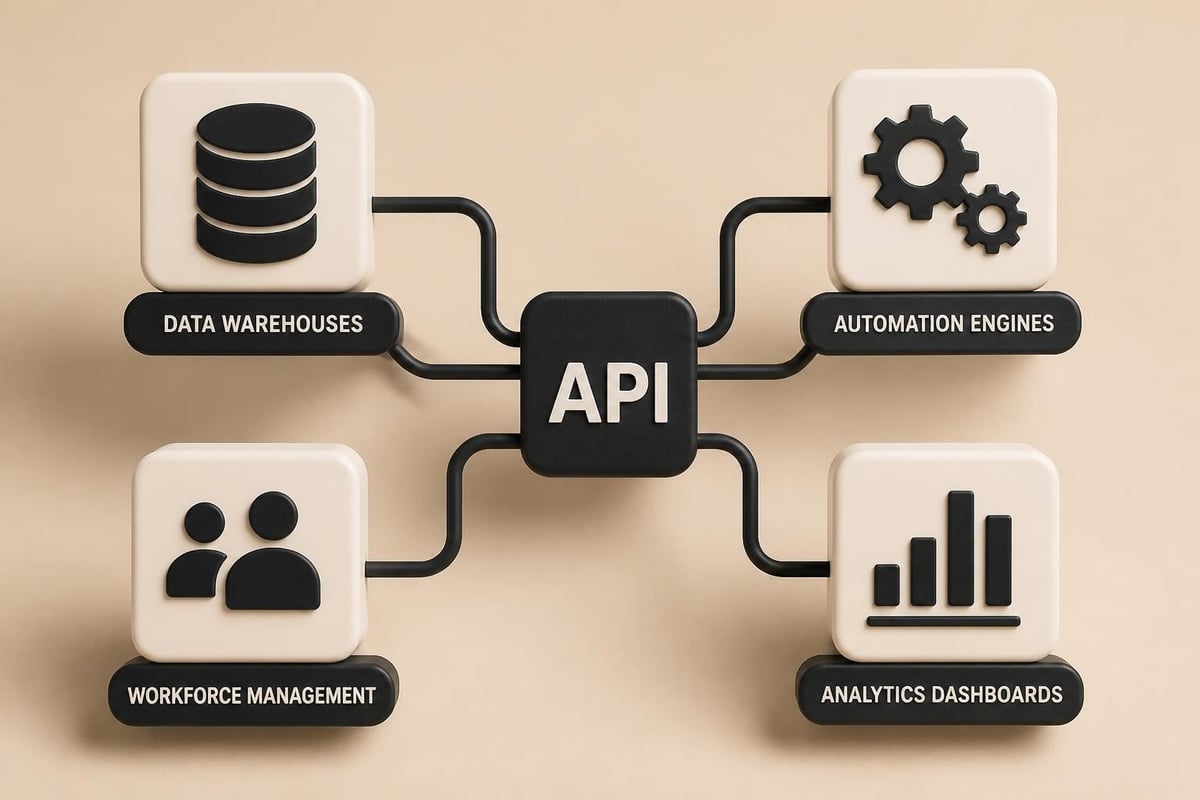
Enterprise solution architecture

The Evolution of Enterprise Technology Platforms

The landscape of enterprise solutions has transformed dramatically over the past decade. Traditional monolithic systems have given way to modular, cloud-based platforms that offer unprecedented flexibility and scalability. This evolution reflects changing business requirements, including remote workforce management, real-time decision-making needs, and the imperative to leverage artificial intelligence for competitive advantage.

Modern platforms prioritize interoperability, recognizing that organizations utilize multiple specialized systems. Integration capabilities now determine platform value as much as core functionality. According to research on enterprise IT strategy, organizations increasingly view technology adoption through the lens of digital transformation rather than isolated system implementations.

Critical Components of Comprehensive Enterprise Solutions

Artificial Intelligence and Automation Integration

Artificial intelligence has transitioned from experimental technology to operational necessity within enterprise environments. Organizations leveraging AI-powered automation report significant reductions in manual processing time and operational errors. These capabilities extend across multiple functional areas, from customer service chatbots to predictive maintenance algorithms.

Automation opportunities span:

  1. Document processing and data extraction eliminating manual entry
  2. Workflow orchestration routing tasks based on business rules
  3. Predictive analytics forecasting trends and resource requirements
  4. Natural language processing enhancing customer interactions
  5. Intelligent decision support recommending optimal actions

The implementation of business automation extends beyond large corporations to organizations of all sizes. Small and mid-sized businesses increasingly access enterprise-grade capabilities through cloud platforms, leveling the competitive landscape. Automation investments typically generate returns through labor cost reduction, error minimization, and capacity expansion without proportional headcount increases.

Human Capital Management Solutions

Workforce management represents one of the most impactful applications of enterprise solutions. Modern HCM platforms integrate recruitment, onboarding, performance management, benefits administration, and payroll into unified systems. This integration creates visibility into workforce dynamics while reducing administrative burden on HR teams.

HCM Function Traditional Approach Enterprise Solution
Recruitment Manual resume screening AI-powered candidate matching
Onboarding Paper-based processes Digital workflows with e-signatures
Performance Annual reviews Continuous feedback loops
Benefits Spreadsheet tracking Automated benefits administration
Payroll Manual calculations Integrated payroll automation

Advanced HCM platforms now incorporate employee wellness programs, financial health initiatives, and mental health resources. This holistic approach recognizes that workforce productivity depends on comprehensive support systems addressing physical, mental, and financial wellbeing.

Revenue Cycle Management and Financial Operations

Healthcare organizations and professional services firms face unique challenges in revenue management. Enterprise solutions addressing these needs integrate patient/client engagement, billing processes, claims management, and collections into streamlined workflows. The complexity of healthcare revenue cycle management demands specialized platforms capable of navigating regulatory requirements while maximizing reimbursement.

Financial operations benefit from automation in accounts payable, accounts receivable, and reconciliation processes. Organizations implementing accounts payable automation report significant time savings and improved vendor relationships through timely payments.

Data Governance and Single Source of Truth

One of the most critical challenges organizations face involves avoiding data sprawl across multiple systems and departments. Enterprise solutions address this through establishing a single source of truth for organizational data. This consolidation improves decision-making accuracy, reduces compliance risks, and eliminates the inefficiencies inherent in reconciling conflicting information sources.

Data governance frameworks include:

  • Standardized data definitions and taxonomies
  • Master data management protocols
  • Data quality monitoring and remediation
  • Access controls based on role and need
  • Audit trails documenting data lineage

The implementation of robust data governance requires organizational commitment beyond technology deployment. Business leaders must establish clear ownership, accountability, and processes for maintaining data integrity over time.
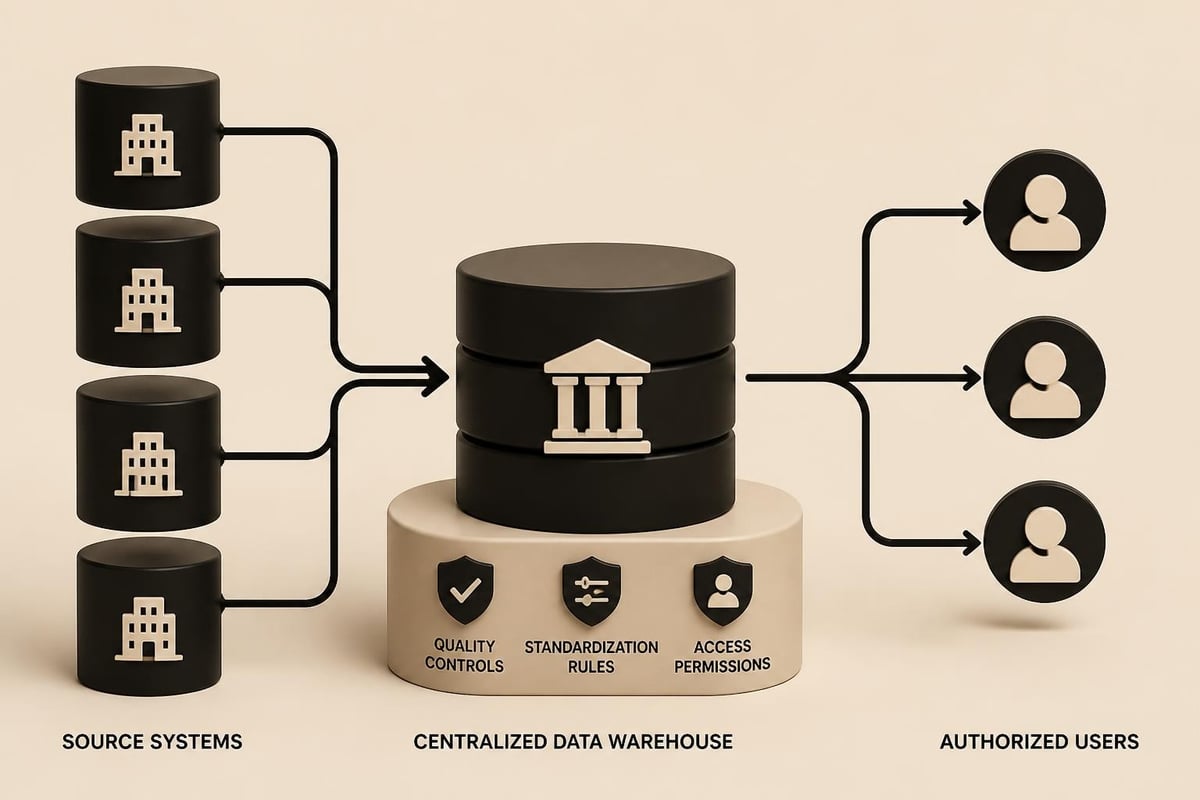
Data integration workflow

Analytics and Business Intelligence Capabilities

Enterprise solutions transform raw data into actionable insights through sophisticated analytics engines. Modern platforms incorporate descriptive analytics explaining historical performance, predictive analytics forecasting future trends, and prescriptive analytics recommending optimal actions. This progression from hindsight to foresight fundamentally changes how organizations make strategic decisions.

Advanced analytics capabilities enable operational excellence through identifying inefficiencies, bottlenecks, and improvement opportunities that remain invisible in manual analysis. Organizations leveraging these capabilities gain competitive advantages through faster response times and more accurate resource allocation.

Implementation Strategies for Enterprise Solutions

Assessment and Requirements Definition

Successful enterprise solution implementations begin with comprehensive assessment of current state operations and future requirements. This phase involves stakeholder interviews, process mapping, pain point identification, and opportunity quantification. Organizations must resist the temptation to simply replicate existing processes in new technology platforms.

Assessment activities include:

  1. Current state documentation of processes and systems
  2. Stakeholder requirement gathering across departments
  3. Gap analysis between current and desired capabilities
  4. Return on investment modeling for potential solutions
  5. Risk assessment for implementation scenarios

The requirements definition phase establishes success criteria and implementation priorities. Not all capabilities need deployment simultaneously; phased approaches often prove more successful by allowing organizational adaptation and early wins building momentum.

Vendor Selection and Partnership Development

Choosing the right technology partner extends beyond feature comparison. Organizations should evaluate vendor financial stability, industry expertise, implementation methodology, and post-deployment support capabilities. The relationship with enterprise solution providers typically spans years, making cultural fit and communication style important selection criteria.

Evaluation Criteria Weight Key Considerations
Functional fit 30% Core capabilities match requirements
Integration capability 25% APIs and connectors to existing systems
Implementation support 20% Methodology, timeline, resource availability
Total cost of ownership 15% Licensing, implementation, ongoing support
Vendor viability 10% Financial health, market position, roadmap

Organizations should request demonstrations using their actual data and workflows rather than generic scenarios. This approach reveals how platforms handle specific complexity and edge cases likely to emerge in production environments.

Change Management and User Adoption

Technology deployment represents only one component of successful enterprise solution implementation. User adoption determines whether organizations realize anticipated benefits. Effective change management programs address the human elements of transformation through communication, training, and support systems.

Change management best practices:

  • Executive sponsorship communicating strategic importance
  • Early involvement of end users in design decisions
  • Comprehensive training programs addressing different learning styles
  • Super-user networks providing peer support
  • Continuous feedback mechanisms identifying adoption barriers

Organizations underestimating change management requirements often experience extended implementation timelines and reduced return on investment. The most sophisticated technology platforms fail when users continue working around systems rather than within them.

Industry-Specific Applications and Considerations

Professional Services Consulting Applications

Professional services organizations face unique operational challenges requiring specialized enterprise solutions. These firms must manage client relationships, project delivery, resource allocation, and knowledge management simultaneously. Integrated platforms addressing these needs create visibility into utilization rates, project profitability, and capacity planning.

Consulting firms benefit from solutions enabling efficient operations and growth through automation of routine tasks and enhanced collaboration capabilities. The ability to quickly assemble cross-functional teams and share expertise across geographic boundaries directly impacts competitive positioning.

Healthcare and Revenue Cycle Focus

Healthcare organizations encounter regulatory complexity and reimbursement challenges requiring specialized enterprise solutions. These platforms must navigate insurance verification, claims submission, denial management, and compliance reporting while maintaining patient satisfaction. Medical coding accuracy directly impacts revenue capture, making this a critical integration point.

Advanced platforms incorporate predictive analytics identifying potential claim denials before submission, allowing preemptive corrections. Organizations leveraging these capabilities report improved first-pass payment rates and reduced days in accounts receivable. The identification of common underpayment issues becomes systematic rather than reactive.

Measuring Return on Investment and Performance

Key Performance Indicators for Enterprise Solutions

Organizations must establish clear metrics evaluating enterprise solution effectiveness. These indicators should align with strategic objectives while providing operational teams actionable insights for continuous improvement. Balanced scorecards incorporating financial, operational, and employee satisfaction metrics provide comprehensive performance views.

Essential KPIs include:

  • Process cycle time reduction measuring efficiency gains
  • Error rate decreases quantifying quality improvements
  • Cost per transaction tracking operational expense trends
  • Employee satisfaction scores gauging change acceptance
  • Revenue capture rates monitoring financial impact
  • System uptime and performance ensuring reliability

Regular performance reviews should compare actual results against baseline measurements and implementation business cases. This accountability ensures ongoing optimization and identifies areas requiring additional attention or investment.
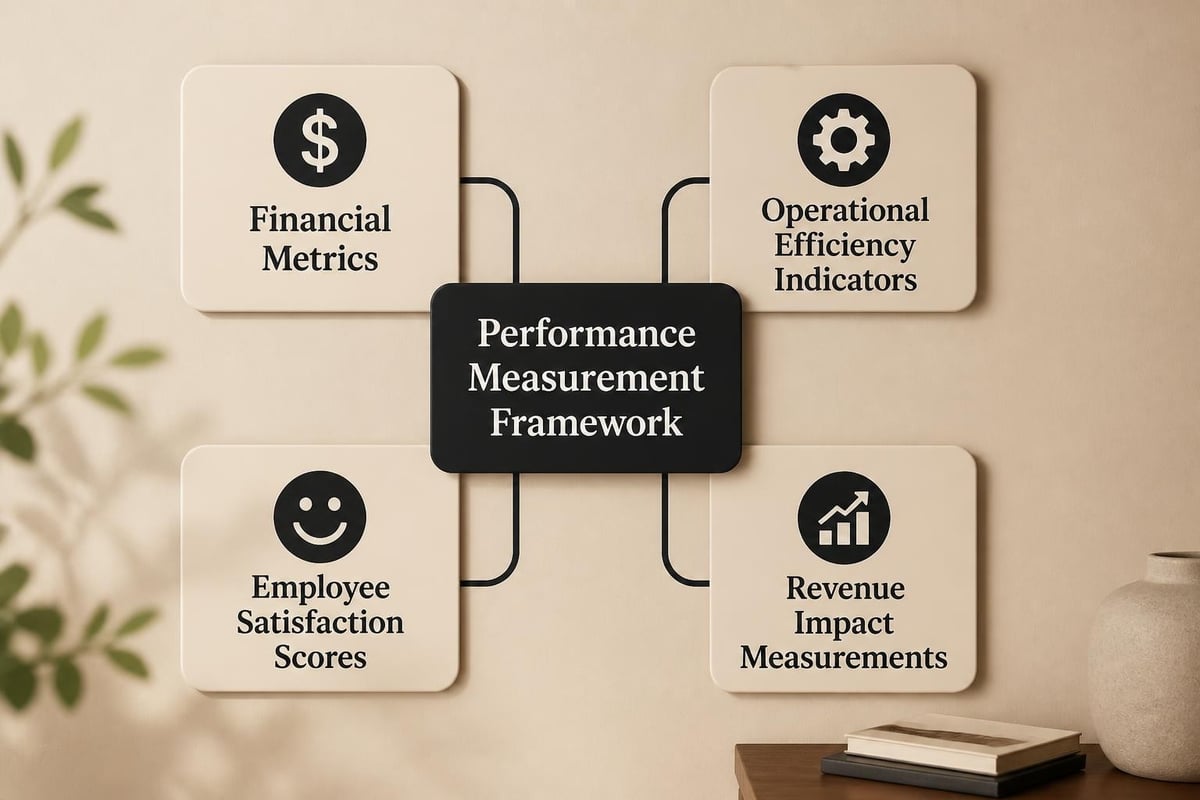
Enterprise solution ROI dashboard

Continuous Improvement and Optimization

Enterprise solution deployment marks the beginning rather than conclusion of transformation journeys. Organizations achieving maximum value treat these platforms as living systems requiring ongoing optimization. This approach involves regular review of business processes, technology capabilities, and user feedback to identify enhancement opportunities.

Optimization strategies encompass:

  1. Quarterly review of automated workflows identifying bottlenecks
  2. User feedback sessions discovering unmet needs
  3. Technology roadmap alignment with vendor releases
  4. Integration expansion connecting additional systems
  5. Advanced feature adoption beyond initial implementation scope

The most successful organizations establish dedicated teams responsible for platform optimization and user enablement. This investment ensures capabilities keep pace with evolving business requirements and technology innovations.

Security, Compliance, and Risk Management

Enterprise solutions handle sensitive organizational data requiring robust security frameworks. Modern platforms must address cybersecurity threats, regulatory compliance requirements, and business continuity concerns simultaneously. Organizations should evaluate vendor security certifications, data encryption standards, and incident response capabilities during selection processes.

Compliance requirements vary by industry and geography. Healthcare organizations must maintain HIPAA compliance, while financial services firms navigate SOX requirements. Enterprise platforms should facilitate rather than complicate compliance through built-in controls, audit trails, and reporting capabilities.

Risk mitigation approaches include:

  • Multi-factor authentication preventing unauthorized access
  • Role-based permissions limiting data exposure
  • Encryption at rest and in transit protecting sensitive information
  • Regular security assessments identifying vulnerabilities
  • Disaster recovery and business continuity planning
  • Vendor security audit participation and transparency

Organizations should maintain incident response plans addressing potential security breaches or system failures. Regular testing of these plans ensures teams can execute effectively under pressure.

Future Trends Shaping Enterprise Solutions

Artificial Intelligence Advancement

The integration of artificial intelligence within enterprise platforms continues accelerating. Research on AI solutions for enterprise troubleshooting demonstrates how weighted retrieval-augmented generation frameworks enhance precision in technical support scenarios. These capabilities extend to predictive maintenance, customer service, and strategic planning applications.

Organizations should monitor AI developments while maintaining realistic expectations about implementation timelines and change requirements. The most valuable AI applications solve specific business problems rather than applying technology for its own sake.

Low-Code and No-Code Development

Enterprise platforms increasingly incorporate low-code development environments enabling business users to create custom workflows and applications without extensive programming knowledge. This democratization of development accelerates innovation while reducing dependence on IT departments for routine modifications.

The balance between empowering business users and maintaining governance requires careful consideration. Organizations must establish standards for low-code development ensuring security, performance, and supportability alongside flexibility.

Edge Computing and Distributed Processing

As organizations expand geographically and adopt Internet of Things devices, edge computing capabilities within enterprise solutions become increasingly important. Processing data closer to sources reduces latency, improves responsiveness, and decreases bandwidth requirements. This architecture proves particularly valuable for manufacturing, logistics, and retail operations.


Enterprise solutions in 2026 represent far more than technology implementations; they embody comprehensive strategies for organizational transformation, operational excellence, and sustained competitive advantage. Organizations successfully navigating this complexity gain significant advantages through improved efficiency, enhanced employee experiences, and data-driven decision making that positions them for long-term success. Nero and Associates, Inc. specializes in helping organizations identify, implement, and optimize enterprise solutions that deliver measurable results across artificial intelligence automation, human capital management, and revenue cycle optimization, ensuring businesses save costs, save time, and improve overall organizational health.

Enterprise Solutions: A Strategic Guide for 2026

Organizations today face unprecedented complexity in managing their operations, workforce, and technology infrastructure. Enterprise solutions have evolved beyond simple software implementations to become comprehensive platforms that integrate artificial intelligence, automation, and advanced analytics to address critical business challenges. These systems now serve as the backbone for organizations seeking to eliminate inefficiencies, reduce operational costs, and create sustainable competitive advantages in an increasingly digital marketplace.

Understanding Modern Enterprise Solutions Architecture

Enterprise solutions represent sophisticated technology ecosystems designed to manage large-scale business operations across multiple departments and geographic locations. Unlike standalone software applications, these platforms integrate seamlessly with existing infrastructure to create a unified operational framework. The architecture typically encompasses data management, process automation, workforce coordination, and real-time analytics capabilities.

Key architectural components include:

  • Centralized data repositories that eliminate information silos
  • API-driven integration layers connecting disparate systems
  • Intelligent automation engines powered by machine learning
  • Role-based access controls ensuring security and compliance
  • Scalable cloud infrastructure supporting growth trajectories

Organizations implementing enterprise technology solutions must consider how different components interact within their specific operational context. The challenge extends beyond technology selection to encompass organizational readiness, change management, and long-term strategic alignment.

Enterprise solution architecture

The Evolution of Enterprise Technology Platforms

The landscape of enterprise solutions has transformed dramatically over the past decade. Traditional monolithic systems have given way to modular, cloud-based platforms that offer unprecedented flexibility and scalability. This evolution reflects changing business requirements, including remote workforce management, real-time decision-making needs, and the imperative to leverage artificial intelligence for competitive advantage.

Modern platforms prioritize interoperability, recognizing that organizations utilize multiple specialized systems. Integration capabilities now determine platform value as much as core functionality. According to research on enterprise IT strategy, organizations increasingly view technology adoption through the lens of digital transformation rather than isolated system implementations.

Critical Components of Comprehensive Enterprise Solutions

Artificial Intelligence and Automation Integration

Artificial intelligence has transitioned from experimental technology to operational necessity within enterprise environments. Organizations leveraging AI-powered automation report significant reductions in manual processing time and operational errors. These capabilities extend across multiple functional areas, from customer service chatbots to predictive maintenance algorithms.

Automation opportunities span:

  1. Document processing and data extraction eliminating manual entry
  2. Workflow orchestration routing tasks based on business rules
  3. Predictive analytics forecasting trends and resource requirements
  4. Natural language processing enhancing customer interactions
  5. Intelligent decision support recommending optimal actions

The implementation of business automation extends beyond large corporations to organizations of all sizes. Small and mid-sized businesses increasingly access enterprise-grade capabilities through cloud platforms, leveling the competitive landscape. Automation investments typically generate returns through labor cost reduction, error minimization, and capacity expansion without proportional headcount increases.

Human Capital Management Solutions

Workforce management represents one of the most impactful applications of enterprise solutions. Modern HCM platforms integrate recruitment, onboarding, performance management, benefits administration, and payroll into unified systems. This integration creates visibility into workforce dynamics while reducing administrative burden on HR teams.

HCM Function Traditional Approach Enterprise Solution
Recruitment Manual resume screening AI-powered candidate matching
Onboarding Paper-based processes Digital workflows with e-signatures
Performance Annual reviews Continuous feedback loops
Benefits Spreadsheet tracking Automated benefits administration
Payroll Manual calculations Integrated payroll automation

Advanced HCM platforms now incorporate employee wellness programs, financial health initiatives, and mental health resources. This holistic approach recognizes that workforce productivity depends on comprehensive support systems addressing physical, mental, and financial wellbeing.

Revenue Cycle Management and Financial Operations

Healthcare organizations and professional services firms face unique challenges in revenue management. Enterprise solutions addressing these needs integrate patient/client engagement, billing processes, claims management, and collections into streamlined workflows. The complexity of healthcare revenue cycle management demands specialized platforms capable of navigating regulatory requirements while maximizing reimbursement.

Financial operations benefit from automation in accounts payable, accounts receivable, and reconciliation processes. Organizations implementing accounts payable automation report significant time savings and improved vendor relationships through timely payments.

Data Governance and Single Source of Truth

One of the most critical challenges organizations face involves avoiding data sprawl across multiple systems and departments. Enterprise solutions address this through establishing a single source of truth for organizational data. This consolidation improves decision-making accuracy, reduces compliance risks, and eliminates the inefficiencies inherent in reconciling conflicting information sources.

Data governance frameworks include:

  • Standardized data definitions and taxonomies
  • Master data management protocols
  • Data quality monitoring and remediation
  • Access controls based on role and need
  • Audit trails documenting data lineage

The implementation of robust data governance requires organizational commitment beyond technology deployment. Business leaders must establish clear ownership, accountability, and processes for maintaining data integrity over time.

Data integration workflow

Analytics and Business Intelligence Capabilities

Enterprise solutions transform raw data into actionable insights through sophisticated analytics engines. Modern platforms incorporate descriptive analytics explaining historical performance, predictive analytics forecasting future trends, and prescriptive analytics recommending optimal actions. This progression from hindsight to foresight fundamentally changes how organizations make strategic decisions.

Advanced analytics capabilities enable operational excellence through identifying inefficiencies, bottlenecks, and improvement opportunities that remain invisible in manual analysis. Organizations leveraging these capabilities gain competitive advantages through faster response times and more accurate resource allocation.

Implementation Strategies for Enterprise Solutions

Assessment and Requirements Definition

Successful enterprise solution implementations begin with comprehensive assessment of current state operations and future requirements. This phase involves stakeholder interviews, process mapping, pain point identification, and opportunity quantification. Organizations must resist the temptation to simply replicate existing processes in new technology platforms.

Assessment activities include:

  1. Current state documentation of processes and systems
  2. Stakeholder requirement gathering across departments
  3. Gap analysis between current and desired capabilities
  4. Return on investment modeling for potential solutions
  5. Risk assessment for implementation scenarios

The requirements definition phase establishes success criteria and implementation priorities. Not all capabilities need deployment simultaneously; phased approaches often prove more successful by allowing organizational adaptation and early wins building momentum.

Vendor Selection and Partnership Development

Choosing the right technology partner extends beyond feature comparison. Organizations should evaluate vendor financial stability, industry expertise, implementation methodology, and post-deployment support capabilities. The relationship with enterprise solution providers typically spans years, making cultural fit and communication style important selection criteria.

Evaluation Criteria Weight Key Considerations
Functional fit 30% Core capabilities match requirements
Integration capability 25% APIs and connectors to existing systems
Implementation support 20% Methodology, timeline, resource availability
Total cost of ownership 15% Licensing, implementation, ongoing support
Vendor viability 10% Financial health, market position, roadmap

Organizations should request demonstrations using their actual data and workflows rather than generic scenarios. This approach reveals how platforms handle specific complexity and edge cases likely to emerge in production environments.

Change Management and User Adoption

Technology deployment represents only one component of successful enterprise solution implementation. User adoption determines whether organizations realize anticipated benefits. Effective change management programs address the human elements of transformation through communication, training, and support systems.

Change management best practices:

  • Executive sponsorship communicating strategic importance
  • Early involvement of end users in design decisions
  • Comprehensive training programs addressing different learning styles
  • Super-user networks providing peer support
  • Continuous feedback mechanisms identifying adoption barriers

Organizations underestimating change management requirements often experience extended implementation timelines and reduced return on investment. The most sophisticated technology platforms fail when users continue working around systems rather than within them.

Industry-Specific Applications and Considerations

Professional Services Consulting Applications

Professional services organizations face unique operational challenges requiring specialized enterprise solutions. These firms must manage client relationships, project delivery, resource allocation, and knowledge management simultaneously. Integrated platforms addressing these needs create visibility into utilization rates, project profitability, and capacity planning.

Consulting firms benefit from solutions enabling efficient operations and growth through automation of routine tasks and enhanced collaboration capabilities. The ability to quickly assemble cross-functional teams and share expertise across geographic boundaries directly impacts competitive positioning.

Healthcare and Revenue Cycle Focus

Healthcare organizations encounter regulatory complexity and reimbursement challenges requiring specialized enterprise solutions. These platforms must navigate insurance verification, claims submission, denial management, and compliance reporting while maintaining patient satisfaction. Medical coding accuracy directly impacts revenue capture, making this a critical integration point.

Advanced platforms incorporate predictive analytics identifying potential claim denials before submission, allowing preemptive corrections. Organizations leveraging these capabilities report improved first-pass payment rates and reduced days in accounts receivable. The identification of common underpayment issues becomes systematic rather than reactive.

Measuring Return on Investment and Performance

Key Performance Indicators for Enterprise Solutions

Organizations must establish clear metrics evaluating enterprise solution effectiveness. These indicators should align with strategic objectives while providing operational teams actionable insights for continuous improvement. Balanced scorecards incorporating financial, operational, and employee satisfaction metrics provide comprehensive performance views.

Essential KPIs include:

  • Process cycle time reduction measuring efficiency gains
  • Error rate decreases quantifying quality improvements
  • Cost per transaction tracking operational expense trends
  • Employee satisfaction scores gauging change acceptance
  • Revenue capture rates monitoring financial impact
  • System uptime and performance ensuring reliability

Regular performance reviews should compare actual results against baseline measurements and implementation business cases. This accountability ensures ongoing optimization and identifies areas requiring additional attention or investment.

Enterprise solution ROI dashboard

Continuous Improvement and Optimization

Enterprise solution deployment marks the beginning rather than conclusion of transformation journeys. Organizations achieving maximum value treat these platforms as living systems requiring ongoing optimization. This approach involves regular review of business processes, technology capabilities, and user feedback to identify enhancement opportunities.

Optimization strategies encompass:

  1. Quarterly review of automated workflows identifying bottlenecks
  2. User feedback sessions discovering unmet needs
  3. Technology roadmap alignment with vendor releases
  4. Integration expansion connecting additional systems
  5. Advanced feature adoption beyond initial implementation scope

The most successful organizations establish dedicated teams responsible for platform optimization and user enablement. This investment ensures capabilities keep pace with evolving business requirements and technology innovations.

Security, Compliance, and Risk Management

Enterprise solutions handle sensitive organizational data requiring robust security frameworks. Modern platforms must address cybersecurity threats, regulatory compliance requirements, and business continuity concerns simultaneously. Organizations should evaluate vendor security certifications, data encryption standards, and incident response capabilities during selection processes.

Compliance requirements vary by industry and geography. Healthcare organizations must maintain HIPAA compliance, while financial services firms navigate SOX requirements. Enterprise platforms should facilitate rather than complicate compliance through built-in controls, audit trails, and reporting capabilities.

Risk mitigation approaches include:

  • Multi-factor authentication preventing unauthorized access
  • Role-based permissions limiting data exposure
  • Encryption at rest and in transit protecting sensitive information
  • Regular security assessments identifying vulnerabilities
  • Disaster recovery and business continuity planning
  • Vendor security audit participation and transparency

Organizations should maintain incident response plans addressing potential security breaches or system failures. Regular testing of these plans ensures teams can execute effectively under pressure.

Future Trends Shaping Enterprise Solutions

Artificial Intelligence Advancement

The integration of artificial intelligence within enterprise platforms continues accelerating. Research on AI solutions for enterprise troubleshooting demonstrates how weighted retrieval-augmented generation frameworks enhance precision in technical support scenarios. These capabilities extend to predictive maintenance, customer service, and strategic planning applications.

Organizations should monitor AI developments while maintaining realistic expectations about implementation timelines and change requirements. The most valuable AI applications solve specific business problems rather than applying technology for its own sake.

Low-Code and No-Code Development

Enterprise platforms increasingly incorporate low-code development environments enabling business users to create custom workflows and applications without extensive programming knowledge. This democratization of development accelerates innovation while reducing dependence on IT departments for routine modifications.

The balance between empowering business users and maintaining governance requires careful consideration. Organizations must establish standards for low-code development ensuring security, performance, and supportability alongside flexibility.

Edge Computing and Distributed Processing

As organizations expand geographically and adopt Internet of Things devices, edge computing capabilities within enterprise solutions become increasingly important. Processing data closer to sources reduces latency, improves responsiveness, and decreases bandwidth requirements. This architecture proves particularly valuable for manufacturing, logistics, and retail operations.


Enterprise solutions in 2026 represent far more than technology implementations; they embody comprehensive strategies for organizational transformation, operational excellence, and sustained competitive advantage. Organizations successfully navigating this complexity gain significant advantages through improved efficiency, enhanced employee experiences, and data-driven decision making that positions them for long-term success. Nero and Associates, Inc. specializes in helping organizations identify, implement, and optimize enterprise solutions that deliver measurable results across artificial intelligence automation, human capital management, and revenue cycle optimization, ensuring businesses save costs, save time, and improve overall organizational health.

Website developed in accordance with Web Content Accessibility Guidelines 2.2.
If you encounter any issues while using this site, please contact us: 215.526.5126