

Time and Attendance: A Complete Guide for 2026

Share on Facebook
Share on X
Share on LinkedIn

Effective workforce management begins with accurate time and attendance tracking. Organizations that implement robust systems to monitor employee hours, absences, and scheduling patterns position themselves for improved operational efficiency and cost savings. As businesses navigate increasingly complex labor regulations and remote work arrangements in 2026, the need for sophisticated time and attendance solutions has never been more critical. These systems serve as the foundation for payroll accuracy, compliance adherence, and strategic workforce planning.

Understanding Time and Attendance Systems

Time and attendance systems represent the technological infrastructure organizations use to record when employees begin work, take breaks, and end their shifts. These platforms have evolved dramatically from manual punch cards to cloud-based solutions that integrate seamlessly with payroll, human resources, and enterprise resource planning systems.

Modern time and attendance platforms capture far more than simple clock-in and clock-out data. They track overtime hours, manage shift differentials, monitor paid time off balances, and generate detailed reports for labor cost analysis. Organizations leveraging these systems gain visibility into workforce patterns that inform strategic decisions about staffing levels, scheduling optimization, and budget allocation.
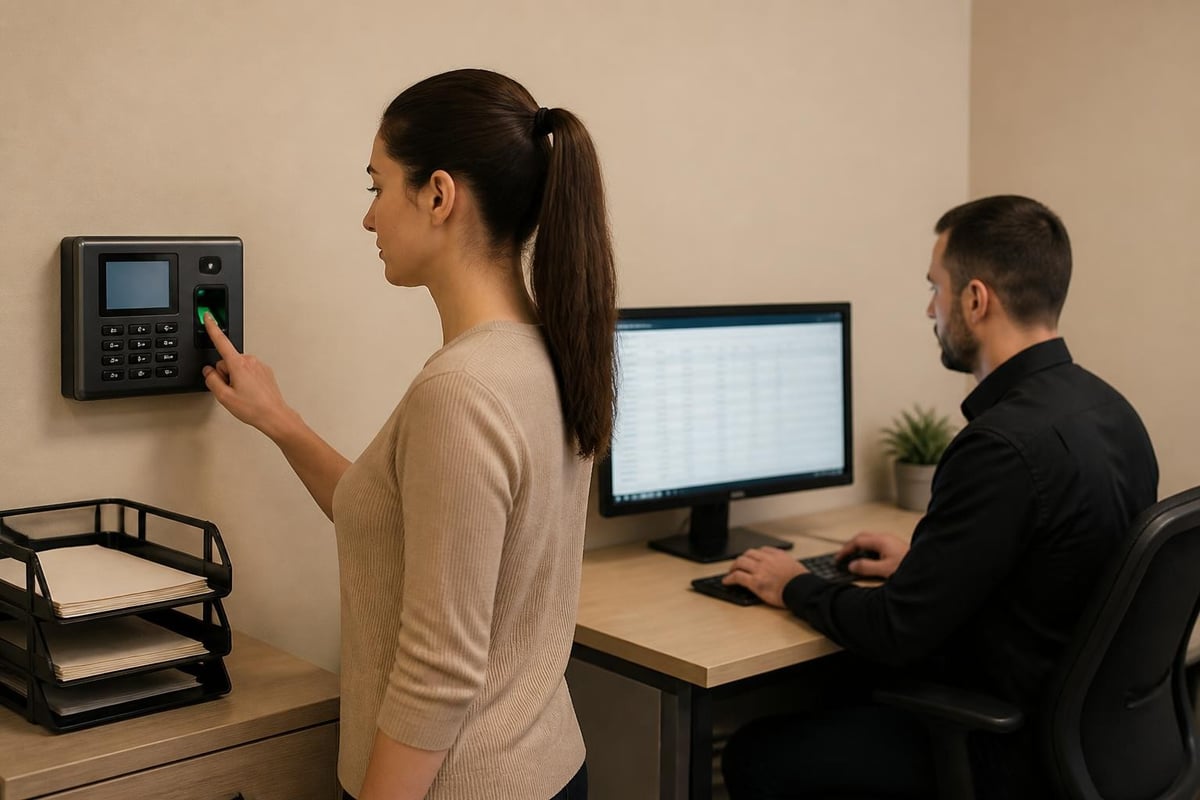
Time and attendance system architecture

Core Components of Modern Solutions

Effective time and attendance management requires several interconnected elements working in harmony:

  • Data capture mechanisms including biometric scanners, mobile applications, web portals, and physical time clocks
  • Scheduling modules that enable managers to create shifts, assign employees, and manage coverage requirements
  • Leave management systems tracking vacation requests, sick days, and other absences
  • Payroll integration capabilities ensuring accurate wage calculations and tax withholdings
  • Compliance monitoring tools that flag potential Fair Labor Standards Act violations
  • Reporting dashboards providing real-time visibility into labor costs and attendance patterns

The best time and attendance systems combine these features into unified platforms that eliminate data silos and reduce administrative burden. Organizations investing in comprehensive solutions typically see returns through reduced payroll errors, decreased time theft, and improved labor cost management.

Implementation Best Practices

Deploying a time and attendance system requires careful planning and stakeholder engagement. Success depends on selecting appropriate technology, configuring policies correctly, and training employees thoroughly.

Assessment and Selection

Begin by conducting a comprehensive needs analysis that examines current pain points, regulatory requirements, and integration needs. Document your organization's unique scheduling patterns, pay rules, and reporting requirements before evaluating vendor solutions. This groundwork ensures you select a platform capable of supporting your specific operational model.

Consider the following factors during vendor evaluation:

Criteria Considerations
Scalability Can the system accommodate growth in headcount and locations?
Integration Does it connect with existing HRIS and payroll platforms?
Compliance Are regulatory rules for your industry built into the system?
User Experience Is the interface intuitive for both employees and managers?
Support What implementation assistance and ongoing support are provided?
Cost Structure Are there hidden fees beyond the base subscription price?

Organizations should request demonstrations using their actual use cases rather than generic scenarios. Testing how a system handles complex scheduling rules, union contracts, or multi-state operations reveals whether it can genuinely meet operational needs.

Configuration and Rollout

Once you've selected a platform, invest adequate time in configuration. Map your pay policies, overtime rules, rounding protocols, and approval workflows into the system accurately. Incorrect configuration creates downstream payroll errors that damage employee trust and create compliance risks.

Deputy’s best practices for tracking employee time and attendance emphasize the importance of clear communication during implementation. Employees need to understand why the organization is adopting new technology, how it benefits them, and what behaviors are expected.

Effective rollout strategies include:

  1. Pilot testing with a single department or location before company-wide deployment
  2. Comprehensive training delivered through multiple formats including videos, written guides, and hands-on sessions
  3. Designated champions who can answer questions and troubleshoot issues during the transition period
  4. Feedback mechanisms allowing employees to report problems and suggest improvements
  5. Gradual feature activation rather than overwhelming users with all capabilities simultaneously

Compliance and Legal Considerations

Time and attendance systems play a critical role in maintaining compliance with federal, state, and local labor regulations. The Fair Labor Standards Act establishes standards for minimum wage, overtime pay, recordkeeping, and child labor. Organizations failing to maintain accurate time records expose themselves to costly wage and hour lawsuits.

Record Retention Requirements

Federal law requires employers to preserve time and attendance records for at least three years. These records must include:

  • Employee personal information including name, address, occupation, and birth date
  • Hours worked each workday and total hours worked each workweek
  • Basis of wage payment (hourly rate, weekly salary, commission structure)
  • Regular hourly pay rate for weeks when overtime is worked
  • Total daily or weekly straight-time earnings
  • Total overtime earnings for each workweek
  • All additions to or deductions from wages
  • Total wages paid each pay period
  • Date of payment and pay period covered

Automated time and attendance systems maintain these records electronically, simplifying audit preparation and ensuring data accessibility. Organizations should verify that their chosen platform provides adequate retention capabilities and allows for secure data export if changing vendors.

Labor law compliance framework

Exempt vs. Non-Exempt Distinctions

Understanding which employees require time tracking represents another critical compliance consideration. While non-exempt employees must have their hours tracked for overtime calculation purposes, many organizations track exempt employee time for project costing, absence management, and workforce planning purposes.

According to 29 CFR § 785.27, specific conditions determine when attendance at lectures, meetings, and training programs counts as compensable work time. Time and attendance systems should accommodate these nuances through configurable rules that distinguish between various activity types.

Automation and Integration Benefits

The true power of modern time and attendance technology emerges through automation and integration capabilities. When these systems connect with other business platforms, they eliminate manual data entry, reduce errors, and accelerate processes.

Payroll Integration

Direct integration between time and attendance systems and payroll platforms represents the most common and valuable connection. This integration ensures that hours worked flow automatically into wage calculations without manual intervention. Organizations processing payroll without integrated time data face significantly higher error rates and administrative costs.

At Nero and Associates, Inc., we've helped numerous organizations eliminate thousands of hours of manual processes through strategic automation. Integrated time and attendance represents a foundational element of this transformation, creating a single source of truth for labor data across the enterprise.

The automation benefits extend beyond simple data transfer:

  • Automated overtime calculations applying complex rules for daily, weekly, and consecutive-day overtime
  • Shift differential application ensuring premium pay for evening, weekend, or holiday work
  • Tip allocation for hospitality organizations managing tipped employees
  • Multi-state tax calculations for organizations with employees working across jurisdictions
  • Garnishment processing applying court-ordered deductions accurately

Human Capital Management Ecosystem

Time and attendance data informs broader human capital management strategies when integrated with performance management, learning management, and workforce analytics platforms. Organizations gain insights into relationships between attendance patterns and productivity, engagement, or turnover.

Consider these analytical possibilities:

Analysis Type Business Value
Absenteeism Trends Identify departments with attendance issues requiring intervention
Overtime Patterns Detect chronic understaffing before burnout impacts retention
Schedule Adherence Measure compliance with assigned shifts and identify chronic tardiness
Labor Cost Variance Compare actual vs. budgeted labor expenses at granular levels
Productivity Correlation Examine relationships between work hours and output metrics

Addressing Time Theft and Buddy Punching

Time theft through buddy punching, where one employee clocks in for another, costs organizations billions annually. Traditional time clocks with cards or PIN codes remain vulnerable to this practice. Biometric time and attendance systems using fingerprint, facial recognition, or iris scanning eliminate buddy punching entirely.

Biometric Solutions

Research on fingerprint-based attendance systems demonstrates the technical feasibility and accuracy of biometric verification for workforce management. These systems verify identity at the point of clock-in, ensuring the person recording time is actually the assigned employee.

Organizations implementing biometric solutions should consider:

  • Privacy regulations in jurisdictions like Illinois, Texas, and Washington that restrict biometric data collection
  • Employee consent requirements mandating written authorization before collecting biometric information
  • Data security protocols protecting sensitive biometric data from breaches
  • Alternative verification methods for employees unable to use biometric scanners due to disabilities
  • Retention policies specifying how long biometric data is stored and when it's destroyed

Mobile Time Tracking

Remote and field workers present unique challenges for time and attendance management. Mobile applications with GPS verification enable employees to clock in from job sites while providing organizations with location data confirming their presence.

Rippling’s discussion of tracking employee attendance highlights mobile time tracking as increasingly essential for distributed workforces. These solutions support geofencing, which automatically records time when employees enter or exit designated work areas.

Employee Engagement and Time Tracking

While time and attendance systems primarily serve operational and compliance purposes, they significantly impact employee experience and engagement. Poorly designed systems create frustration through difficult-to-use interfaces, inaccurate time calculations, or opaque approval processes.

Transparency and Access

Employees value visibility into their own time records, accrual balances, and schedule assignments. Self-service portals allowing workers to view their attendance history, request time off, and swap shifts with colleagues improve satisfaction and reduce administrative inquiries.

Research on employee engagement and time tracking indicates that organizations treating employees as partners in attendance management rather than subjects of surveillance achieve better outcomes. This partnership approach includes:

  • Clear communication about attendance policies and consequences for violations
  • Fair application of rules across all employee levels without favoritism
  • Reasonable flexibility accommodating legitimate personal needs when possible
  • Regular feedback on attendance performance rather than waiting for annual reviews
  • Recognition programs acknowledging employees with excellent attendance records

Schedule Optimization

Advanced time and attendance platforms include scheduling modules that balance business needs with employee preferences. These systems consider availability, skills, labor laws, and fatigue management rules when building schedules.

Optimized scheduling reduces burnout, improves work-life balance, and enhances retention. Employees appreciate predictable schedules published with adequate advance notice, opportunities to request preferred shifts, and equitable distribution of desirable and undesirable times.
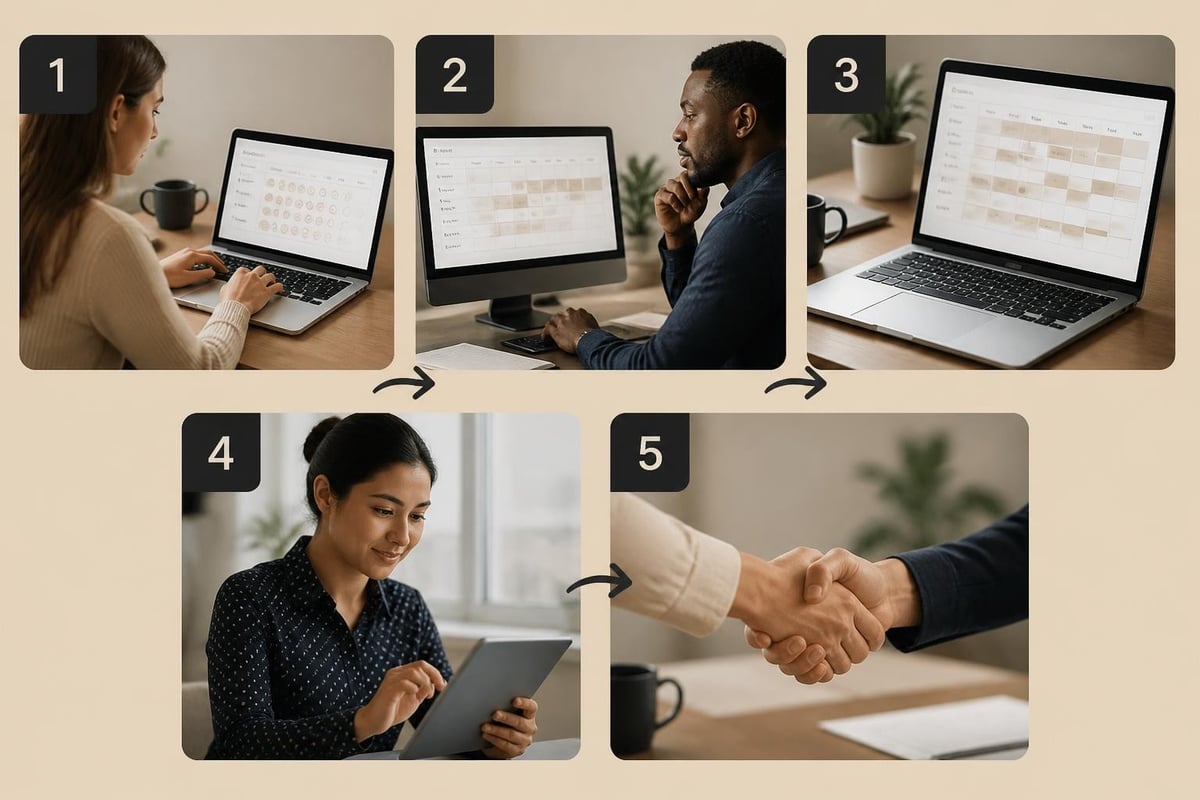
Employee scheduling workflow

Workforce Analytics and Strategic Planning

Time and attendance data represents a goldmine for organizations committed to data-driven decision making. Historical patterns reveal insights about seasonal fluctuations, departmental efficiency, and labor cost drivers that inform strategic workforce planning.

Predictive Workforce Management

Organizations can leverage time and attendance analytics to forecast future staffing needs based on historical patterns. Retailers examining holiday season data from previous years can optimize hiring timelines and schedule allocation. Healthcare providers analyzing patient volume patterns can ensure appropriate nurse-to-patient ratios during peak periods.

Predictive capabilities extend to:

  1. Turnover prediction identifying employees with attendance patterns associated with voluntary departures
  2. Overtime forecasting projecting premium pay expenses based on scheduled work volumes
  3. Absence anticipation estimating unplanned absence rates for more accurate schedule creation
  4. Peak demand preparation ensuring adequate staffing during historically busy periods
  5. Budget accuracy creating more precise labor cost projections for financial planning

Labor Cost Optimization

Time and attendance systems provide the granular data necessary for sophisticated labor cost management. Organizations can analyze costs by department, project, client, location, or any other relevant dimension.

For professional services firms, accurate time tracking enables proper client billing and project profitability analysis. Understanding which engagements consume disproportionate resources relative to revenue informs pricing strategies and resource allocation decisions. This operational insight aligns directly with achieving growth and efficiency in your operations.

Managing Exceptions and Special Situations

No time and attendance system can anticipate every possible scenario organizations encounter. Effective solutions provide flexibility for managing exceptions while maintaining compliance and control.

Special Pay Situations

Organizations frequently encounter situations requiring manual intervention or special handling:

  • Bereavement leave not covered by standard PTO policies
  • Jury duty requiring paid time off with specific documentation
  • Military leave governed by Uniformed Services Employment and Reemployment Rights Act requirements
  • Workers' compensation time that may or may not count toward FMLA entitlements
  • Retroactive adjustments correcting previously processed pay periods

Time and attendance platforms should accommodate these exceptions through configurable pay codes and approval workflows that maintain audit trails while allowing necessary flexibility.

Dispute Resolution

Despite best efforts, employees sometimes disagree with recorded time data. Effective systems include dispute resolution processes allowing workers to flag discrepancies and request corrections. Transparent dispute handling builds trust and ensures legitimate concerns receive appropriate attention.

Best practices for managing time disputes include:

Element Description
Clear Submission Process Easy-to-find mechanism for reporting discrepancies
Defined Timelines Specific response windows (e.g., resolution within 48 hours)
Evidence Evaluation Objective review of available documentation supporting each position
Supervisor Involvement Manager review and approval for significant adjustments
Documentation Requirements Written records explaining resolution decisions for future reference
Appeal Options Secondary review process for employees dissatisfied with initial decisions

Technology Trends Shaping the Future

Time and attendance technology continues evolving rapidly as artificial intelligence, machine learning, and advanced analytics create new possibilities for workforce management.

AI-Powered Predictions

Artificial intelligence enables increasingly sophisticated forecasting of staffing needs, absence patterns, and schedule optimization. Machine learning algorithms identify subtle patterns humans might miss, such as correlations between weather conditions and call-in rates or relationships between consecutive work days and productivity levels.

Organizations embracing artificial intelligence and automation solutions gain competitive advantages through more efficient resource allocation and reduced labor waste. These technologies complement time and attendance systems by providing actionable insights rather than just historical reports.

Voice and Conversational Interfaces

Emerging time and attendance solutions incorporate voice-activated capabilities allowing employees to clock in, request time off, or check schedules through natural language interactions. Chatbot interfaces answer common questions about policies, balances, and procedures without requiring human intervention.

These conversational systems reduce barriers to system adoption, particularly for employees less comfortable with traditional software interfaces. They also free HR staff from repetitive inquiries, allowing focus on strategic initiatives.

Wearable Technology Integration

Smartwatches and fitness trackers present opportunities for frictionless time tracking. Employees can clock in with a wrist tap rather than visiting a physical time clock or opening a mobile application. Location services verify presence while biometric sensors confirm identity.

Some organizations explore wellness program integration, where time and attendance platforms connect with fitness data to support employee health and financial wellness initiatives. However, these integrations require careful consideration of privacy regulations and employee consent.

Measuring System ROI

Investing in time and attendance technology requires justification through measurable returns. Organizations should establish baseline metrics before implementation and track improvements across multiple dimensions.

Quantifiable Benefits

Calculate return on investment by measuring:

  • Payroll error reduction comparing pre- and post-implementation discrepancy rates
  • Administrative time savings tracking hours spent on manual data entry and corrections
  • Overtime cost reduction through better scheduling and visibility into approaching thresholds
  • Time theft elimination estimating buddy punching and extended breaks prevented
  • Compliance risk mitigation valuing avoided penalties and lawsuit settlements

Beyond direct financial returns, consider operational improvements like faster pay period close times, reduced employee inquiries about pay discrepancies, and enhanced manager visibility into team attendance.

Qualitative Improvements

Not all benefits translate neatly into dollar figures, yet they create substantial organizational value:

  • Enhanced employee experience through self-service capabilities and schedule transparency
  • Improved decision-making based on accurate, timely workforce data
  • Reduced manager stress from automated calculations replacing manual spreadsheets
  • Greater confidence in compliance with complex, evolving labor regulations
  • Strategic capability to analyze workforce trends and patterns previously invisible

Following best practices for employee timekeeping ensures organizations maximize both quantifiable and qualitative returns from their time and attendance investments.

Selecting the Right Partner

Implementation success depends significantly on vendor selection. Beyond evaluating software capabilities, assess the company's implementation methodology, training resources, and ongoing support quality.

Vendor Evaluation Criteria

Strong time and attendance vendors demonstrate:

  • Industry expertise understanding unique challenges in your sector
  • Implementation track record with references from similar organizations
  • Regular platform updates incorporating regulatory changes and new features
  • Responsive support accessible through multiple channels when issues arise
  • Data security commitments including SOC 2 compliance and encryption protocols
  • Transparent pricing without surprise fees for essential features

Request detailed implementation timelines, identify potential risks, and clarify responsibilities between your team and the vendor. Understanding change management support available during rollout often differentiates successful deployments from problematic ones.

Comprehensive Resource Guide

Organizations seeking additional implementation guidance can reference comprehensive time and attendance guides covering tracking methods, compliance requirements, and technology selection frameworks. These resources provide templates, checklists, and planning tools streamlining the evaluation and deployment process.

Working with experienced consulting professionals accelerates implementation while avoiding common pitfalls that derail projects or limit realized benefits. Expert guidance proves particularly valuable for organizations managing complex pay rules, multi-jurisdictional operations, or legacy system integrations.


Implementing effective time and attendance systems delivers measurable operational improvements while ensuring regulatory compliance and enhancing employee experience. Organizations that approach these deployments strategically position themselves for reduced costs, improved accuracy, and data-driven workforce decisions. Nero and Associates, Inc. specializes in helping organizations transform their operations through intelligent automation and human capital management solutions that eliminate manual processes and drive bottom-line results. Contact our team to discover how performance-based consulting can optimize your workforce management systems and unlock new efficiency gains across your enterprise.

Time and Attendance: A Complete Guide for 2026

Effective workforce management begins with accurate time and attendance tracking. Organizations that implement robust systems to monitor employee hours, absences, and scheduling patterns position themselves for improved operational efficiency and cost savings. As businesses navigate increasingly complex labor regulations and remote work arrangements in 2026, the need for sophisticated time and attendance solutions has never been more critical. These systems serve as the foundation for payroll accuracy, compliance adherence, and strategic workforce planning.

Understanding Time and Attendance Systems

Time and attendance systems represent the technological infrastructure organizations use to record when employees begin work, take breaks, and end their shifts. These platforms have evolved dramatically from manual punch cards to cloud-based solutions that integrate seamlessly with payroll, human resources, and enterprise resource planning systems.

Modern time and attendance platforms capture far more than simple clock-in and clock-out data. They track overtime hours, manage shift differentials, monitor paid time off balances, and generate detailed reports for labor cost analysis. Organizations leveraging these systems gain visibility into workforce patterns that inform strategic decisions about staffing levels, scheduling optimization, and budget allocation.

Time and attendance system architecture

Core Components of Modern Solutions

Effective time and attendance management requires several interconnected elements working in harmony:

  • Data capture mechanisms including biometric scanners, mobile applications, web portals, and physical time clocks
  • Scheduling modules that enable managers to create shifts, assign employees, and manage coverage requirements
  • Leave management systems tracking vacation requests, sick days, and other absences
  • Payroll integration capabilities ensuring accurate wage calculations and tax withholdings
  • Compliance monitoring tools that flag potential Fair Labor Standards Act violations
  • Reporting dashboards providing real-time visibility into labor costs and attendance patterns

The best time and attendance systems combine these features into unified platforms that eliminate data silos and reduce administrative burden. Organizations investing in comprehensive solutions typically see returns through reduced payroll errors, decreased time theft, and improved labor cost management.

Implementation Best Practices

Deploying a time and attendance system requires careful planning and stakeholder engagement. Success depends on selecting appropriate technology, configuring policies correctly, and training employees thoroughly.

Assessment and Selection

Begin by conducting a comprehensive needs analysis that examines current pain points, regulatory requirements, and integration needs. Document your organization's unique scheduling patterns, pay rules, and reporting requirements before evaluating vendor solutions. This groundwork ensures you select a platform capable of supporting your specific operational model.

Consider the following factors during vendor evaluation:

Criteria Considerations
Scalability Can the system accommodate growth in headcount and locations?
Integration Does it connect with existing HRIS and payroll platforms?
Compliance Are regulatory rules for your industry built into the system?
User Experience Is the interface intuitive for both employees and managers?
Support What implementation assistance and ongoing support are provided?
Cost Structure Are there hidden fees beyond the base subscription price?

Organizations should request demonstrations using their actual use cases rather than generic scenarios. Testing how a system handles complex scheduling rules, union contracts, or multi-state operations reveals whether it can genuinely meet operational needs.

Configuration and Rollout

Once you've selected a platform, invest adequate time in configuration. Map your pay policies, overtime rules, rounding protocols, and approval workflows into the system accurately. Incorrect configuration creates downstream payroll errors that damage employee trust and create compliance risks.

Deputy’s best practices for tracking employee time and attendance emphasize the importance of clear communication during implementation. Employees need to understand why the organization is adopting new technology, how it benefits them, and what behaviors are expected.

Effective rollout strategies include:

  1. Pilot testing with a single department or location before company-wide deployment
  2. Comprehensive training delivered through multiple formats including videos, written guides, and hands-on sessions
  3. Designated champions who can answer questions and troubleshoot issues during the transition period
  4. Feedback mechanisms allowing employees to report problems and suggest improvements
  5. Gradual feature activation rather than overwhelming users with all capabilities simultaneously

Compliance and Legal Considerations

Time and attendance systems play a critical role in maintaining compliance with federal, state, and local labor regulations. The Fair Labor Standards Act establishes standards for minimum wage, overtime pay, recordkeeping, and child labor. Organizations failing to maintain accurate time records expose themselves to costly wage and hour lawsuits.

Record Retention Requirements

Federal law requires employers to preserve time and attendance records for at least three years. These records must include:

  • Employee personal information including name, address, occupation, and birth date
  • Hours worked each workday and total hours worked each workweek
  • Basis of wage payment (hourly rate, weekly salary, commission structure)
  • Regular hourly pay rate for weeks when overtime is worked
  • Total daily or weekly straight-time earnings
  • Total overtime earnings for each workweek
  • All additions to or deductions from wages
  • Total wages paid each pay period
  • Date of payment and pay period covered

Automated time and attendance systems maintain these records electronically, simplifying audit preparation and ensuring data accessibility. Organizations should verify that their chosen platform provides adequate retention capabilities and allows for secure data export if changing vendors.

Labor law compliance framework

Exempt vs. Non-Exempt Distinctions

Understanding which employees require time tracking represents another critical compliance consideration. While non-exempt employees must have their hours tracked for overtime calculation purposes, many organizations track exempt employee time for project costing, absence management, and workforce planning purposes.

According to 29 CFR § 785.27, specific conditions determine when attendance at lectures, meetings, and training programs counts as compensable work time. Time and attendance systems should accommodate these nuances through configurable rules that distinguish between various activity types.

Automation and Integration Benefits

The true power of modern time and attendance technology emerges through automation and integration capabilities. When these systems connect with other business platforms, they eliminate manual data entry, reduce errors, and accelerate processes.

Payroll Integration

Direct integration between time and attendance systems and payroll platforms represents the most common and valuable connection. This integration ensures that hours worked flow automatically into wage calculations without manual intervention. Organizations processing payroll without integrated time data face significantly higher error rates and administrative costs.

At Nero and Associates, Inc., we've helped numerous organizations eliminate thousands of hours of manual processes through strategic automation. Integrated time and attendance represents a foundational element of this transformation, creating a single source of truth for labor data across the enterprise.

The automation benefits extend beyond simple data transfer:

  • Automated overtime calculations applying complex rules for daily, weekly, and consecutive-day overtime
  • Shift differential application ensuring premium pay for evening, weekend, or holiday work
  • Tip allocation for hospitality organizations managing tipped employees
  • Multi-state tax calculations for organizations with employees working across jurisdictions
  • Garnishment processing applying court-ordered deductions accurately

Human Capital Management Ecosystem

Time and attendance data informs broader human capital management strategies when integrated with performance management, learning management, and workforce analytics platforms. Organizations gain insights into relationships between attendance patterns and productivity, engagement, or turnover.

Consider these analytical possibilities:

Analysis Type Business Value
Absenteeism Trends Identify departments with attendance issues requiring intervention
Overtime Patterns Detect chronic understaffing before burnout impacts retention
Schedule Adherence Measure compliance with assigned shifts and identify chronic tardiness
Labor Cost Variance Compare actual vs. budgeted labor expenses at granular levels
Productivity Correlation Examine relationships between work hours and output metrics

Addressing Time Theft and Buddy Punching

Time theft through buddy punching, where one employee clocks in for another, costs organizations billions annually. Traditional time clocks with cards or PIN codes remain vulnerable to this practice. Biometric time and attendance systems using fingerprint, facial recognition, or iris scanning eliminate buddy punching entirely.

Biometric Solutions

Research on fingerprint-based attendance systems demonstrates the technical feasibility and accuracy of biometric verification for workforce management. These systems verify identity at the point of clock-in, ensuring the person recording time is actually the assigned employee.

Organizations implementing biometric solutions should consider:

  • Privacy regulations in jurisdictions like Illinois, Texas, and Washington that restrict biometric data collection
  • Employee consent requirements mandating written authorization before collecting biometric information
  • Data security protocols protecting sensitive biometric data from breaches
  • Alternative verification methods for employees unable to use biometric scanners due to disabilities
  • Retention policies specifying how long biometric data is stored and when it's destroyed

Mobile Time Tracking

Remote and field workers present unique challenges for time and attendance management. Mobile applications with GPS verification enable employees to clock in from job sites while providing organizations with location data confirming their presence.

Rippling’s discussion of tracking employee attendance highlights mobile time tracking as increasingly essential for distributed workforces. These solutions support geofencing, which automatically records time when employees enter or exit designated work areas.

Employee Engagement and Time Tracking

While time and attendance systems primarily serve operational and compliance purposes, they significantly impact employee experience and engagement. Poorly designed systems create frustration through difficult-to-use interfaces, inaccurate time calculations, or opaque approval processes.

Transparency and Access

Employees value visibility into their own time records, accrual balances, and schedule assignments. Self-service portals allowing workers to view their attendance history, request time off, and swap shifts with colleagues improve satisfaction and reduce administrative inquiries.

Research on employee engagement and time tracking indicates that organizations treating employees as partners in attendance management rather than subjects of surveillance achieve better outcomes. This partnership approach includes:

  • Clear communication about attendance policies and consequences for violations
  • Fair application of rules across all employee levels without favoritism
  • Reasonable flexibility accommodating legitimate personal needs when possible
  • Regular feedback on attendance performance rather than waiting for annual reviews
  • Recognition programs acknowledging employees with excellent attendance records

Schedule Optimization

Advanced time and attendance platforms include scheduling modules that balance business needs with employee preferences. These systems consider availability, skills, labor laws, and fatigue management rules when building schedules.

Optimized scheduling reduces burnout, improves work-life balance, and enhances retention. Employees appreciate predictable schedules published with adequate advance notice, opportunities to request preferred shifts, and equitable distribution of desirable and undesirable times.

Employee scheduling workflow

Workforce Analytics and Strategic Planning

Time and attendance data represents a goldmine for organizations committed to data-driven decision making. Historical patterns reveal insights about seasonal fluctuations, departmental efficiency, and labor cost drivers that inform strategic workforce planning.

Predictive Workforce Management

Organizations can leverage time and attendance analytics to forecast future staffing needs based on historical patterns. Retailers examining holiday season data from previous years can optimize hiring timelines and schedule allocation. Healthcare providers analyzing patient volume patterns can ensure appropriate nurse-to-patient ratios during peak periods.

Predictive capabilities extend to:

  1. Turnover prediction identifying employees with attendance patterns associated with voluntary departures
  2. Overtime forecasting projecting premium pay expenses based on scheduled work volumes
  3. Absence anticipation estimating unplanned absence rates for more accurate schedule creation
  4. Peak demand preparation ensuring adequate staffing during historically busy periods
  5. Budget accuracy creating more precise labor cost projections for financial planning

Labor Cost Optimization

Time and attendance systems provide the granular data necessary for sophisticated labor cost management. Organizations can analyze costs by department, project, client, location, or any other relevant dimension.

For professional services firms, accurate time tracking enables proper client billing and project profitability analysis. Understanding which engagements consume disproportionate resources relative to revenue informs pricing strategies and resource allocation decisions. This operational insight aligns directly with achieving growth and efficiency in your operations.

Managing Exceptions and Special Situations

No time and attendance system can anticipate every possible scenario organizations encounter. Effective solutions provide flexibility for managing exceptions while maintaining compliance and control.

Special Pay Situations

Organizations frequently encounter situations requiring manual intervention or special handling:

  • Bereavement leave not covered by standard PTO policies
  • Jury duty requiring paid time off with specific documentation
  • Military leave governed by Uniformed Services Employment and Reemployment Rights Act requirements
  • Workers' compensation time that may or may not count toward FMLA entitlements
  • Retroactive adjustments correcting previously processed pay periods

Time and attendance platforms should accommodate these exceptions through configurable pay codes and approval workflows that maintain audit trails while allowing necessary flexibility.

Dispute Resolution

Despite best efforts, employees sometimes disagree with recorded time data. Effective systems include dispute resolution processes allowing workers to flag discrepancies and request corrections. Transparent dispute handling builds trust and ensures legitimate concerns receive appropriate attention.

Best practices for managing time disputes include:

Element Description
Clear Submission Process Easy-to-find mechanism for reporting discrepancies
Defined Timelines Specific response windows (e.g., resolution within 48 hours)
Evidence Evaluation Objective review of available documentation supporting each position
Supervisor Involvement Manager review and approval for significant adjustments
Documentation Requirements Written records explaining resolution decisions for future reference
Appeal Options Secondary review process for employees dissatisfied with initial decisions

Technology Trends Shaping the Future

Time and attendance technology continues evolving rapidly as artificial intelligence, machine learning, and advanced analytics create new possibilities for workforce management.

AI-Powered Predictions

Artificial intelligence enables increasingly sophisticated forecasting of staffing needs, absence patterns, and schedule optimization. Machine learning algorithms identify subtle patterns humans might miss, such as correlations between weather conditions and call-in rates or relationships between consecutive work days and productivity levels.

Organizations embracing artificial intelligence and automation solutions gain competitive advantages through more efficient resource allocation and reduced labor waste. These technologies complement time and attendance systems by providing actionable insights rather than just historical reports.

Voice and Conversational Interfaces

Emerging time and attendance solutions incorporate voice-activated capabilities allowing employees to clock in, request time off, or check schedules through natural language interactions. Chatbot interfaces answer common questions about policies, balances, and procedures without requiring human intervention.

These conversational systems reduce barriers to system adoption, particularly for employees less comfortable with traditional software interfaces. They also free HR staff from repetitive inquiries, allowing focus on strategic initiatives.

Wearable Technology Integration

Smartwatches and fitness trackers present opportunities for frictionless time tracking. Employees can clock in with a wrist tap rather than visiting a physical time clock or opening a mobile application. Location services verify presence while biometric sensors confirm identity.

Some organizations explore wellness program integration, where time and attendance platforms connect with fitness data to support employee health and financial wellness initiatives. However, these integrations require careful consideration of privacy regulations and employee consent.

Measuring System ROI

Investing in time and attendance technology requires justification through measurable returns. Organizations should establish baseline metrics before implementation and track improvements across multiple dimensions.

Quantifiable Benefits

Calculate return on investment by measuring:

  • Payroll error reduction comparing pre- and post-implementation discrepancy rates
  • Administrative time savings tracking hours spent on manual data entry and corrections
  • Overtime cost reduction through better scheduling and visibility into approaching thresholds
  • Time theft elimination estimating buddy punching and extended breaks prevented
  • Compliance risk mitigation valuing avoided penalties and lawsuit settlements

Beyond direct financial returns, consider operational improvements like faster pay period close times, reduced employee inquiries about pay discrepancies, and enhanced manager visibility into team attendance.

Qualitative Improvements

Not all benefits translate neatly into dollar figures, yet they create substantial organizational value:

  • Enhanced employee experience through self-service capabilities and schedule transparency
  • Improved decision-making based on accurate, timely workforce data
  • Reduced manager stress from automated calculations replacing manual spreadsheets
  • Greater confidence in compliance with complex, evolving labor regulations
  • Strategic capability to analyze workforce trends and patterns previously invisible

Following best practices for employee timekeeping ensures organizations maximize both quantifiable and qualitative returns from their time and attendance investments.

Selecting the Right Partner

Implementation success depends significantly on vendor selection. Beyond evaluating software capabilities, assess the company's implementation methodology, training resources, and ongoing support quality.

Vendor Evaluation Criteria

Strong time and attendance vendors demonstrate:

  • Industry expertise understanding unique challenges in your sector
  • Implementation track record with references from similar organizations
  • Regular platform updates incorporating regulatory changes and new features
  • Responsive support accessible through multiple channels when issues arise
  • Data security commitments including SOC 2 compliance and encryption protocols
  • Transparent pricing without surprise fees for essential features

Request detailed implementation timelines, identify potential risks, and clarify responsibilities between your team and the vendor. Understanding change management support available during rollout often differentiates successful deployments from problematic ones.

Comprehensive Resource Guide

Organizations seeking additional implementation guidance can reference comprehensive time and attendance guides covering tracking methods, compliance requirements, and technology selection frameworks. These resources provide templates, checklists, and planning tools streamlining the evaluation and deployment process.

Working with experienced consulting professionals accelerates implementation while avoiding common pitfalls that derail projects or limit realized benefits. Expert guidance proves particularly valuable for organizations managing complex pay rules, multi-jurisdictional operations, or legacy system integrations.


Implementing effective time and attendance systems delivers measurable operational improvements while ensuring regulatory compliance and enhancing employee experience. Organizations that approach these deployments strategically position themselves for reduced costs, improved accuracy, and data-driven workforce decisions. Nero and Associates, Inc. specializes in helping organizations transform their operations through intelligent automation and human capital management solutions that eliminate manual processes and drive bottom-line results. Contact our team to discover how performance-based consulting can optimize your workforce management systems and unlock new efficiency gains across your enterprise.

Website developed in accordance with Web Content Accessibility Guidelines 2.2.
If you encounter any issues while using this site, please contact us: 215.526.5126